




Shaanxi BLOOM Tech Co., Ltd. is one of the most experienced manufacturers and suppliers of 1,4-butanediol diglycidyl ether cas 2425-79-8 in China. Welcome to wholesale bulk high quality 1,4-butanediol diglycidyl ether cas 2425-79-8 for sale here from our factory. Good service and reasonable price are available.
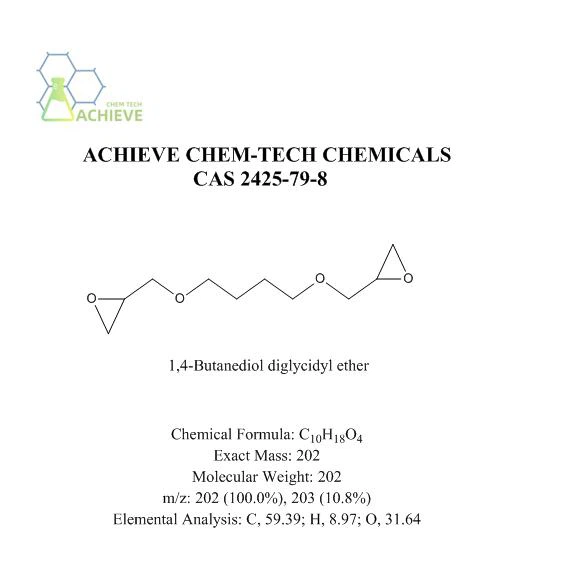
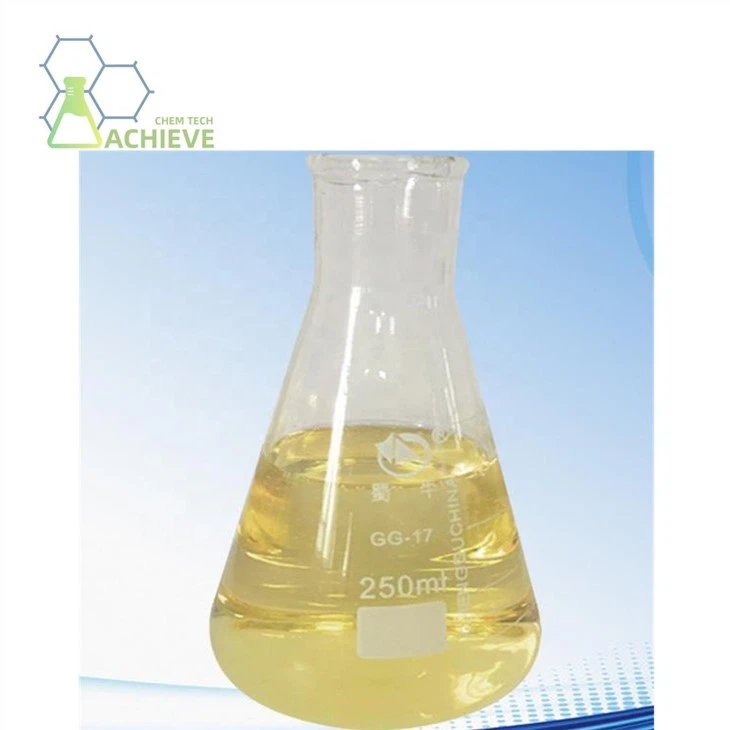
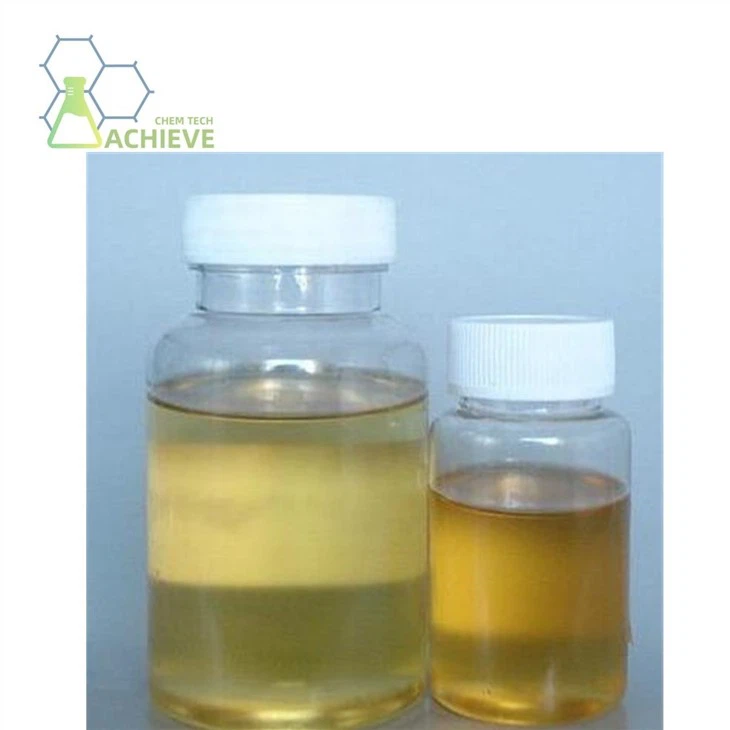
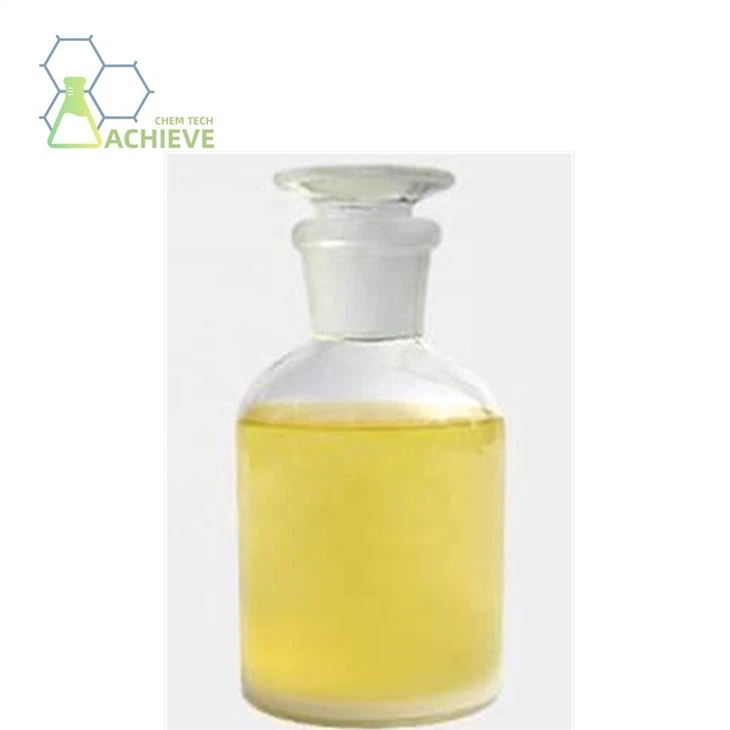
1,4-Butanediol diglycidyl ether is a water-soluble epoxy resin. Light yellow transparent liquid with hygroscopicity. Epoxy value 0.63-0.74, viscosity 15-20mpa · s. It is prepared by condensation of 1,4-butanediol and epichlorohydrin. It is mainly used together with bisphenol A epoxy resin to prepare low viscosity composite materials, casting plastics, impregnating liquids, adhesives, coatings, and resin modifiers. It should be stored in an inert gas atmosphere at 2-8 ℃.

|
Chemical Formula |
C10H18O4 |
|
Exact Mass |
202 |
|
Molecular Weight |
202 |
|
m/z |
202 (100.0%), 203 (10.8%) |
|
Elemental Analysis |
C, 59.39; H, 8.97; O, 31.64 |



1,4-butanediol diglycidyl ether was prepared by polycondensation of 1,4-butanediol and epichlorohydrin.
There are many methods to prepare ethylene glycol diglycidyl ether, such as one-step, two-step, olefin oxidation, phase transfer catalysis, etc. In the two-step process, binary alcohol and ECH are used as main raw materials. Under the catalysis of Lewis acid, BF3 · o (ch3ch3) 2 catalyst] is generally used for ring opening addition, and then closed loop under the action of alkali to obtain diglycidyl ether.
Preparation example: add a certain amount of ethylene glycol and catalyst into a 500ml three necked bottle equipped with a stirrer and a reflux condenser, start the stirrer, heat it to a certain temperature, start dropping ECH from a constant pressure funnel, keep the temperature constant for a period of time after adding, add a certain amount of solvent and alkali, and react for a period of time, then filter by suction and remove the solvent under reduced pressure to obtain the product.


Phase transfer catalysis method: weigh 148g epichlorohydrin and 60-70g potassium hydroxide, add a little water and a certain amount of phase transfer catalyst (dibenzo-18-crown ether-6, trimethylbenzylammonium chloride, n-tetrabutylammonium bromide, etc.), stir quickly, drop 10g ethylene glycol under 45 ℃, and continue the reaction at 40 ℃ for 60min. Filter and wash the residue twice with dichloromethane; After the filtrate is dried, it is first distilled under atmospheric pressure to remove excess epichlorohydrin and solvent; And then changed to vacuum distillation to collect the 118-121 ℃ fraction at 799.93pa. Product 19.7g.


It is mainly used with bisphenol A epoxy resin to prepare low viscosity composite, casting plastic, impregnation liquid, adhesive, coating and resin modifier.
As an active diluent of epoxy resin, the reference dosage is 10% ~ 20%. It can also be used as solvent-free epoxy paint.

1,4-Butanediol diglycidyl ether has a wide range of applications in various fields, mainly as a toughening agent and diluent for epoxy resins, as well as an additive or modifier in other chemical materials. The following is a detailed introduction to its specific uses:
1.Toughening agents and diluents for epoxy resin
It can significantly improve the flexibility and processing performance of epoxy resin, making it have better impact resistance and cracking resistance after curing.
Meanwhile, it can also serve as a diluent for epoxy resin, reducing its viscosity and improving its flowability, making it easier to process and apply.
2.Solvent free coatings and laminates
In solvent-free coatings, it can act as a crosslinking agent, reacting with functional groups such as hydroxyl or amino groups in the resin to form a three-dimensional network structure, improving the adhesion and durability of the coating.
In laminated materials, it can serve as an adhesive to firmly bond different layers of materials together, improving the overall performance and stability of the laminated material.


3.Adhesives and composite materials
In adhesives, it can be used as a toughening agent and crosslinking agent to improve the strength and toughness of the adhesive, making it have better bonding effect and durability.
In composite materials, it can serve as a modifier to enhance the mechanical properties and weather resistance of the composite material.
4.Other applications
It can also be used to manufacture chemical products such as foam plastics, elastomers, sealants, etc.
In the fields of electronic encapsulation and electrical casting, it can be used as an insulation material to improve the electrical performance and safety of products.
What are the side effects of this compound?
1.Health hazards
Skin contact
This substance is harmful to the skin and may cause skin irritation and allergic reactions. If accidentally in contact with the skin, immediately wash with soap and plenty of water, and seek medical advice.
Eye contact
This substance is severely irritating to the eyes and may cause eye damage. If accidentally in contact with the eyes, rinse immediately with plenty of water and seek medical treatment.
Inhalation
Inhaling the vapor or dust of this substance may be harmful and may cause respiratory irritation and other health problems. Therefore, inhalation should be avoided during use and operation should be carried out in a well ventilated environment.
2.Environmental hazards
Aquatic toxicity
This substance is harmful to aquatic organisms and has long-lasting effects. It may have toxic effects on fish, water fleas, and other aquatic invertebrates, affecting the balance of aquatic ecosystems.
Biodegradability
Although the substance has a certain degree of biodegradability, it is not easily biodegradable and may cause long-term pollution to the environment.
3.Other hazards
- Fire and explosion: Although the flash point of the substance is high (such as 140 ℃ closed cup), it may still ignite or explode under high temperature or fire source. Therefore, when using and storing, it should be kept away from sources of fire and heat.
- Chemical properties: This substance has chemical activity and may react with strong oxidants, strong acids, strong bases, etc., producing hazardous substances or exacerbating their danger.
4.Safe operation
Personal Protection
When using this substance, appropriate personal protective equipment should be worn, such as protective gloves, protective clothing, goggles, and masks.
operating environment
It should be operated in a well ventilated environment to avoid inhaling vapors or dust.
Storage requirements
It should be stored in a dark, cool, ventilated, and dry environment, away from sources of fire and heat.
Emergency Management
If a leak or accident occurs, emergency measures should be taken immediately, such as cutting off the fire source, evacuating personnel, using appropriate firefighting equipment, etc., and contacting professional rescue agencies as soon as possible.
Substitute
Regarding the substitutes for this compound, there are currently some products on the market that can replace its function, but the specific types and choices of substitutes may vary depending on factors such as application fields, performance requirements, and costs. Here are some possible alternatives and their related information:
Epichlorohydrin
In certain specific applications, such as the preparation of chromatographic fillers, epichlorohydrin can be used as a substitute for this substance to construct hyperbranched layers. However, it should be noted that epichlorohydrin differs from it in terms of chemical structure and properties, so sufficient testing and validation are required before use to ensure that it meets specific application requirements.
Other glycidyl ether compounds
In addition to this compound, there are other types of glycidyl ether compounds, such as ethylene glycol diglycidyl ether, propylene glycol diglycidyl ether, etc. These compounds may have similar properties to it in certain applications and can therefore be used as substitutes. However, performance testing and validation are also required before use.
Other types of resins or additives
In certain applications, it may be necessary to use other types of resins or additives to replace the compound. The selection of these alternatives will depend on specific application requirements, performance requirements, and cost factors.
Pay attention to:
Due to its unique chemical structure and performance characteristics, the selection of its substitutes is not simply a "one-to-one" replacement. When selecting alternatives, it is necessary to fully consider multiple factors such as application field, performance requirements, cost-effectiveness, and environmental requirements, and conduct sufficient testing and verification to ensure that the selected alternatives can meet specific application needs.
Frequently Asked Questions
As a diluent for epoxy resin, why is its unique "four carbon spacer chain" superior in performance to shorter or longer chains?
+
-
The length of its four carbon chain (- C4H8-) provides the optimal balance between molecular flexibility and crosslinking density, allowing the product to have good toughness without excessive softening.
In synthetic chemistry, are the reactivity of the two epoxy groups (glycidyl group) exactly the same?
+
-
Not exactly the same. Due to the incomplete symmetry of the molecule and the subtle differences in the microchemical environment of the epoxy groups at both ends, there may be slight differences in the nucleophilic ring opening reaction rate, which may affect the regioselectivity in precise synthesis.
What are the disadvantages of its "aliphatic" properties in terms of light/thermal stability compared to classic aromatic epoxy resins such as DGEBA?
+
-
Its aliphatic ether bonds are more sensitive to light (especially ultraviolet) and thermal oxidation, and long-term exposure may lead to main chain breakage (chain breakage rather than cross-linking), affecting durability. This is the reason why aromatic resins are more stable in harsh environments.
How can it be used as a "dual functional linking arm" in scientific research to prepare irreversible covalently immobilized enzymes or antibodies?
+
-
With its bicyclooxygens, one end can be connected with the hydroxyl reaction of solid phase carrier (such as agarose gel), and the other end can form a stable ether bond with the primary amino group (- NH2) of enzyme or antibody molecule, so as to realize the permanent fixation of protein.
What is a seemingly contradictory conclusion in its toxicology data?
+
-
Although multiple in vitro experiments (such as Ames test) have shown its genetic toxicity potential, authoritative in vivo long-term animal studies (such as 103 week mouse skin administration test) have not confirmed its significant carcinogenicity, suggesting that its metabolic and repair mechanisms in intact organisms may mitigate the risk.
Hot Tags: 1,4-butanediol diglycidyl ether cas 2425-79-8, suppliers, manufacturers, factory, wholesale, buy, price, bulk, for sale, Sodium Dodecyl Aulfate Powder CAS 151 21 3, Sodium Isopropyl Xanthate SIPX , P Terphenyl CAS 92 94 4, Chrysene powder, 2 Octanol CAS 123 96 6, 1 4 Cyclohexanedicarboxylic Acid CAS 1076 97 7