




Shaanxi BLOOM Tech Co., Ltd. is one of the most experienced manufacturers and suppliers of 1-dodecanethiol cas 112-55-0 in China. Welcome to wholesale bulk high quality 1-dodecanethiol cas 112-55-0 for sale here from our factory. Good service and reasonable price are available.
1-Dodecanethiol, dark yellow liquid, soluble in ether, slightly soluble in methanol, almost insoluble in water. Stable at room temperature and pressure, avoid contact with strong oxidants. Usually used in the production of surfactants, as well as in the preparation of fungicides and detergents. Intermediate of surfactants, also used as fungicides; Production of detergents, etc. It can be used as a chain transfer agent to control the size of polymer particles in the dispersion polymerization of styrene. As the concentration of n-dodecanethiol increases, the average diameter of polymer particles increases, while the polymerization rate, molecular weight, and molecular weight distribution (MWD) decrease. This indicates that the addition of n-dodecanethiol can regulate the size of polymer particles. In the flotation process of fine pyrite, significant flotation performance is exhibited. It can significantly improve the recovery rate of pyrite under natural pH conditions, up to 96.5%, and has high selectivity and environmental friendliness.

|
Chemical Formula |
C12H25Br |
|
Exact Mass |
248 |
|
Molecular Weight |
249 |
|
m/z |
248 (100.0%), 250 (97.3%), 249 (13.0%), 251 (12.6%) |
|
Elemental Analysis |
C, 57.83; H, 10.11; Br, 32.06 |
|
|
|


Safety: steam or mist is irritating to nose and throat. The vapor or mist of this product is irritating to the nose and throat. High concentration inhalation may cause headache, nausea, vomiting and even coma. It is harmful to the environment, and attention should be paid to the pollution of water environment chemical book and aquifer. Store in a cool and ventilated warehouse. Keep away from kindling and heat source. Prevent direct sunlight. Keep container sealed. It shall be stored separately from oxidants, acids and edible chemical raw materials.
Synthesis of 1-Dodecanethiol: it can be synthesized by the following method in the laboratory. A mixture of 125 g of Bromododecane, 38 g of thiourea and 250 ml of 95% ethanol was heated under reflux for 3 h. After adding a solution of 30g sodium hydroxide and 300ml water, the mixture was refluxed for another 2H. The separated oil layer is crude sulfur chemicalbook alcohol, and the water layer is acidified and extracted with benzene. The extract is combined with crude mercaptan, washed with water, dried with anhydrous sodium sulfate, evaporated to remove benzene, and then distilled under reduced pressure to collect 165-169 ℃ (5.19kpa) fraction as the product. About 80-84g was obtained and the yield was about 80%.

Synthesis of 1-dodecanethiol: Bromododecane, thiourea and 95% ethanol were heated to reflux reaction, then sodium hydroxide solution was added and heated. After the reaction is completed, cool and stand for layering, and the oil layer is crude mercaptan. After washing, drying, distillation and vacuum distillation, the crude product is n-dodecyl mercaptan.


N-Dodecylthiol (CAS number: 112-55-0), also known as dodecyl mercaptan, lauric mercaptan, 1-mercapto-dodecane, n-dodecanethiol, dodecyl mercaptan, etc., is an organic compound with the molecular formula C12H26S. It is a colorless to slightly yellow liquid with a unique odor and good chemical stability. Due to its unique chemical properties, it has been widely used in multiple fields.
Applications in the Chemical Industry
It can be used as an intermediate for synthesizing other organic sulfur compounds and is widely used in the production of chemicals such as pesticides, dyes, and fragrances.

(1) Pesticide production
It plays an important role in pesticide production. It can be used as a raw material or intermediate for synthesizing pesticides and participate in the construction of pesticide molecules. For example, some insecticides, fungicides, and herbicides may contain derivatives of this substance. These pesticides are used in agricultural production to prevent and control pests and diseases, and to improve crop yield and quality.
Application example: A pesticide containing its derivatives that can effectively kill pests and protect crops from pest infestation. The insecticide has shown good insecticidal effect and sustained efficacy in field trials, with no negative impact on crop growth.
(2) Dye production
1-Dodecanethiol can also be used for the synthesis of dyes. Dye molecules may contain sulfur atoms, which can provide sulfur atoms and participate in the synthesis reaction of dyes. By adjusting reaction conditions and raw material ratios, dyes of different colors can be synthesized to meet the needs of industries such as textiles and printing.
Application example: A red dye synthesized from this substance, which has bright colors and good dyeing performance. This dye is widely used in the textile industry and can be used to dye natural fibers such as cotton, linen, silk, as well as synthetic fibers.


(3) Spice production
It also has certain applications in spice production. Although its own odor is not pleasant, it can be converted into aromatic compounds through chemical reactions. These aroma compounds can be used to prepare various spices and essence and provide aroma components for food, cosmetics and other industries.
Application example: A fragrance compound synthesized from this substance, with a fresh lemon aroma. The aroma compound can be used to prepare lemon essence and provide lemon flavor for drinks, candy and other foods.
Application in lubricants and additives
Due to its excellent lubrication performance, it is commonly used as an additive in lubricating oil and grease to improve its wear resistance and thermal stability.
(1) Lubricant additive
Can be used as an additive in lubricating oil to improve its wear resistance and extreme pressure performance. Adding an appropriate amount of lubricant can form a protective film on the metal surface, reducing friction and wear between metals. At the same time, it can also improve the extreme pressure performance of lubricating oil, enabling it to maintain good lubrication effect under high temperature and high load conditions.


Application example: A lubricating oil additive containing this substance, widely used in lubrication systems in fields such as automobiles and mechanical equipment. This additive can significantly improve the wear resistance and extreme pressure performance of lubricating oil, extending the service life of equipment.
(2) Lubricating grease additive
It can also be used as an additive in lubricating grease. Adding an appropriate amount of grease can improve its extreme pressure performance and water resistance. The improvement of extreme pressure performance enables lubricating grease to maintain good lubrication effect under high temperature and high load conditions; The improvement of water resistance enables lubricating grease to still perform well in humid environments.


Application example: A lubricating grease additive containing n-dodecanethiol, used in equipment lubrication in heavy industries such as steel and mining. This additive can significantly improve the extreme pressure performance and water resistance of lubricating grease, ensuring that the equipment can still operate normally under harsh working conditions.
Application of surfactants
It has strong surface activity in water and can be used as a surfactant in the production of cleaning agents and detergents, helping to improve the cleaning effect.
(1) Cleaning agent production
Can be used as one of the raw materials for cleaning agents and participate in the formulation design of cleaning agents. Due to its low surface tension, n-dodecanethiol can form micelle structures in aqueous solutions, thereby enhancing the cleaning agent's ability to remove dirt. At the same time, it also has certain antibacterial properties, which can kill or inhibit the growth of bacteria and improve the hygiene performance of cleaning agents.

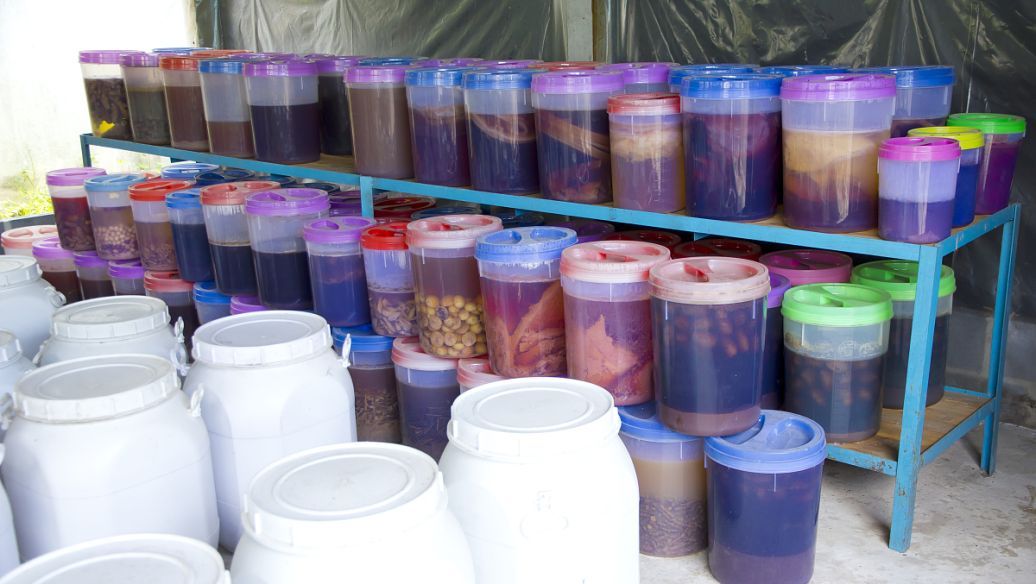
Application example: A kitchen cleaner containing this chemical, which can quickly decompose oil stains and food residues, and maintain the cleanliness and hygiene of the kitchen environment. This cleaning agent has been widely used in households and has received high praise from consumers.
(2) Detergent production
It can also be used in the production of detergents. Adding an appropriate amount of detergent can improve its cleaning ability and stability. It can work synergistically with other ingredients in detergents to form a more powerful decontamination system. At the same time, it can also improve the anti hard water performance of detergents, enabling them to maintain good cleaning effects in hard water environments.


Application example: A laundry detergent containing this product that can quickly remove stains and odors from clothes, keeping them clean and comfortable. This detergent is widely popular in the market and has become one of the trusted brands among consumers.
Applications in Materials Science
In the field of materials science, it is used as a modifier to improve the properties of materials, enhance their corrosion resistance and thermal stability.
(1) Rubber modifier
Can be used as a modifier for rubber to improve its physical and chemical properties. By adding an appropriate amount, the tensile strength, tear strength, and wear resistance of rubber can be improved. At the same time, it can also improve the corrosion resistance and thermal stability of rubber, enabling it to maintain good performance in harsh environments.


Application example: A nitrile rubber modifier containing this chemical substance, which can significantly improve the tensile strength and wear resistance of nitrile rubber. This modifier is widely used in the production of rubber products such as automotive seals and oil pipes, improving the service life and reliability of these products.
(2) Plastic modifier
It can also be used for plastic modification. By adding an appropriate amount, the processing and mechanical properties of plastics can be improved. It can reduce the melt viscosity of plastics, improve their flowability and formability. At the same time, it can also improve the impact strength and heat resistance of plastics, enabling them to maintain good performance under high temperature conditions.
Application example: A polyvinyl chloride modifier containing this substance can significantly improve the impact strength and heat resistance of polyvinyl chloride. This modifier is used in the production of plastic products such as wires, cables, and pipelines, improving the safety and reliability of these products.


(3) Coating modifier
It can also be used as a modifier for coatings to improve their adhesion and weather resistance. By adding an appropriate amount, the adhesion between the coating and the substrate can be improved, making the coating adhere more firmly to the surface of the substrate. At the same time, it can also improve the weather resistance of the coating, allowing it to maintain good performance in natural environments such as sunlight and rain.
Application example: A waterproof coating modifier containing it, which can significantly improve the adhesion and weather resistance of waterproof coatings. This modifier is used in waterproofing projects such as roofs and walls, improving the durability and reliability of the waterproof layer.

Other applications
In addition to the main application areas mentioned above, it also has a wide range of applications in other fields.

(1) Polymer modifiers for synthetic rubber, synthetic fibers, and synthetic resins
In the production process of synthetic rubber, synthetic fibers, and synthetic resins, it can be used as a polymerization regulator. By adding an appropriate amount, the rate of polymerization reaction and molecular weight distribution can be controlled to obtain polymer products with specific properties.
Application example: In the process of synthesizing styrene butadiene rubber, adding an appropriate amount of polymerization regulator can control the molecular weight distribution and crosslinking density of the rubber, thereby obtaining styrene butadiene rubber products with excellent physical properties.
(2) Polyvinyl chloride stabilizer
It can also be used for producing polyvinyl chloride stabilizers. Polyvinyl chloride is prone to thermal decomposition and photoaging during processing and use, leading to a decrease in performance. Adding an appropriate amount as a stabilizer can inhibit the thermal decomposition and photo aging process of polyvinyl chloride, extending its service life.
Application example: A polyvinyl chloride stabilizer containing it is used in the production of polyvinyl chloride products such as wires, cables, and pipelines. This stabilizer can significantly improve the thermal stability and photostability of PVC products, extending their service life.


(3) Drug synthesis
It also has certain applications in drug synthesis. Some drug molecules may contain sulfur atoms, which can provide sulfur atoms and participate in drug synthesis reactions. By adjusting reaction conditions and raw material ratios, drug molecules with specific pharmacological effects can be synthesized.
Application example: An antibacterial drug synthesized from this substance, which has broad-spectrum antibacterial activity and can kill or inhibit the growth of various bacteria. The antibiotic has been widely used in clinical practice, providing an effective means for the treatment of infectious diseases.
(4) Surface hydrophobic modifier
It can also be used as a surface hydrophobic modifier. By coating it on the surface of the material, the wetting properties of the material surface can be changed, making it hydrophobic or superhydrophobic. This hydrophobic property has broad application prospects in fields such as waterproofing, anti fouling, and self-cleaning.
Application example: A superhydrophobic coating prepared from 1-Dodecanethiol as raw material, which is used for waterproof treatment of surfaces such as building exterior walls and glass curtain walls. This coating can form a dense hydrophobic layer, effectively preventing the penetration of moisture and the attachment of pollutants, maintaining the cleanliness and aesthetics of the building surface.

FAQ
What is 1-dodecanethiol?
1-Dodecanethiol (DDT) is a premier alkanethiol for depositing highly ordered, hydrophobic Self-Assembled Monolayers (SAMs) on gold and noble metals. This ≥98% purity grade ensures crystalline-like molecular packing with minimal surface defects, critical for single-molecule electronics.
What is another name for Dodecanethiol?
N-DODECYL MERCAPTAN (DODECANETHIOL) N-Dodecyl Mercaptan (Dodecanethiol) is used in lubricant intermediate to produce additives and final components. At the same time is it also used for polymers and rubber applications.
What is another name for 1 propanethiol?
1-Propanethiol. Synonyms & Trade Names. 3-Mercaptopropane, Propane-1-thiol, Propyl mercaptan, n-Propyl mercaptan.
Hot Tags: 1-dodecanethiol cas 112-55-0, suppliers, manufacturers, factory, wholesale, buy, price, bulk, for sale, 2 2 Dithiobis benzothiazole CAS 120 78 5, P Terphenyl CAS 92 94 4, Tetrabutylammonium Hydrogen Sulfate CAS 32503 27 8, 1-Dodecanethiol, Dicyclohexylcarbodiimide powder, 3-Chloropropyltrimethoxysilane