




Shaanxi BLOOM Tech Co., Ltd. is one of the most experienced manufacturers and suppliers of 3-chloropropyltrimethoxysilane cas 2530-87-2 in China. Welcome to wholesale bulk high quality 3-chloropropyltrimethoxysilane cas 2530-87-2 for sale here from our factory. Good service and reasonable price are available.
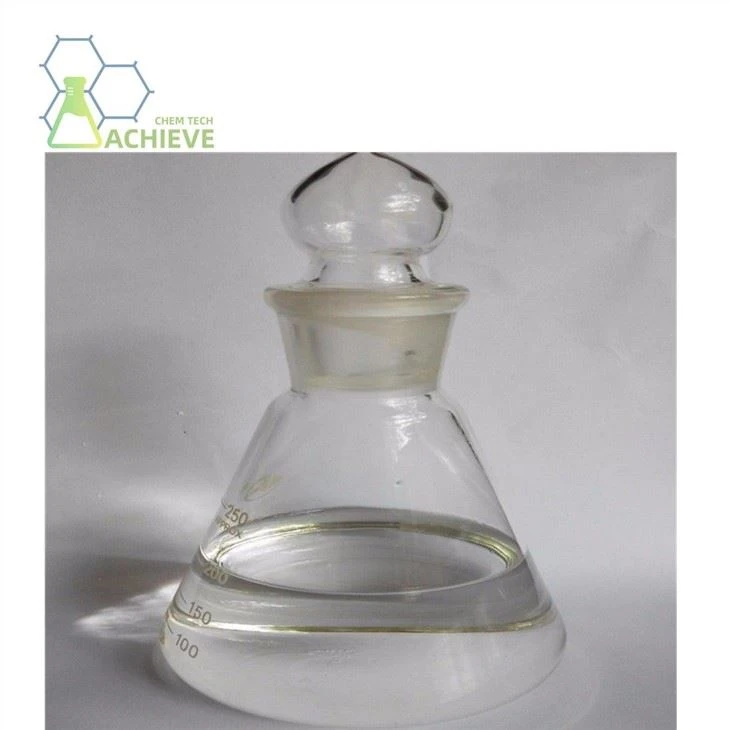
3-chloropropyltrimethoxysilane, also known as (3-Chloropropyl) trimethoxysilane, CAS 2530-87-2, molecular formula C6H15ClO3Si, is a colorless or light yellow transparent liquid with a pungent odor that decomposes upon contact with water. Stable at room temperature and pressure, but avoid contact with oxidants, acids, bases, and moisture. Soluble in various organic solvents such as benzene, ethanol, and gasoline, but insoluble in water. This characteristic makes it widely applicable in organic synthesis and chemical production. It can serve as an intermediate in organic synthesis and play an important role in synthetic chemical reactions. It is an important organic silicon compound mainly used in the field of coupling agents, such as processing glass fibers to improve the adhesion with epoxy resins, and is suitable for coupling adhesives or composite materials such as epoxy resins, polyurethanes, polyamides, etc. Can be used as a surface treatment agent to improve the wettability and adhesion of materials. It can be applied to different types of surfaces, such as glass, metal, and plastic, for applications such as coating, bonding, and modification.

|
Chemical Formula |
C6H15ClO3Si |
|
Exact Mass |
189 |
|
Molecular Weight |
199 |
|
m/z |
198 (100.0%), 200 (32.0%), 199 (6.5%), 199 (5.1%), 200 (3.3%), 201 (2.1%), 201 (1.6%), 202 (1.1%) |
|
Elemental Analysis |
C, 36.27; H, 7.61; Cl, 17.84; O, 24.15; Si, 14.13 |
|
|
|


Purpose:
1. Chloropropyl = trimethoxysilane (CAS 2530-87-2) for preparation γ- Aminopropyl 3 trimethoxysilane, n- β- Aminoethyl- γ- Aminopropyl
Trimethoxysilane γ- Methacryloyloxypropyl trimethoxysilane is the main raw material of various silane coupling agents.
2. Chloropropyl e-methoxysilane (CAS 2530-87-2) is used as a rubber processing aid to couple inorganic compounds in various halogenated rubbers
Fillers, such as halogenated rubber such as neoprene J rubber, chlorinated butyl rubber, sulfated polyethylene, etc., to improve various physical and mechanical properties.
3. Synthesize organosilicon compounds containing quaternary ammonium cations, which are used as anti mold and anti odor finishing agents, and have special sterilization, anti odor, anti-static and surface activity.
3-chloropropyltrimethoxysilane, also known as (3-chloropropyl) trimethoxysilane, with a CAS number of 2530-87-2, is an important organic silicon compound. Its main applications include serving as a coupling agent, material modifier, and intermediate in chemical reactions.
1. Improve the adhesion between glass fiber and epoxy resin
One of its main uses is as a coupling agent, used to treat glass fibers to improve their adhesion with epoxy resins. In the manufacturing process of composite materials, glass fiber is a commonly used reinforcing material, but its bonding strength with the resin matrix is often not strong enough, which can easily affect the overall performance of the composite material. By using it to treat the surface of glass fiber, silane groups can be introduced on its surface, thereby enhancing the bonding strength with resin matrices such as epoxy resin, and improving the mechanical properties and durability of composite materials.
2. Suitable for various polymer systems
In addition to glass fiber and epoxy resin, it is also suitable for various polymer systems such as polyurethane, polyamide, etc. In these systems, it can also serve as an effective coupling agent, improving the interfacial bonding between polymers and inorganic materials or fillers, and enhancing the overall performance of composite materials.

Material modifier

1. Modified molecular sieve surface
It is also commonly used as a material for modifying the surface of molecular sieves. By introducing active groups such as amino, thiol, or ionic liquid groups on its surface, mesoporous materials with excellent properties can be prepared. These modified molecular sieve materials have broad application prospects in catalysis, adsorption, separation and other fields.
2. Improve the surface properties of materials
In addition, it can also be used to improve the surface properties of other materials. For example, by introducing silane groups on its surface, the hydrophobicity, wear resistance, corrosion resistance, and other properties of the material can be enhanced, thereby improving its service life and stability.
1. Synthesis of other silane coupling agents
It is also an important chemical reaction intermediate that can be used to synthesize other silane coupling agents. These silane coupling agents have wide application value in fields such as chemical engineering and materials science. Through rational reaction design and optimization, silane coupling agents with specific structures and properties can be obtained to meet the needs of different fields.
2. Participate in various chemical reactions
In addition to being used for synthesizing silane coupling agents, it can also participate in various chemical reactions. For example, it can undergo condensation reactions with compounds such as alcohols and amines to produce organosilicon compounds with specific functions. These compounds have broad application prospects in fields such as medicine, pesticides, dyes, etc.

adverse reaction
3-Chloropropyltrimethoxysilane (CAS number 2530-87-2) is an important organic silicon compound with the chemical formula C ₆ H ₁ ClO ∝ Si and a molecular weight of 198.72 g/mol. Its structure contains a chloropropyl group and a trimethoxysilane group, with dual hydrophilic and hydrophobic properties, and is widely used in surface modification, coupling agents, coatings, adhesives, and nanomaterial synthesis. However, with the expansion of its industrial applications, reports on its safety and adverse reactions have gradually increased.
Acute Toxicity
Oral toxicity
Animal experiments have shown that the oral median lethal dose (LDX) of 3-Chlorotropyltrimethoxysilane in rats is 6170 μ L/kg (approximately 6.1 g/kg). After ingestion, animals may experience gastrointestinal irritation symptoms such as nausea, vomiting, and diarrhea, which can lead to gastrointestinal bleeding or perforation in severe cases. The toxicity mechanism may be related to the hydrolysis products of silane groups, such as methanol and silanol. Methanol has a central nervous system inhibitory effect, while silanol may directly corrode gastrointestinal mucosa.
Skin toxicity
The rabbit skin contact experiment showed that the LD ₅₀ of 3-Chloropropyl trimethoxysilane was 2830 μ L/kg (approximately 2.8 g/kg). After skin contact, it may cause erythema, edema, and even chemical burns, especially in humid environments. Methanol and silicic acid produced by the hydrolysis of silane groups can exacerbate skin damage. Long term or repeated exposure may lead to dry, cracked or allergic dermatitis of the skin.
Inhalation toxicity
The inhalation experiment in rats showed that no significant death was observed after 6 hours of exposure to a concentration of 50 ppm for 4 consecutive weeks (TCLo=50 ppm/6H/4W-I), but high concentration exposure (such as>100 ppm) may cause respiratory irritation, manifested as coughing, dyspnea, or pulmonary edema. The toxicity mechanism may be related to the hydrolysis of silane groups to produce methanol and silica particles. Methanol can inhibit the movement of respiratory cilia, while silica particles may deposit in alveoli, triggering inflammatory reactions.
Chronic toxicity
Renal toxicity
Long term inhalation experiments have shown that rats exposed to 3-Chlorotropyltrimethoxysilane may experience acute tubular necrosis, interstitial inflammation, or bladder scar formation. Pathological examination shows degeneration and necrosis of renal tubular epithelial cells, infiltration of renal interstitial lymphocytes, thickening or fibrosis of bladder mucosa. The mechanism may be related to the nephrotoxicity of silane metabolites (such as methanol), and the methanol metabolite formic acid can inhibit the mitochondrial respiratory chain, leading to energy metabolism disorders in renal tubular cells.
Liver toxicity
Animal experiments have shown that 3-Chlorotropyltrimethoxysilane may cause liver damage, manifested as elevated serum transaminases (ALT, AST), hepatocyte edema, or steatosis. The mechanism may be related to the hydrolysis of silane groups to produce methanol. The formic acid and formaldehyde produced during methanol metabolism can directly damage liver cells or trigger lipid peroxidation through oxidative stress.
Endocrine system toxicity
Long term exposure experiments have shown that the weight of rat adrenal glands may change, indicating that the endocrine system is affected. The mechanism may be related to the interference of silane groups on the hypothalamic pituitary adrenal axis, or through oxidative stress affecting adrenal cortex function.
Environmental toxicity
Toxicity to aquatic organisms
3-Chlorotropyltrimethoxysilane has moderate toxicity to aquatic organisms, and acute toxicity experiments on fish show that the LC ₅₀ after 96 hours is about 10-100 mg/L. The toxicity mechanism may be related to the hydrolysis of silane groups to produce methanol and silicic acid. Methanol can inhibit the activity of fish respiratory enzymes, while silicic acid particles may deposit in fish gills, causing mechanical asphyxia.
Soil microbial toxicity
Soil experiments have shown that 3-Chloropropyl trimethoxysilane may inhibit soil microbial activity, affecting nitrogen cycling and organic matter decomposition. The mechanism may be related to the damage of silane groups to microbial cell membranes or the impact on microbial metabolism by changing soil pH.
Biodegradability
3-Chlorotropyltrimethoxysilane can slowly hydrolyze in the environment to produce methanol and silicic acid, but complete degradation takes a long time. Its degradation product methanol is volatile and may enter the atmosphere, while silicic acid may deposit in soil or water bodies, and long-term accumulation may affect ecosystems.
Hot Tags: 3-chloropropyltrimethoxysilane cas 2530-87-2, suppliers, manufacturers, factory, wholesale, buy, price, bulk, for sale, Dicyclohexylcarbodiimide powder, polyquaternium 7 powder, Octocrylene Liquid, 2 Methyl 2 propene 1 sulfonic Acid Sodium Salt CAS 1561 92 8, Chrysene powder, Tetrabutylammonium Hydrogen Sulfate CAS 32503 27 8