


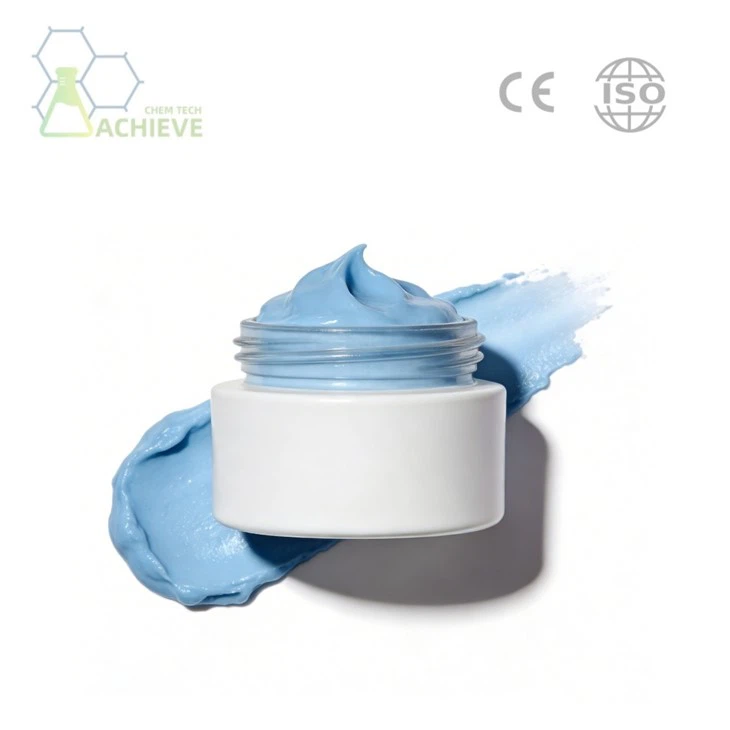



Shaanxi BLOOM Tech Co., Ltd. is one of the most experienced manufacturers and suppliers of copper peptide face cream in China. Welcome to wholesale bulk high quality copper peptide face cream for sale here from our factory. Good service and reasonable price are available.
In the field of anti-aging skincare, traditional strategies often focus on single mechanisms, such as stimulating collagen production with retinol or relying on vitamin C's antioxidant properties. However, as dermatological research advances, an ingredient called Copper Peptide Cream is redefining the boundaries of anti-aging skincare with its dual-action mechanism of "daytime protection and nighttime repair." Its core component, copper peptide (GHK-Cu), activates the antioxidant enzyme system to repair daytime UV damage while simultaneously promoting collagen synthesis at night, creating a 24/7 protective cycle for the skin.

COA

The protective mechanism
Free Radical Scavenging
Ultraviolet radiation induces the production of reactive oxygen species (ROS) in the skin, such as superoxide anion (O₂⁻) and hydroxyl radical (·OH), which attack cell membranes and DNA. GHK-Cu peptides activate superoxide dismutase (SOD) to convert O₂⁻ into hydrogen peroxide (H₂O₂), which is then further decomposed into water by catalase. This process acts like a "free radical fire extinguisher," rapidly neutralizing over 90% of O₂⁻.
Experimental Data: In human skin cell models exposed to UV radiation, adding 10μM GHK-Cu peptide increased SOD activity by 40% and reduced ROS levels by 65%.
Inhibiting Collagen Degradation
UV radiation activates Matrix Metalloproteinase-1 (MMP-1), an enzyme that acts like "scissors" to cleave collagen fibers. GHK-CU Peptide reduces collagen loss by downregulating MMP-1 gene expression.
Clinical Case: A double-blind trial involving 30 healthy volunteers demonstrated that continuous use of a 1% GHK-CU peptide cream for 8 weeks reduced transepidermal water loss (TEWL) by 22% (indicating enhanced barrier function) while decreasing UV-induced MMP-1 expression by 65%.

Practical Application Recommendations
Use with Sunscreen: It cannot replace sunscreen but can enhance its protective effects. Apply GHK-CU peptide cream before sunscreen to create a dual barrier of "inner repair + outer protection."
Suitable Scenarios
Long-term outdoor work, high-altitude travel, window-facing office work, and other situations involving UV exposure.
Inhibits tyrosinase
Methods for inhibiting tyrosinase are diverse, encompassing daily skincare, medication, laser treatments, dietary adjustments, and lifestyle improvements. Specific approaches are outlined below:

Daily Care and Sun Protection
UV Protection: Ultraviolet rays are a key factor in activating tyrosinase. Reducing UV exposure significantly lowers its activity. Using sunscreen (SPF 30+), wearing wide-brimmed hats and sunglasses, and avoiding outdoor activities between 10 a.m. and 4 p.m. (peak UV hours) effectively shields skin from UV damage.
Antioxidant Care: Select skincare products containing antioxidants like vitamin E and coenzyme Q10. These ingredients neutralize free radicals, reducing oxidative stress that activates tyrosinase and thereby indirectly inhibiting its activity.
Topical Medications:
Hydroquinone Cream: Competitively binds to the copper ion active site of tyrosinase, inhibiting its function. Suitable for epidermal hyperpigmentation disorders like melasma.
Arbutin: Its glycoside structure blocks the hydroxylation reaction of tyrosine, reducing melanin synthesis. Commonly found in skin-lightening products.

Kojic Acid Derivatives: Compounds like kojic acid dipalmitate chelate copper ions to reduce tyrosinase activity, clinically used for post-inflammatory hyperpigmentation.
Vitamin C Derivatives: Block melanin polymerization by reducing quinone intermediates while promoting metabolism of existing pigments.
Oral medications:
Tranexamic acid tablets: Inhibits plasminogen activation and reduces prostaglandin E2 synthesis, thereby blocking tyrosinase-related signaling pathways. Use under medical supervision.
Glutathione tablets: Contains sulfhydryl groups that scavenge free radicals; its antioxidant action indirectly modulates tyrosinase activity.
Vitamin E Softgels: Possess antioxidant properties that reduce oxidative stress-induced activation of tyrosinase.

Laser Therapy
Q-switched lasers and picosecond lasers: Utilize specific wavelength laser energy to selectively destroy melanin granules while inhibiting tyrosinase activity. Treatment requires 3-5 sessions spaced 4-6 weeks apart, with strict sun protection post-procedure to prevent hyperpigmentation.
Photothermal Effect: Laser energy absorbed by melanin generates photothermal effects, breaking down pigments and inhibiting tyrosinase activity while stimulating collagen production to improve skin texture.
Foods that inhibit tyrosinase activity:
Vitamin C-rich foods: Citrus fruits, fresh jujubes, kiwis, etc., directly suppress tyrosinase activity and promote the metabolism of existing pigments.
Polyphenol-rich foods: Such as tea polyphenols in green tea, grape seed extract, and dark berries like blueberries. These compounds bind to tyrosinase, reducing its catalytic efficiency.

Foods containing sulfur compounds: Organic sulfur components in allium plants like garlic and onions, along with glucosinolates in cruciferous vegetables such as broccoli, can reduce enzyme activity through molecular interactions.
Reducing tyrosine intake: Limiting foods rich in tyrosine-such as cheese, soy products, and nuts-lowers the substrate concentration for tyrosinase, thereby reducing melanin synthesis.

Lifestyle Improvements
Maintain a Regular Schedule: Adhering to consistent sleep patterns prevents endocrine disruption caused by late nights, helping maintain bodily equilibrium and reducing tyrosinase stimulation.
Stress Management: Chronic mental stress triggers abnormal melanocyte-stimulating hormone secretion, elevating tyrosinase activity. Techniques like mindfulness meditation and deep breathing exercises alleviate stress, thereby regulating tyrosinase function.
Moderate Exercise: Engage in aerobic activities like brisk walking or swimming 3-5 times weekly for at least 30 minutes per session. This regulates endocrine function and indirectly influences tyrosinase activity.
The "Invisible Guardians" of Microbiome Balance
As core metabolic products of the skin microbiome, short-chain fatty acids (SCFAs) serve not only as the "chemical language" for communication between the microbiome and host but also as key mediators in maintaining skin microecological stability, barrier function, and immune balance. Their significance manifests across five dimensions:
Establishing an Acidic Barrier
The skin's surface pH (4.5-5.5) serves as the first line of defense against pathogens, with SCFAs (particularly propionic acid and acetic acid) being the core substances maintaining this acidic environment:
Direct antibacterial action: Pathogens like Propionibacterium acnes and Staphylococcus aureus thrive at pH 6.0–7.0. SCFAs lower local pH, inhibiting enzyme activity (e.g., lipase, protease) and biofilm formation. For example, propionic acid reduces Propionibacterium acnes lipase activity by 60% and biofilm thickness by 70%.
Membrane disruption: The undissociated forms of SCFAs (e.g., undissociated propionic acid) can penetrate pathogen cell membranes, releasing protons (H⁺). This causes intracellular pH imbalance, leading to cell swelling and lysis. Experiments show that 0.5% propionic acid treatment reduces Staphylococcus aureus survival by 85%.
Competitive inhibition: SCFAs compete with pathogens for essential metal ions like iron and zinc, depriving them of nutrients through chelation. For instance, acetic acid reduces free iron concentration on skin surfaces by 40%, significantly inhibiting Propionibacterium acnes proliferation.
Nourishing Beneficial Bacteria
Probiotics like Lactobacillus and Bifidobacterium lack the ability to synthesize all essential amino acids, relying on exogenous SCFAs as carbon and energy sources:
Butyrate: Probiotics' "Preferred Fuel": Butyrate enters the tricarboxylic acid (TCA) cycle via β-oxidation, providing ATP to Lactobacillus and promoting its proliferation. Clinical data shows that for every 1μmol/g increase in skin surface butyrate concentration, Lactobacillus abundance increases by 1.2 times.
Acetic acid: The "regulator" of microbial diversity: Acetic acid induces probiotics to express quorum-sensing molecules (e.g., AI-2), facilitating inter-microbial communication and maintaining ecological niche stability. Animal studies indicate that acetic acid supplementation can increase skin microbial diversity indices (Shannon index) by 25%.
Metabolic Synergy: Probiotics utilize SCFAs to synthesize B vitamins (e.g., B12, folate) and antimicrobial peptides (e.g., bacteriocins), further inhibiting pathogens. For instance, Lactobacillus synthesizes Lactocin 160 from butyrate, achieving a 90% kill rate against Propionibacterium acnes.
Strengthening the Skin Barrier
SCFAs regulate keratinocytes and tight junction proteins to establish a "microbiome-barrier" synergistic defense system:
Promoting Stratum Corneum Maturation: Butyrate activates PPARγ receptors, upregulating keratin 1 (K1), lamellar occludin (LOR), and filaggrin (FLG) expression to reinforce the brick-and-mortar structure of the stratum corneum. Experiments show butyrate treatment increases stratum corneum thickness by 15% and reduces transepidermal water loss (TEWL) by 30%.
Strengthening tight junctions: Propionate reduces pathogen and toxin (e.g., lipopolysaccharide LPS) penetration by upregulating Claudin-1 and Occludin expression. Studies confirm propionate reduces LPS penetration by 65% in skin models.
Regulating lipid metabolism: SCFAs stimulate sebaceous glands to secrete ceramides and free fatty acids, replenishing the lipid barrier. For example, acetate induces sebaceous cells to synthesize ceramide precursors (sphingomyelin), increasing skin hydration by 20%.
Frequently Asked Questions
What are the downsides of GHK-Cu peptides?
+
-
Some users may experience mild skin irritation, including redness, itching, or a tingling sensation, especially when first incorporating GHK-Cu peptides into their skincare routine. This is often due to the skin adjusting to the new active ingredient.
Do dermatologists recommend copper peptides?
+
-
GHK-Cu peptides are supported by solid research, especially in the areas of wound healing and tissue repair, according to Dr. Hovenic. "In cosmetic dermatology, the data is promising, but not as extensive or long-term as the evidence behind gold-standard ingredients like retinoids or vitamin C," she adds.
What skin types react badly?
+
-
Skin Sensitivities: GHK-Cu peptides may cause skin sensitivities in some individuals, particularly those with sensitive skin. It is advisable to perform a patch test before using a product containing copper peptides.
Hot Tags: copper peptide face cream, suppliers, manufacturers, factory, wholesale, buy, price, bulk, for sale, Melanotan ii powder, GLP 1 Peptide CAS 87805 34 3, Melanotan 2 Powder, Selank Peptide CAS 129954 34 3, Epitalon Powder CAS 307297 39 8, CJC 1295 Peptide