


GLP-1 peptide (Glucagon-like peptide-1) is a hormone mainly produced by intestinal L cells, belonging to incretin. Glucagon-like peptide-1 receptor agonist (GL P1RA) is a new type of hypoglycemic drug in recent years. By activating the GLP-1 receptor, it can enhance insulin secretion in a glucose concentration-dependent manner, inhibit glucagon secretion, delay gastric emptying, and reduce food consumption through central appetite inhibition, thus achieving the effects of reducing blood sugar and weight loss.
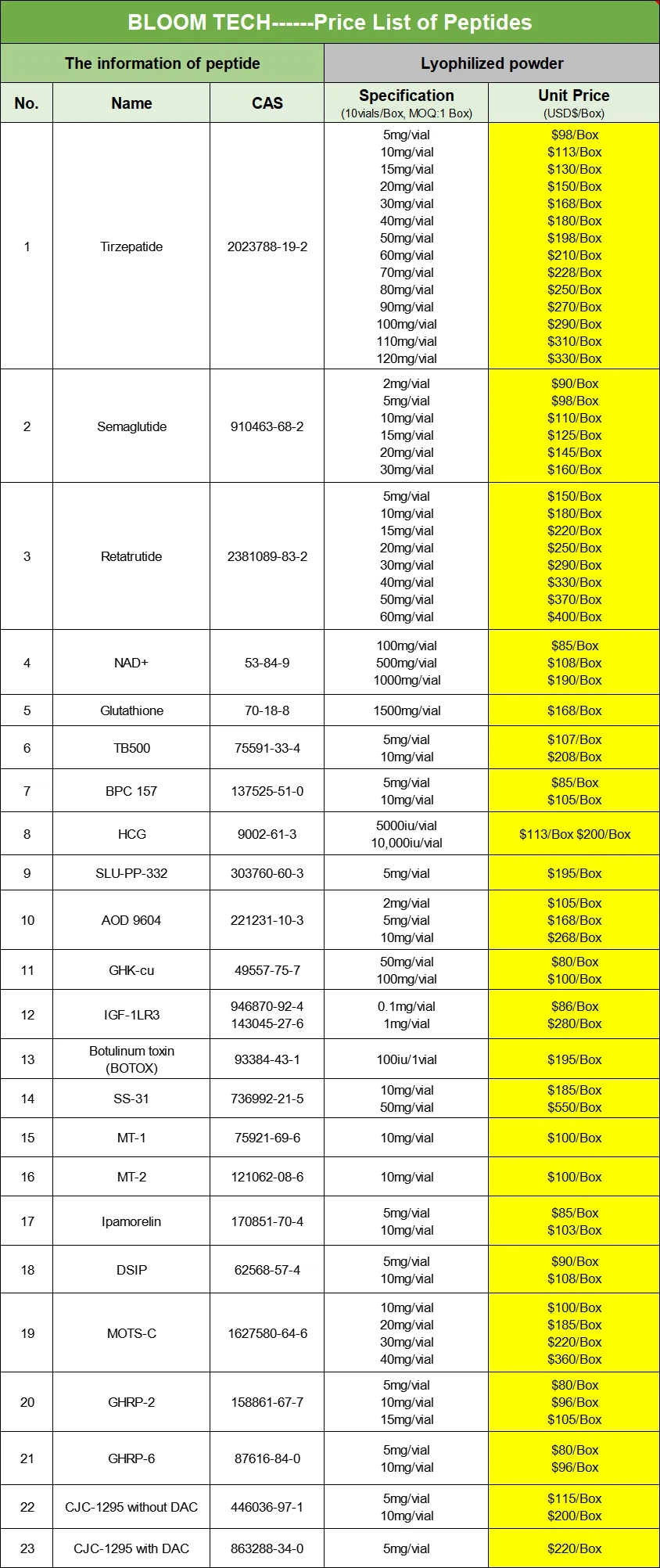
Customized Bottle Caps & Corks
 |
|
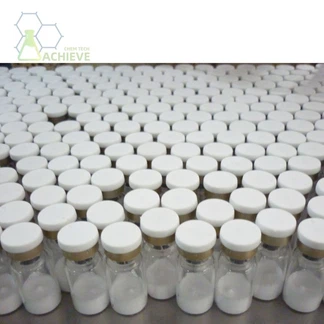

GLP-1 peptide (GLP-1), as a hormone secreted by intestinal endocrine cells, plays a crucial role in the complex metabolic system of the human body, especially in blood glucose regulation. In recent years, with the deepening of the research on GLP-1, its application in the treatment of diabetes is also gradually widespread.
Basic characteristics
GLP-1 is a hormone primarily produced by intestinal L cells and is classified in the intestinal insulinotropic family. The secretion process is closely related to food intake. When the human body eats, the intestine is stimulated by food, which triggers the secretion program of GLP-1. GLP-1, as a multifunctional peptide substance, can effectively balance glucose levels in the body. However, the effect of human GLP-1 is very short (intravenous injection t1/2<1.5 minutes), so it is not suitable for direct clinical treatment of diabetes. Nevertheless, the mechanism of GLP-1 in the regulation of blood glucose provides a new idea for the treatment of diabetes.
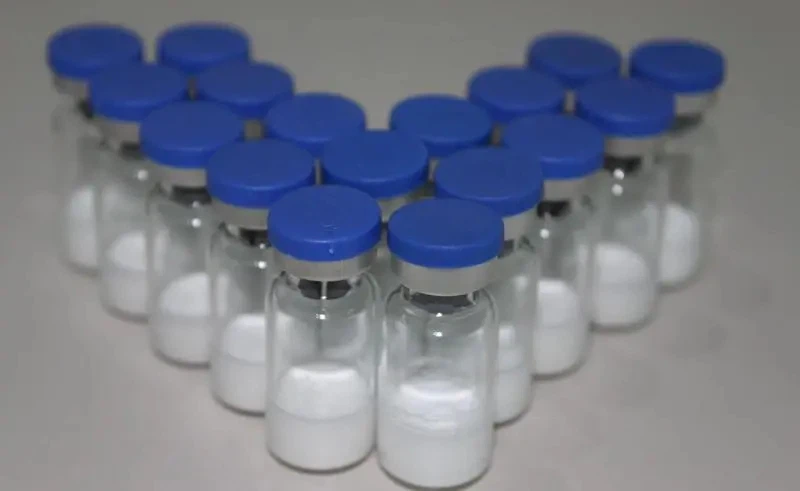
Action Path
The pathway of action of GLP-1 in sugar control mainly includes the following aspects:

1. Promote insulin synthesis and secretion
GLP-1 can act on pancreatic beta cells, promoting insulin synthesis and secretion by binding to specific receptors on the surface of pancreatic beta cells. Insulin is a key hormone that lowers blood sugar. It helps cells take up glucose from the blood and convert it into energy for storage, or to maintain normal physiological functions of cells. Therefore, GLP-1 effectively reduces the increase in postprandial blood glucose by stimulating insulin secretion, preventing significant fluctuations in blood glucose levels.
2. Inhibit the secretion of glucagon
GLP-1 not only promotes insulin secretion, but also inhibits the secretion of glucagon by pancreatic alpha cells. The action of glucagon is opposite to insulin, it is a hormone that raises blood sugar. By inhibiting the secretion of glucagon, GLP-1 further enhances its regulatory effect on blood glucose, avoiding excessive elevation of blood glucose. This dual regulatory mechanism makes GLP-1 more precise and effective in blood glucose regulation.


3. Delay the speed of gastric emptying
GLP-1 can also slow down the rate of gastric emptying, slowing down the digestion process of food in the stomach, thereby reducing the speed of glucose entering the bloodstream and helping to alleviate the rapid increase in postprandial blood sugar pressure. This mechanism of action not only helps to control postprandial blood glucose levels, but also reduces the need for insulin secretion and lowers the risk of hypoglycemia.
4. Reduce appetite and decrease food intake
GLP-1 can also act on the appetite regulation center of the brain, reducing appetite and decreasing food intake. This is undoubtedly an important regulatory pathway for those obese patients with diabetes. By reducing food intake, the source of blood sugar can be controlled from the source, which helps improve overall metabolic status.

The effect of sugar control
The effect of GLP-1 in sugar control is mainly reflected in the following aspects:

1. Effectively reduce blood sugar levels
GLP-1 can significantly reduce blood glucose levels by promoting insulin secretion and inhibiting glucagon secretion. Studies have shown that in patients with type 2 diabetes, the use of GLP-1 receptor agonist (GLP-1RA) can significantly reduce the level of glycosylated hemoglobin (HbA1c) and increase the rate of reaching the blood glucose target. For example, Smeaglutide can significantly reduce HbA1c by 1.8% in the Chinese population, and the HbA1c compliance rate (≤ 7.0%) is as high as 86.1%.
2. Reduce weight
GLP-1 has the effect of reducing body weight. GLP-1 can help patients lose weight and improve their metabolic status by delaying gastric emptying, reducing appetite, and decreasing food intake. This is particularly important for obese patients with diabetes. Research has shown that in patients receiving GLP-1 treatment, weight loss can reach several kilograms.


3. Improve cardiovascular health
GLP-1 not only plays an important role in blood glucose regulation, but also has a certain protective effect on the cardiovascular system. Research has shown that GLP-1 can reduce systolic blood pressure, improve myocardial ischemia and systolic function, thereby reducing the risk of cardiovascular disease. In addition, some GLP-1RAs also have cardiorenal protective effects, which can significantly reduce the risk of major cardiovascular adverse events (MACEs).
4. Reduce the risk of hypoglycemia
Compared with traditional hypoglycemic drugs, GLP-1 drugs have a lower risk of hypoglycemia. This is because the insulin secretion promoting effect of GLP-1 is glucose concentration dependent, meaning that GLP-1 only exerts its hypoglycemic effect when blood glucose levels are elevated; When blood sugar levels are normal, it will not further decrease. This characteristic makes GLP-1 drugs safer and more effective in sugar control processes.
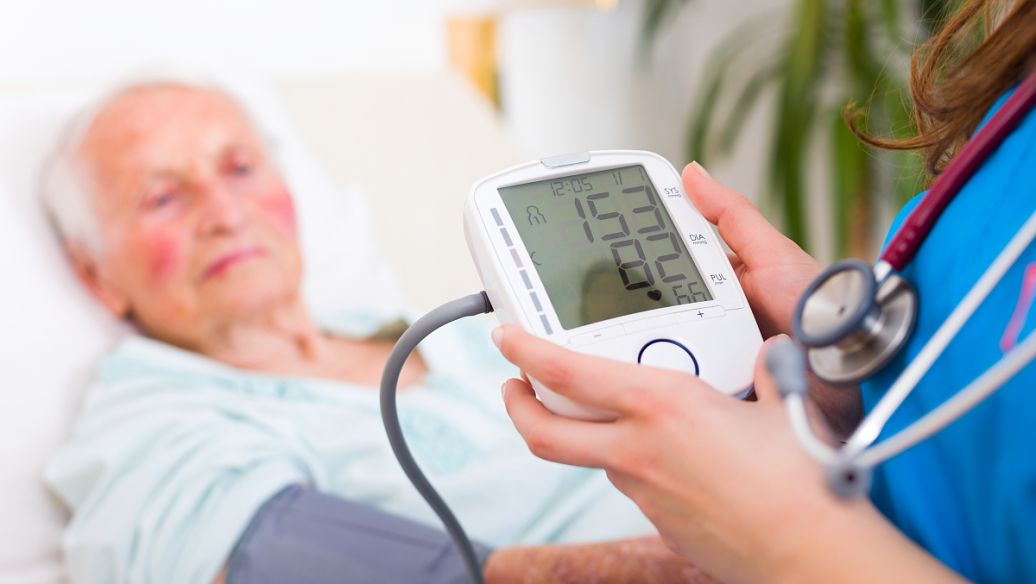

What are the biological characteristics of GLP-1 peptide? How to exert the hypoglycemic effect?
Studies have confirmed that incretin promotes islets in a glucose concentration-dependent manner β Cells secrete insulin and reduce islets α Cells secrete glucagon, which reduces blood sugar. After eating, normal people begin to secrete incretin, which then promotes insulin secretion to reduce the fluctuation of postprandial blood glucose. However, for patients with type 2 diabetes, the "incretin effect" is impaired, which is mainly manifested in that the increase of GLP-1 concentration after meals is less than that of normal people, so GLP-1 and its analogues can be an important target for the treatment of type 2 diabetes.
GLP-1 has glucose concentration dependent hypoglycemic effect.
As an intestinal hormone, GLP-1 is released into the blood under the stimulation of nutrients, especially carbohydrates. Its insulin promoting effect is glucose concentration dependent. Nauck et al. studied 10 patients with type 2 diabetes who have poor blood glucose control, and gave them GLP-1 or placebo under fasting condition. The results showed that after GLP-1 infusion, The insulin and C-peptide levels were significantly increased, the glucagon level was significantly decreased, and the fasting blood glucose level became normal after 4 hours. After the blood glucose level is normal, although GLP-1 is still continuously infused, the insulin level of the patient will not rise again, and the blood glucose level will remain stable and will not fall further. This shows that GLP-1 has a glucose-dependent hypoglycemic effect, that is, GLP-1 can only play a hypoglycemic effect when the blood glucose level is elevated, but it will not further reduce when the blood glucose level is normal. This glucose concentration dependent hypoglycemic property of GLP-1 is the basis and guarantee of its clinical application safety, thus avoiding people's concern that existing diabetes drugs and programs may cause severe hypoglycemia in patients.
Studies such as Zander show that GLP-1 has the effect of weight loss. After six weeks of GLP-1 treatment, 20 patients with type 2 diabetes who participated in the study lost an average weight of 1.9 kg. Researchers believe that GLP-1 has the effect of reducing body weight through a variety of ways, including inhibiting gastrointestinal peristalsis and gastric secretion, inhibiting appetite and food intake, and delaying gastric emptying. In addition, GLP-1 can also act on the central nervous system (especially the hypothalamus), resulting in a sense of fullness and decreased appetite.
In addition, GLP-1 also has many other biological characteristics and functions. For example, GLP-1 may play a role in lowering blood fat and blood pressure, thus protecting the cardiovascular system; It can also strengthen learning and memory functions and protect nerves by acting on the center.
However, there is also a problem in applying GLP-1 to clinic. That is, GLP-1 produced by human body is easily degraded by dipeptidyl peptidase 4 (DPP-4) in the body. Its plasma half-life is less than 2 minutes, and it must be continuously intravenous drip to produce curative effect, which greatly limits the clinical application of GLP-1.
In order to solve this problem, scholars have proposed two solutions. One is to develop GLP-1 analogues to keep the efficacy of GLP-1 and resist degradation; The second is to develop DPP-4 inhibitors so that GLP-1 secreted by the body itself will not be degraded. Some progress has been made in these two areas. It is believed that with the in-depth study of GLP-1 signaling system, more new targets will be found, so as to develop more new drugs to treat diabetes and benefit diabetes patients.

Enterotropin is a general term for substances secreted from the intestine that can stimulate insulin secretion. The insulin secretion capacity caused by it accounts for about 50-70% of the total insulin secretion, and the effect of stimulating insulin secretion is glucose concentration-dependent.
The main intestinal pancreatin found in human body are glucose-dependent insulin releasing peptide (GIP) and glucagon-like peptide-1 (GLP-1). By 2021, the clinical use of incretin drugs is based on GLP-1 peptide.
GLP-1RA can be used as a combination of single or multiple oral hypoglycemic drugs and basic insulin therapy when the effect of blood glucose control is poor.
Prohibited people
1
Those who are allergic to the active ingredients or any other excipients of such products
2
Patients with a history of medullary thyroid carcinoma (MTC) or family history
3
Patients with type 2 multiple endocrine tumor syndrome (MEN2)

GLP-1RA alone has low risk of hypoglycemia, and has the effects of weight loss, blood pressure reduction, and blood lipid improvement. Therefore, it has been included in the 2017 version of the Chinese Guidelines for the Prevention and Treatment of Type 2 diabetes as one of the options for dual treatment after metformin. In recent years, many GLP-1RA have been approved in China, and many cardiovascular outcomes studies have proved that some GLP-1RA has cardiorenal protective effects. In many international and Chinese guidelines, GLP-1RA has been recommended as one of the first choice combination drugs in patients with type 2 diabetes (T2DM), atherosclerotic cardiovascular disease (ASCVD) or high cardiovascular risk. For example, in the 2020 version of the Guidelines for the Prevention and Treatment of Type 2 diabetes in China, it is recommended that type 2 diabetes patients with atherosclerotic cardiovascular disease (ASCVD) or high cardiovascular risk, regardless of whether their glycosylated hemoglobin (HbA1c) is up to standard, should apply GLP-1RA or SGLT-2i with evidence of ASCVD benefits on the basis of metformin as long as there are no contraindications.
By 2021, GLP-1RA approved for listing in China includes exenatide, liraglutide, exenatide microsphere, dulaglutide, etc.
In April 2021, the new GLP-1RA weekly preparation Smeglutide injection was approved by the National Drug Administration (NMPA) for marketing, which is used for the treatment of type 2 diabetes patients with poorly controlled blood glucose (T2DM) by oral metformin/sulfonylurea, and to reduce the risk of cardiovascular adverse events in T2DM patients with cardiovascular disease.
The results of SUSTAIN China study showed that in the Chinese population, Smegglutide can significantly reduce HbA1c by 1.8%, and the HbA1c reaching rate (≤ 7.0%) is as high as 86.1%, and the incidence of hypoglycemia is extremely low.
The results of SUSTAIN 6 study showed that, on the basis of standard treatment, Smegglutide significantly reduced the risk of major adverse cardiovascular events (MACE) by 26% and the risk of nonfatal stroke by 39% compared with placebo.
In October 2021, the basic insulin glucagon like GLP-1 peptide receptor agonist (GLP-1RA) injection Degu insulin and lilalutide injection was approved by the National Drug Administration (NMPA) for marketing. It is used for adult patients with type 2 diabetes who have poor blood glucose control. On the basis of diet and exercise, it is combined with other oral hypoglycemic drugs to improve blood glucose control.
Frequently Asked Questions
How long to lose 20 pounds on GLP-1?
+
-
Realistic Weight Loss from GLP-1 Injections
5–10 pounds lost in the first month, primarily due to reduced appetite and calorie intake. 10–20% total body weight loss over 6–12 months (depending on the drug) Slower, steady progress as the body adjusts to the medication.
What is the downside to GLP-1?
+
-
The most common symptoms associated with the use of GLP-1 receptor agonists are gastrointestinal symptoms, mainly nausea. Other common adverse effects include injection site reactions, headache, and nasopharyngitis, but these effects do not usually result in discontinuation of the drug.
What to avoid while on GLP-1?
+
-
Foods to Avoid While Taking GLP-1 Medication:
Burgers: High in fat, which can trigger heartburn.
Fried chicken: Greasy foods worsen digestive discomfort.
Pizza: Fatty cheeses and sauces can aggravate symptoms.
Energy drinks: Acidic and highly caffeinated drinks can intensify heartburn.
Hot Tags: glp-1 peptide cas 87805-34-3, suppliers, manufacturers, factory, wholesale, buy, price, bulk, for sale, Lpamorelin Powder CAS 170851 70 4, Selank Peptide CAS 129954 34 3, Best Growth Hormone Releasing Peptide CAS 87616 84 0, Tesamorelin CAS 218949 48 5, LONG R3 IGF I CAS 143045 27 6, DecaPeptide 12 CAS 137665 91 9