


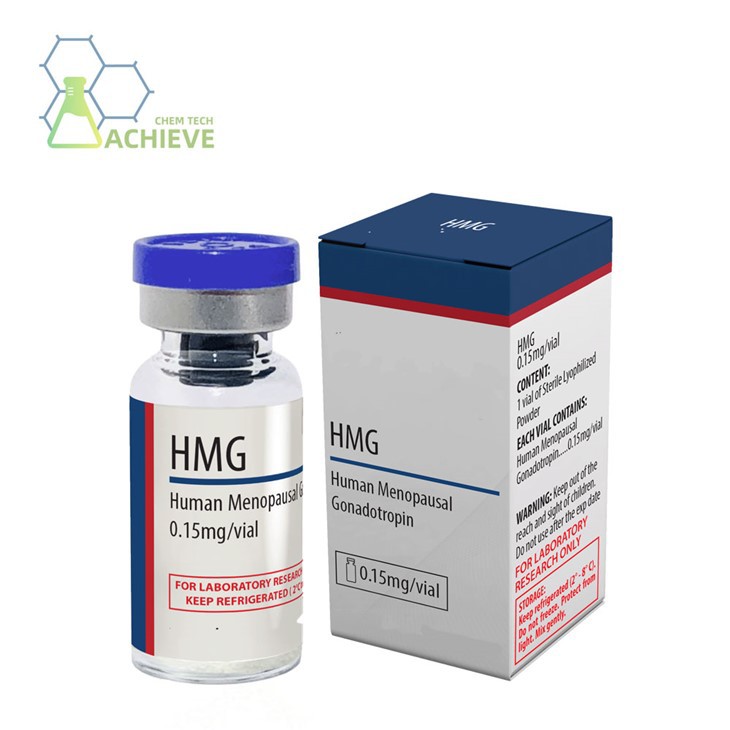

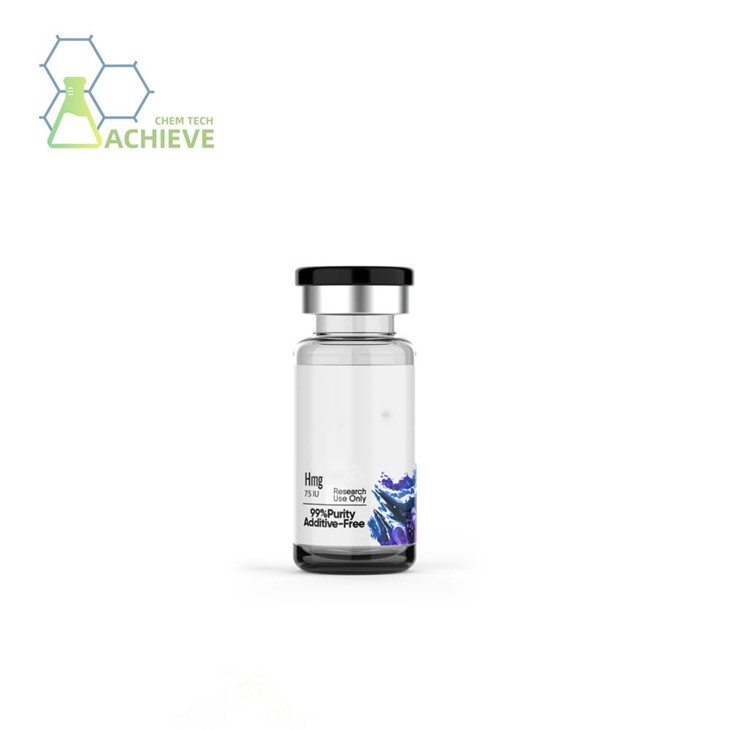
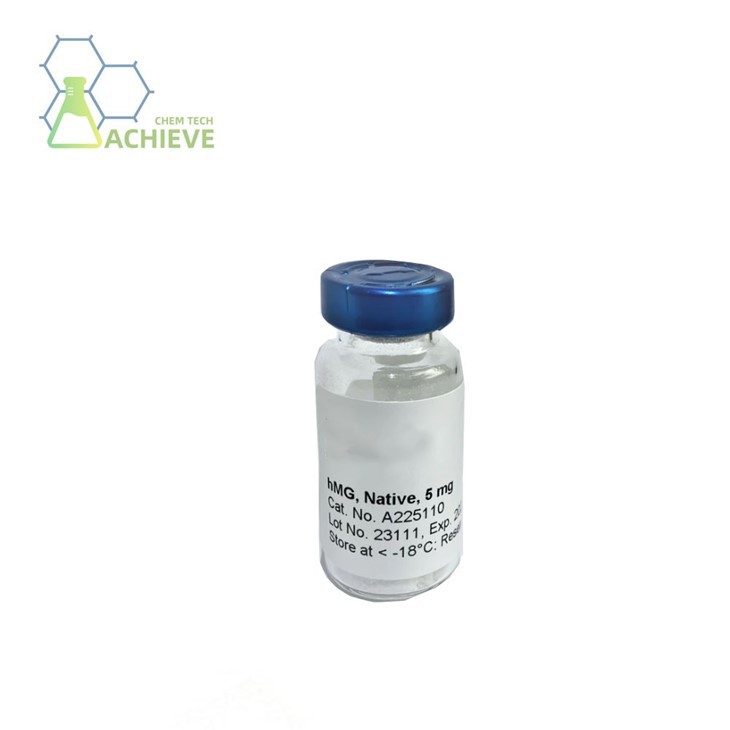
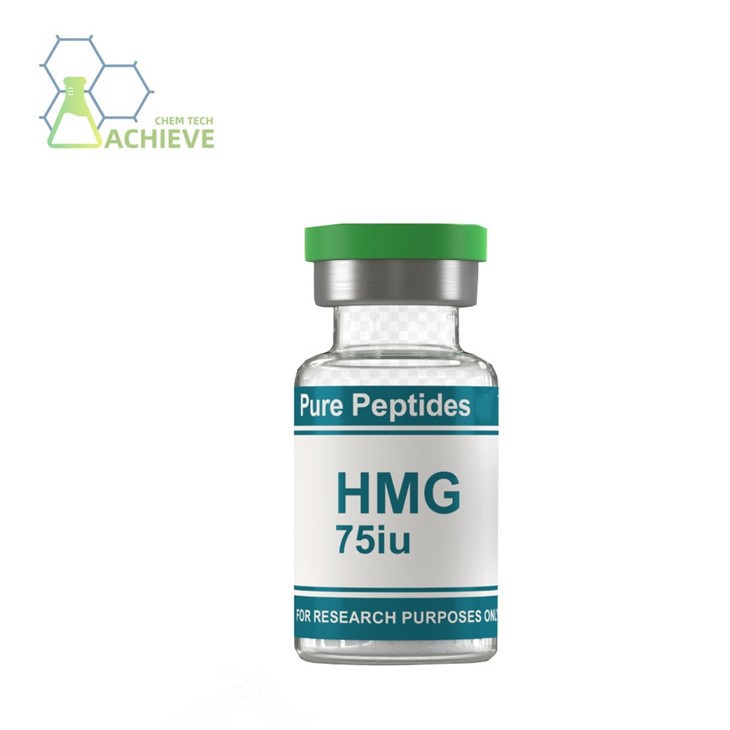
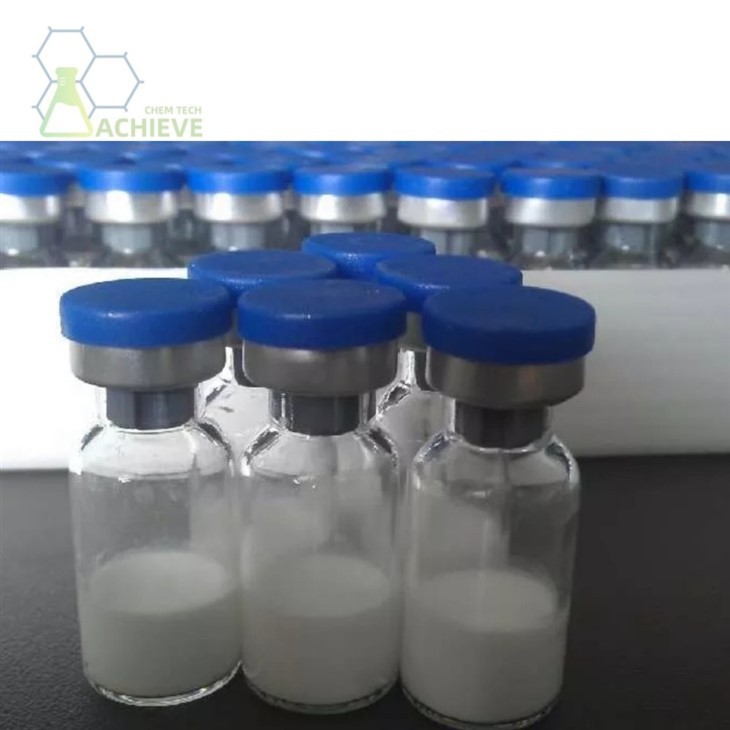
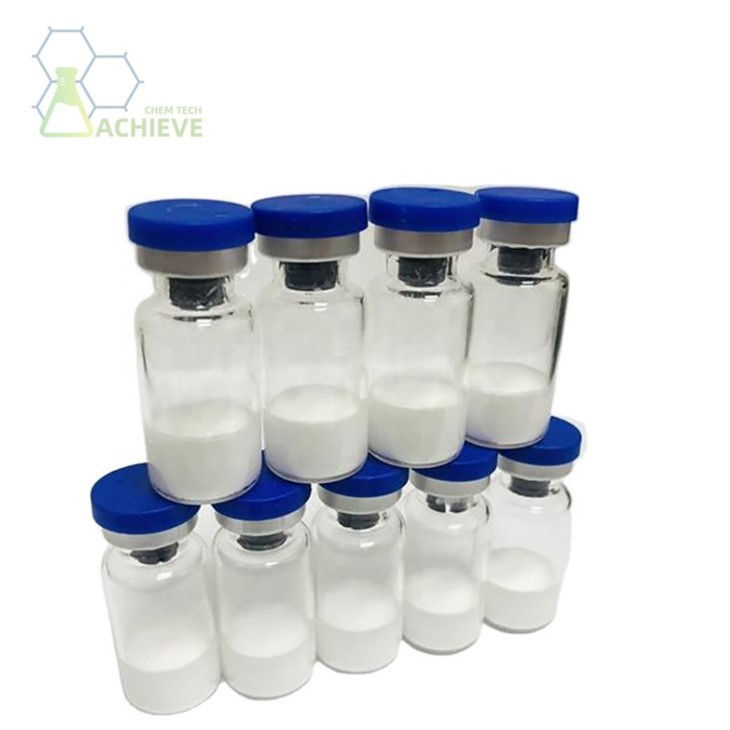
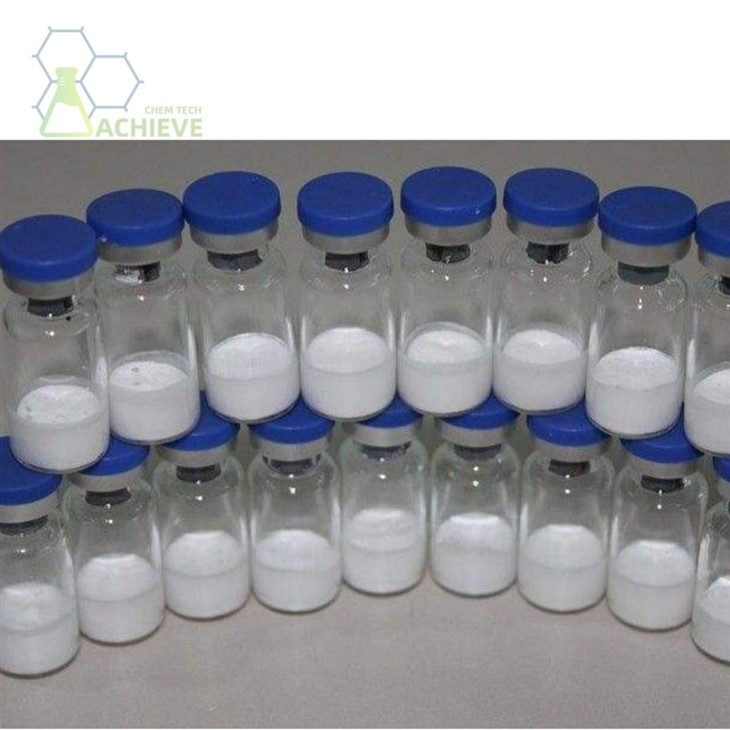
Shaanxi BLOOM Tech Co., Ltd. is one of the most experienced manufacturers and suppliers of hmg peptide in China. Welcome to wholesale bulk high quality hmg peptide for sale here from our factory. Good service and reasonable price are available.
HMG Peptide in the medical field mainly refers to human menopausal gonadotropin, which is a gonadotropin preparation extracted from the urine of postmenopausal women. It contains two natural hormone components, follicle stimulating hormone (FSH) and luteinizing hormone (LH), and is made by extracting gonadotropins from the urine of postmenopausal women. It can promote follicle development and maturation, produce estrogen, and cause endometrial hyperplasia in women.
Combined with chorionic gonadotropin (hCG), it can simulate the peak of luteinizing hormone and promote the final maturation of oocytes; For males, it can promote the development of testicular seminiferous tubules, facilitate the division of spermatogenic cells, and promote sperm maturation. Improve the sperm production ability of patients with hypogonadotropic hypogonadism.
At the same time, our company not only provides pure powders, but also tablets and injections. If needed, please feel free to contact us at any time.
Our products


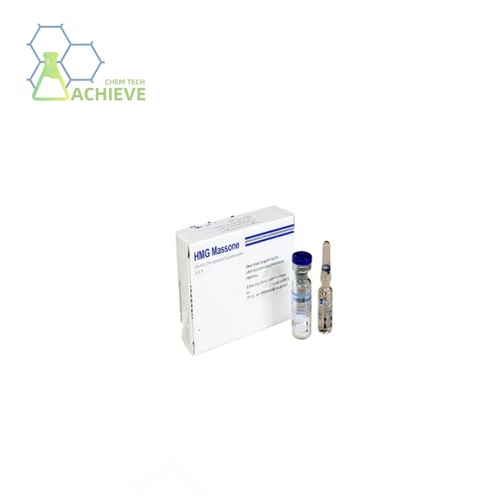



| Product Name | HMG Peptide | HMG Tablets | HMG Injection 75iu |
| Product Type | Powder | Tablet | liquid |
| Product Purity | ≥99% | ≥99% | ≥99% |
| Product Specifications | 100g/1kg/etc. | 10mg/20mg/40mg/80mg | 33μg/75μg/150μg |
| Product Form | Organic synthesis | Take Orally | Organic synthesis |
 |
 |
HMG COA
 |
||
| Certificate of Analysis | ||
| Compound name | Human Menopausal Gonadotrophin | |
| Grade | Pharmaceutical grade | |
| CAS No. | 61489-71-2 | |
| Quantity | Customize | |
| Packaging standard | Customize | |
| Manufacturer | Shaanxi BLOOM TECH Co., Ltd | |
| Lot No. | 202601090037 | |
| MFG | Jan 9th 2026 | |
| EXP | Jan 8th 2029 | |
| Item | Enterprise standard | Analysis result |
| Appearance | White or almost white powder | Conformed |
| Water content | ≤5.0% | 0.37% |
| Loss on drying | ≤1.0% | 0.27% |
| Heavy Metals | Pb≤0.5ppm | N.D. |
| As≤0.5ppm | N.D. | |
| Hg≤0.5ppm | N.D. | |
| Cd≤0.5ppm | N.D. | |
| Purity (HPLC) | ≥99.0% | 99.80% |
| Single impurity | <0.8% | 0.46% |
| Total microbial count | ≤750cfu/g | 80 |
| E. Coli | ≤2MPN/g | N.D. |
| Salmonella | N.D. | N.D. |
| Ethanol (by GC) | ≤5000ppm | 500ppm |
| Storage | Store in a sealed, dark, and dry place below 2-8°C | |
|
|
||


HMG Peptide mainly refers to human menopausal gonadotropin in the medical field. It is a gonadotropin preparation extracted from the urine of postmenopausal women, containing follicle stimulating hormone (FSH) and luteinizing hormone (LH). Based on its source, structure, and functional differences, HMG Peptide has demonstrated diverse applications in the fields of medicine, biotechnology, and scientific research. The following is a detailed explanation of its purpose:
Medical field: Reproductive health and endocrine regulation
HMG (human menopausal gonadotropin) is a mixed hormone preparation extracted from the urine of postmenopausal women, containing follicle stimulating hormone (FSH) and luteinizing hormone (LH). Its core uses include:
Treating ovulation disorders, such as polycystic ovary syndrome (PCOS) and ovarian dysfunction, by stimulating the development of multiple follicles, increasing the number of eggs retrieved at a time, and improving the success rate of in vitro fertilization (IVF).


Combination therapy regimen: In IVF, HMG is usually used in combination with chorionic gonadotropin (HCG). HMG is used early in the ovulation induction cycle to stimulate follicle growth; HCG triggers ovulation after follicle maturation and supports luteal function, maintaining progesterone levels in early pregnancy.
Research has shown that HMG treatment can significantly improve the number of retrieved eggs and clinical pregnancy rate in patients with poor ovarian response. HMG also promotes estrogen secretion, stimulates endometrial hyperplasia, and provides a suitable environment for embryo implantation. This mechanism is particularly important in patients with recurrent implantation failure (RIF), as HMG pretreatment can improve endometrial receptivity and increase embryo implantation rate.

Male infertility treatment

HMG Peptide can stimulate the development of testicular seminiferous tubules, promote spermatogonial division and sperm maturation, and is suitable for oligospermia, asthenozoospermia, or azoospermia caused by hypogonadotropic hypogonadism (such as Kallmann syndrome). A study on 50 male infertility patients showed that after 6 months of HMG treatment, sperm concentration increased from (2.1 ± 1.5) × 10 ⁶/mL to (12.3 ± 3.7) × 10 ⁶/mL, and sperm motility increased from 25% to 58%. For some patients with hypogonadism, the combination of HMG and testosterone can synergistically promote sperm production, while improving libido and erectile function.
Biotechnology field: Targeted drug delivery and disease treatment
THP is a type of short peptide (usually composed of 5-30 amino acids) that can specifically recognize tumor cell surface receptors. It is rich in polar amino acids such as cysteine (Cys) and arginine (Arg), which can enhance cell permeability. Its core uses include:
As a drug carrier, THP couples with chemotherapy drugs, nanoparticles, or cytotoxic molecules to form peptide drug conjugates (PDCs), achieving tumor targeted delivery. For example, iRGD peptide (CRGDR/KGPDC) can combine with paclitaxel to significantly improve the tumor inhibition rate of breast cancer model mice.


Enhanced tissue penetration: iRGD activates the endocytosis pathway by binding to neurofibrillin-1, increasing drug penetration in tumor tissue, regardless of whether it is conjugated with the drug or not. THP can be used as a fluorescent imaging probe to specifically bind to tumor cells, improving detection sensitivity and specificity. For example, the NWMINKEC peptide is used for renal cancer imaging, and the GEBP11 peptide is used for gastric cancer imaging. THP can target tumor metastatic cells and inhibit their invasion and migration. For example, TMTP1 peptide has high affinity for prostate cancer and lung cancer metastatic cells, and can block the formation of metastatic lesions.
HMG CoA reductase is a key enzyme in cholesterol synthesis, and its inhibitors (such as statins) competitively bind to the active center of the enzyme by mimicking the HMG domain. Researchers designed competitive inhibitory peptides (such as YVAE peptide segments) and optimized their binding ability with HMG CoA reductase through structural functional analysis, providing direction for the development of novel cholesterol lowering drugs.


The lipid-lowering effect of plant derived functional peptides, such as cowpea active peptides, can reduce cholesterol synthesis by inhibiting HMG CoA reductase activity. For example, an in vitro experiment showed that treatment with cowpea peptide can reduce cholesterol synthesis in liver cells by 35%.
Research field: Structural biology and disease mechanism research
The HMG-1/-2 subfamily participates in transcriptional regulation and chromatin remodeling by binding to DNA through its L-shaped folding domain. For example, HMG-1 can bind to damage associated molecular patterns (DAMPs), activate immune responses, and play a key role in autoimmune diseases such as rheumatoid arthritis. The HMG-I/Y subfamily recruits transcription factors and regulates gene expression by binding to the AT enriched region of DNA through the AT hook motif. For example, HMG-I/Y is overexpressed in breast cancer to promote tumor cell proliferation and metastasis.


Phage display library screening: Through in vitro and in vivo screening, peptide sequences that specifically bind to target molecules can be accurately identified.
Structural modification optimization: To improve the stability of homing peptides, researchers employed modification strategies such as cyclization, N-methylation, and polyethylene glycol (PEG) conjugation. For example, cyclization can enhance pharmacological properties, while PEG conjugation can reduce renal clearance and prolong half-life.
Potential applications in the treatment of other diseases
HMG-1 (HMGB1), as a DAMP protein, can induce inflammatory responses in the extracellular space. Antibodies or inhibitors targeting HMG-1 can block its pro-inflammatory effects and are used to treat diseases such as rheumatoid arthritis and systemic lupus erythematosus. DPEP1 peptide can serve as an anti-inflammatory therapeutic target for lung and liver diseases, reducing tissue damage by regulating immune responses.


Homecoming peptides can help drugs penetrate the blood-brain barrier (BBB), bringing hope for glioma treatment. For example, tLyP-1 modified nanoparticles can mediate tumor homing and enhance the efficacy of paclitaxel in treating gliomas. Members of the HMG protein family play important roles in neurodevelopment and degenerative diseases. For example, AtHMGB15 protein is essential for Arabidopsis pollen tube growth, and its homologous protein may be involved in regulating human nervous system function.
Heart homing peptide (CHP) can target myocardial tissue, deliver therapeutic drugs, and promote myocardial repair. For example, CHP modified nanoparticles can carry vascular endothelial growth factor (VEGF), stimulate angiogenesis, and improve myocardial blood supply. Homehoming peptide coupled with anti-inflammatory drugs can target atherosclerotic plaque, inhibit inflammatory reaction and stabilize plaque.


In the magnificent development history of assisted reproductive technology (ART), there is a drug that plays an irreplaceable key role - human menopausal gonadotropin (HMG Peptide). Its name sounds professional and cold, but behind it is a journey of exploration full of chance, wisdom, and perseverance. From being regarded as useless waste to becoming the "key to life" for millions of infertile families, the discovery and application of HMG is not only a scientific victory, but also a profound interpretation and successful intervention of human reproductive mysteries.
In 1912, Austrian scientist Eugen Steinach proposed the concept of "hormones", laying the foundation for endocrinology. A core question regarding the functional regulation of the gonads (ovaries and testes) remains unresolved: what precisely commands their growth, development, ovulation, and secretion of sex hormones? The clue to the answer comes from the pituitary gland.
In the 1930s, physiologist Fuller Albright of Harvard University proposed a groundbreaking hypothesis: the anterior pituitary gland secretes a certain "gonadotropin substance" that acts as a commander-in-chief, regulating the function of the ovaries and testes by secreting hormones. Almost at the same time, Italian scientists Giuseppe Pintus, Paolo de Franciscis, and American scientists Fevold, Hisaw, and others successfully isolated substances with follicle development and ovulation promoting activity from the animal pituitary gland through animal experiments, and initially named them "gonadotropins".
In the late 1940s, two key figures made historic discoveries almost simultaneously and independently. They are Donato Perez Garcia from Italy and Carl Gemzell and Pierce from the United States, but the most commonly mentioned and systematic contributor is Carl Gemzell, the mentor of Israeli scientist Bruno Lunenfeld.
In 1947, Italian researcher Donato Perez Garcia reported the discovery of substances in the urine of postmenopausal women that could stimulate the ovaries. But this discovery did not receive widespread attention. The real breakthrough occurred in 1949. At that time, Swedish endocrinologist Carl Gemzell was devoted to studying the endocrine function of the pituitary gland. He designed a series of sophisticated experiments to inject human pituitary extract into female rats and observe changes in their ovarian weight as a biological assay for measuring gonadotropic activity.
Frequently Asked Questions
What is the benefit of HMG peptide?
+
-
HMG is a blend of follicle-stimulating hormone (FSH) and luteinizing hormone (LH), which stimulates the ovaries to produce an egg during the menstrual cycle. It's also used in men to stimulate testicular development, including sperm production.
What is HMG vs hCG?
+
-
Human chorionic gonadotropin (HCG) is commonly used in clinical practice as a substitute to luteinizing hormone (LH), and human menopausal gonadotropin (HMG) is used in the clinical setting as a replacement for follicle-stimulating hormone (FSH).
What are HMG steroids?
+
-
Human menopausal gonadotropin (hMG) is defined as a therapeutic hormone extracted from the urine of menopausal women, used primarily for inducing ovulation in anovulatory women and for stimulating multiple ovulations in normally ovulating women within assisted reproductive technology contexts.
Hot Tags: hmg peptide, suppliers, manufacturers, factory, wholesale, buy, price, bulk, for sale, Best Growth Hormone Releasing Peptide CAS 87616 84 0, LONG R3 IGF I CAS 143045 27 6, Tesamorelin CAS 218949 48 5, DecaPeptide 12 CAS 137665 91 9, Selank Peptide CAS 129954 34 3, Epitalon Powder CAS 307297 39 8