


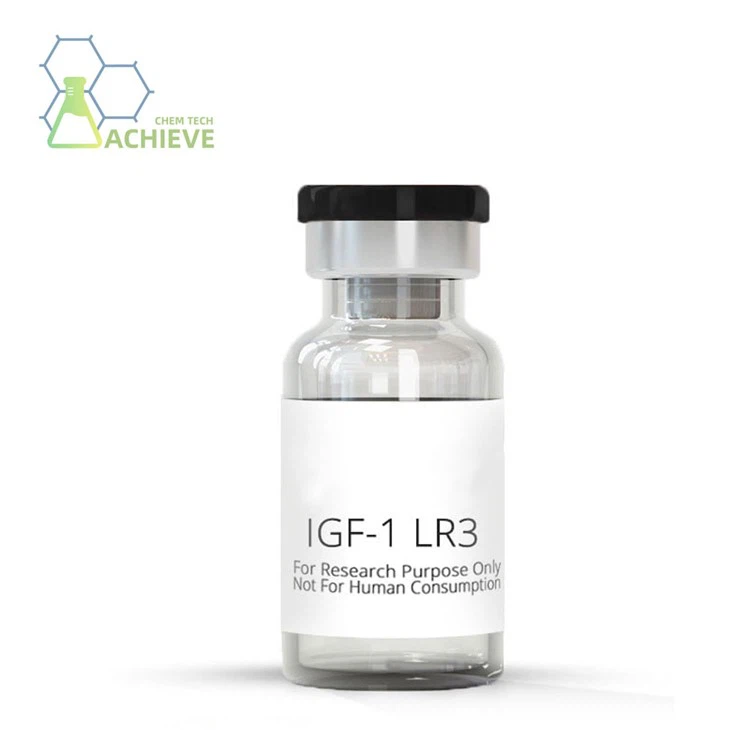

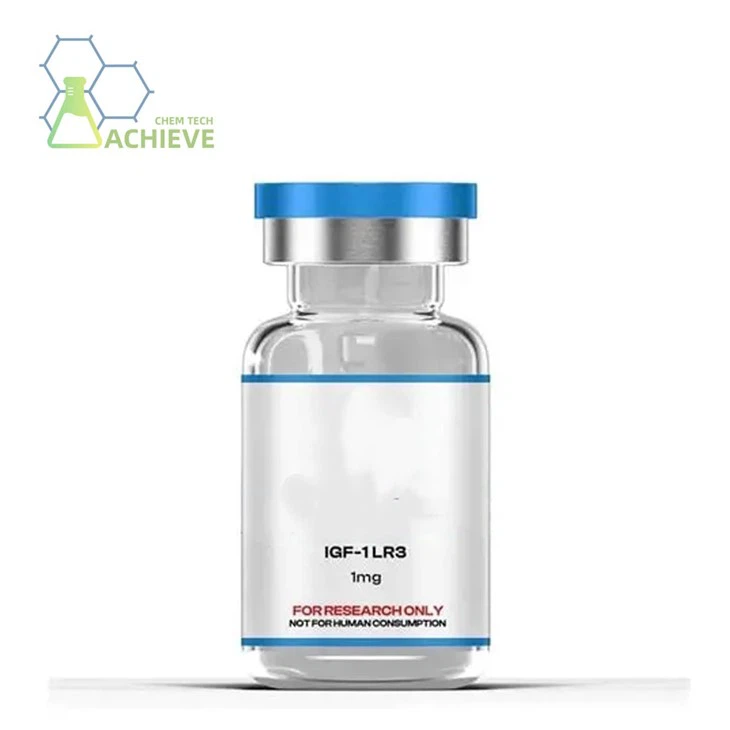
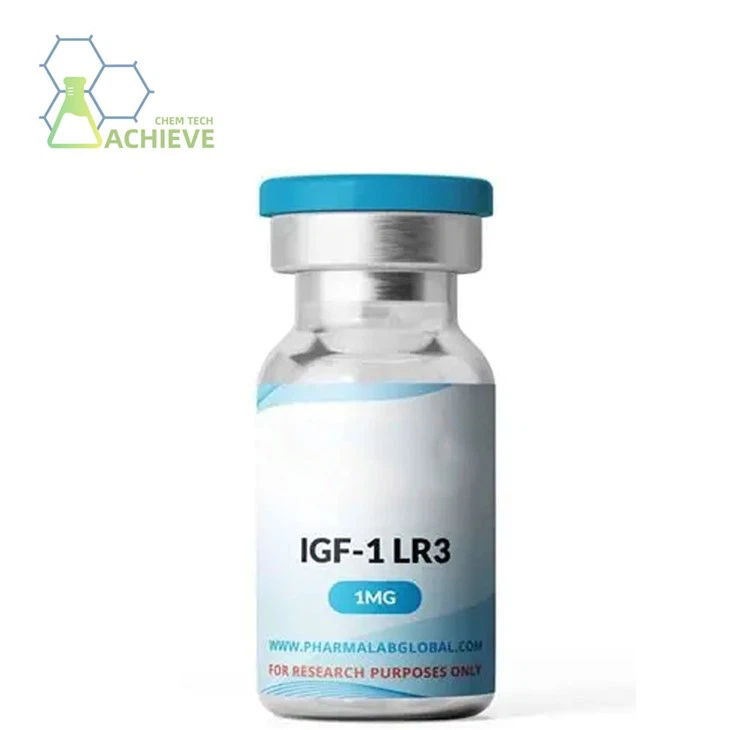
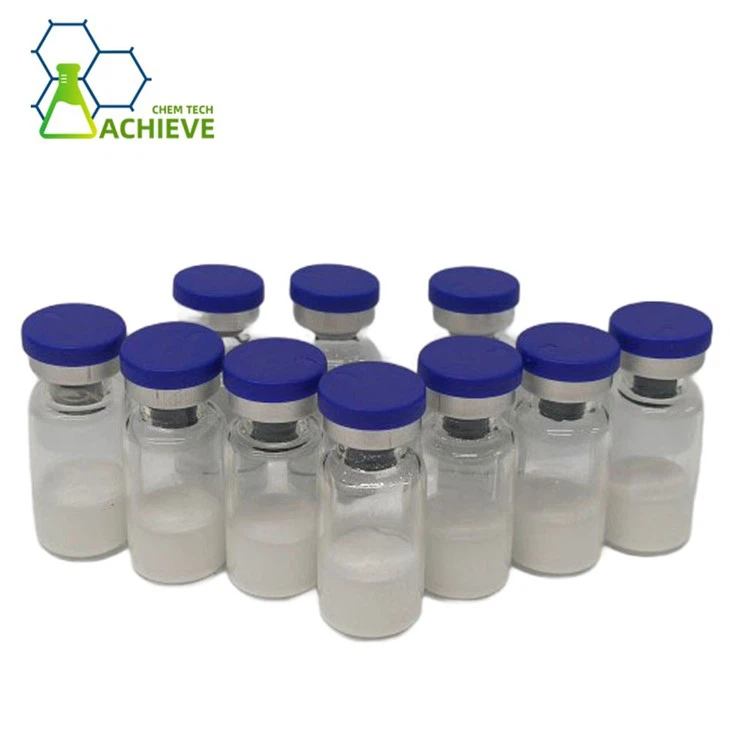


IGF 1 LR3 1mg (Long R3 Insulin like Growth Factor-1) is a synthetic derivative of insulin-like growth factor-1 (IGF-1) and belongs to the family of polypeptide growth factors. Natural IGF-1 is composed of 70 amino acids, while IGF-1 LR3 extends 13 amino acids through the N-terminus (MFPAMPLSLFLVN), increasing the total number of amino acids to 83. This extension not only increased the molecular weight (from 7.6 kDa to 9.1 kDa), but also reduced the affinity for IGF binding proteins (IGFBPs) through steric hindrance effect. The introduction of the third arginine disrupted the binding site between natural IGF-1 and IGFBP-3, increasing the free concentration of IGF-1 LR3 by about 10 times. Experimental data shows that at the same concentration, the biological activity of IGF-1 LR3 is 3-5 times that of natural IGF-1. Molecular dynamics simulations indicate that N-terminal extension stabilizes the alpha helix structure of IGF-1 LR3, enhancing its binding ability to IGF-1 receptors. This conformational optimization explains its stronger activity in promoting cell division and migration. It activates the tyrosine kinase activity of IGF-1 receptor (IGF-1R), induces downstream MAPK/ERK and PI3K/Akt pathways, promotes the expression of cell cycle proteins (Cyclin D1, E), and accelerates the transition of cells from G1 phase to Sphase.
|
|
|

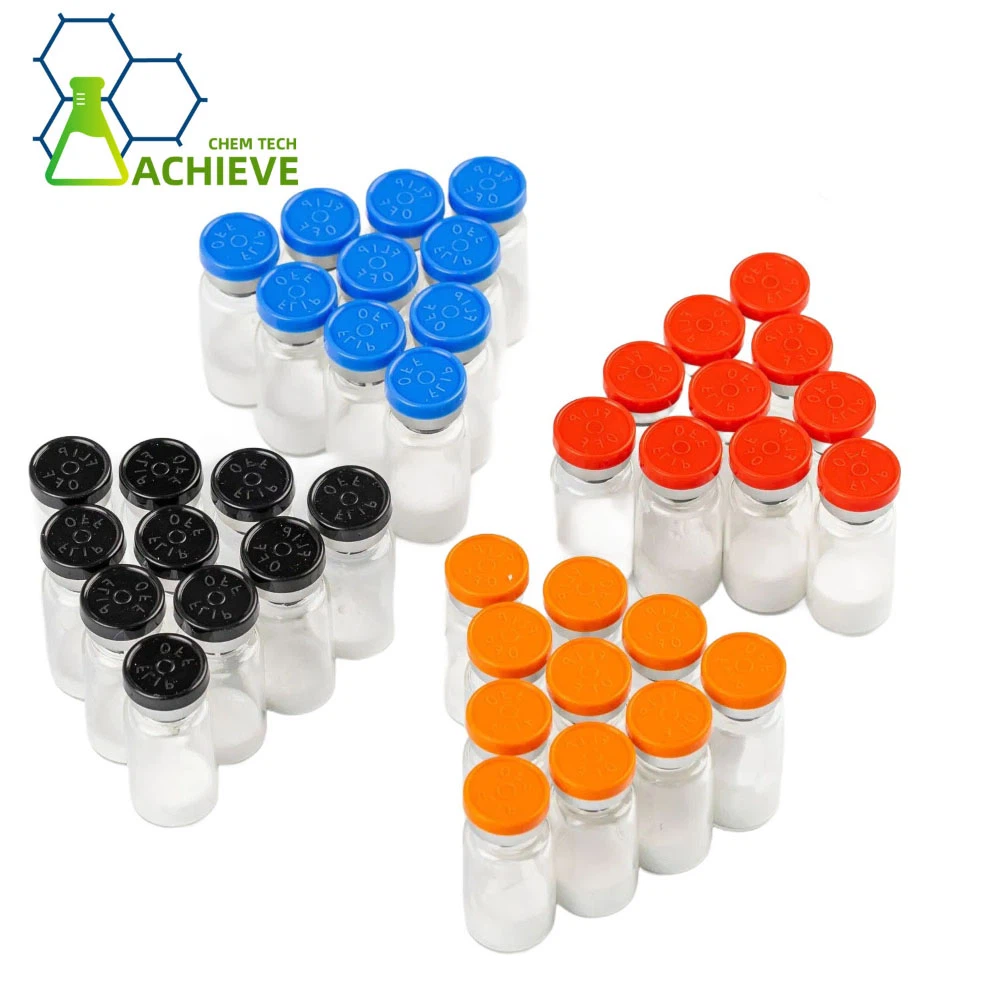


| Product Name | IGF 1 LR3 1mg | IGF 1 LR3 Tablet | IGF 1 LR3 Capsule | IGF 1 LR3 Injection | IGF 1 LR3 Spray |
| Product Type | Powder | Tablet | Capsules | liquid | Paste |
| Product Purity | ≥99% | ≥99% | ≥99% | ≥99% | ≥99% |
| Product Specifications | 100g/1kg/etc. | 5mg/10mg/20mg | 0.1mg/0.5mg/1mg | 10μg/50μg/1mg/10mg | 50μg/1mg/10mg |
| Product Form | Organic synthesis | Take Orally | Take Orally | Organic synthesis | External application |
IGF 1 LR3 COA


IGF 1 LR3 1mg (Long R3 Insulin like Growth Factor-1) is a synthetic derivative of insulin-like growth factor-1 (IGF-1), which significantly enhances its biological activity through structural modification. The "LR3" in its name has two meanings: L represents molecular weight elongation (Long), and R3 refers to the replacement of the third amino acid from glutamic acid (Glu) to arginine (Arg). This transformation demonstrates its unique value in scientific research and potential clinical applications.
Basic properties and structural characteristics of IGF-1 LR3
IGF-1 LR3 (Long-R3 Insulin like Growth Factor-1) is a recombinant modified version of insulin-like growth factor-1 (IGF-1) and belongs to the insulin gene family. Its molecular structure was optimized through genetic engineering technology: an additional 13 amino acids were added to the N-terminus of natural IGF-1 (70 amino acids, molecular weight 7.4 kDa) to form a long-chain structure of 83 amino acids (molecular weight 9.11 kDa), and the third glutamic acid (Glu) was replaced with arginine (Arg), hence the name "R3". This structural modification significantly reduces its affinity for IGF binding proteins (IGFBPs), increases the free concentration, and enhances its biological activity by more than three times compared to natural IGF-1.
As a white freeze-dried powder, IGF-1 LR3 needs to be stored and transported under light shielding and sealed conditions at 2-8 ° C to ensure its stability. Its CAS number is 946870-92-4, and its purity is usually ≥ 90% (detected by SDS-PAGE). It mainly comes from the recombinant expression system of Escherichia coli.
The core mechanism of action of IGF-1 LR3
IGF-1 LR3 activates downstream signaling pathways (such as the AKT/mTOR pathway) by binding to the IGF-1 receptor (IGF1R) on the cell surface, regulating cell proliferation, differentiation, migration, and metabolism. Its functional characteristics include:
High affinity receptor binding
The binding ability to IGF1R is comparable to that of natural IGF-1, but due to the higher free concentration, the actual biological effect is stronger.
Anti protease degradation
Structural modification reduces its sensitivity to proteases, prolongs its half-life, and prolongs its duration of action.
Enhanced organizational permeability
The increase in molecular weight does not significantly affect its ability to penetrate tissues and can still effectively act on deep cells.
main purpose
Receptor binding and activation of signaling pathways
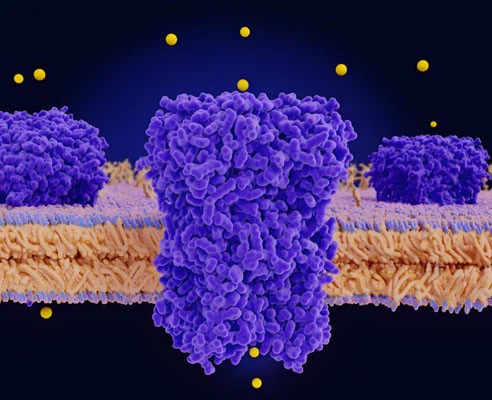
IGF-1 LR3 activates two main downstream signaling pathways by binding to the IGF-1 receptor (IGF-1R):
PI3K/Akt pathway: promotes cell survival, glucose metabolism, and protein synthesis.
RAS/MAPK pathway: drives cell proliferation and differentiation.
Experimental data shows that the affinity of IGF-1 LR3 for IGF-1R is twice that of natural IGF-1, and its affinity for insulin receptor (IR) is reduced by 100 times, reducing the risk of hypoglycemia.


Anti apoptosis and tissue repair
Inhibition of apoptotic signaling: Upregulation of Bcl-2/Bax ratio, inhibition of Caspase-3 activation, and reduction of cell death induced by UV or oxidative stress.
Promoting tissue regeneration: In myocardial infarction models, IGF-1 LR3 can reduce myocardial cell apoptosis rate by 40% and accelerate wound healing.
Protein synthesis and muscle growth
Activation of mTOR pathway: enhances phosphorylation of ribosomal S6 kinase (S6K1) and accelerates protein translation initiation.
Muscle cell proliferation: In C2C12 myoblasts, 10 ng/mL IGF-1 LR3 can increase cell proliferation rate by 300%.
Satellite cell activation: promotes the differentiation of muscle stem cells into mature muscle fibers and increases muscle cross-sectional area.

Muscle atrophy and sports medicine research&Wound healing and tissue engineering
Indications: muscular dystrophy, AIDS related muscle consumption, muscle atrophy caused by long-term bed rest.Experimental Design:Animal model: Rats were subcutaneously injected with 0.1-0.3 mg/kg IGF-1 LR3, three times a week for 12 weeks, and the results showed a 15-20% increase in muscle strength.Cell experiment: In the myotube culture system, IGF 1 LR3 1mg can induce upregulation of myosin heavy chain (MyHC) expression and promote muscle fiber type transformation.
Potential mechanism: By inhibiting the expression of myostatin, negative regulation of muscle growth can be relieved.Diabetes foot ulcer: local application of IGF-1 LR3 gel (0.1 mg/cm ²) can accelerate wound closure, and its mechanisms include:Stimulate fibroblast migration and collagen synthesis.Promote the secretion of vascular endothelial growth factor (VEGF) and improve local blood supply.


Neuroprotection and brain injury repair&Research on metabolic disease models
Cerebral ischemia model: After occlusion of the middle cerebral artery (MCAO) in rats, injection of IGF-1 LR3 (10 μ g/kg) into the lateral ventricle can:
Reduce the area of neuronal death by 30%.
Improve neurological deficit score (NSS).
Mechanism study: By activating the PI3K/Akt pathway, inhibiting GSK-3 β activity, and reducing tau protein hyperphosphorylation.
adverse reaction
Metabolic disorders: a double-edged sword of blood glucose fluctuations
IGF-1 LR3 promotes glucose uptake by activating the PI3K/Akt pathway, while inhibiting liver glucose output. Its hypoglycemic effect is significantly stronger than that of natural IGF-1. High dose (≥ 0.5 mg/kg/d) or long-term use may lead to hypoglycemia, especially in patients with diabetes or insulin resistance. Preclinical studies have shown that after injection of IGF-1 LR3 in rats, blood glucose levels can decrease by 40%, and the duration is longer than insulin (24 hours vs. 6 hours). Although the severity of hypoglycemia is usually lower than insulin, repeated episodes may lead to cognitive impairment or cardiovascular events.


Insulin resistance and hyperglycemia
Long term use of IGF-1 LR3 may suppress growth hormone (GH) secretion through negative feedback, leading to decreased insulin sensitivity. Animal experiments have shown that rats treated with IGF-1 LR3 (0.3 mg/kg/d) for 8 consecutive weeks have a 2-fold increase in fasting insulin levels and a 1.8-fold increase in HOMA-IR index. In addition, IGF-1 LR3 may promote fat breakdown by activating the MAPK pathway, leading to increased levels of free fatty acids and further exacerbating insulin resistance, forming a vicious cycle.
Abnormal lipid metabolism
The effect of IGF-1 LR3 on lipid metabolism is dose-dependent. Low dose (0.1 mg/kg/d) can promote fat breakdown, reduce serum triglycerides (TG) and low-density lipoprotein cholesterol (LDL-C); However, high doses (≥ 0.5 mg/kg/d) may activate the SREBP-1c pathway, increase liver fat synthesis, and lead to hypertriglyceridemia and fatty liver. Preclinical studies have shown that after 12 weeks of using IGF-1 LR3 (0.8 mg/kg/d) in obese rats, liver fat content increased by 35% and serum TG levels increased by 50%.

Tumor Risk: The Dark Side of Growth Promoting Effects

Cell proliferation and anti apoptotic effects
IGF-1 LR3 activates the IGF-1R/PI3K/Akt pathway, inhibits the expression of key apoptotic proteins such as Caspase-3 and Bax, and promotes the synthesis of cell cycle proteins such as Cyclin D1, thereby accelerating cell proliferation. In vitro experiments showed that 10 ng/mL IGF-1 LR3 could increase the proliferation rate of breast cancer MCF-7 cells by three times, and reduce the sensitivity of chemotherapy drugs (such as paclitaxel) by 40%.
Association between cancer incidence rate and mortality
Large scale epidemiological studies have shown that serum IGF-1 levels are positively correlated with the risk of breast cancer, prostate cancer and colorectal cancer. A prospective cohort study involving 100000 subjects found that the risk of breast cancer increased by 25% (HR=1.25, 95% CI 1.06-1.47) and the risk of prostate cancer increased by 31% (HR=1.31, 95% CI 1.09-1.57) in the highest quintile of IGF-1.


Tumor progression and metastatic potential
IGF-1 LR3 can promote tumor cell invasion and metastasis by upregulating the expression of matrix metalloproteinases (MMP-2/9). Animal experiments have shown that mice inoculated with lung cancer A549 cells treated with IGF-1 LR3 (0.2 mg/kg/d) showed a 2-fold increase in the number of lung metastatic nodules and a 30% reduction in survival time. In addition, IGF-1 LR3 may enhance tumor stem cell characteristics by inducing epithelial mesenchymal transition (EMT), leading to increased chemotherapy resistance and recurrence risk.
Future research directions and challenges
Development of new derivatives
Local delivery system: study the complex of IGF 1 LR3 1mg and hydrogel or nanoparticles to achieve targeted release and reduce systemic side effects.
Structural optimization: Further reduce IGFBP binding ability through site directed mutagenesis, or introduce transmembrane peptides to enhance tissue penetration.
Clinical application expansion
Neurodegenerative Diseases: Exploring the Neuroprotective Role of IGF-1 LR3 in Alzheimer's and Parkinson's Diseases.
Anti aging research: Observation of the intervention effect of IGF-1 LR3 on age-related muscle atrophy and metabolic disorders.
Challenges and Countermeasures
Safety assessment: Long term toxicity testing (≥ 6 months) is required to clarify carcinogenicity and reproductive toxicity.
Individualized medication: Study the pharmacokinetic differences of IGF-1 LR3 in patients with different genotypes (such as IGF1R polymorphism).
Frequently Asked Questions
What is IGF-1 LR3 1mg used for?
+
-
IGF‑1 LR3 is a modified analog of IGF‑1 with a longer half‑life, offering sustained activity (20–30 hours) and higher potency than native IGF‑1. It promotes muscle growth, fat breakdown, skin regeneration, and recovery, making it appealing for aesthetic and anti-aging protocols.
Is IGF-1 safe for bodybuilding?
+
-
Given its potentially adverse effects, ranging from disruption of the insulin system to cancer, the exogenous augmentation of IGF-I is not an attractive or effective method of increasing muscle mass or function.
How risky is IGF-1 LR3?
+
-
IGF-1 LR3 is a potent synthetic peptide that carries significant health dangers, primarily because it is highly bioactive and engineered to resist rapid breakdown in the body. The most severe risks include promoting the growth of existing cancers, severe hypoglycemia (low blood sugar), and acromegaly (abnormal bone and organ growth).
Is IGF-1 good or bad for you?
+
-
Whether Insulin-like Growth Factor 1 (IGF-1) is "good" or "bad" depends entirely on your age, health status, and whether the levels are natural or artificially elevated. It is not inherently one or the other, but rather a potent hormone that must be carefully balanced.
Hot Tags: igf 1 lr3 1mg, suppliers, manufacturers, factory, wholesale, buy, price, bulk, for sale, Melanotan 2 Powder, DecaPeptide 12 CAS 137665 91 9, Selank Peptide CAS 129954 34 3, LONG R3 IGF I CAS 143045 27 6, Kisspeptin powder, Best Growth Hormone Releasing Peptide CAS 87616 84 0