


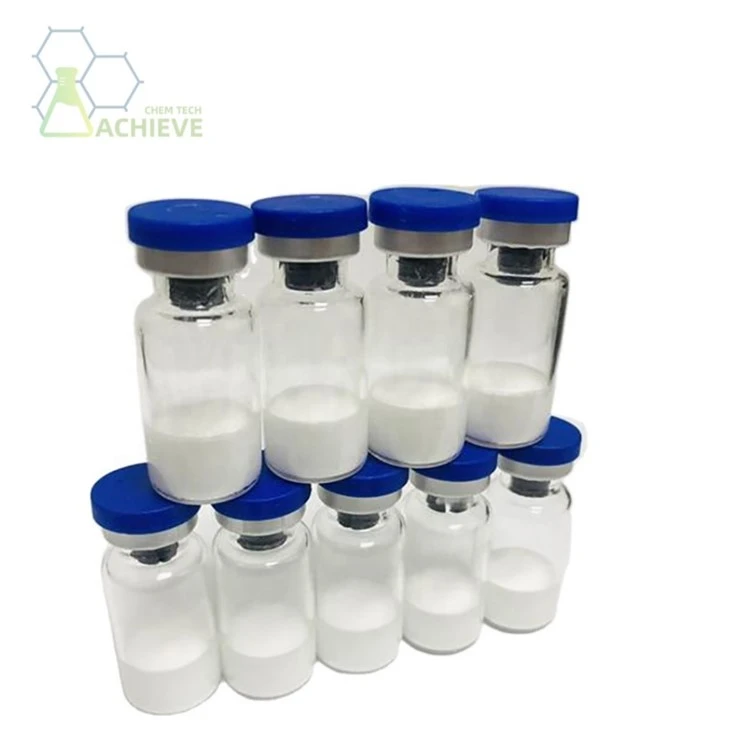

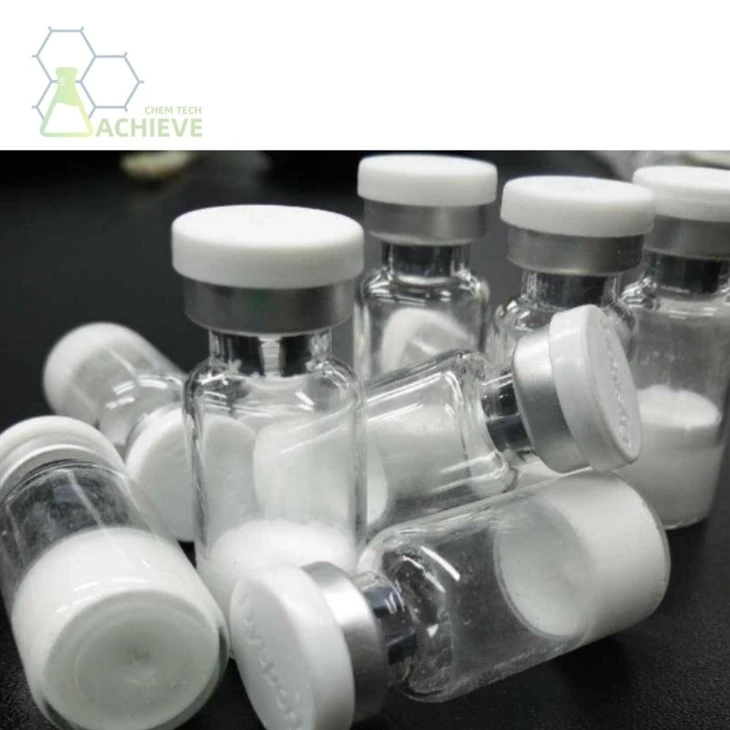
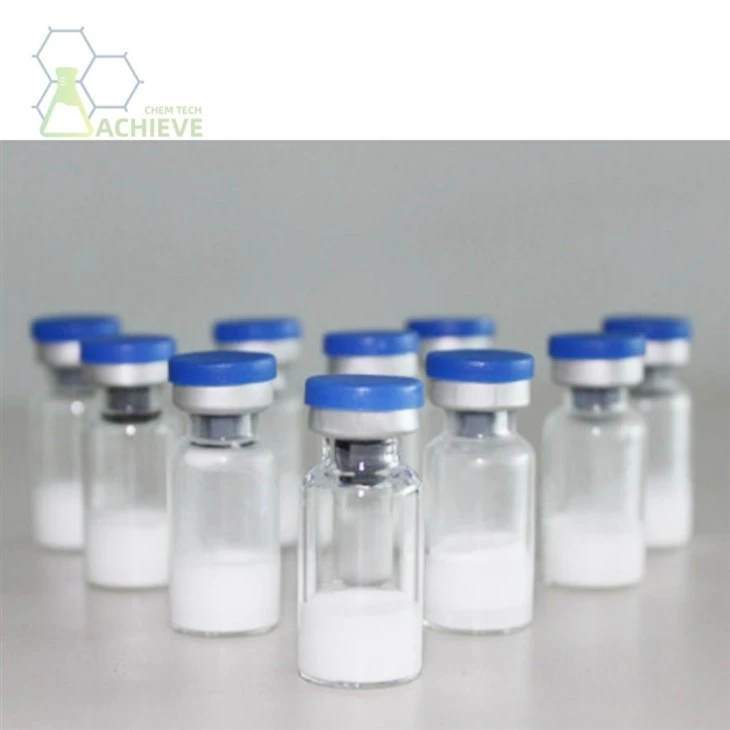
Shaanxi BLOOM Tech Co., Ltd. is one of the most experienced manufacturers and suppliers of oligopeptide p11-4 cas 593266-60-5 in China. Welcome to wholesale bulk high quality oligopeptide p11-4 cas 593266-60-5 for sale here from our factory. Good service and reasonable price are available.
Oligopeptide P11-4, as an oligopeptide, is structurally composed of multiple amino acid residues connected by peptide bonds, forming a relatively short peptide chain. This structure gives it high stability and biological activity. In addition, its specific amino acid sequence also determines its unique biological function. Usually exhibits good water solubility. Due to the presence of hydrophilic groups such as carboxyl and amino groups in its molecular structure, it can form hydrogen bonds with water molecules, thus stabilizing its existence in water.
This good solubility helps to quickly distribute and function within the organism. The charge state depends on its amino acid sequence and the environment it is in. At physiological pH values, it may carry a certain positive or negative charge, which facilitates its interaction with molecules or cell surfaces with opposite charges. In addition, its charge properties may also affect its behavior in solution, such as solubility, ion strength, etc. Good biocompatibility, with no significant toxicity or side effects on the human body. This makes it a safe and effective candidate molecule in biomedical research and drug development. Through further research and optimization, it is expected to be developed into drugs or biomaterials with specific biological activities.
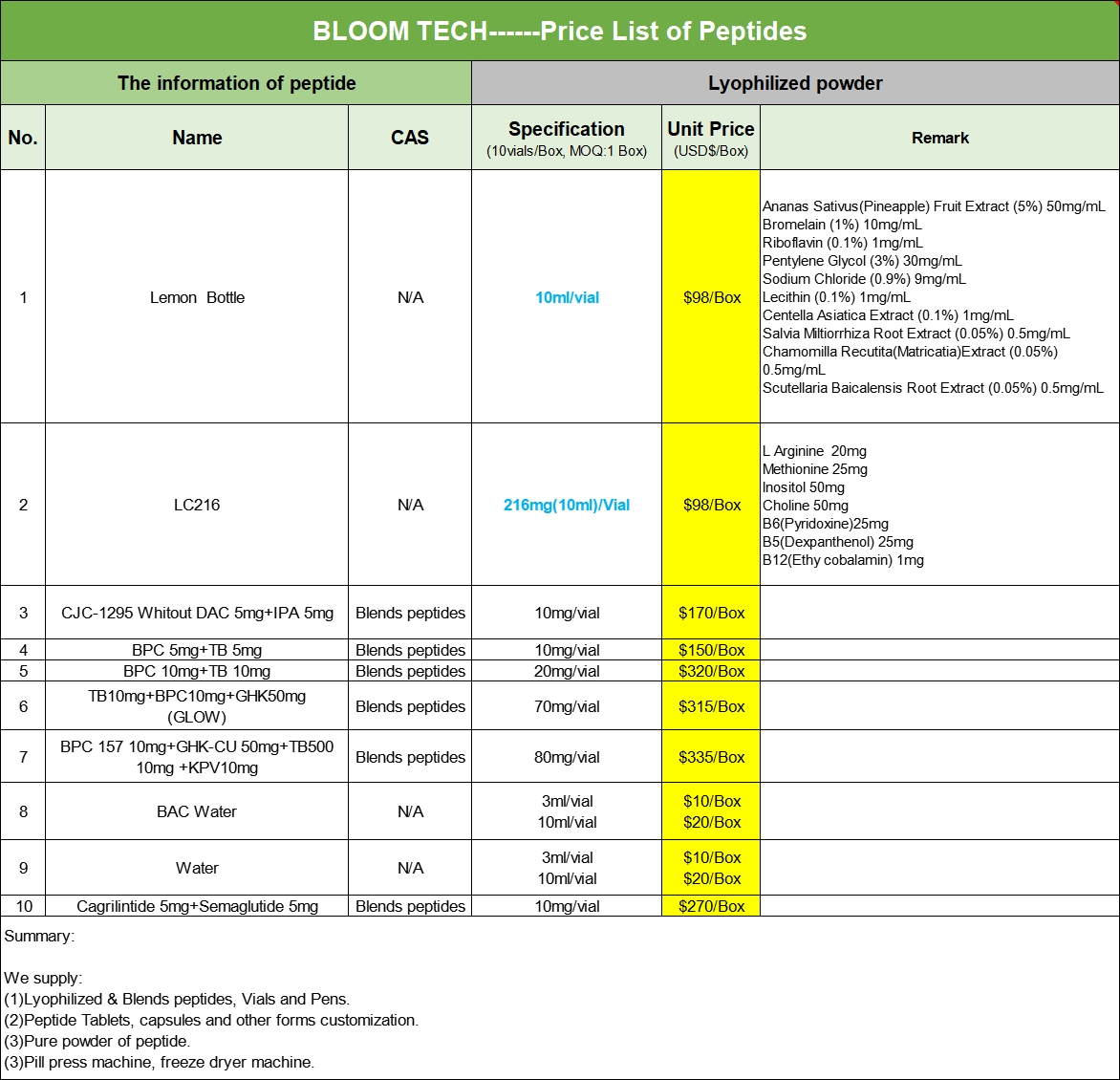
Our Products Form



Oligopeptide P11-4 COA
 |
||
| Certificate of Analysis | ||
| Compound name | Oligopeptide P11-4 | |
| Grade | Pharmaceutical grade | |
| CAS No. | 593266-60-5 | |
| Quantity | 52g | |
| Packaging standard | PE bag+Al foil bag | |
| Manufacturer | Shaanxi BLOOM TECH Co., Ltd | |
| Lot No. | 202601090088 | |
| MFG | Jan 9th 2026 | |
| EXP | Jan 8th 2029 | |
| Structure |
|
|
| Item | Enterprise standard | Analysis result |
| Appearance | White or almost white powder | Conformed |
| Water content | ≤5.0% | 0.27% |
| Loss on drying | ≤1.0% | 0.57% |
| Heavy Metals | Pb≤0.5ppm | N.D. |
| As≤0.5ppm | N.D. | |
| Hg≤0.5ppm | N.D. | |
| Cd≤0.5ppm | N.D. | |
| Purity (HPLC) | ≥99.0% | 99.80% |
| Single impurity | <0.8% | 0.59% |
| Total microbial count | ≤750cfu/g | 102 |
| E. Coli | ≤2MPN/g | N.D. |
| Salmonella | N.D. | N.D. |
| Ethanol (by GC) | ≤5000ppm | 621ppm |
| Storage | Store in a sealed, dark, and dry place below 2-8°C | |
|
|
||
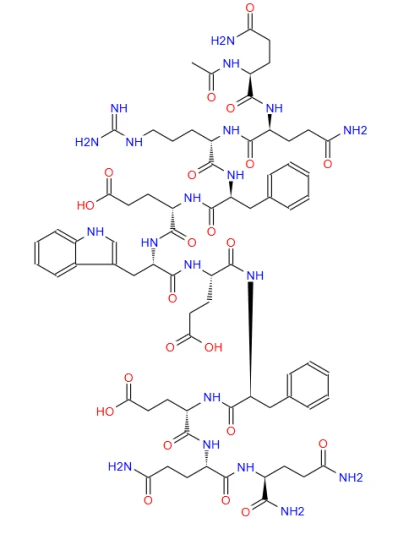


Oligopeptide P11-4 is an alpha peptide composed of 11 amino acids, with the amino acid sequence of glutamine glutamine arginine phenylalanine glutamate tryptophan glutamate phenylalanine glutamine glutamine (QQRFEWEFEQQ). The peptide can self assemble to form beta lamellar amyloid structure in low pH environment, and has unique hydrogel properties. This characteristic demonstrates significant application value in biomimetic mineralization, enamel regeneration, and oral care.

Biomimetic mineralization: a breakthrough in materials science and tissue engineering
1. Construction mechanism of biological templates
Its self-assembly ability stems from the charge distribution and hydrophobicity of its amino acid sequence. Under low pH conditions, the carboxylation of glutamic acid (Glu) reduces electrostatic repulsion, while the guanidine group of arginine (Arg) forms a β - sheet structure with the aromatic ring of phenylalanine (Phe) through hydrogen bonding, hydrophobic interactions, and π - π stacking. These β sheets are further aggregated into nanofiber networks to form three-dimensional hydrogel scaffolds.
This scaffold can serve as a nucleation site for inorganic minerals such as calcium carbonate and calcium phosphate, simulating natural biomineralization processes.
2. Synthesis of high-performance composite materials
By controlling the self-assembly conditions of the substance (such as pH, ion concentration, temperature), the morphology and crystallinity of mineral deposition can be precisely regulated.
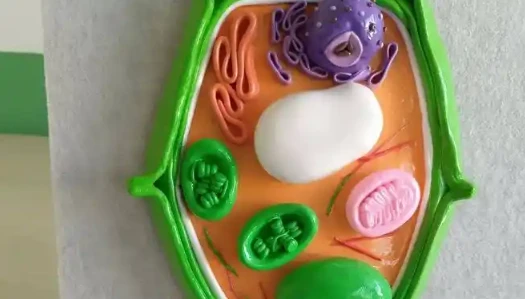
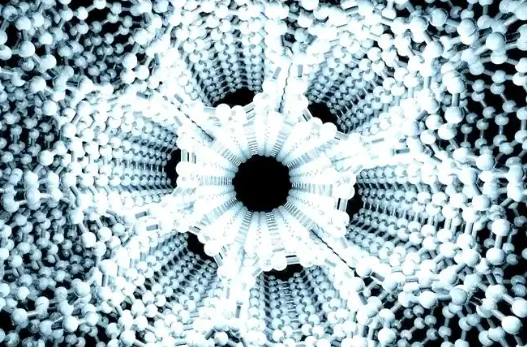
For example, in the calcium phosphate system, the hydroxyapatite crystals induced by this peptide have a nanorod structure similar to natural tooth enamel, with a compressive strength of 300 MPa, which is close to the 400 MPa of natural tooth enamel. This type of composite material has been used in the development of bone repair scaffolds, and animal experiments have shown that it can promote bone cell adhesion and proliferation, with a 40% increase in bone integration rate compared to traditional materials.
3. Exploration of the Application of Organizational Engineering
In the study of dentin regeneration, the interaction with type I collagen fibers is emphasized. This peptide can stabilize the triple helix structure of collagen and prevent its degradation under protease action. Scanning electron microscopy observation showed that on the collagen scaffold with olgopeptide P11-4 added, the thickness of mineral matrix secreted by odontoblasts increased by 2 times, and the number of mineralized nodules increased by 3 times. At present, this technology has entered the preclinical trial stage, with the goal of repairing dentin exposure caused by deep caries.
Enamel Regeneration: A Revolutionary Progress in Oral Medicine
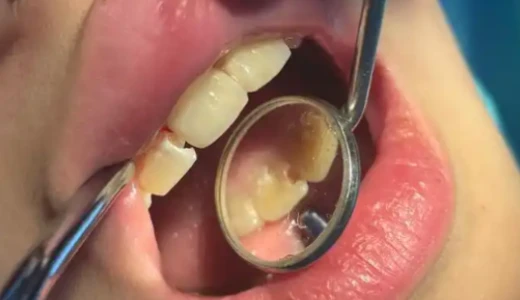
1. Minimally invasive treatment for early dental caries
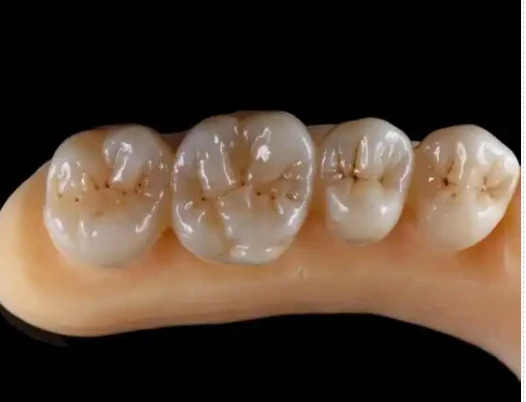
The initial manifestation of dental caries is enamel demineralization (pH<5.5), which can penetrate into the demineralized area and self assemble. The peptide scaffold formed by it simulates the function of enamel matrix proteins (such as amelogenin), attracting the deposition of calcium and phosphorus ions in saliva.
Clinical studies showed that after a single application of oligopeptide P11-4 gel (concentration 0.5mg/mL), the caries depth decreased by 0.2mm on average, and the hardness of remineralized layer reached 70% of the natural enamel. Compared with fluoride (which promotes the formation of fluorapatite), the peptide induced hydroxyapatite binds more tightly to the tooth body and reduces the incidence of secondary caries by 60%.
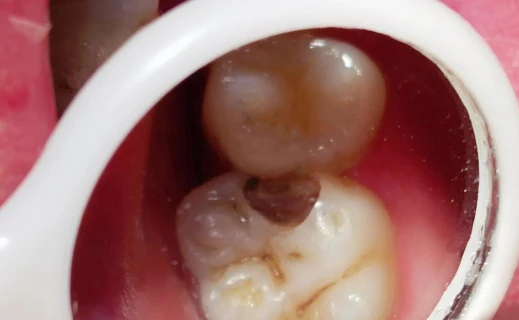
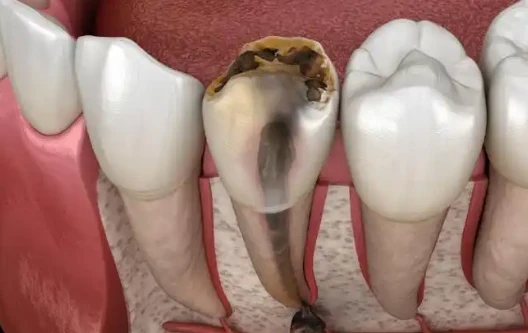
2. Repair of enamel micro damage
Functional repair of enamel surface defects caused by acid corrosion or abrasion can be achieved by forming a protective layer. In vitro experiments have shown that after the application of this peptide, the surface roughness (Ra value) of enamel decreased from 1.2 μ m to 0.3 μ m, and the wear rate decreased by 80%. The mechanism includes:
Physical barrier: the hydraulic gel layer prevents the penetration of acid substances;
Chemical binding: Glutamine residues in peptide chains form hydrogen bonds with hydroxyl groups on the surface of enamel crystals;
Mineral induction: Continuously attracting calcium ions to replenish losses.
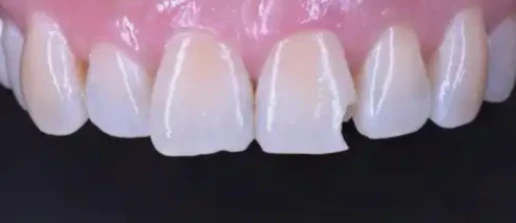

3. Optimization of combination therapy strategy
Its composite application with nano hydroxyapatite (nHA) has become a research hotspot. NHA provides the initial mineral source and guides its directional arrangement through self-assembly. Canine experiments have shown that the mineral density in the enamel defect area repaired by composite materials differs from the surrounding tissue by less than 5%, while the difference using nHA alone is up to 15%. At present, the technology has been developed into a two-component oral restoration kit, reducing clinical operation time to 10 minutes.
1. Core components of caries prevention gel
It is added to the water-based gel (concentration 0.1-0.3mg/mL) to play the role of caries prevention through the following mechanisms:
Acid buffering: Glutamic acid residues in peptide chains can neutralize oral pH, increasing plaque pH from 4.5 to 5.8;
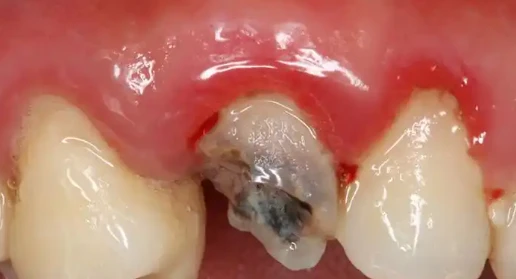

Antibacterial: Inhibits the formation of Streptococcus mutans biofilm and reduces adhesion rate by 70%;
Re mineralization: After using twice a day for 3 months, the occlusion rate of dentinal tubules reached 85%.
The clinical randomized controlled trial (RCT) included 200 patients with early caries. The results showed that the caries progression stop rate (92%) of the group using P11-4 gel containing oligopeptide was significantly higher than that of the fluoride group (78%).
2. Relief of tooth sensitivity
The opening of small tubes caused by dentin exposure is the main cause of hypersensitivity. It can penetrate into small tubes (up to a depth of 20 μ m) and form mechanical blockages after self-assembly. Laser confocal microscopy observation showed that after the application of this peptide, the diameter of the tubules decreased from 3 μ m to 0.5 μ m, and the pain threshold of air stimulation increased by 4 times. Compared with potassium nitrate (nerve desensitization), it has a faster onset of action (1 week vs 2 weeks) and no side effects such as tongue numbness.
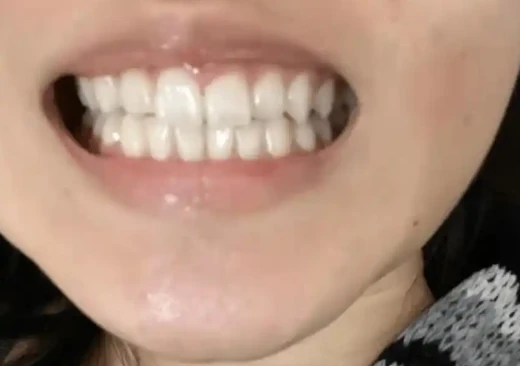

3. Development of new oral care products
Based on its research and development products, including:
Intelligent responsive toothpaste: containing pH sensitive microspheres, released at low pH levels;
Mucosal patch: used for gum damage caused by orthodontic treatment, promoting epithelial regeneration;
Mouthwash: Combined with CPC (clopidogrel chloride) to enhance antibacterial effect, reducing plaque index by 50%.
Market research shows that oral care products containing this substance have an annual growth rate of 25%, and it is expected that the global market size will exceed 500 million US dollars by 2025.

Overview of laboratory synthesis methods for oligopeptide P11-4:
Choose the appropriate amino acid sequence: Select the appropriate amino acid sequence based on the target application. Ensuring the required biological activity is the primary consideration.
Oligopeptide chains are prepared by solid-phase peptide synthesis (SPPS) or liquid-phase peptide synthesis (LPPS). Among them, solid-phase peptide synthesis is one of the commonly used methods.
During the synthesis process, it is necessary to timely remove the protective group, so that the amino acid residue exposes the active site to participate in the next reaction. Common protective groups include Fmoc, Boc, etc.
The condensation reaction between exposed amino groups and carboxyl groups to form peptide bonds. This step requires the use of coupling reagents and promoters to facilitate the reaction.
Repeat the steps of deprotection, coupling, etc. until the desired oligopeptide chain length is synthesized.
Purification and characterization: The synthesized oligopeptides were purified and characterized by methods such as high-performance liquid chromatography (HPLC) and mass spectrometry (MS). Ensuring its purity meets experimental requirements is a crucial step.
Applying synthesized oligopeptides to target fields such as biomedical research, drug development, etc. for relevant testing and evaluation.
Here is a possible example of a chemical reaction equation: taking the solid-phase peptide synthesis of two amino acid residues as an example, assuming the protective group used is Fmoc, the activator is DIEA, and the coupling reagent is BTAA.
R1-NH2+FmocCl → R1-NH-Fmoc+HCl (substitution reaction)
R1-NH-Fmoc+DIEA → R1-NH2+Fmoc DIEA (deprotection reaction)
R2-COOH+BTAA → R2-COO-BTAA (esterification reaction)
R1-NH2+R2-COOH → R1-NH-C(O)-NR2+H2O (condensation reaction)
HBr → R1-NH2+R2-COOH+N-bromoacetamide (acid hydrolysis removes protective groups to obtain oligopeptide chains)

I. Research Background of Biomimetic Mineralized Peptides (1990s)
In the 1990s, a research team from the University of Leeds in the UK focused on the biomimetic repair of tooth enamel and launched research on self-assembling polypeptide design to address the problem of dental caries demineralization.
At that time, amelogenin was known to regulate enamel mineralization, yet it faced difficulties in extraction and poor stability. Researchers therefore turned to developing artificially synthesized alternative peptides, marking the initiation of the research and development of P11-4.
II. Design and Synthesis (Early 21st Century)
At the beginning of the 21st century, based on the concept of pH-responsive self-assembly, the University of Leeds team designed the product (CAS:593266-60-5), composed of 11 amino acids with the sequence QQRFEWEFEQQ.
Containing glutamine, arginine and other amino acid residues, the peptide exists as a single molecule under neutral or alkaline conditions.
In acidic environments such as carious lesions, it spontaneously self-assembles into β-sheet nanofiber scaffolds, providing a template for hydroxyapatite crystal deposition. Led by chemists from the University of Leeds, the project completed structural optimization and patent application after 2000.
III. Industrialization and Application Expansion (After 2010)
In 2010, Credentis AG of Switzerland obtained the global authorization of P11-4 and launched oral care products such as REGENAMEL and CUROLOX for early caries restoration and enamel remineralization.
From 2015 to 2020, multiple clinical studies verified that it can significantly promote the regeneration of demineralized enamel with better efficacy than traditional fluorides and non-toxicity.
After 2020, the application of P11-4 has expanded to dentin hypersensitivity, orthodontic white spot lesions and other fields, establishing it as a benchmark molecule in biomimetic mineralized materials.
Hot Tags: oligopeptide p11-4 cas 593266-60-5, suppliers, manufacturers, factory, wholesale, buy, price, bulk, for sale, LONG R3 IGF I CAS 143045 27 6, Bremelanotide Powder CAS 189691 06 3, Melanotan 2 Powder, Best Growth Hormone Releasing Peptide CAS 87616 84 0, DecaPeptide 12 CAS 137665 91 9, Lpamorelin Powder CAS 170851 70 4