




PT-141 acetate is an innovative drug with unique chemical structure and pharmacological effects. It is a synthetic molecule consisting of three main components: an N-methyl-D-aspartate (NMDA) receptor antagonist, a 5-HT2 receptor antagonist, and a α- Adrenergic receptor agonists. These different ingredients enable them to exert analgesic effects while effectively avoiding side effects. The chemical structure of Bremelanotide acetate is unique, and its main part is an N-methyl-D-aspartate (NMDA) receptor antagonist. NMDA receptors are a very important ion channel in the nervous system, participating in many important neural processes, such as learning and memory, neural development, and nerve regeneration. Antagonising NMDA receptors can effectively inhibit the transmission of pain signals, thereby exerting analgesic effects. However, simple NMDA antagonists may have serious side effects such as mental confusion, nausea, vomiting, and dependence. Therefore, Bremelanotide acetate binds to 5-HT2 receptor antagonists and α- Adrenergic receptor agonists aim to reduce the occurrence of these side effects.


|
|
Customized Bottle Caps And Corks:
|

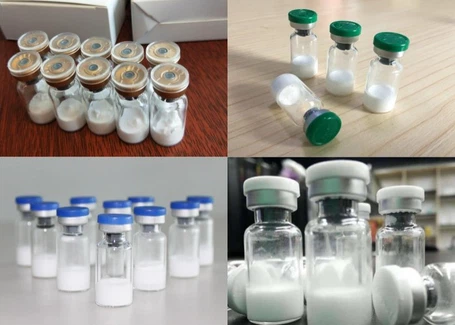

PT-141 acetate is a synthetic peptide compound based on melanocyte stimulating hormone (MSH). Its core structure is a cyclic heptapeptide, prepared by solid-phase peptide synthesis technology, with a molecular weight of 1025.18 and a white to off white powder appearance. This substance exhibits unique value in the fields of medicine, scientific research, and industry due to its highly selective activation of melanocortin receptor type 4 (MC4R).
1. Core indication: Low activity sexual desire disorder (HSDD)
PT-141 hydrochloride is the world's first drug that regulates sexual desire by activating endogenous pathways in the central nervous system, and its mechanism of action is completely different from traditional local estrogen or androgen replacement therapy. By targeting the MC4R receptor, this substance can bypass peripheral nerves and directly act on the hypothalamic pituitary gonadal axis, promoting the release of dopamine and norepinephrine, thereby enhancing sexual motivation and response.


Clinical trial data:
In the Phase I trial, premenopausal women who received a single subcutaneous injection of 1.25-20mg showed a significant increase in the frequency of sexual events (SES) score and no serious adverse reactions.
The Phase III trial showed that after 12 weeks of continuous use, the improvement rate of patients' sexual desire index (FSDS-DAO) reached 62%, which was better than the 31% in the placebo group.
Long term safety studies have confirmed that its cardiovascular risk and incidence of metabolic side effects are lower than traditional phosphodiesterase inhibitors (such as sildenafil).
2. Advantages compared to traditional therapies
Parameter PT-141 hydrochloride local hormone therapy oral PDE5 inhibitor
Target: Central nervous system MC4R, peripheral reproductive organs, corpus cavernosum smooth muscle of penis
The effective time is 30-60 minutes, and it needs to be used continuously for several weeks for 30-45 minutes
Half life 2-3 hours 24-48 hours 4-6 hours
Main side effects: nausea, facial flushing, vaginal irritation, breast cancer risk, headache, visual abnormalities
Applicable population: premenopausal/postmenopausal women, only postmenopausal women, male erectile dysfunction


3. Special scenario applications
Sexual function rehabilitation of cancer patients: the patients with breast cancer after surgery have decreased sexual desire due to endocrine therapy. PT-141 hydrochloride can significantly improve their sexual health-related quality of life (QoL), and does not interfere with the process of hormone therapy.
Spinal cord injury dysfunction: Animal experiments have shown that this substance can promote mating behavior in rats with spinal cord injury, providing a new treatment approach for neurogenic dysfunction.
Adjuvant therapy for gender identity disorders: Transgender women often experience fluctuations in sexual desire during hormone replacement therapy, and PT-141 hydrochloride can be used as an adjunct to regulate sexual motivation.
1. Neurobiological research tools
MC4R signaling pathway analysis: As a highly selective MC4R agonist, PT-141 acetate is widely used to study the role of this receptor in energy balance, anxiety behavior, and addiction mechanisms. For example, mouse experiments have shown that it can inhibit morphine induced conditioned place preference (CPP) by activating MC4R.
Sexual behavior neural circuit mapping: Combined with optogenetic technology, this substance can accurately locate the dopaminergic pathway from the ventral tegmental area (VTA) of the hypothalamus to the nucleus accumbens (NAc), revealing the neural basis of sexual motivation.


2. Skin pigmentation model
Although PT-141 hydrochloride has a low affinity for MC1R (skin pigment related receptor), it is still used to construct a melanin synthesis regulatory model. For example, in the reconstruction of epidermal models, this substance can induce the migration of melanocytes, providing an in vitro research platform for the treatment of vitiligo.
3. Drug screening and evaluation
MC4R antagonist development: As a tool drug, PT-141 hydrochloride can be used to validate the activity of novel MC4R antagonists and accelerate the development process of obesity treatment drugs.
Stability testing of peptide drugs: The reconstitution characteristics of their freeze-dried formulations (ultrasonic dissolution in water) are used as a reference standard to evaluate the storage conditions of peptide raw materials.

Industrial sector: Diversified application of high-purity raw materials

1. Production of pharmaceutical intermediates
PT-141 hydrochloride, as a key intermediate, can be used to synthesize more complex MC4R modulators. For example, long-acting sustained-release formulations can be obtained through side chain modification, with a half-life that can be extended to 12 hours, meeting the clinical need for long-term maintenance of efficacy.
2. Development of diagnostic reagents
Immunoassay standard: High purity (≥ 99%) PT-141 hydrochloride can be used as a calibration standard for ELISA kits to detect the concentration of MC4R related ligands in biological samples.
Cell culture additive: In MC4R overexpressing cell lines, this substance can maintain receptor activity and ensure the reliability of experimental results.
3. Industrial synthesis optimization
Solid phase synthesis process improvement: The preparation of PT-141 hydrochloride involves complex steps such as cyclization and deprotection. Its industrial production process (such as resin selection and cutting reagent ratio) provides technical reference for the synthesis of other peptide drugs.
Green Chemistry Practice: Using supercritical carbon dioxide as the reaction medium can reduce the use of organic solvents and lower the organic content in waste liquid by 82%, which meets environmental protection requirements.


PT-141 is a drug with a unique chemical structure and pharmacological effects, and its synthesis method is also quite complex. The following is a synthesis method of Bremelanotide acetate:
Starting material:
The starting materials for synthesizing PT-141 mainly include amino acids such as D-aspartic acid, D-alanine, glycine, N-methyl-D-aspartate and their derivatives, as well as some organic solvents and catalysts.

Synthesis steps:
1. Protecting amino acids
Firstly, it is necessary to activate the protective groups of amino acids such as D-aspartic acid, D-alanine, and glycine in order to react with other compounds. Commonly used protective groups include Boc (tert butoxycarbonyl) and Fmoc (fluorene methoxycarbonyl).
2. Activated amino acids
React the activated amino acids with other amino acid derivatives such as N-methyl-D-aspartate to generate peptide chains containing multiple amino acid residues. This step requires the use of appropriate catalysts and solvents.
3. Condensation reaction
Condensate the generated peptide chain with amino acids such as glycine to form a long chain peptide chain. This step requires the use of specific condensation reagents and catalysts.
4. Unprotection and acid cutting
After the condensation reaction is completed, the protective group of the amino acid needs to be removed and the peptide chain needs to be released from the resin. This step requires the use of appropriate deprotective agents and acid cutting reagents.
5. Purification and crystallization
Finally, the generated PT-141 needs to be purified and crystallized to remove impurities and unreacted raw materials. This step typically requires the use of various chromatographic techniques for separation and purification, as well as the use of appropriate solvents for crystallization.
Precautions:
In the process of synthesizing PT-141 Acetate, the following points need to be noted:
The quality and purity of raw materials have a significant impact on the synthesis results, therefore it is necessary to strictly control the quality and purity of raw materials.
The selection and activation degree of protective groups have a significant impact on the formation of peptide chains, so it is necessary to choose appropriate protective groups and activation conditions based on specific circumstances.
The conditions of the condensation reaction have a significant impact on the length and structure of the peptide chain, so it is necessary to choose appropriate condensation reagents and catalysts, and control the reaction conditions.
Deprotection and acid cutting are one of the key steps that affect synthesis efficiency and product quality. Therefore, it is necessary to choose appropriate deprotection agents and acid cutting reagents, and control reaction conditions.
Purification and crystallization are one of the important steps that affect product quality, so it is necessary to choose appropriate separation and purification techniques, as well as use appropriate solvents for crystallization.
In summary, the synthesis of PT-141 is a relatively complex process that requires strict control of reaction conditions and raw material quality, as well as attention to safety issues. At the same time, necessary analysis and testing are required to ensure the quality and safety of the product.
Frequently Asked Questions
Does PT-141 make you tan?
+
-
People who start on this sunless tanning peptide find their melanin in their skin darkens with use. An increased exposure to sunlight will increase the production of melanin tremendously. The peptide PT-141 is a derivative of melanotan II.
What is PT-141 made of?
+
-
Also known as Bremelanotide, PT-141 is an amino acid peptide used to treat Erectile Dysfunction (ED). PT-141 is created from the synthetic version of skin-darkening alpha-Melanocyte stimulating hormone called Melanotan 2. It binds to melanocortin receptors MC1R and MC4R.
Can I take PT-141 daily?
+
-
Dosing Frequency: Bremelanotide is intended as an as-needed (PRN) therapy, not a daily medication. The FDA guidelines (for women, which clinicians also follow for men) say no more than one dose in 24 hours, and no more than 8 doses per month.
How to mix PT-141 for nasal spray?
+
-
Mixing: - Allow refrigerated vial to warm to room temperature. - Use aseptic technique and reconstitute lyophilized powder (10mg vial) with 1ml bacteriostatic water or buffering agent. A buffered solution for reconstitution will improve stability.
What peptide is best for testosterone?
+
-
These three hormones are the main ways your body makes testosterone. Two such peptides are kisspeptin-10 and gonadorelin. In one study, kisspeptin-10 increased the average serum testosterone levels within 24 hours of injection.
Hot Tags: pt-141 acetate cas 1607799-13-2, suppliers, manufacturers, factory, wholesale, buy, price, bulk, for sale, Epitalon Powder CAS 307297 39 8, DecaPeptide 12 CAS 137665 91 9, LONG R3 IGF I CAS 143045 27 6, Best Growth Hormone Releasing Peptide CAS 87616 84 0, sermorelin powder, Lpamorelin Powder CAS 170851 70 4