


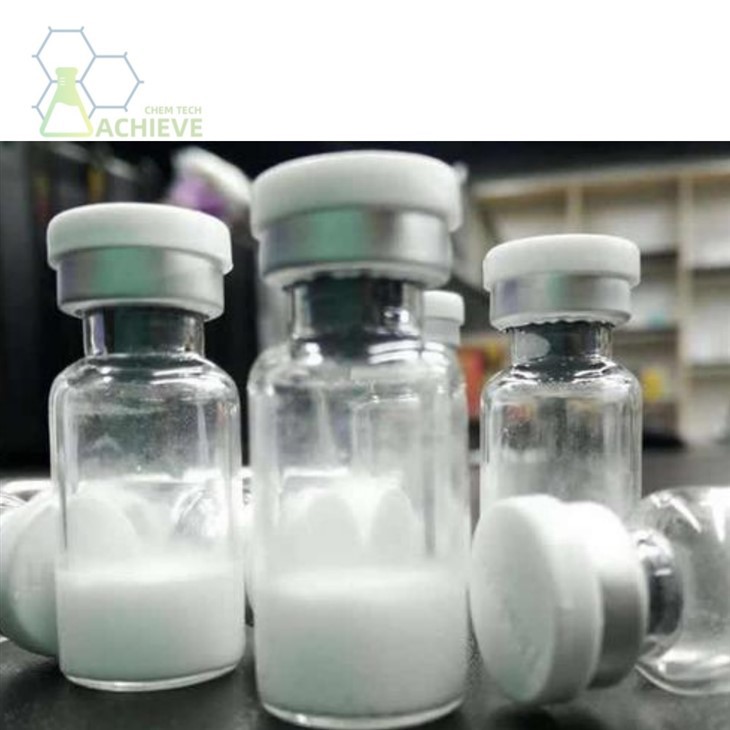

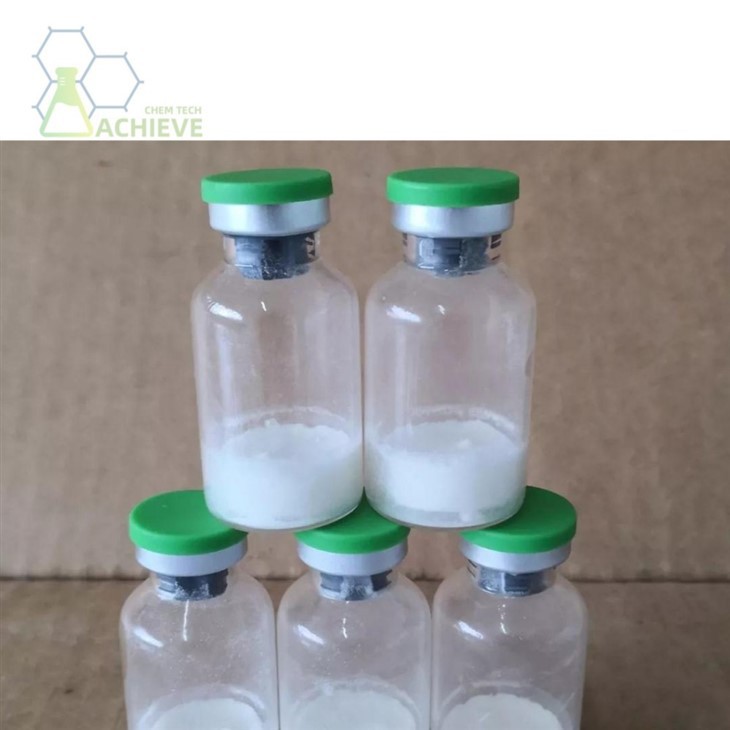
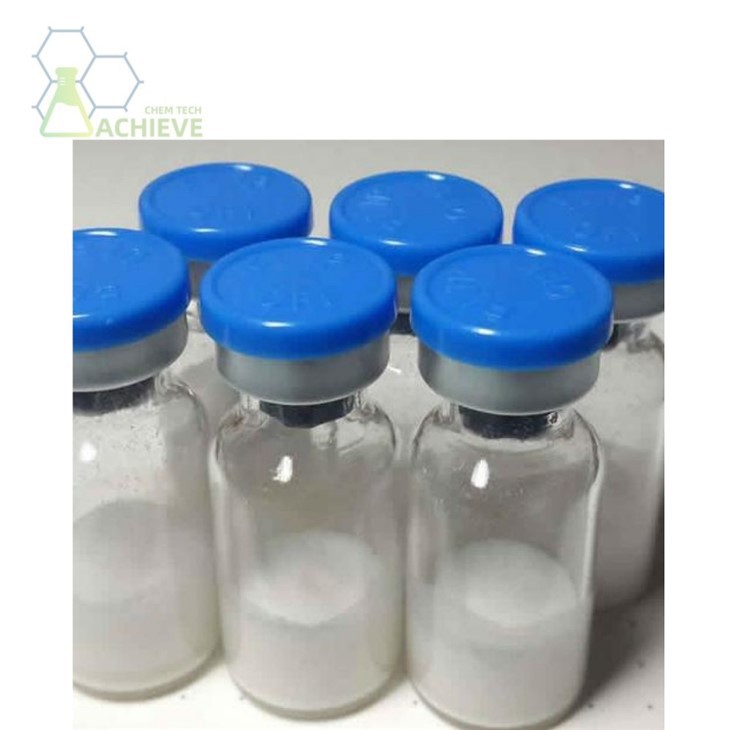

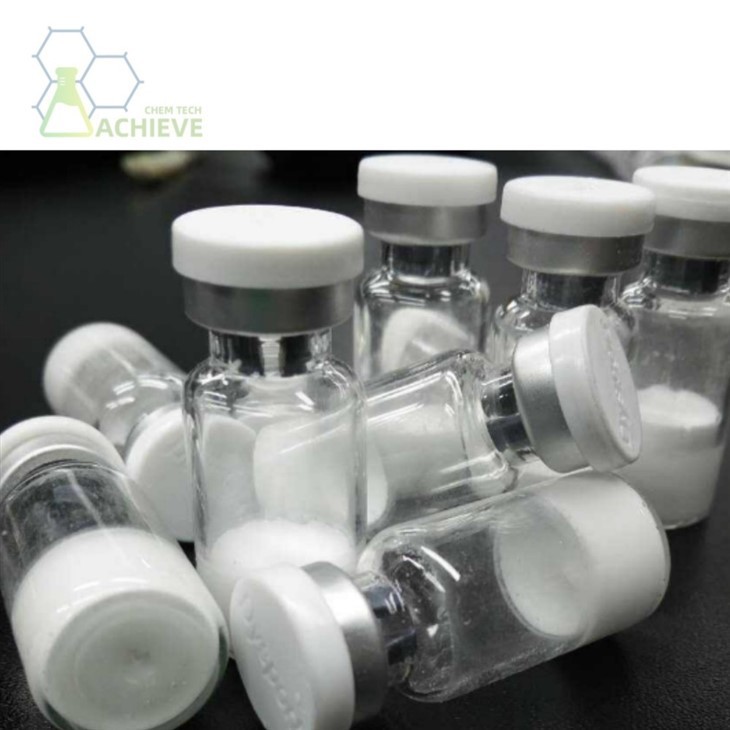
Shaanxi BLOOM Tech Co., Ltd. is one of the most experienced manufacturers and suppliers of ziconotide cas 107452-89-1 in China. Welcome to wholesale bulk high quality ziconotide cas 107452-89-1 for sale here from our factory. Good service and reasonable price are available.
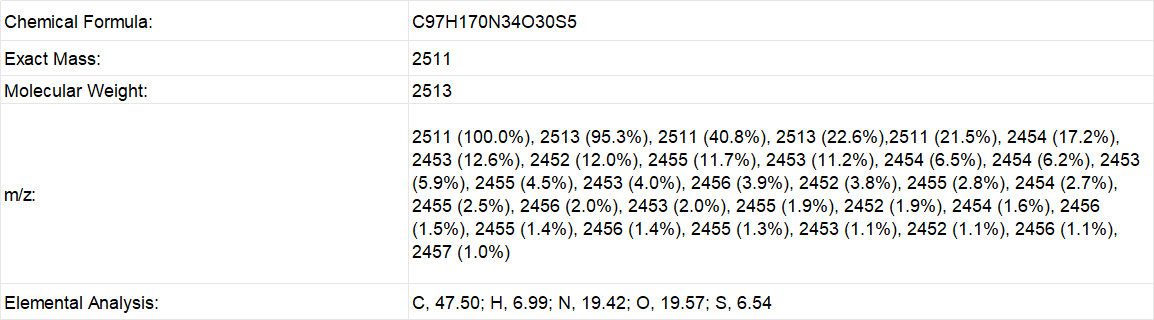
Ziconotide is a peptide drug composed of D-phenylalanine β- Ala, Gly, L-ornithine, L-tryptophan, and Cys, a total of six amino acids, were synthesized by solid-phase peptide synthesis method, and then modified, cut, purified, and freeze-dried to produce. Its molecular formula is C50H64N10O12S2, molecular weight is 1033.25, CAS 107452-89-1. It is a white or almost white loose block or powder.
Stable under acidic to neutral conditions, but may be unstable under alkaline conditions. Easy to dissolve in water and methanol, slightly soluble in ethanol, almost insoluble in ether or chloroform. Commonly used in the fields of biochemistry and medicine. It is an antibacterial drug that has inhibitory effects on various bacteria. In addition, it can also be used for in vivo structural and functional research, pharmacological research, and other aspects.
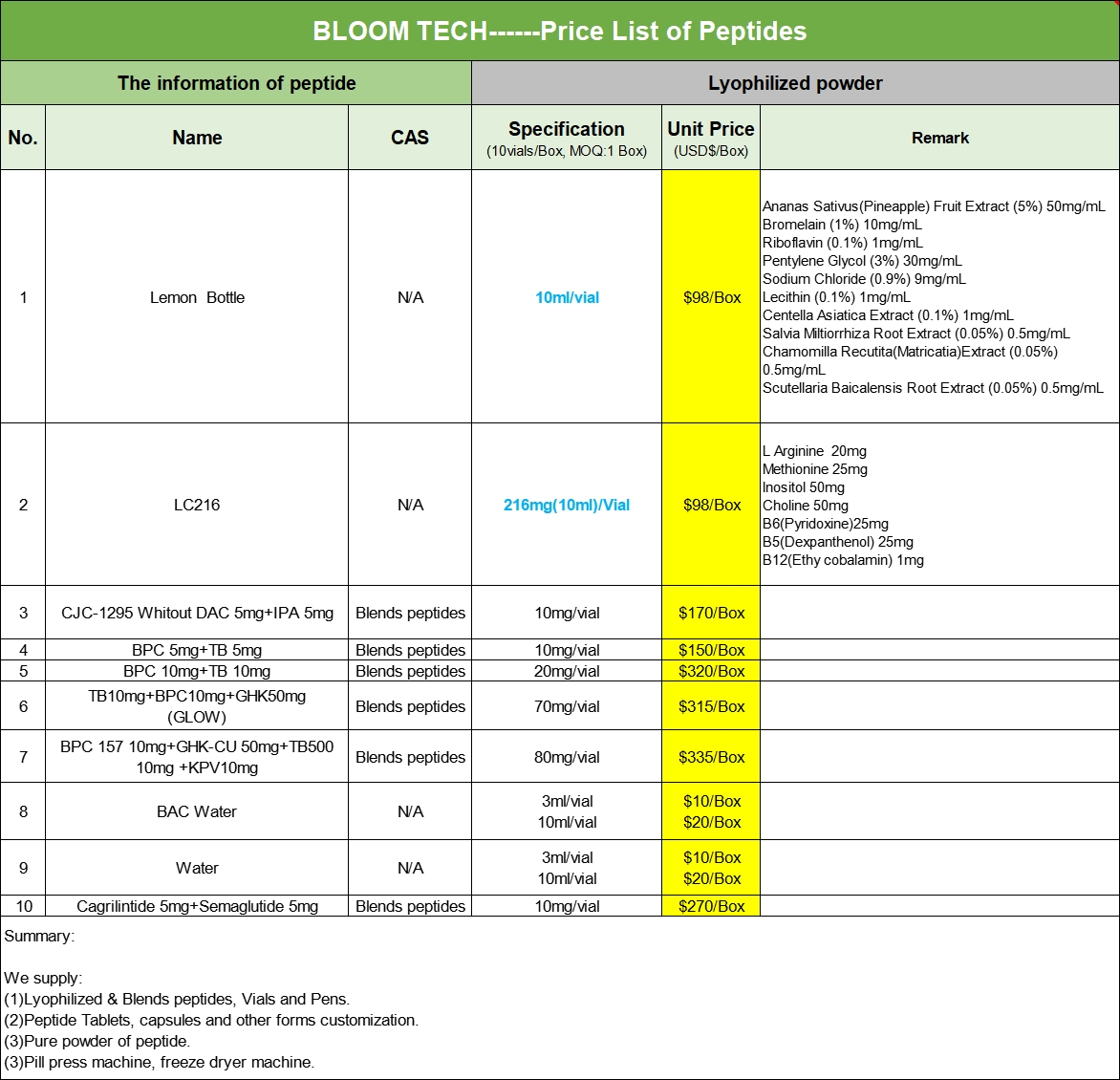
Our Products Form



Ziconotide Polyacetate COA



Ziconotide has demonstrated clear efficacy in treating a variety of refractory chronic non-cancerous severe pain conditions, adapting to common clinical types of refractory pain and providing personalized treatment options for patients. It is particularly suitable for patients who have poor responses to conventional analgesic drugs and cannot tolerate the side effects of opioids. Its unique mechanism of action makes it occupy an important position in the treatment of refractory pain.
Fibromyalgia Syndrome (FBSS) is one of its core indications. Clinical data indicates that approximately 40% of spinal surgery patients experience chronic pain lasting for more than 3 months post-surgery. Conventional treatments such as oral analgesics and physical therapy have limited efficacy, significantly impacting patients' recovery and quality of life. The product, administered via intrathecal infusion, directly targets the spinal dorsal horn pain transmission pathway, precisely blocking the transmission of pain signals to the central nervous system. It effectively alleviates postoperative residual pain and lower limb radiating pain, while reducing the dosage of opioid medications and lowering the risk of drug dependency. Consequently, it significantly improves patients' postoperative limb mobility and sleep quality.


For Complex Regional Pain Syndrome (CRPS I/II), this condition is often triggered by trauma or nerve injury, and is frequently accompanied by intense burning pain, touch-evoked pain, and limb sensory abnormalities. Conventional treatments are difficult to control the pain symptoms. It can specifically block the abnormally activated pain signal transmission, not only effectively reducing the intensity of pain but also alleviating accompanying symptoms such as limb numbness and tingling. It provides a new treatment approach for this type of refractory neuropathic pain, helping patients restore their normal life rhythm.

The chemical laboratory synthesis method of acetic acid zeconomide usually involves multiple steps, including amino acid condensation, modification, cleavage, and purification. Due to the complex chemical reactions and precise experimental conditions involved in peptide synthesis, it is necessary to have certain organic synthesis experience and professional skills. The following is a possible chemical laboratory synthesis method for the product:
1. Materials and reagents
Amino acids: D-phenylalanine β- Ala, Gly, L-ornithine, L-tryptophan, and Cys (or their thiol derivatives).
Reagents: Acetic anhydride, DCC, NMM, TFA, HPLC grade methanol and acetonitrile, TLC silica gel plate, column chromatography silica gel, activated carbon.
Equipment: rotary evaporator, column chromatography system, dialysis bag, high-performance liquid chromatography.
2. Synthesis steps
(1) Synthesis of peptide chains: D-phenylalanine β- Ala, Gly, L-ornithine, L-tryptophan, and Cys are sequentially connected to form peptide chains. The classic solid-phase peptide synthesis method (SPPS) can be used to protect the amino groups of amino acids with 9-fluororenylmethoxycarbonyl (Fmoc) protecting groups, and then connect them to the solid-phase carrier. Subsequently, other amino acid residues were sequentially added to each amino group, and Fmoc protective groups were removed using deprotection reagents such as piperidine.
(2) Cutting and purification: After completing peptide chain synthesis, the peptide is cut off from the solid-phase carrier using a cutting reagent (such as TFA) and purified. Purification methods can include gel filtration chromatography (GFC), reverse phase high-performance liquid chromatography (RP-HPLC), or capillary electrophoresis.
(3) Modification and deprotection: Modify the peptide chain as needed, such as adding ester groups or conducting other chemical reactions. After modification, use appropriate deprotection reagents to remove residual chemical protective groups and obtain the free form of snx111.
(4) Analysis and quality control: Through various analytical methods such as mass spectrometry (MS), nuclear magnetic resonance (NMR), and high-performance liquid chromatography (HPLC), characterize and analyze the synthesized ziconomide acetate to ensure that its structure, purity, and quality meet the requirements.
(5) Crystallization and storage: Crystallize the synthesized zecanopeptide acetate to improve its stability and purity. After crystallization, store the crystals under appropriate conditions to maintain their stability and purity.

In the synthesis process of Ziconotide, the reaction of snx111 with Acetic Anhydride to obtain snx111 is a key step. Here are the detailed steps and corresponding chemical equations.
The reaction equation between snx111 and Acetic Anhydride:(CNH2N+2O2NH2+(n+1) CH3COOH → CnH2N+2O2NCH3COOH+(n+1) H2O)
Among them, (CNH2N+2O2NH2) represents snx111.
The reaction equation for removing excess acetic anhydride:(CNH2n+2O2NCH3COOH+H2O → CnH2N+2O2NH2+CH3COOH)
This reaction is a hydrolysis reaction, which promotes hydrolysis by adjusting the pH value through hydrochloric acid or sodium hydroxide solution.
1. Experimental equipment and reagents
Equipment: Magnetic stirrer, condenser tube, drip funnel, round bottom flask, rotary evaporator.
Reagents: Acetic Anhydride, Anhydrous Pyridine, Toluene, Hydrochloric Acid, Sodium Hydroxide.
2. Experimental steps
(1) Add snx111 and an appropriate amount of anhydrous pyridine to a round bottomed flask containing a magnetic stirrer, and stir evenly.
(2) Slowly add acetic anhydride to the reaction mixture while controlling the temperature below 30 ℃.
(3) Continuously stir with magnetic force during the reaction process and closely observe the progress of the reaction. When the reaction mixture becomes viscous, the temperature can be appropriately increased to promote the reaction.
(4) After the reaction is complete, pour the reaction mixture into the ice water mixture to terminate the reaction.
(5) Remove the solvent and excess acetic anhydride through a rotary evaporator to obtain the crude product.
(6) Purify the crude product by column chromatography to further purify ziconol acetate.
(7) Purity was detected by high-performance liquid chromatography to collect the target product.

Ziconotide,Also known as Prialt, it is an efficient and highly selective N-type calcium channel antagonist derived from Conus magus toxin. It exhibits great potential in chronic pain management by specifically acting on these channels, effectively reducing synaptic transmission. The following is a detailed analysis of its development prospects:
Market potential
With the continuous development of pain management, patients' demand for efficient and low side effect analgesic drugs is increasing. As a new and efficient analgesic drug, this compound has enormous market potential. The following is a detailed analysis of its market potential:
Increased patient demand: With the aging population and the continuous increase in the number of chronic pain patients, the demand for highly effective analgesics is also continuing to grow. As an analgesic drug with a unique mechanism of action, it can meet the needs of this group of patients and therefore has broad market prospects.
Widely used in clinical practice: it can not only be used to alleviate chronic pain such as neuropathic pain and cancer pain, but also for other types of pain management. This wide range of applications makes it more competitive in the market.


Policy support: Governments around the world are continuously increasing their support for the field of pain management and have introduced a series of relevant policies to promote its development. This provides strong policy support for the development and promotion of such analgesic drugs.
Research and development progress: With the in-depth study of its mechanism of action, its research and development progress is also constantly advancing. In the future, it is expected to make breakthroughs in treating more types of pain, thereby further expanding its market space.
Research progress and future research directions
In recent years, there has been continuous scientific research progress on this substance, laying a solid foundation for its future development prospects. The following is a detailed analysis of its scientific research progress and future research directions:
In depth study on the mechanism of action: Researchers have conducted in-depth research on the binding mechanism between ziconomide and N-type calcium channels, revealing its unique analgesic mechanism. This not only helps us better understand its analgesic effect, but also provides a theoretical basis for its future drug development.
Exploration of new indications: In addition to chronic pain management, researchers are also exploring the application of this substance in other indications. For example, studies have shown that it may have potential effects such as antiepileptic and antidepressant effects. The exploration of these new indications will further expand its application scope.


Optimization of drug delivery system: In order to improve the analgesic effect and patient compliance of this compound, researchers are studying how to optimize its drug delivery system. For example, by developing new drug delivery devices or improving existing drug delivery methods, it can more accurately target the painful area, thereby enhancing its analgesic effect.
Combination therapy research: In order to improve the analgesic effect and reduce side effects, researchers are exploring the combination therapy of this substance with other drugs. By reasonable drug combinations and dosage adjustments, its analgesic effect can be further improved and the risk of side effects can be reduced.
FAQ
Is the product a narcotic?
+
-
It is a non-opioid analgesic that provides another approach to the treatment of severe chronic pain. Adverse events are generally not life-threatening and resolve upon discontinuation of the medication.
When was the product approved by the FDA?
+
-
It was granted FDA approval on December 28, 2004 for marketing by TerSera therapeutics LLC. under the name Prialt. To date, it is the only calcium channel blocking peptide approved for use by the FDA.
Hot Tags: ziconotide cas 107452-89-1, suppliers, manufacturers, factory, wholesale, buy, price, bulk, for sale, sermorelin powder, CJC 1295 Peptide, DecaPeptide 12 CAS 137665 91 9, Epitalon Powder CAS 307297 39 8, Melanotan ii powder, Lpamorelin Powder CAS 170851 70 4