




Shaanxi BLOOM Tech Co., Ltd. is one of the most experienced manufacturers and suppliers of pyridine liquid cas 110-86-1 in China. Welcome to wholesale bulk high quality pyridine liquid cas 110-86-1 for sale here from our factory. Good service and reasonable price are available.
Pyridine liquid (azabenzene) is a colorless or slightly yellow volatile liquid with a strong pungent odor. Its chemical formula is C₅H₅N. It is an important heterocyclic compound containing one nitrogen atom and belongs to a six-membered aromatic ring structure, similar to the benzene ring but with one CH group replaced by nitrogen. It is in a liquid state at room temperature and has a boiling point of 115.2°C. It is soluble in water and various organic solvents (such as ethanol, ether). Due to its alkalinity (pKa ≈ 5.2), it can participate in acid-base reactions and coordination chemistry. However, it should be noted that toxic and inhalation or contact may cause irritation to the respiratory tract and skin. During operation, ventilation protection is required. Its flammability (flash point 20°C) also needs to be kept away from fire sources.

It is widely used in industrial production and laboratory research, mainly as a solvent, catalyst or reaction intermediate. In the field of medicine, it is a key raw material for synthesizing drugs (such as antihistamines, vitamin B₃); in agricultural chemistry, it is used to produce herbicides and pesticides. In addition, It is also used to manufacture dyes, rubber additives and food additives (such as nicotinic acid).
|
Chemical Formula |
C5H5N |
|
Exact Mass |
79 |
|
Molecular Weight |
79 |
|
m/z |
79 (100.0%), 80 (5.4%) |
|
Elemental Analysis |
C, 75.92; H, 6.37; N, 17.71 |
|
|
|

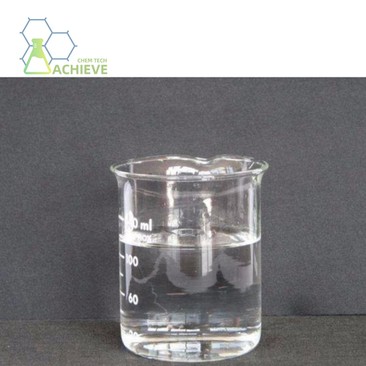

Pyridine liquid is a six membered heterocyclic aromatic compound formed by replacing one CH group in the benzene ring with a nitrogen atom. It is a colorless or slightly yellow transparent liquid at room temperature and pressure, with a strong pungent odor, and is easily soluble in water and various organic solvents such as alcohols, ethers, and benzene. Since its first separation from bone oil fractionation in the mid-19th century, pyridine has evolved from a simple organic base to a "universal brick" spanning multiple fields such as medicine, pesticides, chemicals, materials, and environmental protection. With over 200 downstream derivative products, it is an irreplaceable key raw material in the fine chemical industry chain.

1. Pesticide industry - the largest consumer market for pyridine
Nearly 50% of the production is used for the production and synthesis of pesticides and their intermediates. It is the core precursor for the synthesis of pyridine ring pesticides (about 70 types) and can be regarded as the "soul molecule" of the pesticide industry.
1.1. In the field of herbicides
It is a key raw material for pyridine herbicides. Paraquat and Diquat are both synthesized from pyridine as the starting material. The important intermediate of Diquat, 2-chloro-5-chloromethylpyridine.
Can be developed by the American company Raleigh through the cyclopentadiene-propanal synthesis method and is suitable for large-scale industrial production. In addition, 3,5,6-trichloropyridine-2-phenol and its sodium salt are synthetic intermediates of herbicides chlorpyrifos, methyl chlorpyrifos, and chlorhexidine; 2-chloro-5-chloromethylpyridine is an important intermediate for the neonicotinoid insecticides imidacloprid and imidacloprid. In recent years, new herbicides containing pyridine groups have also emerged, such as Epyrifenacil, Halauxifen methyl, Florpyrauxifen benzyl, etc., which have completed the registration of active ingredients in China.


1.2. Pesticide field
It is an indispensable raw material for the world's largest pesticide category - neonicotinoid insecticides, including Imidacloprid, Acetamiprid, Thiametoxam, Clothianidin, Nitenpyram, Sulfoxaflor, and Sulfoxaflor. In addition, organophosphate insecticides such as chlorpyrifos, benzoylurea, flupyradifurone, bisamide chlorfenapyr and bromocyanamide, as well as other insecticides such as pymetrozine, propiconazole, and propiconazole, all use pyridine or its derivatives as key intermediates. According to statistics, in recent years, there have been as many as 14 insecticides containing pyridine groups that have obtained ISO generic names.
Among them, the number of registered raw materials for Chlorfenapyr in China has reached 49, and the number of registered raw materials for Chlorfenapyr has reached 12. The market performance is extremely strong.
1.3. Fungicide field
In the field of fungicides, it also shines brightly, covering multiple important categories: methoxy acrylate propiconazole; Succinate dehydrogenase inhibitors (SDHI) such as imidacloprid, flupyraclostrobin, cycloheximide, flupyraclostrobin, pyraclostrobin, fluazinam, and pyraclostrobin; And in recent years, 10 new varieties of ISO generic names have been obtained, including propiconazole, propiconazole, difluoropyridinium, pyridinium, chloropyridinium, trifluoropyridinium, ampicillin, tetrazolium, flupyrazole, and pyridinium.


These fungicides containing pyridine structures have become important tools for ensuring crop yield and quality due to their high efficiency, high selectivity, and low toxicity and safety.
It is worth noting that although traditional highly toxic pesticides such as paraquat and chlorpyrifos are gradually being phased out of field production, pyridine's position in the development of a new generation of environmentally friendly, efficient, and low toxic pesticides has become even more prominent. The synthesis of new pesticide active ingredients using pyridine halogenated compounds as precursors has become a popular direction in global pesticide research and development.
2. The pharmaceutical industry - the core force that saves lives
About 23% of the production is used as pharmaceutical intermediates, which are the "cornerstone molecules" for synthesizing commonly used clinical drugs. According to statistics, there are over 7000 drug molecules containing pyridine rings, covering almost all therapeutic fields such as antibiotics, cardiovascular drugs, digestive system drugs, vitamins, and anti-tumor drugs.
2.1. Vitamins and Nutritional Medicines
It is the core raw material for synthesizing vitamin B3 (niacin, niacinamide) and vitamin B6 (pyridoxine).


Niacin and nicotinamide are not only important nutritional supplements in themselves, but also widely used as additives in the feed industry. Niacinamide (nicotinamide) is a star ingredient in skincare products, used for whitening and anti-aging.
2.2. Anti infective drugs
Participated in the synthesis of various anti infective drugs: Isoniazid is a first-line anti tuberculosis drug; Niketamide is a classic respiratory stimulant; Pyridostigmine is used to treat myasthenia gravis.
In addition, pyridine liquid is also used as a side chain modifier for the synthesis of penicillin and cephalosporin antibiotics, enhancing the antibacterial spectrum of antibiotics.
2.3. Cardiovascular and digestive system drugs
Amlodipine is a classic calcium channel blocker used to lower blood pressure; Nifedipine also has a pyridine ring as its core structure. Proton pump inhibitors such as Omeprazole and Lansoprazole are used to treat stomach acid related diseases, and their synthesis also relies on pyridine intermediates. Esomeprazole also contains a pyridine structure.


2.4. Anti tumor drugs
Pyridine based anti-tumor drugs have been a hot research topic in recent years. Tacrine is the first acetylcholinesterase inhibitor approved by the FDA for the treatment of Alzheimer's disease, and also has anti-tumor potential. Imatinib is a revolutionary kinase inhibitor used to treat chronic myeloid leukemia, and its molecule contains a pyridine ring. In addition, pyrazole pyridine heterocyclic compounds have shown good therapeutic effects in the prevention and treatment of tumors, and thousands of derivatives have been synthesized.
2.5 The "universal toolbox" in medicinal chemistry
The reason why pyridine is considered a "common tool" by medicinal chemists is due to its multiple advantages: lone pair electrons on the nitrogen atom can form hydrogen bonds with drug receptors, improving pharmacokinetic properties; C2 and C4 positions are prone to nucleophilic substitution reactions, facilitating chemical modifications; Introducing pyridine ring can improve metabolic stability, increase cell permeability, and enhance drug efficacy. Research has shown that replacing the benzene ring with a pyridine ring in a compound can increase biological activity by more than 500 times.


Increase cell permeability by more than 190 times, and improve protein binding affinity by more than 35 times. These data fully demonstrate that the pyridine ring is a "super module" for optimizing drug molecules.
3. Organic solvents and chemical reaction media
It is an excellent high polarity non proton solvent with unique solubility and reactivity.
3.1. Special solvents
It can dissolve organic compounds and inorganic salts that are difficult to dissolve in ordinary solvents, and is suitable for various organic synthesis reactions such as nucleophilic substitution, catalytic hydrogenation, diazotization, acylation, etc.
It is also used as a mobile phase for chromatographic analysis. In the permanganate oxidation reaction, pyridine is stable to oxidants and is not oxidized by nitric acid, chromium oxide, potassium permanganate, etc., making it an ideal solvent for such reactions.
3.2. Acid binding agents and alkaline catalysts
Its alkalinity (although weaker than fatty amines, stronger than pyrrole) makes it an excellent acid binding agent. In organic synthesis of acid producing reactions such as acylation and sulfonation, pyridine can neutralize the generated acid, promote forward reaction, and significantly improve product yield.


This characteristic is widely used in the synthesis of pharmaceuticals, pesticides, and dyes. In addition, it can also form compounds with Lewis acids such as boron trifluoride, expanding its catalytic application range.
4. Dye and pigment industry
Pyridine is an important precursor for the synthesis of pyridine dyes, including direct dyes, acid dyes, etc. It is used for dyeing textiles and leather, and can significantly improve the color fastness and solubility of dyes. Representative products include: N-ethylpyridone series, blue based BB, blue based RR, dispersed blue S-RB, soluble reduced gray IBL, soluble reduced blue IBC, etc. It is also used for synthesizing pigment dispersants to enhance the dispersion stability of pigments in media.

Preparation of pyridine liquid:
Azabenzene and its derivatives can also be synthesized by a variety of methods, of which the most widely used method is the synthesis of Hanqi azabenzene, which uses two molecules β- Carbonyl compounds, such as ethyl acetoacetate, are condensed with a molecule of acetaldehyde, the product is then condensed with a molecule of ethyl acetoacetate and ammonia to form dihydropyridine compounds, and then dehydrogenated with an oxidant (such as nitrous acid), and hydrolyzed to decarboxylation to obtain azabenzene derivatives.


Chemical properties
Pyridine and its derivatives are more stable than benzene, and their reactivity is similar to nitrobenzene. Typical aromatic electrophilic substitution reactions occur at positions 3 and 5, but the reactivity is lower than that of benzene, and it is not easy to occur nitration, halogenation, sulfonation and other reactions. It is a weak tertiary amine, which can form insoluble salts with various acids (picric acid or perchloric acid, etc.) in ethanol solution. It used in industry contains about 1% 2-methylpyridine, so it can be separated from its homologues by taking advantage of the difference in salt forming properties. Pyridine can also form crystalline complexes with various metal ions. It is easier to reduce than benzene, such as hexahydropyridine (or piperidine) under the action of metal sodium and ethanol. Pyridine reacts with hydrogen peroxide and is easily oxidized to pyridine N-oxide.
Electrophilic substitution reaction:

Azabenzene is a "π deficient" heterocycle, and the electron cloud density on the ring is lower than that of benzene, so its electrophilic substitution reaction activity is also lower than that of benzene, which is equivalent to nitrobenzene. Due to the passivation of nitrogen atoms on the ring, the conditions for electrophilic substitution reaction are relatively harsh, and the yield is low. The substituents mainly enter 3( β) Bit.
Compared with benzene, the electrophilic substitution reaction of azabenzene ring becomes more difficult, and the substituent mainly enters 3( β) This effect can be explained by the relative stability of the intermediate.
Because of the existence of the absorbing nitrogen atom, the positive ions of the intermediate are not as stable as the corresponding intermediate substituted by benzene, so the electrophilic substitution reaction of azabenzene is more difficult than that of benzene. Comparing the position of electrophilic reagent attack, we can see that when attack 2( α) Bits and 4( γ) There is a resonance limit formula for the intermediate formed when the positive charge is on the nitrogen atom with greater electronegativity. This limit formula is extremely unstable, and 3( β) There is no such extremely unstable limit formula for the intermediate substituted by position, and the intermediate is more stable than the intermediate attacking position 2 and 4. Therefore, substituents at position 3 are easy to form.

Nucleophilic substitution reaction:

Due to the electron absorption of nitrogen atoms on the azabenzene ring, the electron cloud density of carbon atoms on the ring decreases, especially at position 2 and 4, so the nucleophilic substitution reaction on the ring is easy to occur, and the substitution reaction mainly occurs at position 2 and 4. The reaction of azabenzene with sodium amino to produce 2-aminopyridine is called azinibabine reaction. If the 2 position has been occupied, the reaction takes place in the 4 position to obtain 4-aminopyridine, but the yield is low.
If the α Bit or γ The nucleophilic substitution reaction is easy to occur when there is a good leaving group (such as halogen, nitro) in the. For example, it can undergo nucleophilic substitution reaction with ammonia (or amine), alkyl oxide, water and other weak nucleophilic reagents.
Nucleophilic substitution reaction:
Due to the electron absorption of nitrogen atoms on the pyridine ring, the electron cloud density of carbon atoms on the ring decreases, especially at position 2 and 4, so the nucleophilic substitution reaction on the ring is easy to occur, and the substitution reaction mainly occurs at position 2 and 4.
The reaction of azabenzene with sodium amino to produce 2-aminopyridine is called azinibabine reaction. If the 2 position has been occupied, the reaction takes place in the 4 position to obtain 4-aminopyridine, but the yield is low. If the α Bit or γ The nucleophilic substitution reaction is easy to occur when there is a good leaving group (such as halogen, nitro) in the.

For example, it can undergo nucleophilic substitution reaction with ammonia (or amine), alkyl oxide, water and other weak nucleophilic reagents.
Redox reaction:

Because the electron cloud density on the azabenzene ring is low, it is generally not easy to be oxidized. Especially under acidic conditions, it has a positive charge on the nitrogen atom after salifying, and the induction effect of electron absorption is strengthened, which makes the electron cloud density on the ring lower, and increases the stability of the oxidant. When the azabenzene ring has side chains, the oxidation of side chains occurs. It can undergo oxidation reaction similar to tertiary amine under special oxidation conditions to form N-oxide. For example, azabenzene N-oxide can be obtained when azabenzene reacts with peroxy acid or hydrogen peroxide.
In azabenzene N-oxide, the unconsumed electron pair on the oxygen atom can have the p-π conjugation with the aromatic large π bond, which makes the electron cloud density on the ring increase α Bitsum γ The electrophilic substitution reaction of azabenzene ring is easy to occur due to the remarkable increase of position. After the formation of azabenzene N-oxide, the nitrogen atom has a positive charge, and the induction effect of electron absorption increases, so that α The density of the electron cloud at position 4 decreases, so the electrophilic substitution reaction mainly occurs at 4( γ) On. At the same time, azabenzene N-oxides are also prone to nucleophilic substitution reactions.

Contrary to the oxidation reaction, Azabenzene ring is easier to undergo hydrogenation reduction than benzene ring, which can be reduced by catalytic hydrogenation and chemical reagents.
The reduction product of pyridine liquid is hexahydropyridine (piperidine), which has the property of secondary amine, is more alkaline than Azabenzene (pKa=11.2), and the boiling point is 106 ℃. Many natural products have this ring system and are commonly used organic bases.

Azabenzene and its derivatives are more stable than benzene, and their reactivity is similar to nitrobenzene. Typical electrophilic substitution reactions of aromatic compounds occur at positions 3 and 5, but their reactivity is lower than that of benzene, and they are generally less prone to reactions such as nitration, halogenation, and sulfonation. It is a weak tertiary amine that can form insoluble salts with various acids (such as picric acid or perchloric acid) in ethanol solution.It is used in industry contains about 1% 2-methylpyridine, so it can be separated from its homologues by taking advantage of the differences in salt forming properties.It can also form crystalline complexes with various metal ions.
It is easier to reduce than benzene, such as to hexahydropyridine (or piperidine) under the action of metallic sodium and ethanol. It reacts with hydrogen peroxide and is easily oxidized to N-oxidized pyridine.
Aromaticity
The structure of pyridine is very similar to benzene. Modern physical methods have measured that the carbon carbon bond length in pyridine molecules is 139 pm, which is between the C-N single bond (147 pm) and the C=N double bond (128 pm). Moreover, the bond length values of its carbon carbon bond and carbon nitrogen bond are also similar, with a bond angle of about 120 °. This indicates that the average degree of bonding on the pyridine ring is high, but not as complete as benzene.
The carbon and nitrogen atoms on the pyridine ring overlap with each other in sp2 hybridized orbitals to form a sigma bond, forming a planar six membered ring. Each atom has a p orbital perpendicular to the plane of the ring, with one electron in each p orbital. These p orbitals overlap laterally to form a closed large π bond, with 6 π electrons, following the 4n+2 rule, similar to a benzene ring.
Therefore, pyridine has a certain degree of aromaticity. There is another sp2 hybrid orbital on the nitrogen atom that does not participate in bonding and is occupied by a pair of lone pair electrons, making pyridine alkaline. The electronegativity of the nitrogen atom on the pyridine ring is relatively high, which has a significant impact on the distribution of electron cloud density on the ring, causing the π electron cloud to shift towards the nitrogen atom.
The electron cloud density around the nitrogen atom is high, while the electron cloud density in other parts of the ring decreases, especially in the adjacent and para positions, which is significantly reduced. So pyridine has poorer aromaticity than benzene.
In pyridine molecules, the role of the nitrogen atom is similar to that of the nitro group in nitrobenzene, causing a decrease in the electron cloud density at the ortho and para positions compared to the benzene ring, while the meta position is similar to the benzene ring. As a result, the electron cloud density of the carbon atom on the ring is much lower than that of benzene. Therefore, aromatic heterocycles such as pyridine are also known as "π - deficient" heterocycles. This type of heterocyclic ring is chemically more prone to electrophilic substitution reactions, nucleophilic substitution reactions, oxidation reactions, and reduction reactions.
Alkaline and Salting
The unshared electron pairs on the nitrogen atom of pyridine can accept protons and exhibit alkalinity. The pKa of the conjugated acid of pyridine (pyridine that accepts a proton on the N atom) is 5.25, which is more acidic than ammonia (pKa 9.24) and fatty amines (pKa 10-11) (the smaller the pKa, the stronger the acidity). The reason is that the unshared electron pairs on the nitrogen atom in pyridine are located in sp2 hybrid orbitals, which have more s-orbital components than sp3 hybrid orbitals and are closer to the atomic nucleus. The electrons are strongly bound by the nucleus and have a smaller tendency to donate electrons, making it difficult to bind with protons and less alkaline. However, compared to aromatic amines such as aniline with a pKa of 4.6, pyridine is slightly more alkaline.
Pyridine can form stable salts with strong acids, and certain crystalline salts can be used for separation, identification, and refining work. The alkalinity of pyridine is used as a catalyst and deacidification agent in many chemical reactions. Due to its good solubility in water and organic solvents, its catalytic effect is often beyond the reach of some inorganic bases.
Pyridine can not only form salts with strong acids, but also with Lewis acids.
In addition, it also possesses certain properties of tertiary amines, which can react with halogenated hydrocarbons to form quaternary ammonium salts or with acyl halides to form salts.
Frequently Asked Questions
Is pyridine toxic to humans?
+
-
From case reports on humans and studies in animals, we think the most important health concern for humans exposed to pyridine will be damage to the liver. Other health concerns for humans may be neurological effects, renal effects, and irritation of the skin and eye.
What happens if we smell pyridine?
+
-
Breathing Pyridine can irritate the nose and throat causing coughing and wheezing. Pyridine can cause nausea, vomiting, diarrhea and abdominal pain. Pyridine can cause headache, fatigue, dizziness, lightheadedness, confusion, and even coma and death.
What drugs contain pyridine?
+
-
Pyridine-based drugs have been reported to have diverse biological attributes, which include their use as antitubercular drugs (isoniazid), anticancer (abiraterone), antimalarial (enpiroline), respiratory stimulants (nikethamide), myasthenia gravis (pyridostigmine)..
Hot Tags: pyridine liquid cas 110-86-1, suppliers, manufacturers, factory, wholesale, buy, price, bulk, for sale, Triphenylsilyl Chloride CAS 76 86 8, 4 Hydroxyacetophenone CAS 99 93 4, 37 formaldehyde, 4'-Hydroxyacetophenone CAS 99-93-4, tris base powder, 5 Bromo m xylene CAS 556 96 7