

IPTG (Isopropyl β-D-1-thiogalactopyranoside) powder is a well-known inducer widely used in molecular biology for the expression of recombinant proteins in host cells, typically E. coli. In this blog, we will explore how IPTG powder affects the expression of proteins in different growth phases of the host cells. As a reliable IPTG powder supplier, we have in-depth knowledge of its applications and impacts, and we are eager to share this information with you.
Product Code: BM-2-5-133
Name: Iptg
CAS No.: 367-93-1
M.F: C9H18O5S
M.W: 238.3
EINECS No.: 206-703-0
Market: Indonesia, UK, New Zealand , Canada etc.
Manufacturer: BLOOM TECH Guangzhou Factory
Technology service: R&D Dept.-4
Shipping: Shipping as another no sensitive chemical compound name.

We provide Iptg powder, please refer to the following website for detailed specifications and product information.
Product:https://www.bloomtechz.com/synthetic-chemical/api-researching-only/iptg-powder-cas-367-93-1.html
Understanding the Role of IPTG in Protein Expression

IPTG is an analog of allolactose, a metabolite of lactose. In the lac operon system of E. coli, the lac repressor protein binds to the operator region under normal conditions, preventing the transcription of the genes downstream, which are responsible for lactose metabolism. When IPTG is present, it binds to the lac repressor, causing a conformational change in the repressor and releasing it from the operator. This allows RNA polymerase to bind to the promoter and initiate the transcription of the target genes, leading to the expression of the corresponding proteins.
Different Growth Phases of Host Cells
Host cells, such as E. coli, go through several distinct growth phases: the lag phase, the exponential phase, the stationary phase, and the death phase.
Lag Phase: This is the initial phase when cells are adapting to the new environment. Cells are metabolically active but not dividing rapidly. They are synthesizing necessary enzymes and components to prepare for growth.
Exponential Phase: In this phase, cells divide at a constant and rapid rate. The number of cells doubles at regular intervals. The metabolic activity of the cells is at a high level, and they are actively synthesizing proteins and other cellular components.
Stationary Phase: As nutrients are depleted and waste products accumulate, the growth rate slows down, and the number of new cells produced equals the number of cells dying. The cell population reaches a plateau.
Death Phase: Due to the lack of nutrients and the presence of toxic waste products, the number of dying cells exceeds the number of new cells, and the cell population starts to decline.
Effects of IPTG on Protein Expression in Different Growth Phases
Lag Phase
Adding IPTG during the lag phase may not be very effective for protein expression. Since the cells are still in the adaptation stage, their metabolic machinery is not fully operational. The cells need time to adjust to the new environment, synthesize essential enzymes, and build up the necessary cellular components. Introducing IPTG at this stage may not lead to efficient transcription and translation of the target genes. The cells may not have enough resources or the appropriate regulatory mechanisms in place to respond to the inducer.


Exponential Phase
The exponential phase is generally considered the optimal time to add IPTG for protein expression. During this phase, the cells are growing rapidly, and their metabolic activity is high. The ribosomes, RNA polymerases, and other translational and transcriptional machinery are highly active. When IPTG is added, it can quickly bind to the lac repressor, allowing the transcription of the target genes to proceed. As a result, a large amount of the target protein can be synthesized in a relatively short time. Moreover, the cells have sufficient energy and resources to support the synthesis of the recombinant protein.
Stationary Phase
Adding IPTG during the stationary phase may result in limited protein expression. At this stage, the cells are under stress due to nutrient depletion and the accumulation of waste products. The metabolic activity of the cells has decreased, and the cellular machinery may not be as efficient as in the exponential phase. Although IPTG can still bind to the lac repressor and initiate transcription, the cells may not have enough energy or resources to produce a large amount of the target protein. Additionally, the stability of the expressed protein may be affected by the stress conditions in the stationary phase.
Death Phase
It is not advisable to add IPTG during the death phase. The cells are dying, and their metabolic functions are severely impaired. The cellular machinery is breaking down, and the ability to synthesize proteins is almost non-existent. Adding IPTG at this stage will not lead to any significant protein expression.
Optimization of IPTG-Induced Protein Expression
To achieve the best protein expression results, several factors need to be considered.
IPTG Concentration: The optimal IPTG concentration depends on the specific host cells and the target protein. Too low a concentration may not fully induce the expression of the target gene, while too high a concentration may be toxic to the cells and affect their growth and protein synthesis.
Induction Time: The duration of induction also plays a crucial role. A longer induction time may lead to higher protein yields, but it may also increase the risk of protein degradation and the accumulation of toxic waste products.
Growth Conditions: Maintaining optimal growth conditions, such as temperature, pH, and nutrient availability, is essential for efficient protein expression. These factors can affect the growth rate and metabolic activity of the host cells.
Related Products and Their Applications
As an IPTG powder supplier, we also offer other high-quality chemical products for research purposes. For example, Filgotinib CAS 1206161-97-8 is a compound that has shown potential in the field of anti-inflammatory research. 4-Bromotriphenylamine CAS 36809-26-4 is widely used in organic synthesis and material science. 10-HDA CAS 14113-05-4 has various biological activities and is of interest in the field of pharmaceutical research.
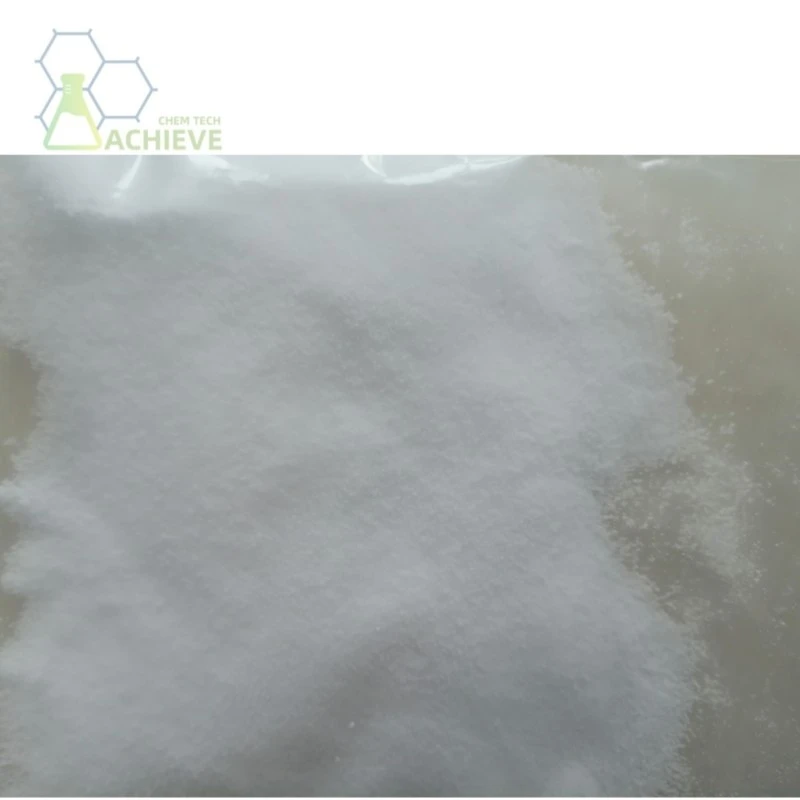
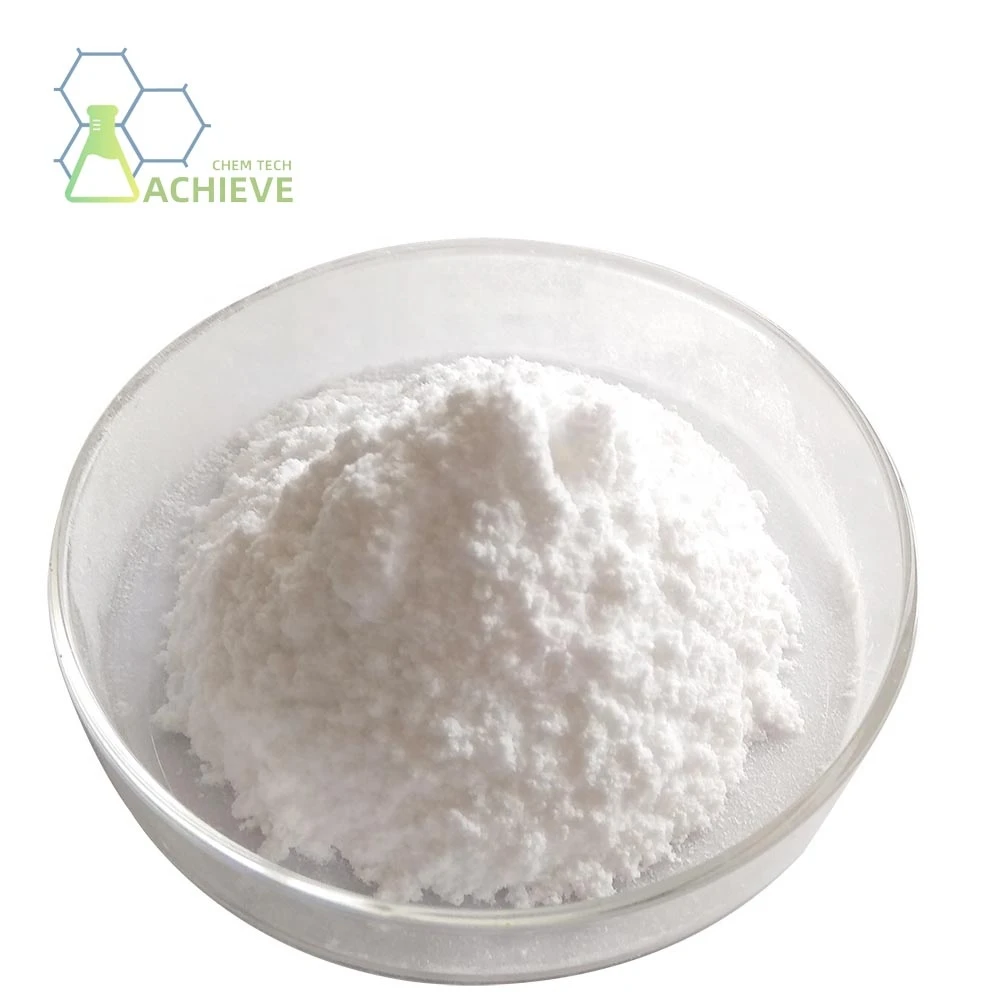
Our product

Conclusion and Call to Action
In conclusion, the timing of adding IPTG powder during the growth phases of host cells is crucial for efficient protein expression. The exponential phase is generally the best time for induction, while adding IPTG during the lag, stationary, or death phases may not yield satisfactory results. By carefully optimizing the IPTG concentration, induction time, and growth conditions, researchers can achieve high-level protein expression.
If you are interested in our IPTG powder or other chemical products, we invite you to contact us for procurement and further discussion. We are committed to providing high-quality products and excellent customer service to meet your research needs.
References
- Miller, J. H. (1972). Experiments in molecular genetics. Cold Spring Harbor Laboratory.
- Sambrook, J., & Russell, D. W. (2001). Molecular cloning: A laboratory manual. Cold Spring Harbor Laboratory Press.
- Studier, F. W., & Moffatt, B. A. (1986). Use of bacteriophage T7 RNA polymerase to direct selective high-level expression of cloned genes. Journal of Molecular Biology, 189(1), 113-130.