

As a supplier of cholesterol powder, I understand the critical importance of adhering to strict quality standards. Cholesterol powder is a vital component in various industries, including pharmaceuticals, cosmetics, and food. Ensuring its quality is not only a matter of regulatory compliance but also a commitment to the safety and efficacy of the end products. In this blog, I will delve into the key quality standards for cholesterol powder.
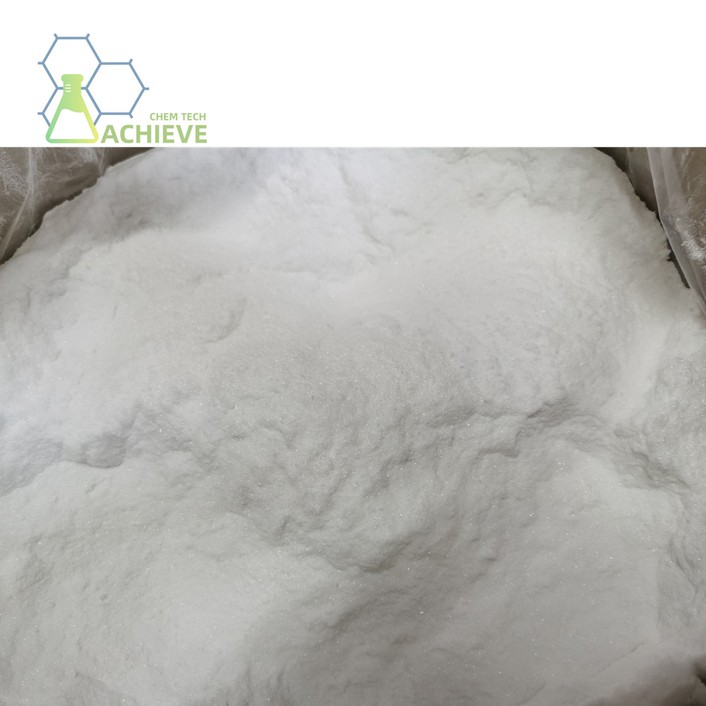
Cholesterol Powder CAS 57-88-5
Product Code: BM-2-5-038
English Name: Cholesterol
CAS No.: 57-88-5
Molecular formula: c27h46o
Molecular weight: 386.66
EINECS No.: 200-353-2
Enterprise standard: HPLC>99.5%, LC-MS
HS code: 2906 13 10
Manufacturer: BLOOM TECH Yinchuan Factory
Technology service: R&D Dept.-4
Usage: Standard substance for analysis
Shipping: Shipping as another no sensitive chemical compound name.
We provide Cholesterol Powder, please refer to the following website for detailed specifications and product information.

Purity is perhaps the most fundamental quality standard for cholesterol powder. High - purity cholesterol is essential for accurate and reliable results in its applications. Impurities can affect the chemical and physical properties of cholesterol, leading to inconsistent performance in pharmaceutical formulations or sub - optimal results in cosmetic products.
The purity of cholesterol powder is typically determined through advanced analytical techniques such as high - performance liquid chromatography (HPLC). This method can separate and quantify cholesterol and its potential impurities accurately. A high - quality cholesterol powder should have a purity level of at least 95%, and in many cases, for pharmaceutical applications, a purity of 99% or higher is required.

Chemical Composition

The chemical composition of cholesterol powder must be well - defined and consistent. Cholesterol has a specific molecular formula, C₂₇H₄₆O, and any deviation from this composition can indicate the presence of contaminants or degradation products.
Isomers and related sterols are common impurities in cholesterol powder. For example, sitosterol and stigmasterol, which are plant sterols, can sometimes be present as contaminants. These impurities can have different biological activities and may interfere with the intended use of cholesterol. Therefore, it is crucial to analyze the chemical composition of cholesterol powder to ensure that it contains only the desired cholesterol and minimal amounts of related compounds.
The physical properties of cholesterol powder, such as particle size, bulk density, and solubility, also play an important role in its quality.
Particle size affects the flowability and dispersibility of the powder. A uniform particle size distribution is desirable to ensure consistent mixing in formulations. If the particle size is too large, it may lead to poor dispersion, while overly small particles can cause dusting problems during handling.
Bulk density is related to the packing efficiency of the powder. It can impact the volume - to - weight ratio, which is important for storage and transportation. A consistent bulk density ensures that the powder can be accurately measured and dispensed.
Solubility is another critical physical property, especially in pharmaceutical and cosmetic applications. Cholesterol should be soluble in appropriate solvents or carriers to be incorporated effectively into products. The solubility of cholesterol can be affected by factors such as its purity and particle size.

Microbiological Purity

Microbiological contamination is a significant concern in cholesterol powder, especially when it is used in pharmaceutical or food products. Microorganisms such as bacteria, fungi, and yeasts can cause spoilage, reduce the shelf - life of products, and pose a risk to human health.
To ensure microbiological purity, cholesterol powder must be tested for the presence of specific microorganisms. Common tests include total aerobic microbial count, yeast and mold count, and the detection of specific pathogens such as Salmonella and Escherichia coli. The acceptable limits for microbiological contamination are defined by regulatory agencies and industry standards.
Heavy metals such as lead, mercury, cadmium, and arsenic can be present in cholesterol powder as contaminants. These metals are toxic and can have serious health effects, even at low concentrations. Therefore, strict limits are set for the presence of heavy metals in cholesterol powder.
Residual solvents are another potential source of contamination. During the manufacturing process, solvents are often used for extraction, purification, or crystallization. However, these solvents must be removed to acceptable levels before the cholesterol powder can be used in products. The limits for residual solvents are also regulated by various agencies, such as the United States Pharmacopeia (USP) and the European Pharmacopoeia (EP).

Quality Control and Assurance

To meet these quality standards, a comprehensive quality control and assurance system is necessary. This system should cover all aspects of the manufacturing process, from raw material sourcing to final product testing.
Raw materials should be sourced from reliable suppliers and thoroughly tested before use. During the manufacturing process, in - process controls should be implemented to monitor critical parameters such as temperature, pressure, and reaction time. This helps to ensure that the product is being produced consistently and in accordance with the established quality standards.
Final product testing should be carried out using a combination of analytical techniques to verify the purity, chemical composition, physical properties, microbiological purity, and the absence of heavy metals and residual solvents. Only products that pass all the quality tests should be released for sale.
The quality of cholesterol powder has a direct impact on its performance in different industries.
In the pharmaceutical industry, cholesterol is used in the production of various drugs, such as lipid - lowering medications and steroid hormones. High - quality cholesterol is essential for ensuring the efficacy and safety of these drugs. Any impurities or deviations from the quality standards can lead to inconsistent drug performance and potential health risks for patients.


In the cosmetic industry, cholesterol is used in skincare products for its moisturizing and emollient properties. A pure and high - quality cholesterol powder can enhance the texture and stability of cosmetic formulations, providing better results for consumers.
In the food industry, cholesterol is sometimes used as an ingredient in certain products. Although there is a growing trend towards low - cholesterol diets, cholesterol can still be found in some specialty food items. Ensuring the quality of cholesterol powder used in food products is important for maintaining food safety and quality.
Related Products and Their Quality Standards
While we focus on cholesterol powder, it's also worth mentioning some related products and their quality standards. For example, Carbaryl Powder CAS 63 - 25 - 2 is a synthetic chemical used in research. It also has its own set of quality standards, including purity, chemical composition, and safety requirements. Similarly, Pure Fenbendazole Powder and Nicotinamide Riboside Chloride Powder are other products in the synthetic chemical category, each with their specific quality criteria.
Conclusion
In conclusion, the quality standards for cholesterol powder are multi - faceted and stringent. Purity, chemical composition, physical properties, microbiological purity, and the absence of heavy metals and residual solvents are all crucial aspects that need to be carefully monitored and controlled. As a supplier, I am committed to meeting these standards to provide high - quality cholesterol powder to our customers.
If you are in the market for cholesterol powder and are looking for a reliable supplier who adheres to the highest quality standards, I encourage you to reach out to discuss your specific requirements. We are ready to engage in in - depth discussions about your needs and provide you with the best possible solutions.
References
- United States Pharmacopeia (USP)
- European Pharmacopoeia (EP)
- Various scientific research papers on cholesterol analysis and quality control.