

Yo, folks! As a supplier of 3-Dimethylaminophenol, I've been getting a ton of questions about its antibacterial mechanism. So, I thought I'd break it down in this blog post.

3-Dimethylaminophenol
Product Code: BM-2-5-035
English Name: 3-dimethylaminophen
CAS No.: 99-07-0
Molecular formula: C8H11NO
Molecular weight: 137.18
EINECS No.: 202-727-0
MDL No.:MFCD00002264
HS Code: 29222900
Enterprise standard: HPLC>99.0%, GC-MS
Main market: USA, Australia, Brazil, Japan, Germany, Indonesia, UK, New Zealand , Canada etc.
Manufacturer: BLOOM TECH Xi'an Factory
Technology service: R&D Dept.-4
Usage: Pharmacokinetic study
Shipping: Shipping as another no sensitive chemical compound name.
We provide 3-Dimethylaminophenol, please refer to the following website for detailed specifications and product information.
Understanding 3-Dimethylaminophenol
First off, let's get a basic understanding of what 3-Dimethylaminophenol is. It's a chemical compound with a unique structure that gives it some interesting properties. Chemically speaking, it has an aminophenol backbone with two methyl groups attached to the amino nitrogen. This structure plays a crucial role in its antibacterial activity.
The Antibacterial Mechanism
Disruption of Bacterial Cell Membranes
One of the primary ways 3-Dimethylaminophenol fights off bacteria is by disrupting their cell membranes. Bacterial cell membranes are like the cell's skin-they protect the cell, control what goes in and out, and are essential for the cell's survival. When 3-Dimethylaminophenol comes into contact with a bacterial cell, its chemical structure allows it to interact with the lipids and proteins in the cell membrane.
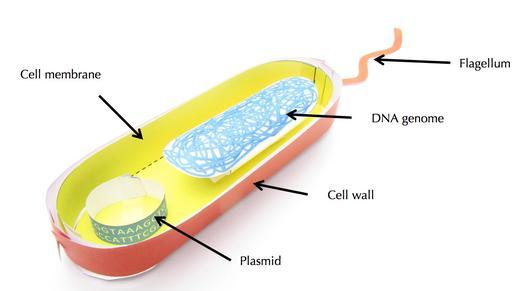

The lipophilic (fat-loving) parts of 3-Dimethylaminophenol can insert themselves into the lipid bilayer of the cell membrane. This causes the membrane to become more fluid and less stable. As a result, small molecules and ions can leak out of the cell, and essential nutrients can't get in. Without these nutrients, the bacteria can't carry out their normal metabolic processes, and they eventually die.
Inhibition of Enzyme Activity
Bacteria rely on a variety of enzymes to carry out essential biochemical reactions, like DNA replication, protein synthesis, and energy production. 3-Dimethylaminophenol can act as an enzyme inhibitor. It can bind to specific enzymes in bacteria, blocking their active sites. When an enzyme's active site is blocked, it can't catalyze the reactions it normally would.

For example, some enzymes are responsible for building the bacterial cell wall. If 3-Dimethylaminophenol inhibits these enzymes, the bacteria can't build or repair their cell walls properly. This makes the bacteria more vulnerable to the environment and can lead to cell lysis (bursting).
Generation of Reactive Oxygen Species (ROS)
Another way 3-Dimethylaminophenol works against bacteria is by generating reactive oxygen species. When 3-Dimethylaminophenol is present in the bacterial environment, it can react with oxygen and other molecules to form ROS, such as superoxide radicals, hydrogen peroxide, and hydroxyl radicals.


These ROS are highly reactive and can cause damage to various cellular components in bacteria. They can oxidize proteins, lipids, and DNA. Oxidized proteins lose their normal function, and oxidized lipids can disrupt the cell membrane. Oxidative damage to DNA can lead to mutations and prevent the bacteria from replicating properly.
Comparison with Other Antibacterial Agents
It's also interesting to compare 3-Dimethylaminophenol with other well-known antibacterial agents, like Sodium Sulfadiazine CAS 547-32-0, Ketoconazole Powder CAS 65277-42-1, and Nystatin CAS 1400-61-9.
Our products


Sodium sulfadiazine works by inhibiting the synthesis of folic acid in bacteria. Folic acid is essential for the synthesis of nucleic acids and proteins. By blocking folic acid synthesis, sodium sulfadiazine stops bacteria from growing and reproducing.
Ketoconazole is an antifungal agent, but it also has some antibacterial activity. It works by inhibiting the synthesis of ergosterol, a key component of fungal and some bacterial cell membranes. Without ergosterol, the cell membrane becomes unstable, leading to cell death.
Nystatin is mainly used against fungal infections. It binds to ergosterol in the fungal cell membrane, creating pores that allow ions and other small molecules to leak out of the cell, causing cell death.
Compared to these agents, 3-Dimethylaminophenol has a broader range of antibacterial targets. It acts on the cell membrane, enzymes, and generates ROS, which means it can be effective against a wider variety of bacteria, including some that may be resistant to other agents.
Potential Applications
The antibacterial properties of 3-Dimethylaminophenol open up a lot of potential applications. In the medical field, it could be used in topical creams and ointments to treat skin infections. In the food industry, it could be used as a preservative to prevent the growth of bacteria in food products. In the agricultural sector, it could be used to protect crops from bacterial diseases.
Why Choose Our 3-Dimethylaminophenol?
As a supplier of 3-Dimethylaminophenol, we take pride in offering high-quality products. Our 3-Dimethylaminophenol is produced under strict quality control standards, ensuring its purity and effectiveness. We also offer competitive pricing and reliable shipping options.
If you're in the market for 3-Dimethylaminophenol for your research, product development, or other applications, we'd love to hear from you. Whether you need a small sample for testing or a large-scale order for production, we can meet your needs. Just reach out to us, and we'll be happy to discuss your requirements and provide you with a quote.
References
- [1] "Antibacterial Agents: Mechanisms of Action"-A general review article on how different antibacterial agents work.
- [2] "Chemical Structure and Antibacterial Activity of Aminophenol Derivatives"-A study specifically looking at the antibacterial properties of 3-Dimethylaminophenol and related compounds.
- [3] "Reactive Oxygen Species in Bacterial Infections"-Research on the role of ROS in antibacterial processes.