




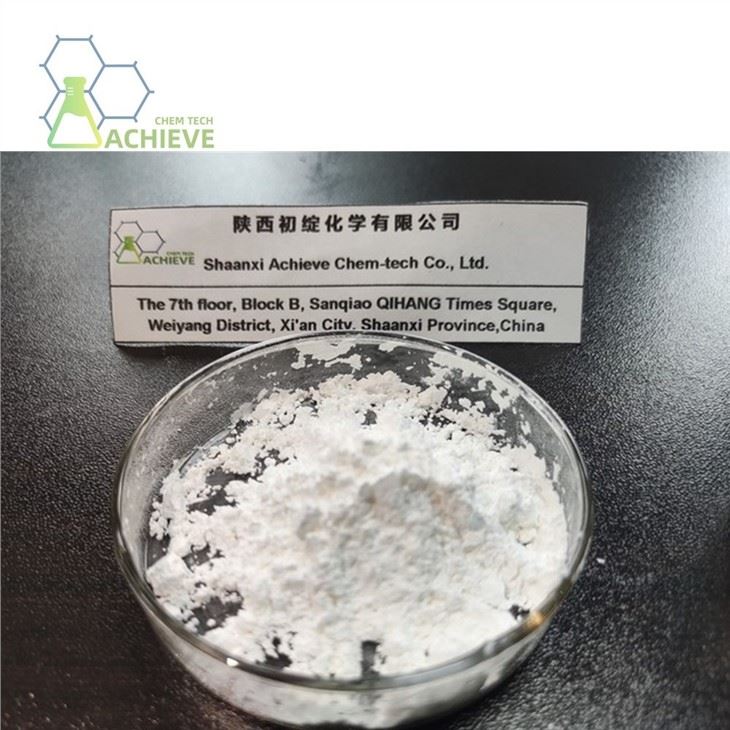
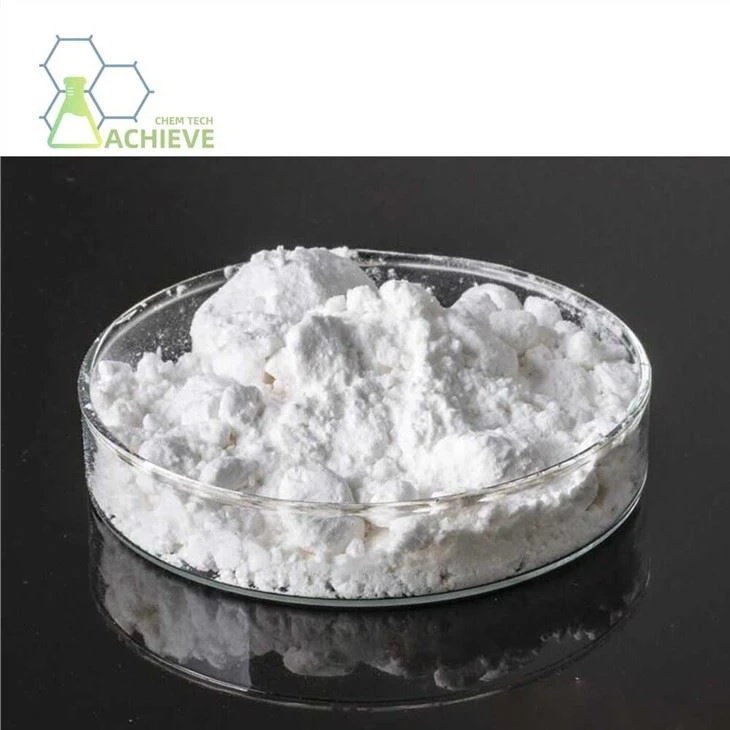


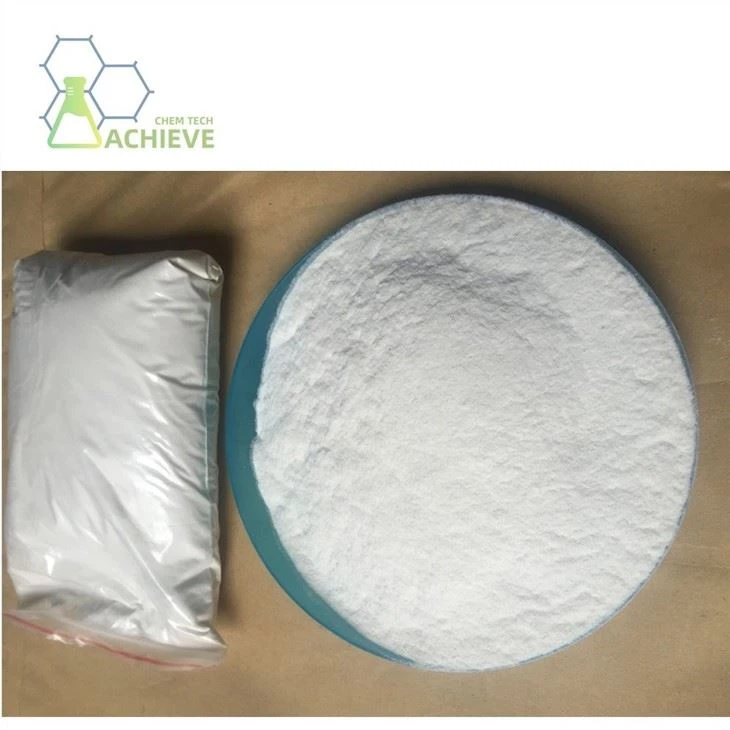
Shaanxi BLOOM Tech Co., Ltd. is one of the most experienced manufacturers and suppliers of guanine powder cas 73-40-5 in China. Welcome to wholesale bulk high quality guanine powder cas 73-40-5 for sale here from our factory. Good service and reasonable price are available.
Guanine powder is an organic compound with the chemical formula of C5H5N5O,CAS 73-40-5. It is a white to pale yellow crystal powder. It has strong absorption to ultraviolet light and is a component of guanosine and guanylic acid. Guanine exists widely in animal and plant kingdom. It is one of the basic components of nucleic acids (DNA and RNA). Guanine is a purine derivative, which is composed of fused pyrimidine imidazole ring system with conjugated double bonds. It is an important base of nucleic acid, one of the four major bases in DNA and RNA, and also a component of various guanylic acids. Its N9 and ribose or deoxyribose C1 β- Guanosine or deoxyguanosine is formed by glycosidic linkage. Guanine is also a natural white pigment, non-toxic. It can be used in general cosmetics, mainly as a pearlescent agent for lipstick, nail polish and eye cosmetics.

| Chemical Formula | C5H5N5O |
| Exact Mass | 151 |
| Molecular Weight | 151 |
| m/z | 151 (100.0%), 152 (5.4%), 152 (1.8%) |
| Elemental Analysis | C, 39.74; H, 3.33; N, 46.34; O, 10.59 |
|
|
|


The core components of genetic information transmission: the "letter" roles of DNA and RNA
Guanine powder, as one of the four bases of nucleic acid, is the "genetic letter" of DNA and RNA. It pairs with cytosine through three hydrogen bonds to form stable base pairs. This pairing mechanism is crucial for the stability of the DNA double helix structure, ensuring precise transmission of genetic information during replication and transcription processes.
DNA replication and repair
During DNA replication, guanine serves as a component of the template strand, guiding the synthesis of cytosine in the complementary strand.
If guanine undergoes oxidative damage (such as 8-oxoguanine), it may cause base mismatches and result in gene mutations. Cells recognize and repair such damage through the base excision repair (BER) mechanism, maintaining genomic stability.
RNA synthesis and function:
During transcription, guanine participates in the synthesis of RNA strands, forming key molecules such as mRNA, tRNA, and rRNA. For example, the complement pairing between guanine and mRNA codons in the anti codon loop of tRNA ensures the accuracy of protein synthesis. In addition, guanine derivatives such as cyclic guanosine monophosphate (cGMP) play an important role as second messengers in cellular signaling.


Molecular Engine of Energy Metabolism: Conversion from GTP to ATP
Guanine nucleotides (such as GTP) are core molecules in cellular energy metabolism, providing energy through hydrolysis to drive various biological processes.
Protein synthesis and signal transduction
GTP binding protein (G protein) plays a "molecular switch" role in cellular signaling.
For example, in the G protein coupled receptor (GPCR) pathway, the alpha subunit of G protein is activated by binding to GTP, triggering downstream signaling cascades that regulate cell growth, differentiation, and metabolism.
Dynamic assembly of microtubules
Microtubules are an important component of the cytoskeleton, and their assembly relies on GTP bound microtubule proteins. After GTP is hydrolyzed into GDP, microtubule proteins dissociate from the microtubule ends, achieving dynamic balance of microtubules, which is crucial for cell division, morphological maintenance, and material transport.


Versatile in the field of medicine: from antiviral to anti-tumor
Guanine and its derivatives play an important role in pharmaceutical research and development, and are the core structures of various antiviral and anti-tumor drugs.
1. Antiviral drugs
Acyclovir: As a guanine analogue, Acyclovir is phosphorylated by herpes virus thymidine kinase, which inhibits viral DNA polymerase activity and blocks viral replication. Clinically used to treat herpes simplex virus (HSV) and varicella zoster virus (VZV) infections.
Ganciclovir: structurally similar to acyclovir, but with stronger anti cytomegalovirus (CMV) activity, is used for the prevention and treatment of CMV infection in immunosuppressed patients, such as organ transplant recipients.
2. Antitumor drug
6-Thioguanine (6-TG): As an anti metabolite, 6-TG is converted into 6-thioguanosine nucleotides in the body, which are incorporated into DNA to cause chain termination and inhibit tumor cell proliferation. Clinically used for the treatment of acute lymphoblastic leukemia (ALL) and chronic myeloid leukemia (CML).


Fludarabine: a guanine nucleoside analogue that exerts anti-tumor effects by inhibiting DNA synthesis and inducing cell apoptosis, mainly used for the treatment of chronic lymphocytic leukemia (CLL).
3. Immune modulators
Guanine derivatives such as 8-bromo-cGMP can regulate immune cell function and enhance the body's defense against pathogens. For example, 8-bromo-cGMP promotes T cell proliferation and cytokine secretion by activating the protein kinase G (PKG) pathway.
The 'Green Revolution' in the field of agriculture: from disease prevention and control to yield improvement
Guanine powder, as a novel plant immune stimulant, provides an environmentally friendly and efficient solution for agricultural disease prevention and control.
1. Stimulate broad-spectrum resistance in plants
The research team led by Ding Xinhua from Shandong Agricultural University has found that guanine can activate the plant immune system, induce reactive oxygen species (ROS) bursts, callus deposition, and MAPK phosphorylation and other defense responses.


For example, treatment with 100 ng/mL guanine can significantly reduce the severity of rice bacterial blight and sheath blight, with field trials showing a 37% reduction in the length of leaf sheaths affected.
2. Regulating the expression of genes related to disease resistance
Transcriptome analysis showed that disease resistance related genes (such as OsWRKY13 and OsWRKY53) were significantly upregulated in rice treated with guanine, while negative regulatory genes (such as OsWRKY76 and OsWRKY45) were downregulated.
This gene expression regulatory network enhances the plant's resistance to pathogens.
3. Synergistic effect of signaling pathways
Guanine induces plant resistance through the ethylene and jasmonic acid signaling pathways. For example, the ethylene receptor OsETR2/OsETR3 and the jasmonic acid receptor OsCOI1b are necessary for guanine to stimulate rice resistance to sheath blight, revealing the mechanism of synergistic regulation of multiple signaling pathways.


Innovative raw materials for industry and materials science: from fluorescent probes to self-assembled materials
The unique chemical properties of guanine make it widely applicable in the fields of industry and materials science.
1. Fluorescent probe development
Guanine derivatives can serve as fluorescent probes for detecting metal ions or environmental changes. For example, a fluorescent sensor based on guanine can specifically recognize Cu ² ⁺ with a detection limit of 0.1 nM, providing a sensitive tool for environmental monitoring.
2. Self assembling material design
By modifying the functional groups on guanine molecules, self-assembly can be induced to form nanostructures. For example, guanine nucleotide modified polymers can form micelles or hydrogels for drug delivery or tissue engineering.
3. Cosmetic additives
Guanine crystal has pearl luster and is widely used as a pearlescent in lipstick, nail polish and eye cosmetics. Its non-toxic and stable properties make it an ideal raw material for the cosmetics industry.


The 'umami enhancer' in the food industry: from nucleotides to seasonings
Guanine nucleotides are an important component of flavor producing nucleotides, and their synergistic effect with inosinic acid can significantly enhance the freshness of food.
1. Guanine nucleotide disodium (I+G)
I+G is a mixture of guanine nucleotides and inosinic acid, widely used in instant noodles, seasonings, and meat products.
Its umami intensity is 40 times that of monosodium glutamate (MSG), which can reduce sodium intake while enhancing flavor.
2. Optimization of Fermentation Production Method
Using Bacillus subtilis as the fermentation strain, optimizing the cultivation conditions (such as pH and temperature) and fermentation process (such as fed batch fermentation) can significantly increase the production of guanine nucleotides and reduce production costs.


The double-edged sword of environment and ecology: from metabolites to pollution control
The accumulation of guanine powder metabolites (such as uric acid) in the body may cause diseases, but their chemical properties also provide new ideas for environmental management.
1. Uric acid and gout
When the concentration of uric acid, the end product of guanine metabolism, is too high in the blood, urate crystals can form and deposit in joints, leading to gout.
Restricting the intake of high purine foods and taking medication to lower uric acid are the main treatment methods.
2. Heavy metal adsorbent material
Guanine modified nanomaterials can efficiently adsorb heavy metal ions (such as Pb ² ⁺, Cd ² ⁺) in water, with an adsorption capacity 2-3 times that of traditional materials, providing a new method for water pollution control.


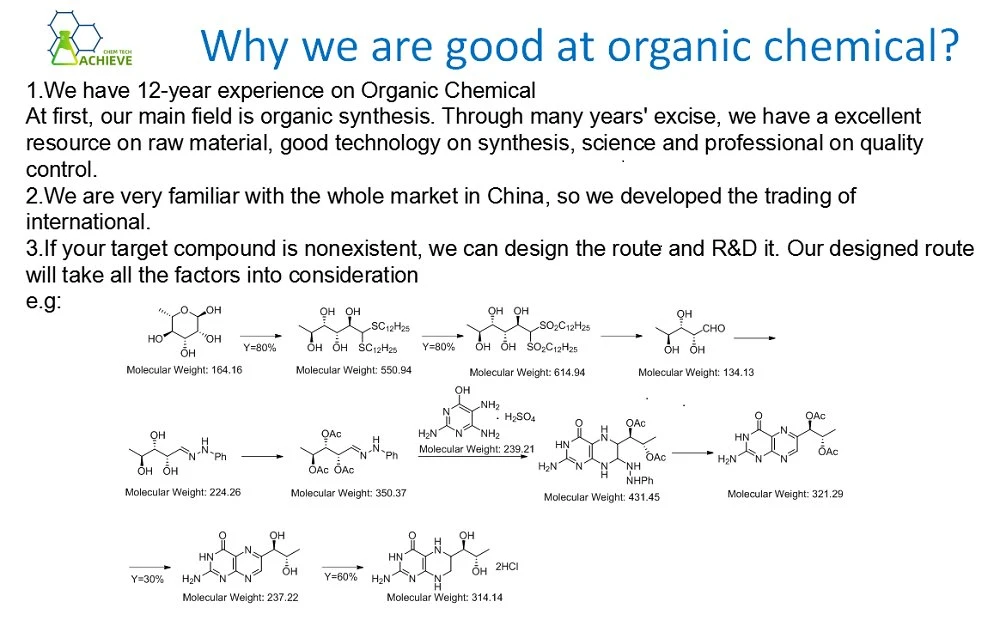
The invention relates to a one pot method for synthesizing guanine powder. It includes the following steps that are carried out continuously:
1. Guanidine nitrate was cyclized with ethyl cyanoacetate to obtain 2,4-diamino-6-hydroxypyrimidine.
2. In its formamide solvent, sodium nitrite, mixed solution of formamide and concentrated formic acid, as well as reducing agent are added in order to carry out nitrosation, reduction reaction, and further cyclization reaction to obtain guanine.
The invention uses the "one pot method" reaction to directly use the cheap and easily available aliphatic chain cyanoacetate ethyl ester and guanidine nitrate as raw materials without separation. The pyrimidine intermediate was purified, and guanine was synthesized in one pot by effectively controlling the reaction conditions, feeding sequence and proportion. Moreover, the product is purified by adjusting the pH value, with high yield and convenient operation.
FAQ
What foods contain guanine?
What does guanine do in DNA?
What is guanine used for?
Where is guanine found in the body?
Hot Tags: guanine powder cas 73-40-5, suppliers, manufacturers, factory, wholesale, buy, price, bulk, for sale, Copper II Acetate CAS 142 71 2, Trimethylsilyl trifluoromethanesulfonate, CHICAGO SKY BLUE 6B, praseodymium powder, Cinchonine, 3 5 Bis trifluoromethyl benzyl chloride