




Shaanxi BLOOM Tech Co., Ltd. is one of the most experienced manufacturers and suppliers of pure copper powder cas 7440-50-8 in China. Welcome to wholesale bulk high quality pure copper powder cas 7440-50-8 for sale here from our factory. Good service and reasonable price are available.
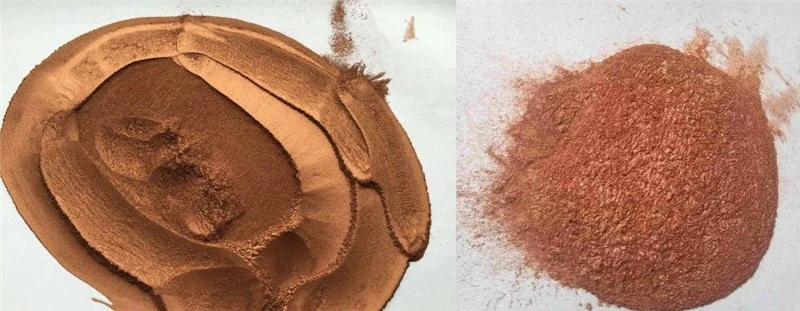
Pure copper powder, mainly composed of copper, is a metal element. Copper is a soft metal. When the surface is just cut, it is red orange with metallic luster, and the simple substance is purplish red. It has good ductility, high thermal conductivity and conductivity, so it is the most commonly used material in cables and electrical and electronic components. It can also be used as building materials and can form many kinds of alloys. Copper alloys have excellent mechanical properties and low resistivity, among which bronze and brass are the most important. In addition, copper is also a durable metal, which can be recycled many times without damaging its mechanical properties. It is a non-ferrous metal that has a very close relationship with human beings. It is widely used in electrical, light industry, machinery manufacturing, construction industry, national defense industry and other fields. It is second only to aluminum in the consumption of non-ferrous materials in China.

|
Chemical Formula |
Cu |
|
Exact Mass |
64 |
|
Molecular Weight |
64 |
|
m/z |
63 (100.0%), 65 (44.6%) |
|
Elemental Analysis |
Cu, 100.00 |
Chemical properties of copper:
1. Reaction with oxygen: copper is an inactive heavy metal, which does not combine with oxygen in dry air at room temperature. When heated, it can produce black copper oxide:

If it continues to burn at a very high temperature, red Cu2O will be generated:

2. Reaction with air (reaction with O2, H2O, CO2): after being exposed to humid air for a long time, a layer of copper green (basic copper carbonate) will be slowly formed on the copper surface. Copper Green can prevent further corrosion of metal, and its composition is variable.


3. Reaction with halogen: Pure copper powder can combine with chlorine under ignition conditions.

4. Reaction with sulfur: when heated, copper is directly combined with sulfur to form cuprous sulfide (Cu2S):

5. Reaction with ferric chloride solution: in the electronic industry, FeCl3 solution is commonly used to etch copper to manufacture printed circuits. Equation:

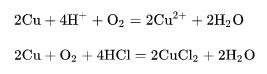
6. Reaction with acid: reaction with air and dilute acid. In the potential sequence (metal activity sequence), copper group elements are behind hydrogen, so they cannot replace hydrogen in dilute acid. However, in the presence of air, copper can be oxidized to copper oxide first, then react with acid, and then slowly dissolve in these dilute acids. See the following equation:
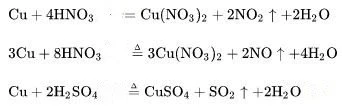
7. React with oxidizing acids: copper will be oxidized and dissolved by oxidizing acids such as nitric acid and concentrated sulfuric acid (heating required):
8. Catalyst: copper can act as a catalyst for some organic reactions, such as the catalytic oxidation of alcohol:


Y-ray method: Bi metal salt is reduced to metal particles under y-ray. Y-ray makes the solution generate solvated electrons, which can reduce metal ions without reducing agent, reduce their valence, and form metal particles through nucleation and growth. Advantages: it is easy to operate under normal temperature and pressure, and the particle size is protected at the same time of particle generation, which can prevent particle agglomeration, and can be produced on a large scale
Electrolytic method: the electrolyte used in the preparation of copper powder is CuSO with an appropriate amount of H, so and. Solution, the anode is pure metal copper plate, and the cathode surface is titanium alloy. When the current is applied, cu2+ moves to the cathode and reduces and deposits on its surface. Ultrasonic vibration and cavitation make the deposited metal copper fall off quickly and suspend in the electrolyte with small particles, which can effectively prevent the accumulation and growth of particles. The technological process of preparing copper powder by electrolysis is: electrolysis - > scraping - > filtration → collecting copper powder → washing → anti oxidation treatment → washing - > baking - > hydrogen reduction - > crushing - > screening. The factors that must affect the electrolysis process include ions and ion concentration, current density, additives, powder scraping cycle, electrolyte temperature, etc.
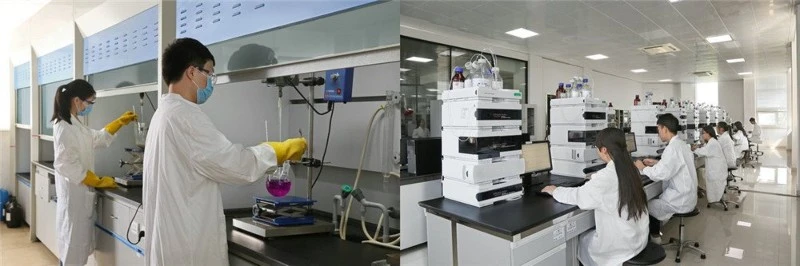

Pure copper powder, as one of the earliest metals used by humans, has always held a central position in the process of human civilization due to its excellent conductivity, thermal conductivity, ductility, and corrosion resistance. From the pyramids of ancient Egyptian pharaohs to the precision components of modern spacecraft, from the decorative arts of traditional architecture to breakthrough technologies in the field of new energy, the application of copper has penetrated into all fields of industry, technology, life, medical care, and more.
Copper is the core material for power transmission and energy conversion, with conductivity second only to silver, but its cost is only 1/100 of silver, making it the preferred conductor for global power systems.
1. Power grid infrastructure
More than 90% of the world's ultra-high voltage transmission lines use copper or copper alloy conductors. In China's ultra-high voltage engineering, about 8 tons of copper material are consumed per kilometer of transmission line, ensuring that power loss is reduced to 0.05%/100km. In the field of transformers, the use of copper windings improves equipment efficiency to over 98%, saving electricity equivalent to the power generation of three Three Gorges power stations annually.
2. New Energy Revolution
Photovoltaic industry: The silver paste of monocrystalline silicon solar cells contains 60% copper, and the copper based conductive adhesive improves the packaging efficiency of the components by 15%.


By 2025, the global installed capacity of photovoltaics will exceed 5000GW, driving a 300000 ton/year increase in copper demand.
In the field of wind power, the internal cables of offshore wind turbine towers are designed with copper cores, which have 5 times higher corrosion resistance than aluminum cores and an extended service life of 25 years. A wind turbine with a single capacity of 15MW requires 40 tons of copper material, which is 300% more than the 5MW model.
Energy storage system: Adding copper nanoparticles to the positive electrode material of lithium-ion batteries can increase the battery's cycle life to over 8000 times and energy density to 350Wh/kg. The Tesla Megapack energy storage system has a copper content of 2.8 tons per unit, making it one of the world's largest copper consumption terminals.
From integrated circuits to quantum computing, copper's applications in the field of electronics continue to push the limits of physics.
1. Semiconductor Manufacturing
Interconnection technology: In 45nm process chips, the resistivity of copper interconnects is reduced by 40% compared to aluminum, and the signal transmission delay is reduced by 30%. TSMC's 3nm process adopts self-aligned multiple patterning technology, with 18 layers of copper interconnects on a single chip and line width accuracy controlled within 2nm.


Packaging material: In flip chip packaging, copper pillar bump technology increases the I/O density to 10000/mm ², which is 10 times higher than traditional tin lead solder balls. Intel Xeon processors use copper graphene composite heat sinks with a thermal conductivity of 1800W/(m · K), which is 50% higher than pure copper.
2. Quantum computing
The IBM quantum computer "Osprey" uses superconducting niobium titanium alloy coils, but 90% of the connecting wires in the low-temperature cooling system use high-purity oxygen free copper, ensuring a resistivity of less than 1 × 10 ⁻¹Ω· m at -273 ℃. In the Google "Sycamore" processor, the copper based microwave resonant cavity achieves 99.9999% signal fidelity, promoting quantum supremacy.
Copper plays a crucial role in the lightweighting and electrification transformation of transportation vehicles.
1. New energy vehicle
Motor system: Tesla Model 3 permanent magnet synchronous motor adopts copper rotor technology, which improves efficiency by 8% and reduces weight by 15% compared to traditional asynchronous motors. In the eight in one electric drive system of BYD e-platform 3.0, the copper flat wire motor slot occupancy rate reaches 78%, and the power density exceeds 6kW/kg.
Charging facilities: The world's first 800V high-voltage fast charging platform uses copper alloy contactors, which have three times higher arc erosion resistance than silver contacts and a service life of up to one million times. The copper content of a single Tesla V4 supercharging pile reaches 45kg, an increase of 20% compared to the V3 version.


2. Aerospace
Engine components: The GE9X engine turbine blades are made of copper based high-temperature alloy, with a working temperature of 1150 ℃, which is 50 ℃ higher than the previous generation material. The fuel system piping of Airbus A350XWB is made of titanium copper composite material, which has 10 times higher corrosion resistance than Pure copper powder and reduces weight by 40%.
Satellite technology: The Beidou-3 satellite uses copper niobium titanium shape memory alloy antennas, with a deformation recovery rate of 99.99% in extreme environments ranging from -180 ℃ to 120 ℃, ensuring signal transmission accuracy.
The weather resistance and aesthetic value of copper make it an eternal material in the field of architecture.
1. Landmark building
Shanghai center Building: The outer curtain wall is made of copper zinc alloy plate, which has formed a unique "copper green" protective layer after 15 years of natural oxidation. The reflectivity has dropped from 85% to 60%, realizing the unity of building energy conservation and artistic effect.
The "Paper Bag Building" at the University of Technology Sydney: The exterior facade uses 32000 perforated copper plates, and dynamic light and shadow effects are formed through parametric design. The indoor natural lighting efficiency is increased by 40%, and it has obtained LEED Platinum certification.


2. Cultural heritage
Copper components of the Palace Museum's Nourishing Hall: The copper gilded golden gate ring cast during the Qianlong period was made using the lost wax method, with a surface gilded layer thickness of 0.2mm. After 300 years, it still maintains 95% integrity.
Louvre Pyramid: A glass copper structure designed by I.M. Pei, with a copper frame made of 316L stainless steel plated with copper, achieving the highest level of corrosion resistance according to ISO 9227 standard, and an extended maintenance cycle of 20 years.
The antibacterial properties and biocompatibility of copper drive its innovative applications in the medical field.
1. Antibacterial material
Hospital infection control: The Mayo Clinic in the United States uses copper alloy gold door handles, which reduces the number of surface bacteria by 99.7% compared to stainless steel, and reduces the hospital acquired infection rate by 22%. China's aid in building Ebola treatment centers in Africa fully utilizes copper alloy medical equipment, with a cross infection rate controlled below 0.3%.
Textile application: The copper ion fiber fabric has an inhibition rate of 99.99% against Staphylococcus aureus, and is used to make medical supplies such as surgical clothes and masks to ensure the safety of medical personnel during the COVID-19 epidemic.


2.Cancer treatment
Copper complex drugs: Cisplatin copper complex (Cu Pt) can increase the apoptosis rate of breast cancer cells to 85% by destroying tumor cell DNA topoisomerase, which is 30 percentage points higher than traditional chemotherapy drugs.
Nanotechnology: Copper oxide nanoparticles (CuO NPs) in photothermal therapy can raise the temperature of the tumor site to 52 ℃ under 808nm laser irradiation, achieving precise ablation.
The strength and wear resistance of copper alloys support the development of high-end manufacturing industry.
1. Mold manufacturing
Die casting mold: H13 steel substrate surface sprayed with copper based alloy coating can increase the mold life from 50000 times to 200000 times, applied in Tesla integrated die casting body manufacturing.
Plastic mold: Beryllium copper alloy (C17200) has a thermal conductivity of 105W/(m · K), which is 5 times higher than P20 mold steel and shortens the injection molding cycle by 30%. It is used in the production of Apple iPhone cases.


2. Bearing technology
High speed railway axle box bearings: using copper based powder metallurgy retainers, the friction coefficient remains stable below 0.002 at a running speed of 350km/h, extending the service life by three times compared to traditional steel retainers.
Wind turbine main shaft bearings: Pure copper powder nickel alloy carburizing treatment technology enables the contact fatigue life of the bearings to exceed 1 × 10 ⁷ rpm, supporting the stable operation of a 15MW offshore wind turbine.
Copper exhibits unique value in pollution control and resource recycling.
1. Water treatment technology
Heavy metal removal: Copper oxide nanoparticles have an adsorption capacity of 256mg/g for lead ions in water, which is 10 times higher than activated carbon. They are used for heavy metal pollution control in the Yangtze River Basin.
Photocatalytic degradation: Under visible light, the Cu ₂ O/TiO ₂ composite catalyst can make the mineralization rate of organic pollutants reach 90%, which is used for the the Taihu Lake Lake cyanobacteria treatment project.
2. Waste recycling
Urban mining development: China recycles approximately 2 million tons of waste copper annually, which is equivalent to reducing copper mining by 30 million tons and lowering carbon emissions by 120 million tons.
Closed loop manufacturing: Apple uses Daisy robots to disassemble iPhones, achieving a copper recovery rate of 98%, for the production of MacBook cases, forming a "design use recycling" loop.

Hot Tags: pure copper powder cas 7440-50-8, suppliers, manufacturers, factory, wholesale, buy, price, bulk, for sale, 3 4 5 Trimethoxyphenylboronic acid, 1 3 5 Tribromobenzene, Acetaldehyde solution, Estradiol CAS 50 28 2, Alanine CAS 107 95 9, Atropic acid