




Shaanxi BLOOM Tech Co., Ltd. is one of the most experienced manufacturers and suppliers of sephadex lh-20 cas 9041-37-6 in China. Welcome to wholesale bulk high quality sephadex lh-20 cas 9041-37-6 for sale here from our factory. Good service and reasonable price are available.
Sephadex LH-20 refers to a kind of gel with three-dimensional network structure and wide application, which is made of a certain average relative molecular weight of dextran and glycerol in the form of ether bridge, and is called Sephadex abroad. Molecular formula C9H8N2O3S, CAS 9041-37-6, It is a bead like gel with a three-dimensional network structure. This structure allows the dextran gel to fully swell in water and electrolyte solutions, forming a stable gel layer. The granularity of dextran gel is also different. Ultrafine dextran gel is used for column chromatography and thin-layer chromatography requiring very high resolution, while coarse and medium gel is used for preparative chromatography, which can achieve high flow rate under low pressure.

|
Chemical Formula |
C9H8N2O3S |
|
Exact Mass |
224.03 |
|
Molecular Weight |
224.23 |
|
m/z |
224.03 (100.0%), 225.03 (9.7%), 226.02 (4.5%) |
|
Elemental Analysis |
C, 48.21; H, 3.60; N, 12.49; O, 21.40; S, 14.30 |
|
|
|


Sephadex LH-20 is a kind of three-dimensional network structure gel which is cross-linked by dextran and glycerol in the form of ether bridge, and has a wide range of applications.
Biological separation and purification
(1) Separation and purification of peptides and proteins
Sephadex gel plays an important role in the field of biological separation and purification, especially in the separation and purification of peptides and proteins. Different types of dextran gel have different separation ranges and can meet the needs of peptides and proteins with different molecular weights.
For example, Sephadex G-50, G-75, G-100 and other dextran gel are commonly used for the separation and purification of polypeptides and proteins. Through gel filtration chromatography, the effective separation and purification of target molecules can be achieved.


(2) Desalination and buffer exchange
Sephadex gel can also be used for desalination of biological samples and buffer exchange. When preparing biological samples, it is often necessary to remove salt from the sample and replace the buffer to maintain the stability and activity of the sample.
The gel filtration chromatography technology of dextran gel can easily achieve this goal. By selecting the appropriate gel model and elution conditions, the salt in the sample can be effectively removed and the buffer can be replaced.
(3) Molecular weight determination
The dextran gel can also be used to measure the molecular weight of biomolecules. Through gel filtration chromatography, the elution volume of biomolecules can be measured, and then the standard curve can be drawn according to the standard sample with known molecular weight, so as to calculate the molecular weight of unknown biomolecules.
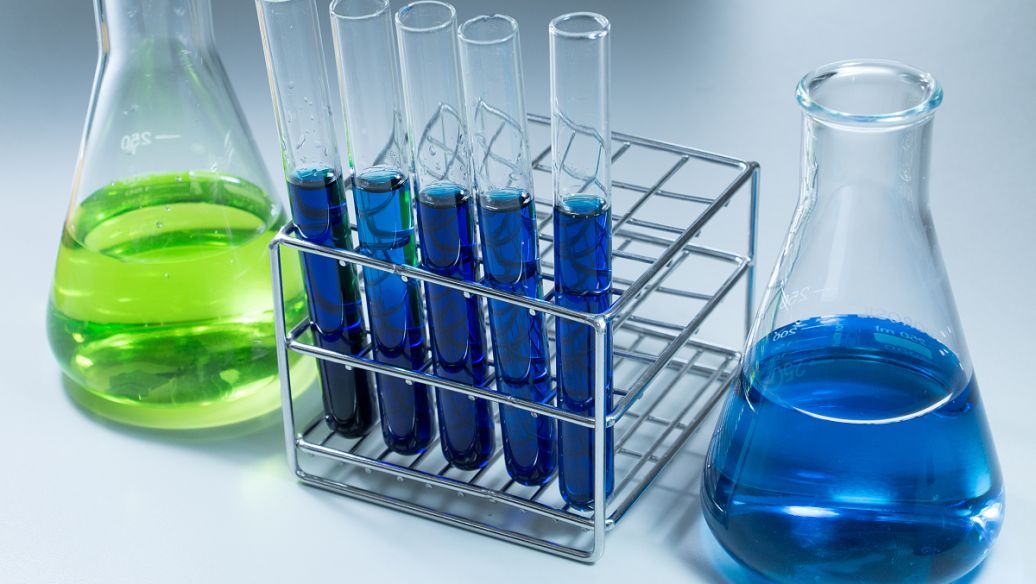
Drug development and production
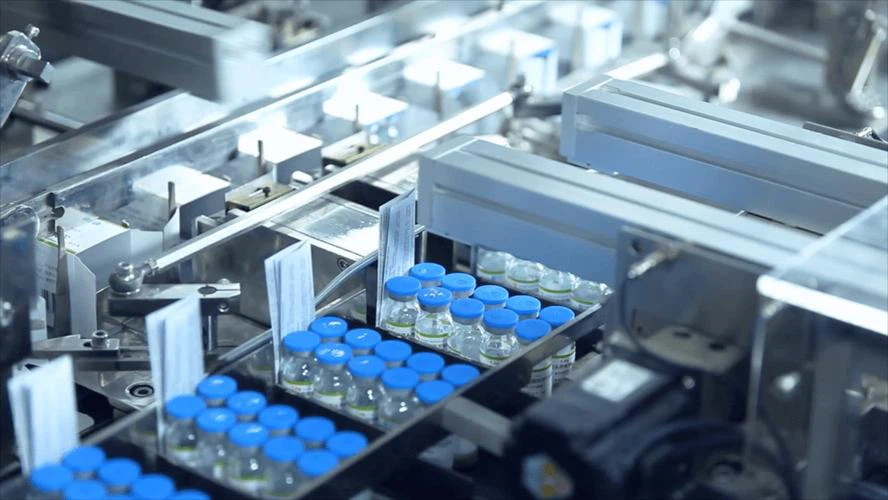
(1) Drug separation and purification
In the process of drug development and production, dextran gel is often used for the separation and purification of drugs. Through gel filtration chromatography technology, drug molecules can be effectively separated and purified, and the purity and quality of drugs can be improved.
(2) Drug carriers and excipients
Sephadex gel can also be used as drug carrier and excipient. Due to its good biocompatibility and stability, dextran gel can be used as a carrier material for drug controlled release systems to achieve slow drug release and targeted delivery.
Medical diagnosis and treatment
(1) Medical diagnosis
Sephadex LH-20 has also been used in the field of medical diagnosis. For example, dextran gel can be used to prepare diagnostic reagents and kits for detecting specific molecules or biomarkers in biological samples. Through gel filtration chromatography technology, these specific molecules or biomarkers can be separated and purified, so as to achieve accurate diagnosis of diseases.


(2) Prostate disease treatment
The dextran gel dressing has shown certain efficacy in the treatment of prostate diseases. This dressing contains active polysaccharide components that can penetrate the cell membrane and enter microbial cells, disrupting their function and achieving the effect of killing pathogenic microorganisms. Therefore, dextran gel dressing can be used to treat prostatitis and other prostate diseases, and improve the symptoms and quality of life of patients.
Food industry
(1) Food separation and purification
In the food industry, dextran gel can also be used for the separation and purification of food. Through gel filtration chromatography technology, different ingredients in food can be effectively separated and purified to improve the taste and quality of food.
(2) Food additives
The dextran gel can also be used as a food additive. Due to its good stability and thickening, dextran gel can be used as a thickening agent, stabilizer and emulsifier of food to improve the taste and stability of food.


Physical properties of dextran gel
Form and Structure:
Sephadex gel is a beaded gel with a three-dimensional network structure. This structure allows the dextran gel to fully swell in water and electrolyte solutions, forming a stable gel layer. The granularity of dextran gel is also different. Ultrafine dextran gel is used for column chromatography and thin-layer chromatography requiring very high resolution, while coarse and medium gel is used for preparative chromatography, which can achieve high flow rate under low pressure.
Swelling ability:
The dextran gel contains a large number of hydroxyl groups, which enable the gel to fully swell in water and electrolyte solutions. Swelling degree is an important physical property of dextran gel, which determines the separation effect of gel and the packing density of chromatographic column. G-type dextran gel have different crosslinking degrees, so their swelling degrees and separation ranges are different. The swelling degree is basically not affected by the presence of salt and detergent, which enables the dextran gel to maintain a stable separation effect under various experimental conditions.
Stability:
Chemical stability:
Dextran gel is insoluble in all solvents (unless it is chemically degraded). It is stable in water, salt solutions, organic solvents, bases, and weakly acidic solutions. However, in strong acids, the glycosidic bonds of the gel skeleton will be hydrolyzed, leading to the destruction of the gel structure. Therefore, high concentration of strong acid should be avoided when using dextran gel. In addition, long-term contact with oxidants will also damage the gel structure, so it should also be avoided.
Physical stability:
The dextran gel is not molten and can be sterilized under wet and neutral PH conditions or autoclaved at 120 ℃ for 30 minutes without affecting its chromatographic properties. However, the dry gel will start to caramelize when heated to more than 120 ℃, so high-temperature drying treatment should be avoided. The mechanical strength of dextran gel depends on the degree of crosslinking. The higher the degree of crosslinking, the greater the mechanical strength.
Particle size and separation range:
The granularity of dextran gel has an important influence on its separation effect. Gel with different particle sizes are suitable for different separation requirements. Ultra fine dextran gel is suitable for column chromatography and thin layer chromatography requiring very high resolution, while coarse and medium gel is suitable for preparative chromatography. In addition, the separation range of dextran gel also varies with its crosslinking degree. For example, the separation range of dextran gel G-10 is less than 700, which is suitable for the separation of small molecular substances; The sephadex gel G-200 has a separation range of 5000-600000, which is suitable for the separation and purification of macromolecular substances.
Column installation and balance:
The dextran gel needs to be pretreated before use, including swelling and column loading. Swelling is to immerse dry gel in distilled water for at least 24 hours, and keep stirring to ensure full swelling of gel. When installing the column, place the swollen gel into the column at one time according to the column installation requirements, pay attention to maintaining the wet column installation, and avoid bubbles or faults in the column. After column installation, equilibrium treatment is required, which involves using buffer solution from the upper column to balance at least 3-5 column volumes of the chromatography column until the baseline of the recorder becomes stable. The purpose of balance is to make the gel column reach a stable state and ensure the separation effect.
Separation effect and sample size:
The separation effect of dextran gel is closely related to its loading amount. Excessive or insufficient sample size can affect the separation efficiency. Generally speaking, the sample loading amount of gel filtration is generally not more than 5% of the column bed volume. For the initial sample loading, it is recommended to control the bed volume at 1-2%, which can be adjusted depending on the separation situation. The sample volume during desalination can reach 20% of the column bed volume. In addition, the selection of column height is also related to separation requirements. If the column height is too high, the gel layer will cause greater back pressure and affect the separation effect. Therefore, when selecting column height, it should be determined based on the molecular weight of the separated substance and the separation requirements.
Elution method and regeneration treatment:
There are many elution methods for dextran gel, including brine free elution, buffer elution and gradient elution. Saline free elution is suitable for the separation of small molecule substances; Buffer elution is suitable for the separation and purification of large molecular substances. Gradient elution is the process of adding gradient substances such as NaCl to the upper column buffer, and separating substances of different molecular weights by changing the ion strength of the eluent. After a period of use, the dextran gel needs to be regenerated to remove the precipitated and stubborn residual proteins in the column bed. The methods of regeneration treatment include repeated reverse flushing with water and equilibration with buffer solution. For long-term preserved gel, washing, dehydration and drying are also required.
Validity period and storage conditions:
The validity period of dextran gel varies with its model and storage conditions. Generally speaking, the validity period of dextran gel varies from several months to one year. Within the validity period, gel should be stored in a dry, cool and dark place. Unused gel can be stored at room temperature; After use, the gel needs to be properly treated before storage. For the gel stored for a short time, it can be washed clean and filtered dry, added with an appropriate amount of preservative (such as 0.02% sodium azide) or soaked in 20% ethanol to control microbial growth. For long-term preserved gel, it needs to be taken out of the column, washed, dehydrated, dried and bottled for storage.
Sephadex LH-20 is a kind of separation material with broad application prospects. Its physical properties include morphology and structure, swelling ability, stability, particle size and separation range, column loading and equilibrium, separation effect and sample loading, elution method and regeneration treatment, as well as expiration date and storage conditions. These physical properties together determine the separation effect and application scope of dextran gel. When using dextran gel, the appropriate model and operation method should be selected according to the experimental requirements and the nature of the separated material to ensure the accuracy of the separation effect and experimental results. At the same time, attention should also be paid to the storage conditions and validity period of gel to avoid affecting the experimental results due to improper storage or expired use.

In order to expand the application range of dextran gel, researchers introduced lipophilic groups through chemical modification, breaking through the solvent limitation of traditional gel. The core of the development of Sephadex LH-20 lies in hydroxypropylation modification:
To introduce hydroxypropyl groups into the glucan skeleton of Sephadex G-25, forming ether bonds (- O-CH ₂ - CH (OH) - CH3) and increasing the proportion of carbon atoms to enhance lipophilicity.
Solvent system: Under alkaline conditions (such as NaOH solution), pectin reacts with propylene oxide.
Crosslinking degree control: by adjusting the amount of propylene oxide, the molecular sieve function is maintained while giving the gel amphiphilic.
LH stands for Lipophilic Hydroxypropyl, emphasizing its dual swelling ability in both aqueous and organic phases.
20: The water absorption label of Sephadex G series was used, but the actual swelling behavior changed due to modification (such as LH-20 swelling volume in methanol being 3.9-4.3 mL/g dry gel).
Hot Tags: sephadex lh-20 cas 9041-37-6, suppliers, manufacturers, factory, wholesale, buy, price, bulk, for sale, CAS 1313395 18 4, CAS 2261008 21 1, 9 9 Bis 1 1 biphenyl 3 yl 3 3 bi 9H carbazole, 9 4 4 4 5 5 TETRAMETHYL 1 3 2 DIOXABOROLAN 2 YL 1 1 BIPHENYL 3 YL 9H CARBAZOLE, 3 6 Di tert butylfluorenone, CAS 26885 42 7