


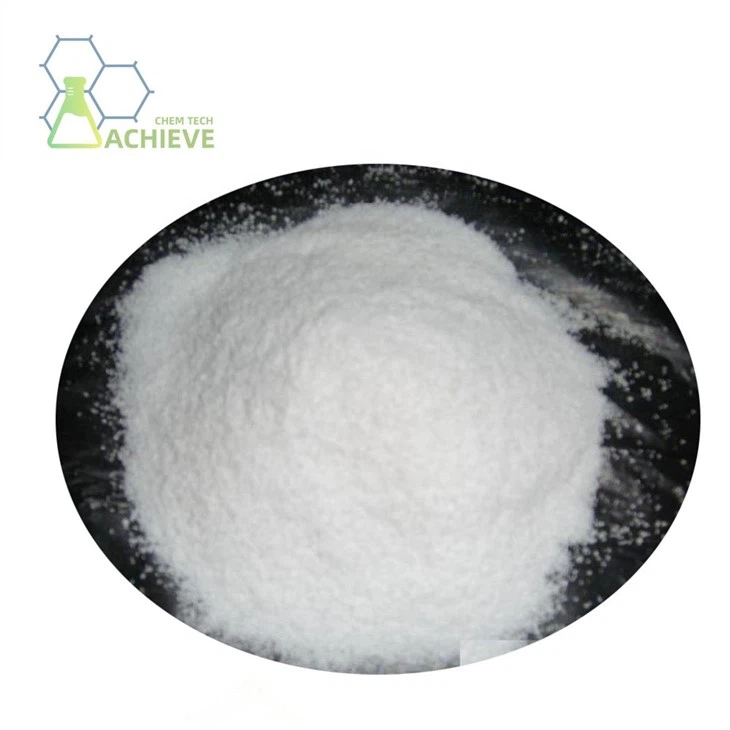


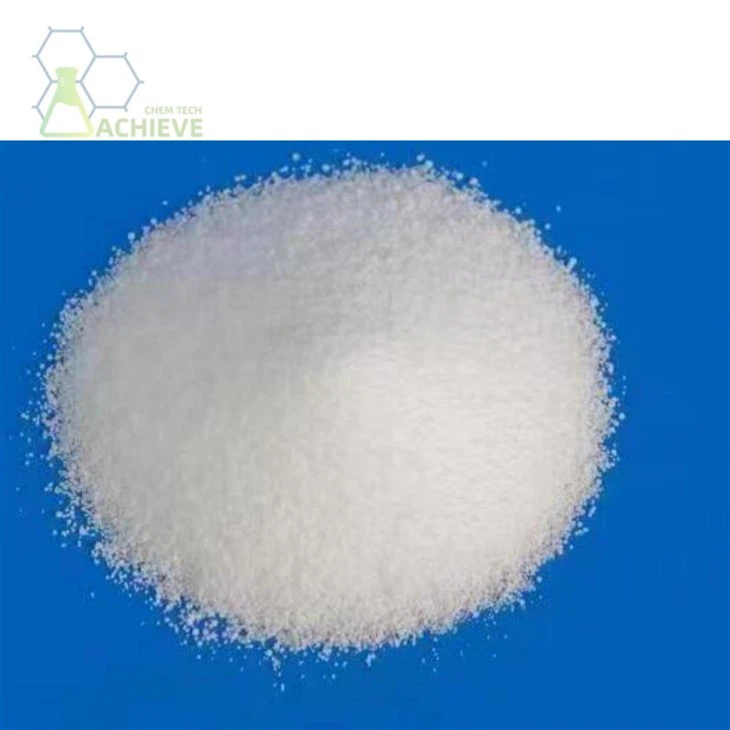

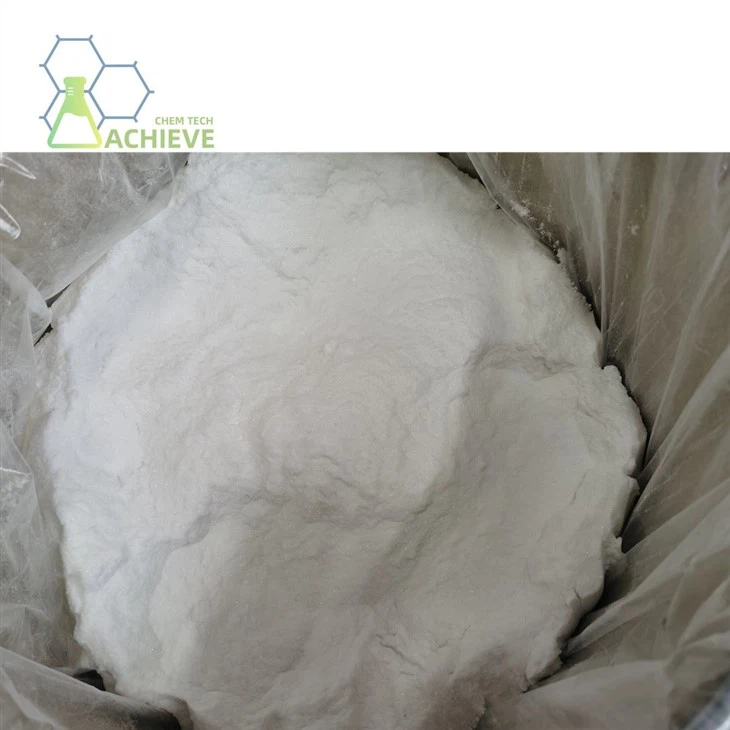

Shaanxi BLOOM Tech Co., Ltd. is one of the most experienced manufacturers and suppliers of sodium thiocyanate solution cas 540-72-7 in China. Welcome to wholesale bulk high quality sodium thiocyanate solution cas 540-72-7 for sale here from our factory. Good service and reasonable price are available.
Sodium thiocyanate solution, it is a chemical substance. The appearance is colorless crystals or white powder, also described as white orthorhombic crystals, easily soluble in solvents such as water, ethanol, acetone, etc. The solubility in water is relatively high, with a solubility of 139g/100mL at 21 ° C. It serves as a solvent for drawing acrylonitrile fibers and a chemical analysis reagent; Used for processing color film; Can be used as a defoliant for certain plants and as a weed killer for airport roads. It is also used in pharmaceuticals, printing and dyeing, rubber processing, black nickel plating, and manufacturing of artificial mustard oil. The production method of this compound involves reacting sodium cyanide with sulfur to produce sodium thiocyanate, which is then processed through steps such as impurity removal, activated carbon decolorization, filtration, evaporation, and crystallization.

Additional information of chemical compound:
|
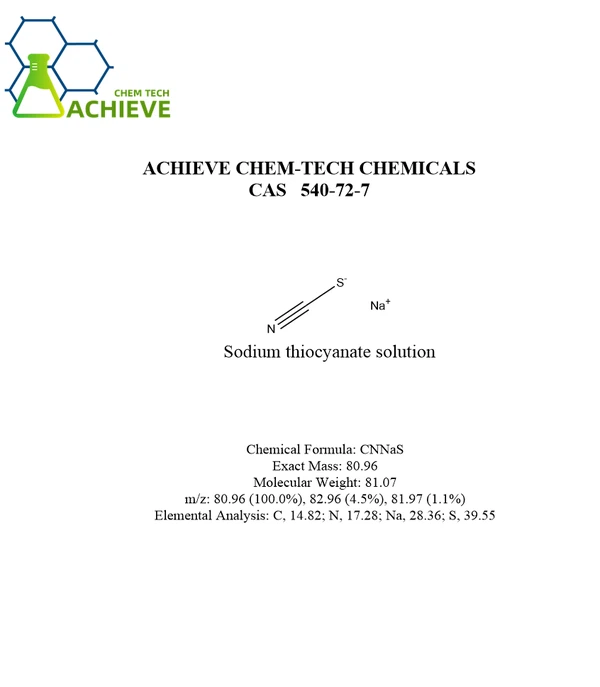
Chemical Formula |
CNNaS |
|
Exact Mass |
80.96 |
|
Molecular Weight |
81.07 |
|
m/z |
80.96 (100.0%), 82.96 (4.5%), 81.97 (1.1%) |
|
Elemental Analysis |
C, 14.82; N, 17.28; Na, 28.36; S, 39.55 |
|
Melting point |
287℃(dec.) (lit.) |
|
Density |
1.295 g/mL at 20℃ |
|
Storage conditions |
Store at +5℃ to +30℃ |
 |
|


Sodium thiocyanate solution has a wide range of applications, and the following are some of the main application areas:
chemical industry

Sodium thiocyanate is a solvent for drawing acrylonitrile fibers and plays a crucial role in the fiber manufacturing process. By dissolving acrylonitrile monomers or polymers, fibers can be smoothly pulled out of the spinneret to form continuous and uniform fibers. This characteristic makes the substance of great significance in the synthetic fiber industry. It is also commonly used as a chemical analysis reagent, especially in detecting iron ions and other metal ions. It can form specific complexes with these ions, indicating their presence and content through changes in color or other chemical properties. This makes it widely used in fields such as laboratory analysis, environmental monitoring, and quality control.In the electroplating industry, this substance can be used as a part of the plating solution, especially in certain special electroplating processes such as black nickel plating.
It helps to form a uniform and dense coating on the metal surface, improving the adhesion and corrosion resistance of the coating. It can also be used as a raw material or intermediate to participate in other chemical synthesis reactions, such as manufacturing certain dyes, pesticides, pharmaceutical intermediates, etc. In these reactions, the specific chemical properties of the compound make it an indispensable raw material.

Movies and Photography

This compound can serve as an important component of color film processing agents. During the processing, this substance accelerates the bleaching speed, helps remove excess chemicals from the film, and ensures the color and clarity of the film. At the same time, it also has the ability to dissolve silver halides, which helps to more thoroughly remove unexposed silver salts during the processing, thereby improving the image quality of the film. This compound can be used in black and white developing solutions to promote particle effects. By adjusting the content of the developer, photographers can control the development speed and image granularity, thereby achieving ideal black and white image effects.
In color photography, it also plays an important role. It can be used in color developing solutions to promote development speed and increase film sensitivity. At the same time, it can also be used in color fixing solutions to accelerate the dissolution of silver halides and improve the fixing speed.
Agriculture
Sodium thiocyanate is one of the important raw materials for the preparation of pesticides, especially for the preparation of insecticides, herbicides, etc. These pesticides play a role in preventing and controlling pests and diseases, and increasing crop yields in agricultural production. Through specific chemical reactions, compounds with insecticidal and herbicidal activities can be synthesized to meet the needs of agricultural production. It can also be used as a defoliant for certain plants. After the crops have matured, it is sometimes necessary to use defoliants to make the plant leaves fall off for the convenience of mechanical harvesting. As one of the effective ingredients of defoliant, it can promote the shedding of plant leaves and improve harvest efficiency. In the dairy industry, it can also be used in combination with hydrogen peroxide for the preservation of dairy products such as milk.


It has the effect of inhibiting mold growth, and by adding it to dairy products, it can extend their shelf life, maintain the freshness and quality of dairy products. In addition to the above-mentioned uses, it may also have other potential application values in agriculture. For example, it can be used as a raw or auxiliary material for certain agricultural chemicals, and participate in the synthesis or processing of other agricultural chemicals. It can also be used as a weed killer on airport roads to control weed growth.
Textile and Printing
Sodium thiocyanate is an important solvent in the process of drawing polyacrylonitrile fibers. In the production process of polyacrylonitrile fibers, this substance can dissolve polyacrylonitrile monomers or polymers to form spinning solutions. This solution is sprayed and solidified into fibers through spinning equipment, thereby obtaining polyacrylonitrile fibers. The solubility and spinning performance of this solution make it play a crucial role in the production of polyacrylonitrile fibers. It can be used as a dye diffusion agent to help the dye diffuse evenly in the fiber. During the printing and dyeing process, dyes need to penetrate into the fibers and bond with them to form long-lasting colors. This substance can promote the diffusion and penetration of dyes, thereby improving printing and dyeing efficiency and color uniformity. It can also be directly used as a fabric dyeing agent to add color to textiles.


By combining with dyes, colors can be firmly fixed on fibers, improving color fastness and vividness. It also has a wide range of applications in the textile industry, such as being used as a solvent and formulation coagulation solution in the acrylonitrile fiber spinning process, and as a reducing dye. These applications further expand their use in the textile and printing and dyeing industries.
adverse reaction
Sodium Thiocyanate Solution is an inorganic compound solution with acute toxicity that can cause harm through oral, skin contact, and inhalation routes. Its adverse reactions include oral poisoning (nausea, vomiting, loss of consciousness), skin irritation (erythema, burning pain), eye damage (serious injury risk), and inhalation hazards (respiratory irritation). Long term exposure may affect thyroid function and be harmful to aquatic organisms. Strict adherence to safety operating procedures is required during handling, including wearing protective equipment, controlling exposure concentrations, and proper storage.
Mechanisms and Symptoms of Acute Toxic Reactions
Oral poisoning
Sodium thiocyanate solution, when taken orally into the human body, rapidly releases thiocyanate ions, which interfere with the cytochrome oxidase system and inhibit cellular respiratory chain function. Mild poisoning manifests as nausea, vomiting, and abdominal pain, while severe poisoning may lead to loss of consciousness, convulsions, and even coma. Experimental data shows that the oral LD50 of rats is 770mg/kg, indicating significant acute toxicity.
Skin contact reaction
Direct contact of the solution with the skin can damage the structure of the stratum corneum, causing redness, swelling, and burning sensation. Long term exposure may lead to dry skin, cracking, and even chemical burns. Animal experiments have shown that exposure to a 50% concentration solution on rabbit skin for 4 hours can trigger a moderate irritant response.
Risk of eye injury
Sodium thiocyanate solution has strong corrosiveness to the ocular mucosa and may cause corneal epithelial detachment and conjunctival congestion and edema when splashed into the eye. In severe cases, it can lead to permanent visual impairment. Eye irritation experiments showed that after 0.1ml of solution was dropped into rabbit eyes, failure to rinse within 24 hours could lead to corneal opacity.
Inhalation hazard
The thiocyanate vapor generated by the evaporation of the solution can irritate the respiratory mucosa, causing coughing, shortness of breath, and chest pain. Long term exposure to low concentration steam environment may induce chronic bronchitis. The LC50 inhalation experiment in rats showed that when the exposure concentration reached 3.35mg/L after 4 hours, the animal mortality rate significantly increased.
Chronic health effects and long-term exposure risks
Thyroid dysfunction
Thiocyanate ions have a similar structure to iodine ions and can competitively inhibit thyroid uptake of iodine, leading to a decrease in thyroid hormone synthesis. Long term exposure may cause thyroid enlargement (endemic goiter) and hypothyroidism. Epidemiological investigation shows that the incidence rate of thyroid diseases in the occupational exposed population is 2.3 times higher than that in the general population.
Neurotoxic effects
Animal experiments have shown that continuous intake of sodium thiocyanate can lead to central nervous system suppression, manifested as decreased motor coordination and memory loss. The subchronic toxicity experiment in rats showed that exposure to a dose of 1/10 LD50 for 90 days significantly reduced dopamine levels in brain tissue.
Reproductive and developmental toxicity
Animal experiments during pregnancy have shown that sodium thiocyanate can affect fetal development through the placental barrier, leading to an increase in embryonic malformation rates. Human epidemiological studies suggest that the risk of miscarriage in women exposed to occupational hazards increases by 1.8 times, but the specific mechanism of action still needs further clarification.

1. Basic Physical and Chemical Characteristics
Sodium thiocyanate solution is an aqueous solution of sodium thiocyanate (NaSCN), which is a colorless, transparent liquid with a slight bitter taste and good fluidity. It is highly soluble in water, and the solubility increases with the rise of temperature; when dissolved, it can absorb a small amount of heat, making the solution temperature slightly decrease. The solution is neutral to weakly alkaline, with a pH value of 7.0-8.5 under normal temperature and concentration, and it is stable under ordinary storage conditions without obvious decomposition.

2. Coordination Reaction Performance
A notable chemical property of sodium thiocyanate solution is its strong coordination ability. The thiocyanate ion (SCN⁻) in the solution can form stable coordination complexes with many metal ions. For example, it reacts with ferric ions (Fe³⁺) to form a blood-red coordination complex (Fe(SCN)ₙ)³⁻ₙ, which is a classic qualitative and quantitative method for detecting ferric ions. It can also form complexes with copper ions, cobalt ions and other metal ions, which is widely used in chemical analysis and separation.

3. Stability and Decomposition Characteristics
Sodium thiocyanate solution is relatively stable at room temperature and under neutral or weakly alkaline conditions, but it is easy to decompose when encountering strong acid, high temperature or oxidants. When mixed with strong acids (such as concentrated sulfuric acid), it will decompose to produce toxic hydrogen thiocyanate gas (HSCN). Under high temperature conditions (above 140℃), it can decompose into sodium cyanide and sulfur, and it can also undergo oxidation-reduction reactions with oxidants (such as potassium permanganate) to generate sulfate and cyanide compounds.
4. Compatibility with Other Substances
The solution is compatible with most water-soluble salts and organic solvents (such as ethanol, acetone), and can be mixed in any proportion without obvious chemical reactions. However, it is incompatible with strong oxidants, strong acids and silver nitrate solution-mixing with silver nitrate will generate white silver thiocyanate precipitate (AgSCN), which is insoluble in dilute nitric acid and can be used for the quantitative determination of thiocyanate ions.
FAQ
What methods of payments are supported?
+
-
请替换当前内容 304 stainless steel meets the international requirements of food grade,316 stainless steel is not only food grade or medical grade. However,the use of this medical grade as a production cup will not bring additional benefits to everyone. Why is it called 304 or 316? This is mainly defined according to the material composition. 316 stainless steel is not similar to mineral materials,after use can release some substances to promote human absorption.
Can I cancel at anytime?
+
-
304 stainless steel meets the international requirements of food grade,316 stainless steel is not only food grade or medical grade. However,the use of this medical grade as a production cup will not bring additional benefits to everyone. Why is it called 304 or 316? This is mainly defined according to the material composition. 316 stainless steel is not similar to mineral materials,after use can release some substances to promote human absorption.
How do I get a receipt for my purchase?
+
-
304 stainless steel meets the international requirements of food grade,316 stainless steel is not only food grade or medical grade. However,the use of this medical grade as a production cup will not bring additional benefits to everyone. Why is it called 304 or 316? This is mainly defined according to the material composition. 316 stainless steel is not similar to mineral materials,after use can release some substances to promote human absorption.
Which license do lneed?
+
-
304 stainless steel meets the international requirements of food grade,316 stainless steel is not only food grade or medical grade. However,the use of this medical grade as a production cup will not bring additional benefits to everyone. Why is it called 304 or 316? This is mainly defined according to the material composition. 316 stainless steel is not similar to mineral materials,after use can release some substances to promote human absorption.
How do I get access to a theme l purchased?
+
-
304 stainless steel meets the international requirements of food grade,316 stainless steel is not only food grade or medical grade. However,the use of this medical grade as a production cup will not bring additional benefits to everyone. Why is it called 304 or 316? This is mainly defined according to the material composition. 316 stainless steel is not similar to mineral materials,after use can release some substances to promote human absorption.
Hot Tags: sodium thiocyanate solution cas 540-72-7, suppliers, manufacturers, factory, wholesale, buy, price, bulk, for sale, Cobalt II phthalocyanine, 2-bromo-3-hexylthiophene, Iridium III chloride, sulfosalicylic acid powder, Chlorosulfonyl isocyanate, 2-Bromo-3-nitropyridine