


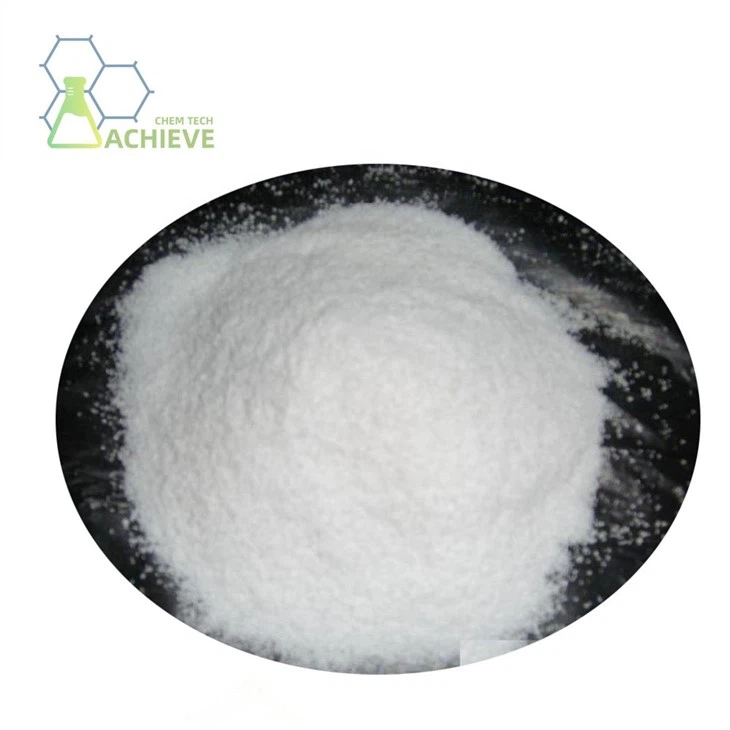

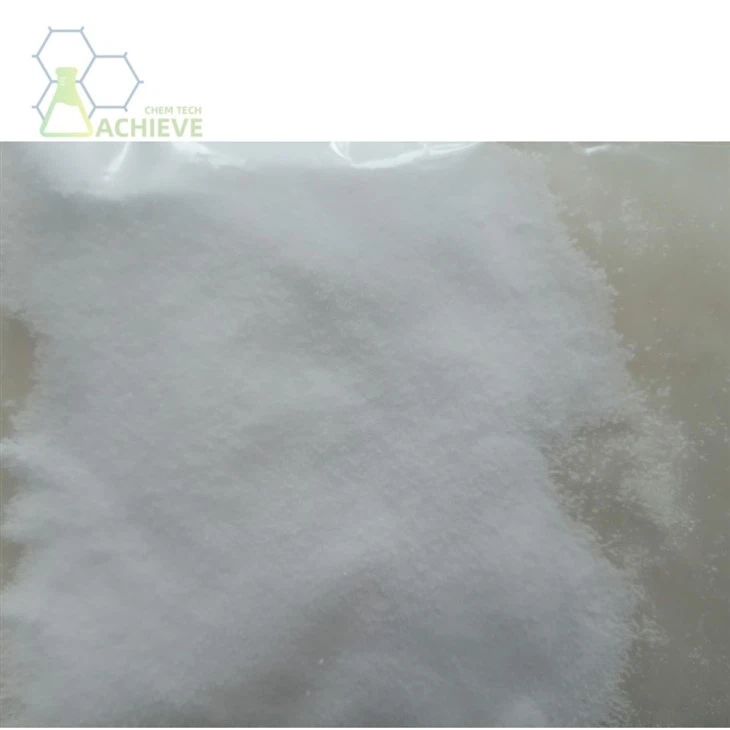


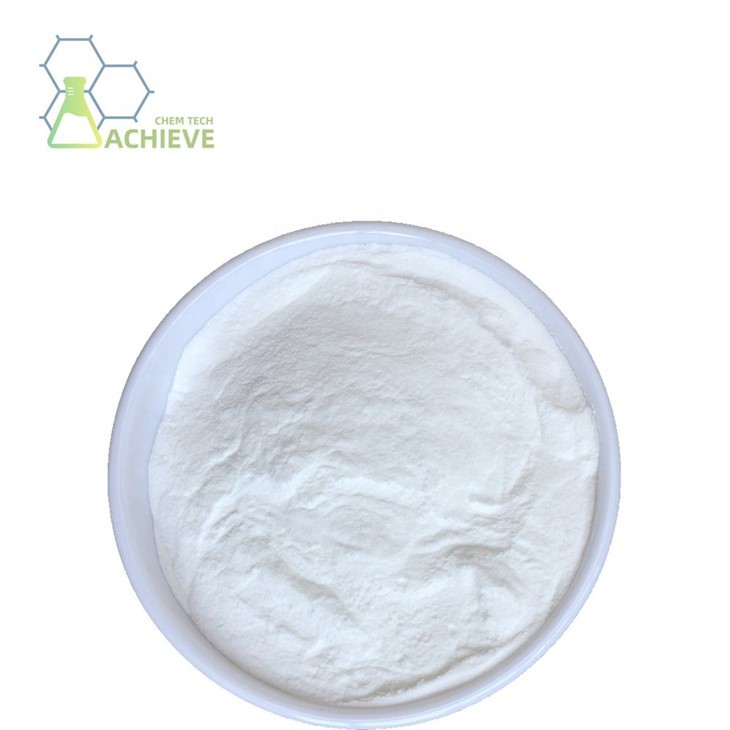
Shaanxi BLOOM Tech Co., Ltd. is one of the most experienced manufacturers and suppliers of lodoacetic acid cas 64-69-7 in China. Welcome to wholesale bulk high quality lodoacetic acid cas 64-69-7 for sale here from our factory. Good service and reasonable price are available.
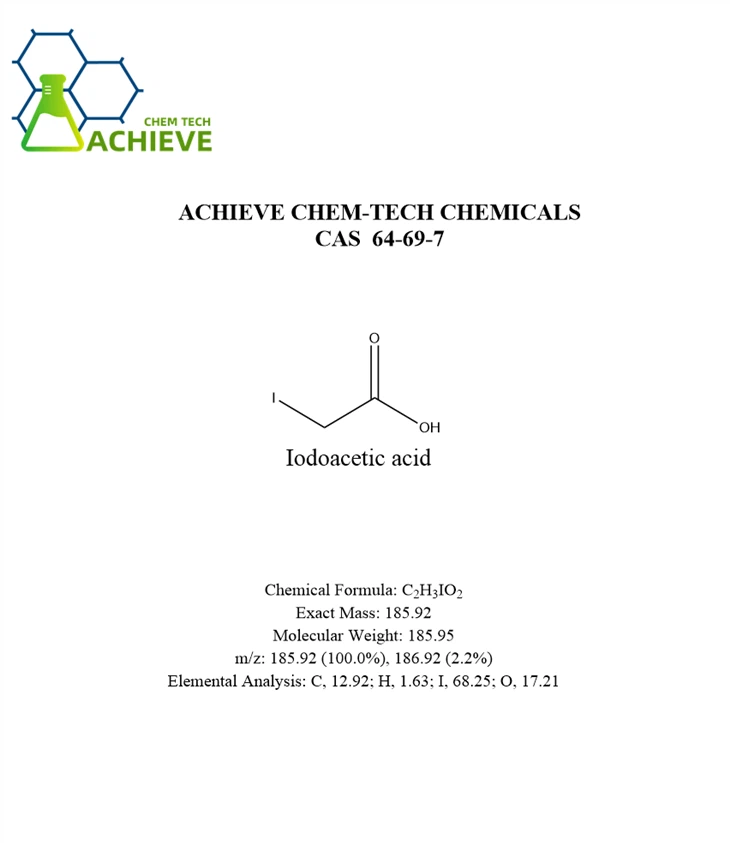
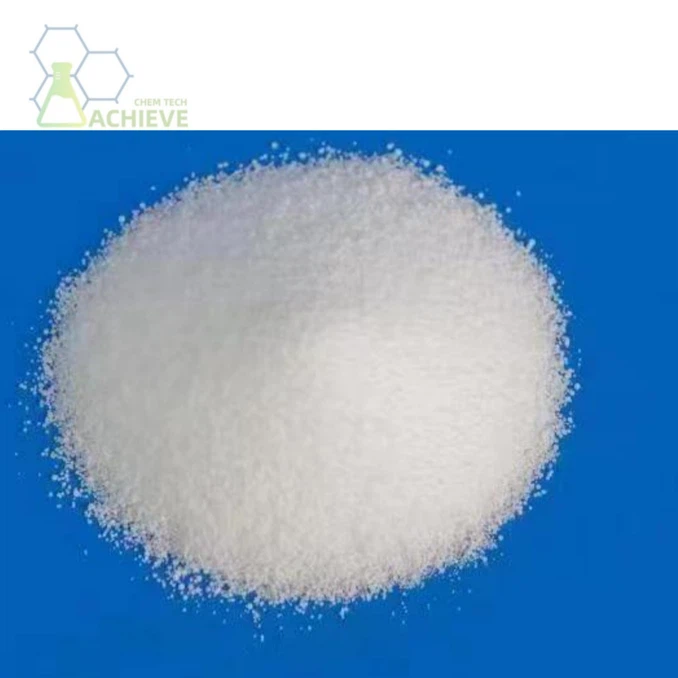
Lodoacetic Acid (IAA) is a halogenated carboxylic acid with the chemical formula ICH₂COOH, a white to yellowish crystal with an irritating odor. The iodine atom and carboxyl group in its molecule make it both alkylating and acidic, and it has important applications in biochemistry and organic synthesis.
Iodoacetic acid is a classical sulfhydryl (-SH) alkylating reagent that irreversibly inhibits cysteine-containing enzymes (e.g., glycolytic pathway glyceraldehyde 3-phosphate dehydrogenase), and is therefore commonly used to study the mechanism of enzyme activity or metabolic pathway blockade. In addition, it modifies sulfhydryl groups in proteins and is used in protein structure studies.In organic synthesis, iodoacetic acid is involved as an alkylating agent or carboxylic acid precursor, but its strong reactivity may result in non-specific modifications and should be used with caution. The compound is a strong irritant to skin, eyes and mucous membranes and is potentially carcinogenic, requiring strict protection during handling. Iodoacetic acid remains an important tool in biochemistry, toxicology and cell metabolism studies due to its wide range of interference with biological systems.

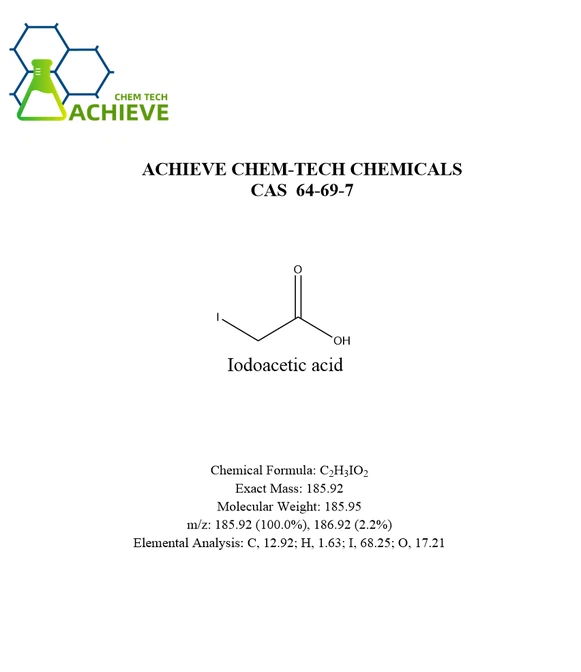
Additional information of chemical compound:
|
Chemical Formula |
C2H3IO2 |
|
Exact Mass |
185.92 |
|
Molecular Weight |
185.95 |
|
m/z |
185.92 (100.0%), 186.92 (2.2%) |
|
Elemental Analysis |
C,12.92; H, 1.63; I, 68.25; O, 17.21 |
|
Melting point |
79℃ |
|
Boiling point |
208℃ |
|
Density |
2.2003 (estimate) |
|
Storage conditions |
2-8℃ |
 |
 |
Protein modifier: Lodoacetic Acid can act as a modifier for cysteine residues in proteins, changing the structure and function of proteins through reaction with cysteine residues, and thus used to study the properties and functions of proteins.

Enzyme inhibitor: It can inhibit the activity of certain enzymes and can therefore be used to study the catalytic and regulatory mechanisms of enzymes.
Determination of thiol group content: This compound can also be used to determine the content of thiol groups (SH groups), providing an important analytical tool for chemical research.
Iodoacetic acid can be used as a drug precursor or intermediate for synthesizing compounds with specific biological activities. These compounds may have biological activities such as antibacterial, antiviral, or anti-tumor, providing important support for medical research and drug development. This compound is often used as an inducer in animal models of arthritis in medical research.


By injecting the substance into the joints of animals, arthritis can be induced, thereby establishing an animal model of arthritis. This model is of great significance for evaluating drugs that inhibit matrix degradation, inducing repair, and assessing the effects of drugs on gait changes. In addition to the above-mentioned uses, it may also have potential application value in other medical fields. For example, it can serve as an inhibitor of certain biochemical reactions, used to study metabolic processes in organisms and the interaction mechanisms of biomolecules.
This compound can be used to study metabolic processes and the interaction mechanisms of biomolecules in living organisms. By interfering with or inhibiting the activity of certain biomolecules, iodoacetic acid can help scientists better understand the complex processes within living organisms. It can react with cysteine residues in proteins, thereby altering the structure and function of the protein.


This characteristic makes iodoacetic acid an important tool for studying the relationship between protein structure and function. Through the modification of this compound, scientists can observe the changes in proteins before and after modification, and infer the function and mechanism of action of proteins. It also has the ability to inhibit certain enzyme activities.
Enzymes are proteins that catalyze chemical reactions in living organisms and are crucial for metabolic processes. It can study the function and mechanism of action of specific enzymes in organisms by inhibiting their activity. This is of great significance for understanding the metabolic pathways and disease mechanisms of organisms. In biological experiments, it can also be used as a marker or detection reagent.

Custom Notebook Solutions

For example, by utilizing its reactivity, it can be combined with certain biomolecules to form markers. These markers can be used in biological experiments to track and detect the location and dynamic changes of specific biomolecules. Given the wide application of this compound in the field of biology, it also has potential prospects for drug development and application. Through further research and optimization, it or its derivatives may become effective drugs for treating certain diseases.

Lodoacetic Acid (IAA), as an organic acid containing iodine, has shown potential as a multifunctional precursor in the fields of organic synthesis, biochemistry, and materials science due to its unique chemical structure and reactivity. Its molecule contains both carboxylic acid groups (- COOH) and iodine atoms (I), endowing it with dual functionality: carboxylic acid groups can participate in esterification, amidation and other reactions, while iodine atoms act as strong electrophilic reagents and can undergo alkylation reactions with thiol groups (- SH). This dual reactivity makes IAA irreplaceable in protein modification, nanomaterial synthesis, and biological probe development.
Dual functional response mechanism
Reactive activity of carboxylic acid groups
Esterification reaction
The carboxylic acid group of IAA can undergo esterification reaction with alcohols to form iodoacetate (CH ₂ I-COOR). For example, reacting with methanol (CH3 OH) can generate methyl iodoacetate (CH ₂ I-COOCH3), which is catalyzed by concentrated sulfuric acid and yields over 85%. Iodine acetate can be used as an important organic synthesis intermediate for the preparation of iodine containing polymers or drug molecules.
Amidation reaction
Carboxylic acid groups react with amines to form iodoacetamide (CH ₂ I-CONH ₂). For example, reacting with ammonia water (NH ∝· H ₂ O) can generate iodoacetamide, which is commonly used as a protein crosslinking agent in biochemistry. By modifying the ε - amino group of lysine residues, proteins can be directionally fixed.
Acid-base reaction
The carboxylic acid groups of IAA can react with bases such as NaOH to form sodium iodoacetate (CH ₂ I-COONa), which has higher solubility in water and can be used to prepare iodine containing water-soluble polymers or surfactants.
Alkylation reaction of iodine atom
The iodine atom of IAA, as a strong electrophilic reagent, can undergo alkylation reaction with thiol groups (- SH) to generate S-carboxymethyl thiol iodide (R-S-CH ₂ - COOI). This reaction has high selectivity and reaction rate, and is commonly used for protein modification and biological probe development.
Protein modification
IAA can specifically modify cysteine residues (Cys) in proteins, transferring iodine atoms to thiol groups through alkylation reactions to form stable thioether bonds (R-S-CH ₂ - COOH). For example, in cytochrome c, IAA can modify residues Cys-102 and Cys-107, altering the conformation and activity of proteins. This modification method has important applications in protein engineering, which can be used to study the structure function relationship of proteins or develop protein drugs.
Nanomaterial synthesis
The iodine atom of IAA can serve as a crosslinking agent for the preparation of iodine containing nanomaterials. For example, combining IAA with gold nanoparticles (AuNPs) can form a stable Au-S-CH ₂ - COOH structure by reacting iodine atoms with thiol groups on the gold surface. This nanomaterial has potential applications in biosensing and drug delivery, as it can further modify targeted molecules (such as antibodies or peptides) through carboxylic acid groups to achieve specific recognition and release.
Development of biological probes
The alkylation reaction of IAA can be used to develop highly sensitive biological probes. For example, by modifying IAA on the surface of fluorescent dyes such as FITC, it can bind to the thiol groups of the target protein through alkylation reaction, achieving fluorescent labeling of the protein. This probe has the advantages of high signal-to-noise ratio and low background interference in cell imaging and protein interaction studies.

The synthesis of Lodoacetic Acid originated from the research boom on organic halogenated carboxylic acids in the mid-19th century. Starting from the 1850s, chemists explored the preparation of halogen-substituted derivatives using acetic acid as the parent compound. In the 1860s, German chemists first obtained crude iodoacetic acid through the substitution reaction of iodine with acetic anhydride or chloroacetic acid, confirming it as the monoiodo-substituted derivative of acetic acid. However, limited by separation technologies at that time, the product purity was low. It was only used as a basic organic synthesis intermediate and had not yet been applied in biological fields.
In 1929, the research conducted by Einar Lundsgaard, a Danish physiologist, marked a turning point. He found that muscle tissue treated with iodoacetic acid in vitro failed to produce lactic acid via glycolysis of glycogen, resulting in electrically silent contracture of the muscle. This was the first evidence that iodoacetic acid could specifically block the glycolytic pathway. The discovery shocked the academic community, inaugurated the application of iodoacetic acid in biochemistry, and elevated it from an ordinary organic reagent to a core tool for metabolic research.
From 1930 to 1934, research focused on the molecular targets of iodoacetic acid. Scholars including Lundsgaard and Dickens confirmed that iodoacetic acid irreversibly inhibits key glycolytic enzymes (such as glyceraldehyde-3-phosphate dehydrogenase) by alkylating the cysteine thiol groups (-SH) at the enzyme active sites. In 1934, Michaelis and Schubert systematically verified the reaction between iodoacetic acid and thiol compounds, clarifying its chemical nature as a thiol-specific modifying reagent. This laid the theoretical foundation for its widespread application in enzymological studies.
Since the mid-20th century, the applications of iodoacetic acid have continued to expand. It has been used for the quantification of protein thiols, regulation of enzyme activity, and analysis of metabolic pathways. It has also become an important tool for the study of glycogen metabolic diseases such as McArdle's disease. Its synthetic process has been continuously optimized, evolving from early substitution reactions to the nucleophilic substitution method using chloroacetic acid and sodium iodide, enabling high-purity and large-scale preparation. To this day, iodoacetic acid remains an indispensable standard reagent in biochemistry and molecular biology laboratories, and its discovery history serves as a classic example of interdisciplinary research between chemistry and biology.
Titrimetric Analysis
Acid-base titration is commonly used for the determination of Lodoacetic Acid content. The sample is dissolved in neutral ethanol or a water-ethanol mixture, and titrated directly with a standard sodium hydroxide solution using phenolphthalein as the indicator. The content of the main component is calculated based on the volume consumed. This method is simple to operate and low in cost, making it suitable for the rapid detection of industrial-grade products.

For the characteristic structure of iodoacetic acid, the argentometric method can also be adopted. By utilizing the precipitation reaction between iodide ions and silver nitrate, the purity of iodoacetic acid is determined indirectly, which is suitable for the preliminary screening of iodine-related impurities.

High Performance Liquid Chromatography (HPLC)
HPLC is a commonly used precise quantitative method in laboratories. A C18 reversed-phase column is employed with a phosphate buffer-acetonitrile system as the mobile phase, and detection is performed at a wavelength of 210 nm using an ultraviolet detector.
This method can effectively separate iodoacetic acid from impurities such as its degradation products and raw material residues. It features a wide linear range and good repeatability, making it applicable for the detection and quality control of high-purity samples. It is also a common arbitration method specified in pharmacopoeias and chemical industry standards.
UV-Vis Spectrophotometry
Iodoacetic acid has characteristic absorption in the ultraviolet region. Its absorbance can be measured within the range of 200–220 nm, and quantification is carried out according to a standard curve.
This method is rapid and sensitive, suitable for the rapid screening of large batches of samples. However, it has relatively low specificity and is often used in combination with chromatographic methods for the preliminary evaluation of sample purity and concentration.


Qualitative Analysis by Infrared Spectroscopy
Infrared spectroscopy can be used for the structural identification of iodoacetic acid. It shows a strong stretching absorption peak of the carboxyl C=O bond at 1700–1750 cm⁻¹ and characteristic absorption of the C-I bond in the region of 1100–1300 cm⁻¹.
FAQ
What does iodoacetic acid do?
+
-
Iodoacetic acid (IAA) blocks the thiol group of cysteine. IAA inhibits glyceraldehyde-3-phosphate dehydrogenase (G3PDH) by interacting with sulfhydryl group of the active site cysteine. IAA inhibits the progression of solid Ehrlich carcinoma. IAA is one of the iodinated disinfection byproducts in drinking water.
Is iodoacetic acid organic or inorganic?
+
-
Iodoacetic acid is an organic compound with the chemical formula ICH 2CO 2H. It is a derivative of acetic acid.
Hot Tags: lodoacetic acid cas 64-69-7, suppliers, manufacturers, factory, wholesale, buy, price, bulk, for sale, Thioacetic acid powder, 1 10 Phenanthroline Powder CAS 66 71 7, Thiazolyl Blue CAS 298 93 1, Cinchonine, DELTA9 TETRAHYDROCANNABIVARIN CAS 31262 37 0, Cerium sulfate powder