


Parasite control remains a pressing concern for veterinary professionals, agricultural operations, and chemical distributors who supply the raw materials behind these formulations. Compound fipronil drops have earned a steady reputation as a dependable solution against fleas, ticks, and other external pests. This article explores the science that behind these drops, explaining how the active ingredient interacts with a parasite's neurological system to provide predictable outcomes. Readers will be presented with a detailed overview of the substances involved, the biochemical mechanism leading to parasite eradication and the practical effects found in diverse pest species. If you're a pharma buyer, a specialty chemical distributor, or a research team looking for novel formulations, this book provides solid, fact-based insight into why compound fipronil drops maintain their position in the parasite control market.
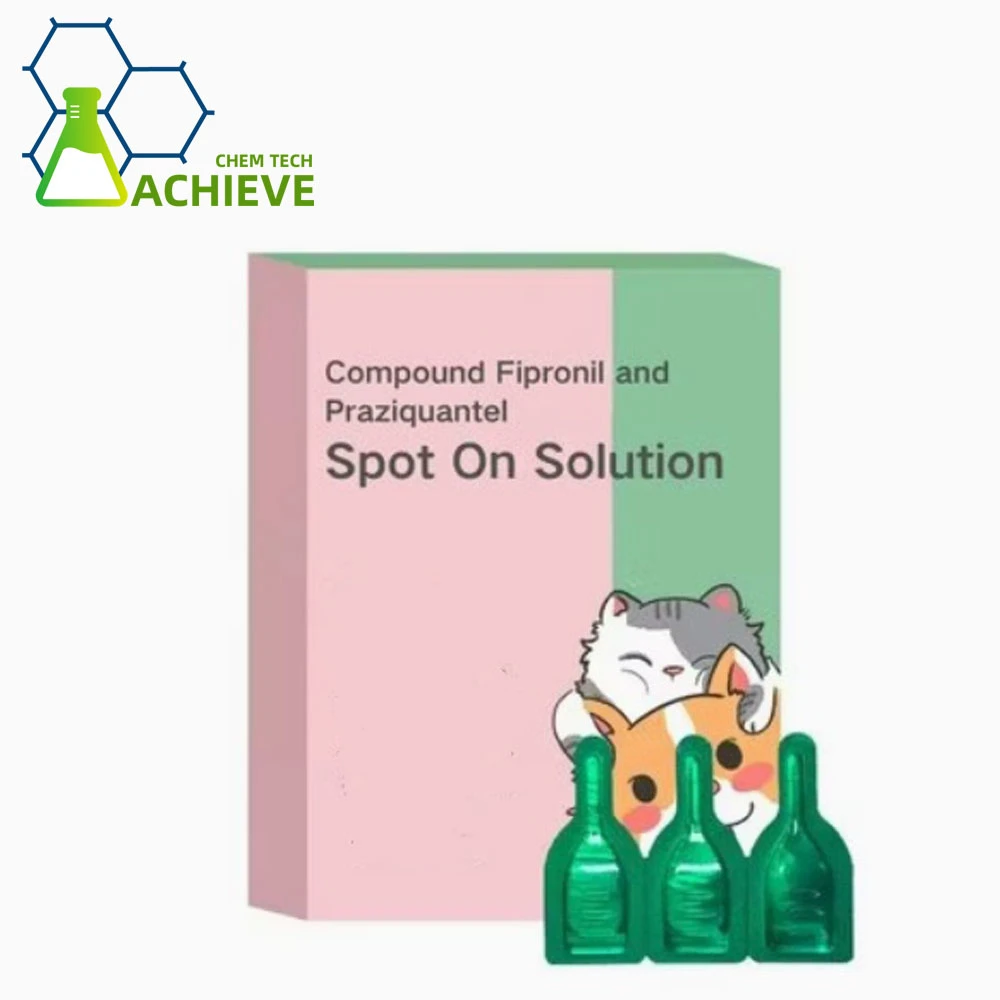
Compound Fipronil And Praziquantel Spot On Solution
1.General Specification(in stock)
(1)Solution
2.Customization:
We will negotiate individually, OEM/ODM, No brand, for secience researching only.
Internal Code: BM-9-022
Compound Fipronil and Praziquantel Spot On Solution
Main market: USA, Australia, Brazil, Japan, Germany, Indonesia, UK, New Zealand , Canada etc.
Manufacturer: BLOOM TECH Xi'an Factory
Analysis: HPLC, LC-MS, HNMR
Technology support: R&D Dept.-4
What Active Ingredients Make Compound Fipronil Drops Effective Against Parasites?
Behind every successful parasiticide there is a carefully selected mix of active and supportive substances. The active ingredient in compound fipronil drops is mostly fipronil, a phenylpyrazole compound that was initially created in the 1980s and has been extensively marketed since the mid-1990s. Owing to its stability and broad-spectrum action against arthropods, this chemical has emerged as one of the most investigated insecticidal compounds in veterinary and agricultural chemistry.
Fipronil as the Core Active Compound
Fipronil is a neurotoxin that slowly affects the insect and arachnid central nervous system. Its chemical nature permits it to stay active on the skin surface and in hair follicles for a longer amount of time, giving it a longer residual impact than many previous insecticidal treatments. Because of its lipophilic nature, the chemical may easily dissolve into the natural oils of an animal's coat and disseminate throughout the body surface without having to be taken into the circulation in substantial amounts.
Supporting Ingredients and Formulation Synergy
Fipronil drops include solvents and stabilizers besides the active ingredient to assist the fipronil molecule spread uniformly.
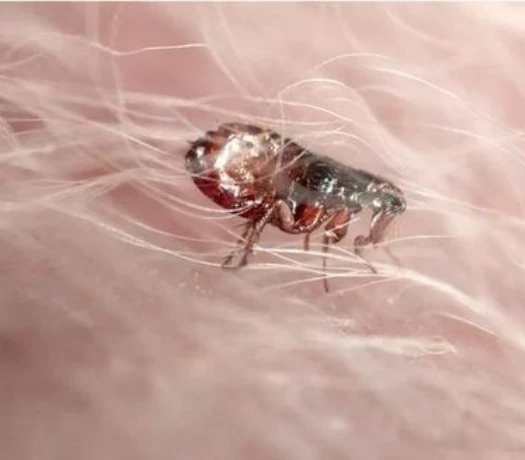
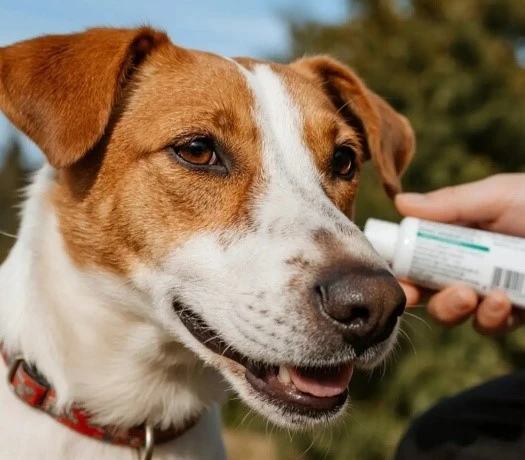
Some formulas combine fipronil with growth regulators that interfere with the reproductive cycle of fleas and other pests at the larval stage. This combination has a double effect, affecting the nervous system of the adult parasites and preventing the immature stages from maturing. The ensuing synergy increases the practical window of protection, and minimizes the chance of a recurrent infestation quickly after treatment.
Why Purity and Sourcing Matter for Efficacy?
The performance of compound fipronil drops depends heavily on the purity grade of the raw fipronil used during manufacturing. Impurities or degraded batches can reduce potency and shorten the duration of protection.
Buyers sourcing fipronil for formulation work should request documentation confirming the compound's identity, concentration, and stability data.Reliable sourcing partners typically provide batch-specific certificates of analysis, which help formulators avoid inconsistent results across production runs. This attention to raw material quality is often what separates a dependable supplier from one whose products yield unpredictable outcomes in the field.
Fipronil and GABA-Gated Chloride Channel Inhibition in Compound Fipronil Drops
To understand fipronil's action on a parasite's neurological system, it is necessary to consider the GABA-gated chloride channel, a structure common to the neural systems of insects, arachnids and other invertebrates. This channel plays an essential function in controlling nerve impulse transmission, and fipronil's ability to disrupt this process underlies its insecticidal activity.
Understanding GABA Receptors in Invertebrate Nervous Systems
Gamma-aminobutyric acid (GABA), an inhibitory neurotransmitter. When GABA binds to its receptor it creates a chloride channel which permits negatively charged chloride ions to enter into the nerve cell . This inflow dampens the nerve cell and stops it from firing too much, keeping the neurological system in balance. In parasites such as fleas and ticks , this regulatory system is vital for proper muscle control and coordinated movement .
How Fipronil Binds and Blocks Chloride Flow
Fipronil binds to a place on the GABA receptor separate from the region where GABA itself connects, yet its presence still inhibits the chloride channel from opening correctly.
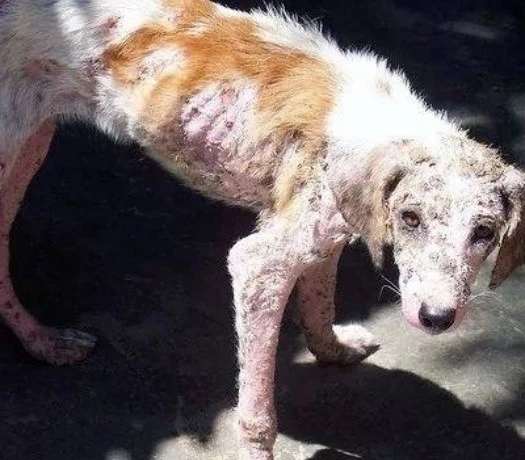
Without controlled passage of chloride ions, nerve cells become overstimulated. This unregulated electrical activity builds up, causing tremors, hyperexcitability and ultimately paralysis of the infected parasite. The mechanism is non-competitive inhibition, which means that fipronil does not have to replace GABA directly to block its action, helping to maintain its efficacy even at lower doses.
Selectivity Between Insect and Mammalian Receptors
One of the most interesting elements of fipronil's chemistry is its selective affinity. Insects and arachnids have GABA receptors that are physically different from those of humans. Compound fipronil drops may be given topically to cats,
dogs and cattle with a well-established safety profile when used according to label guidelines since fipronil has a far greater affinity for the invertebrate form of the receptor. However, this selectivity is not absolute, and this is why formulation experts carefully tune dosage levels to promote parasite control while retaining an adequate margin of safety for the host animal.
How Does Fipronil Disrupt Parasite Nerve Signal Transmission After Topical Application?
The practical value of any topical parasiticide lies in how efficiently it travels from the application site to the parts of the parasite's body where it exerts its effect. Compound fipronil drops are designed with this transport pathway in mind, moving from the skin surface into the sebaceous glands before reaching the parasite during contact or feeding.
Absorption Through the Skin and Sebaceous Glands
Once applied, fipronil is dispersed across the skin by the natural oils released by the sebaceous glands. These glands operate as a reservoir, slowly releasing the chemical over weeks. One reason why a single application provides protection that lasts far longer than a surface spray is the slow release. The substance doesn't have to enter the bloodstream to be effective, and thus maintains its activity restricted to the skin and coat where parasites feed and live.
Distribution Across the Parasite's Nervous System
When a flea or tick contacts treated skin or hair, or feeds, it absorbs fipronil via its exoskeleton.
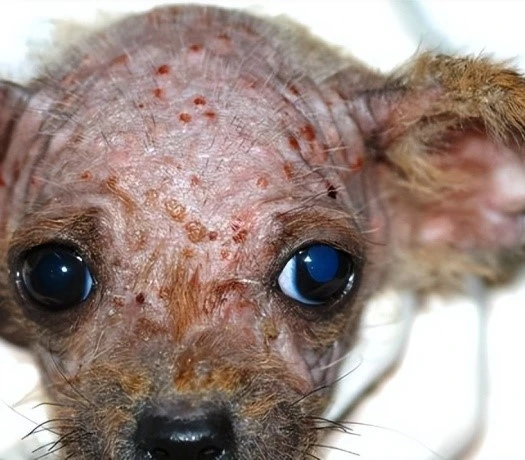
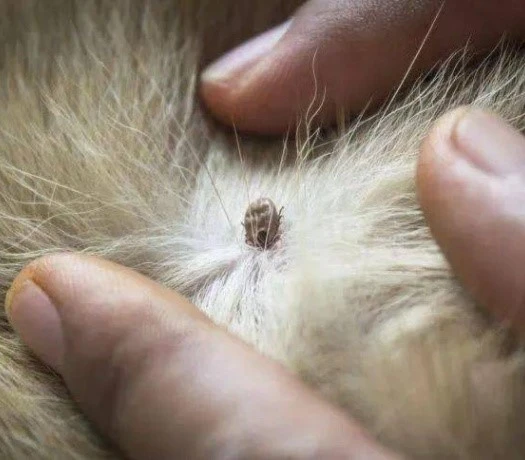
The substance subsequently passes through the parasite's bodily fluid to reach nerve tissue. The neural system of arthropods is very simple and compact when compared to that of mammals and hence the chemical reaches its target receptors fast once ingested. One reason why fipronil-based therapies begin to impact pest behavior within hours of exposure is the quick diffusion of the medications.
Onset of Paralysis and Death in Target Pests
The accumulation of fipronil at the GABA receptor sites causes the nerve cells in the parasite's body to fire uncontrollably. Affected fleas generally exhibit irregular activity before becoming motionless.
Disruption in feeding behavior might cause ticks to detach from a host before they are ready. Death usually occurs within 24 to 48 hours depending on the kind of parasite, the temperature of the environment and the dose of the particular formulation employed. This timetable is extensively established in the veterinary pharmacology literature and is congruent with field findings recorded by animal health researchers .
Compound Fipronil Drops and Their Effects on Fleas, Ticks, and Other Ectoparasites
Compound fipronil drops' practical repute is based on the measured results against a variety of ectoparasites. Fleas and ticks are the most frequent targets, however the chemical is also active against numerous other types of pests.
Flea Life Cycle Interruption
Fleas spend much of their life cycle away from the host, in carpets, bedding and dirt. Fipronil itself acts directly on adult fleas, but many of the formulations combine it with an insect growth regulator that affects egg and larval development. With this combination, as adult fleas are being wiped off by nerve disruption, the environment around them is becoming more and more inhospitable for the next generation. It has been proven in tests in veterinary medicine that sufficient active ingredient may be lost via the coat of treated animals to kill freshly developing fleas in bedding material so extending the practical influence beyond the animal itself.

Tick Attachment and Feeding Prevention
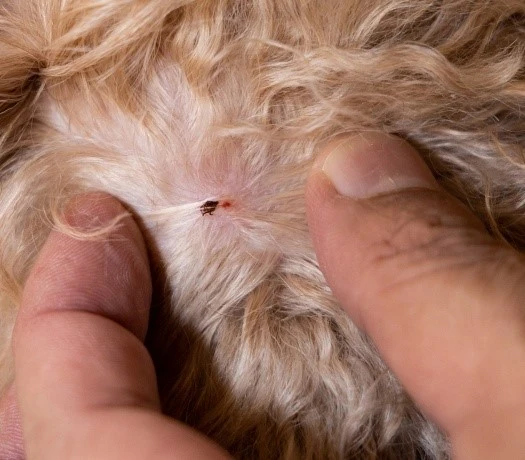
Ticks must remain in touch with the host skin for a long time to feed properly. Their feeding is a muscular activity that requires coordination to penetrate the skin and anchor their mouthparts. Fipronil disrupts this coordination by disrupting nerve communication and will typically cause the tick to drop off before it has a chance to finish a full feeding cycle. The shorter period of attachment is therapeutically relevant since a minimum time of feeding is needed for the transmission of many tick-borne illnesses from host to parasite. Lessening the window lessens the total risk of pathogen spread.
Broader Spectrum Against Mites and Lice
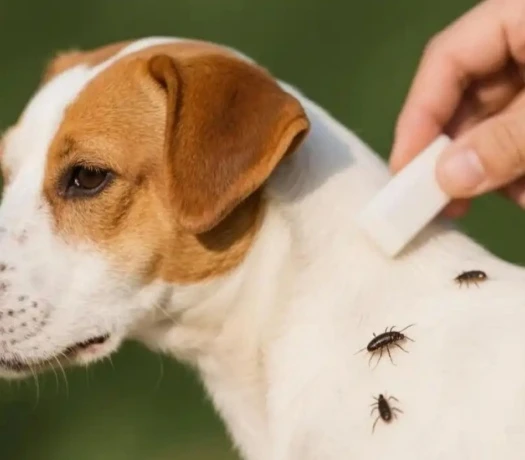
Though fleas and ticks get the lion's share of attention, the compound drops of fipronil have been shown to be effective against several kinds of mites and biting lice. All these pest types have comparable design of the invertebrate nervous system, hence this method of GABA receptor applies. Field trial and controlled trial data are consistent in showing a reduction in mite populations on treated animals after one to two weeks of administration, with effectiveness varying with mite species and severity of infestation. This greater scope allows purchasers to get a single formulation to fix several insect problems at once, which is a practical advantage.

How Do Customers Evaluate Compound Fipronil Drops for Different Parasite Control Needs?
Buyers in pharmaceutical manufacturing, veterinary distribution and specialty chemical sourcing have a specific set of evaluation criteria for sourcing fipronil compound drops. It's useful for anyone sourcing raw fipronil or finished formulations to understand what these buyers want.
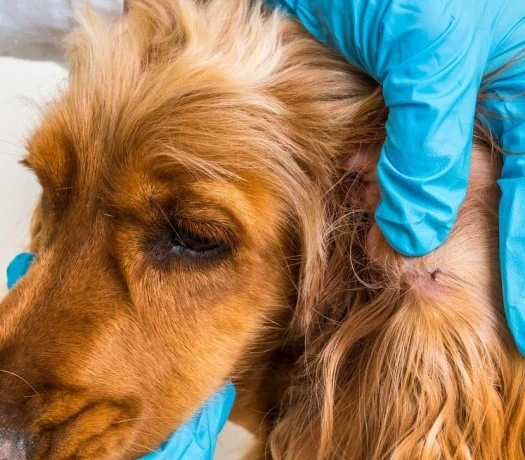
Quality Benchmarks Buyers Look For
Purity percentage, batch consistency, and documented stability under various storage conditions rank among the top priorities for serious buyers. The quality of raw material might ruin a whole production batch and hence customers in the pharmaceutical sector typically want documents showing conformity with accepted manufacturing standards. Buyers are also interested in impurity profiles, since some breakdown products can affect efficacy, and in regulatory compliance in different markets.
Application Flexibility Across Species and Settings
Not all end markets have the same formulation characteristics.
A buyer supplying companion animal products may prioritize a lower concentration suited for sensitive skin, while a buyer serving livestock operations may need a formulation designed for larger-scale application across cattle or sheep. The flexibility of choosing the concentration and carrier solvent allows manufacturers to serve multiple market segments from a single core active ingredient supply chain. This flexibility is one reason why compound fipronil drops remain attractive to buyers who are handling varied product lines.
Sourcing Considerations for Bulk Buyers
In the pharmaceutical, specialty chemical, and agricultural sectors, bulk buyers tend to place as much emphasis on supplier reliability as on product quality.

Lead time predictability, transparent documentation for customs clearance, and consistent batch-to-batch performance all factor into long-term purchasing decisions. Buyers who have had supply problems in the past are more likely to select suppliers that can demonstrate that they have traceable quality control processes in place from initial synthesis through to final quality assurance testing. These variables frequently override slight cost variations when customers are choosing a long-term raw material partner.
Conclusion
Compound fipronil drops owe their effectiveness to a well-understood biochemical pathway involving GABA-gated chloride channel inhibition, a mechanism that disrupts nerve signaling in fleas, ticks, and related ectoparasites while maintaining a favorable safety margin for host animals. Everything from absorption via the sebaceous glands to the final paralysis of target pests is a reflection of decades of pharmacological study. When buyers are assessing raw fipronil or final formulations, they appreciate knowing the science, as well as practical quality standards that affect product performance. Demand for a reliable, well-documented supply of fipronil is robust throughout the pharmaceutical, veterinary and specialty chemical industries as the parasite control business continues to develop.
Frequently Asked Questions
1. Q: How long does a single application of compound fipronil drops remain effective?
+
-
A: Most formulations provide protection lasting approximately four to six weeks, depending on concentration, application method, and environmental exposure such as bathing or swimming.
2. Q: Can compound fipronil drops affect pets with sensitive skin?
+
-
A: Reactions are uncommon when products are used according to label guidance, though formulators should consider lower concentration options for sensitive applications and consult relevant safety data sheets.
3. Q: Is fipronil effective against pesticide-resistant flea populations?
+
-
A: Resistance patterns vary by region and flea strain. Ongoing monitoring and rotation with alternative modes of action help maintain long-term effectiveness in areas with documented resistance concerns.
Partner with Bloomtechz for Reliable Compound Fipronil Drops Supply
Bloomtechz has more than 10 years of expertise in synthesis of organic compounds and a GMP certified manufacturing network in an area of 100,000 square meters permitted by US, EU, Japanese and Chinese regulatory bodies. We are an approved supplier for 24 multinational pharmaceutical and research institutions, with transparent pricing, triple-stage quality certification, and ERP-tracked order correctness from inquiry to delivery. Our database encompasses over 250,000 chemical compounds, allowing formulators consistent access to raw fipronil and associated intermediates without needless delays. If your organization is searching for a trusted compound fipronil drops Supplier capable of meeting pharmaceutical-grade standards, reach out to our team at Sales@bloomtechz.com to discuss your specifications, lead times, and documentation requirements. We look forward to building a long-term supply partnership with your organization.
References
1. Narahashi, T. (2000). Neuroreceptors and ion channels as the basis for drug action: past, present, and future. Journal of Pharmacology and Experimental Therapeutics.
2. Zhao, X., Yeh, J. Z., Salgado, V. L., & Narahashi, T. (2005). Fipronil is a potent open channel blocker of glutamate-activated chloride channels in cockroach neurons. Journal of Pharmacology and Experimental Therapeutics.
3. Cole, L. M., Nicholson, R. A., & Casida, J. E. (1993). Action of phenylpyrazole insecticides at the GABA-gated chloride channel. Pesticide Biochemistry and Physiology.
4. Tingle, C. C., Rother, J. A., Dewhurst, C. F., Lauer, S., & King, W. J. (2003). Fipronil: environmental fate, ecotoxicology, and human health concerns. Reviews of Environmental Contamination and Toxicology.
5. Dryden, M. W., & Rust, M. K. (1994). The cat flea: biology, ecology, and control. Veterinary Parasitology.
6. Jeschke, P., Nauen, R., & Beck, M. E. (2013). Nicotinic acetylcholine receptor agonists: a milestone for modern crop protection. Angewandte Chemie International Edition.