


Fleas and ticks are a constant problem for dogs and cats but learning how one pill takes care of these pests in their tracks is an interesting aspect of veterinary science. Fluralaner is a proven active ingredient in current flea and tick treatments. It acts on a neuronal channel called the glutamate-gated chloride channel, which is present nearly exclusively in insects and arachnids. This article explains out how fluralaner finds its way to that channel, why the interaction is important for pet safety, and what it implications for anybody acquiring ectoparasiticide raw ingredients or completed formulations at scale. Veterinary product formulators, distributors, and purchasing groups looking for a reliable supply of fluralaner can find direct, evidence-based solutions below.
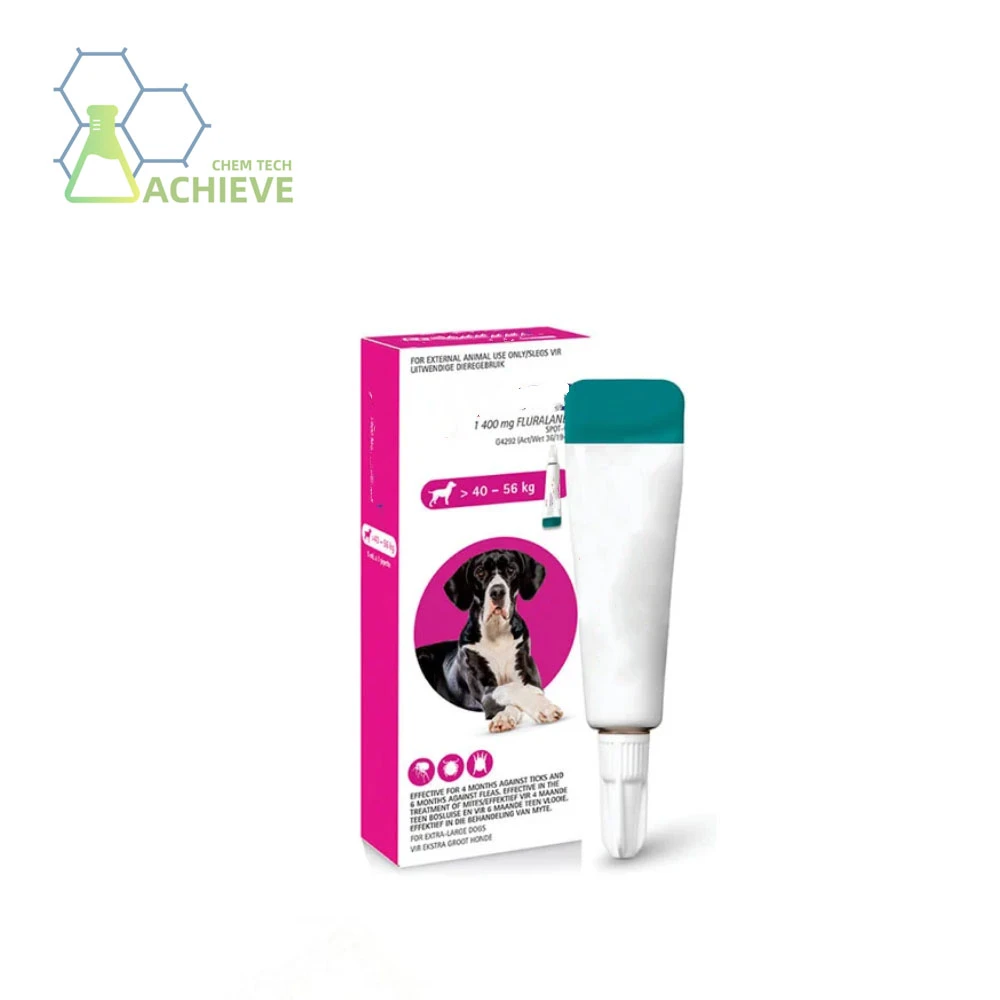
Fluralaner Drops
1.General Specification(in stock)
(1)Solution
(2)Tablet
(3)Injection
(4)Spray
(5)Drops
2.Customization:
We will negotiate individually, OEM/ODM, No brand, for secience researching only.
Internal Code:BM-9-007
Fluralaner CAS 864731-61-3
Main market: USA, Australia, Brazil, Japan, Germany, Indonesia, UK, New Zealand , Canada etc.
Manufacturer: BLOOM TECH Xi'an Factory
Analysis: HPLC, LC-MS, HNMR
Technology support: R&D Dept.-4
How Does Fluralaner Interact with Glutamate-Gated Chloride Channels?
Fluralaner is an isoxazoline, a family of chemicals designed to strike the nervous system of invertebrates with pinpoint accuracy. Fluralaner does not interfere with wide biological processes but targets glutamate-gated chloride channels, which are receptors found in large numbers in insects, ticks and mites. These channels control the transport of chloride ions across nerve cell membranes and the structure of the molecule fluralaner enables it to interact with the binding pocket of the channel with a high affinity.
This selective binding is why fluralaner pills are effective in controlling fleas and ticks without harming the pet that carries them. Mammalian neurological systems depend on various receptor subtypes, and the protective blood-brain barrier prevents unintentional exposure in dogs and cats. When fluralaner binds to the glutamate-gated chloride channel, it modifies the structure of the receptor just enough to keep the chloride channel open, which starts the process of paralysis outlined in following sections.
Binding Affinity and Receptor Selectivity
The chemical backbone of fluralaner fits well into the binding site of the glutamate-gated chloride channel, establishing a stable link that is not so easily displaced.


This receptor subtype is not common in mammalian tissue, hence dogs and cats metabolise the chemical without the neurological damage that occurs in parasites. The receptor specificity of isoxazoline chemicals is often cited by pharmacology experts as a defining safety trait of the whole medication family, separating it from previous, less focused pesticide chemistries.
Structural Features That Drive Channel Binding
The spatial arrangement of the trifluoromethyl and chlorine substituents of fluralaner plays a significant role in anchoring the molecule in the channel pore. These structural features, as shown by receptor binding tests and comparative pharmacology investigations, serve to explain the lengthy duration of action of the molecule.
One dosage lasts weeks, a convenience element appreciated by veterinary clinics and pet owners dealing with recurrent flea and tick exposure in various seasons and regions.
Fluralaner and Chloride Ion Flow in Parasite Nerve Cells
Nerve cells use tightly regulated flows of ions to start and halt electrical impulses. Chloride ions usually pass via glutamate-gated chloride channels in brief, controlled bursts, so that the neurones may relax between impulses and react properly to fresh inputs. Fluralaner disrupts this rhythm by keeping the channel open, so chloride ions stream into the nerve cell constantly, rather than in regulated pulses.
This continued influx of ions locks the neurone in a condition of overinhibition, blocking normal communication between nerve cells throughout the body of the parasite. When a flea or tick bites a pet treated with fluralaner , the compound is in the blood and reaches the parasite when it feeds . The disruption occurs in the fleas and ticks immediately after they bite . This imbalance is responsible for the rapid decline in flea and tick activity after therapy.
What Happens When Chloride Channels Stay Open
When chloride ions flow into the neurone continuously, the charge equilibrium in the cell is lost.
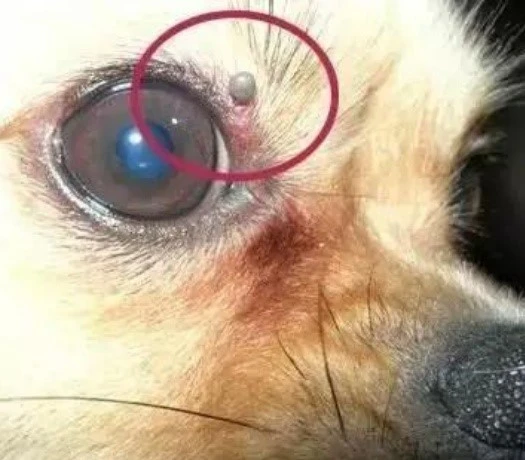

The imbalance disrupts the electrical impulses parasites need to coordinate muscle movements and other fundamental survival tasks. Fleas and ticks are unable to move normally within hours after treatment, allowing quick reduction of the population on the treated animal and reducing further discomfort to the host.
Comparing Healthy and Disrupted Nerve Signals
The healthy parasite nerve cell sends out brief, regulated pulses, so the organism can respond to its surroundings, find a host and eat effectively. But with fluralaner, the pulses vanish, replaced with a flat, overwhelming signal that renders muscles inactive.
This difference emphasises the reason why glutamate-gated chloride channels are such a solid target for flea and tick control medications, including the fluralaner tablets made at Bloomtechz manufacturing facilities for worldwide veterinary markets.
How Does Fluralaner Disrupt Parasite Neural Signaling?
Parasite nervous systems rely on fast, coordinated electrical impulses to coordinate locomotion, eating and reproduction. Fluralaner disrupts this coordination by locking glutamate-gated chloride channels in the open position, flooding the neurone with inhibitory impulses. The parasite 's nervous system basically loses its organization , not sending coherent instructions to the muscles and other associated tissues .
Once fluralaner has entered the nerve tissue of the parasite via a blood meal from a treated pet, this disruption spreads rapidly throughout the parasite's body. This kind of receptor is crucial for basic nerve function in insects and arachnids, therefore fluralaner seems to act quicker and more thoroughly than therapies targeting less vital biological functions.
Overstimulation Leads to Paralysis
But instead of the short, regulated impulses the parasite's muscles require to move in a coordinated way, the chloride ions flood the neurone with a persistent inhibitory signal. This causes a cascade paralysis, usually starting in the legs and mouthparts,
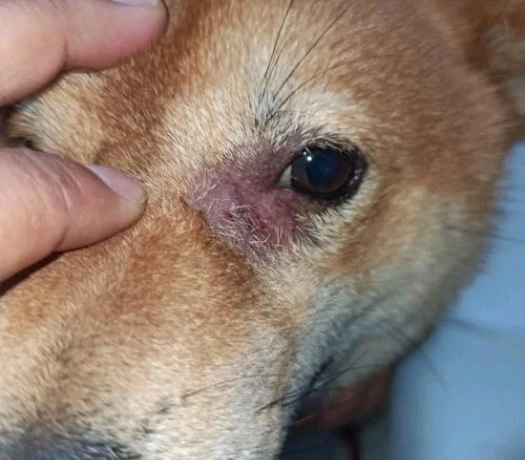
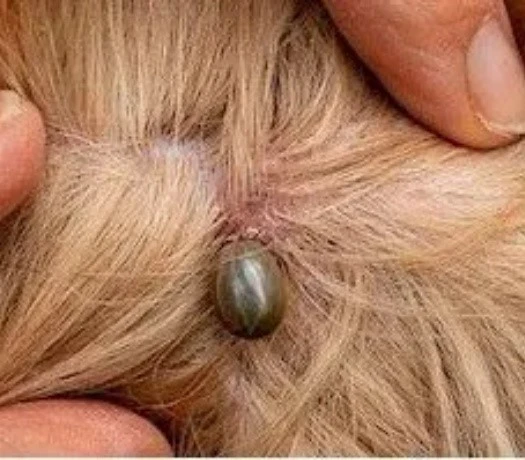
the structures used by parasites to attach to a host and feed.Within a short time of exposure, afflicted fleas and ticks are unable to connect, eat or reproduce properly.
Speed of Action Against Fleas and Ticks
Fluralaner pills are known to work fast once they get into a pet's circulation. Fleas frequently cease feeding within hours of contact with treated blood, which limits additional skin irritation and reduces potential for disease transmission. Ticks also have the same breakdown in function of the nervous system, which limits the time that they could be able to transfer hazardous viruses to a host animal while attached.
Glutamate-Gated Chloride Channels in Flea and Tick Control
Glutamate-gated chloride channels are at the heart of current flea and tick management. They provide a route almost absent from the invertebrate world. Because the receptor shape is generally similar in insects, ticks and mites, users of fluralaner should expect similar effects against many ectoparasites. "This consistency makes fluralaner tablets a reliable tool for veterinary clinics, pet product manufacturers and distributors dealing with varying pest pressures in different regions throughout the year."
Targeting this channel significantly slows the rate at which resistance may develop, compared with previous chemical classes, since the mode of binding blocks a function that parasites cannot simply circumvent by simple behavioural or metabolic changes.
Why This Receptor Matters for Pest Management
Previous generations of flea and tick medicines typically acted via neural pathways common to a wider variety of arthropods, including some helpful insects. Researchers may target glutamate-gated chloride channels, which are smaller and more specific, therefore lowering the probability of off-target impacts in the environment, while still effectively controlling pests in the treated animals.
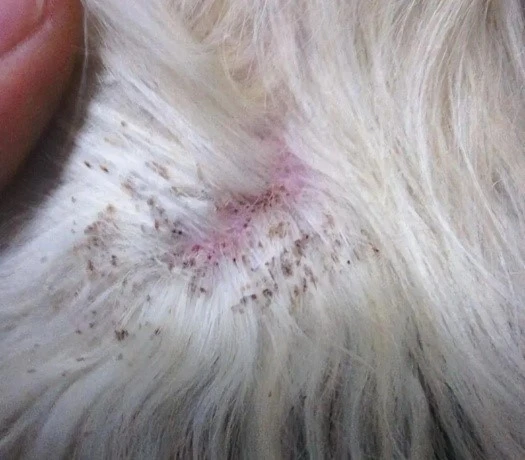
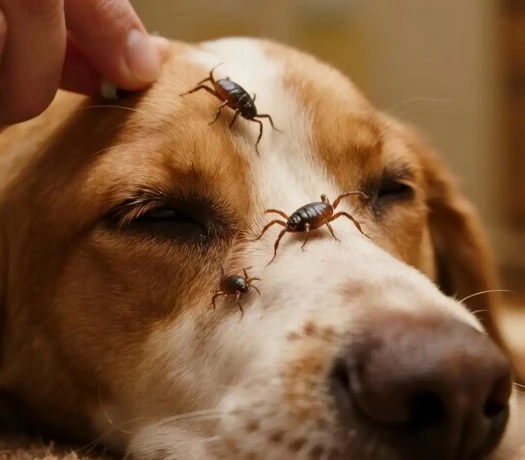
This level of accuracy has been a hallmark of isoxazoline chemistry in the wider parasiticide business.
Broad-Spectrum Activity Against Multiple Parasites
The glutamate-gated chloride channels are necessary for proper nerve activity in ticks such as Ixodes scapularis and Rhipicephalus sanguineus and fleas such as Ctenocephalides felis. it's capacity to interfere with this common receptor allows it broad-spectrum efficacy, killing more than 98 percent of fleas after 12 hours of dosing and achieving complete eradication in several recorded instances within 48 hours. That breadth makes fluralaner useful for broad flea and tick control programs, not restricted, single-species treatments.
Why Are Glutamate-Gated Chloride Channels Important to Fluralaner?
It's the glutamate-gated chloride channels that give fluralaner its signature safety profile. Mammals don't have a major presence of this receptor subtype in accessible nerve tissue, therefore dogs and cats don't suffer the paralysis effects that make this medication so powerful against parasites. Formulation teams and veterinary experts often cite this receptor gap as one of the most obvious instances of selective toxicity in current parasiticide research.
This receptor interaction also enables longer periods between doses , since fluralaner stays active in a pet's system for a long time after a single dosage, continuing to bind to glutamate-gated chloride channels in any parasite trying to feed during that time.
A Safety Advantage for Dogs and Cats
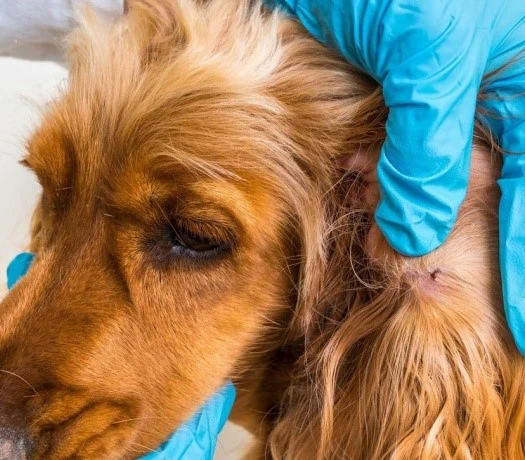
Dogs and cats have a blood brain barrier that prevents fluralaner from accessing the receptors in the central nervous system at relevant quantities. This is an additional layer of protection on top of the basic mismatch of receptors. This built-in safety margin is a benefit for both pet owners and veterinary teams,allowing fluralaner tablets to be administered with confidence to a broad variety of breeds, ages and bodily conditions.
A Foundation for Long-Lasting Protection
Fluralaner works by binding to the glutamate-gated chloride channels and is effective as long as it can be detected in the circulation during the treatment window. This prolonged action minimises the need for frequent dosing by pet owners, allowing for improved compliance and continued flea and tick protection for many weeks, not just a few days.
Conclusion
The link between fluralaner and glutamate-gated chloride channels may explain much of the effectiveness, selectivity and reliability of fluralaner in the treatment of fleas and ticks. Fluralaner works by opening a neural channel that is present almost exclusively in parasites, providing powerful pest control while keeping a broad safety margin for dogs and cats. This insight helps veterinary product makers, distributors and researchers understand why fluralaner continues to be a trusted active ingredient in worldwide markets, from clinical practice to large-scale production.
Frequently Asked Questions
1.What makes glutamate-gated chloride channels different from mammalian chloride channels?
+
-
These channels are largely present in insects, ticks and mites whereas humans use distinct receptor subtypes, particularly below the blood brain barrier. This structural difference enables fluralaner to act on parasites without greatly damaging the pet's nervous system.
2.How quickly does fluralaner begin affecting fleas and ticks?
+
-
Fluralaner often interrupts flea activity within hours after a bite and many ticks have a similar breakdown in nervous system function soon after adhering to a treated animal.
3.Can fluralaner tablets be used alongside other treatments?
+
-
Fluralaner is occasionally used in conjunction with other treatments to control associated skin disorders. Any combination of medicines should be done under the direction of a specialist based on the particular health profile of the pet and the current plan for therapy.
Partner with Bloomtechz for Reliable Fluralaner Supply
A manufacturing partner with similar knowledge of chemistry, paperwork and compliance is key to finding a reliable source of fluralaner. Bloomtechz has a GMP certified manufacturing facility of 100,000 sq.m. with US, EU, JP and CFDA certifications, along with on-site inspections by US-FDA, PMDA, MFDS and BGV-Hamburg authorities. Bloomtechz has 3 layers of quality check: factory, QA/QC and third party authority inspection. Bloomtechz has more than 10 years of expertise in organic synthesising and manufactures fluralaner tablet batches to fulfil the stringent international requirements. We support OEM and ODM projects with fair pricing and precise lead times monitored via our ERP platform. Contact Sales@bloomtechz.com Let our R&D department be a part of your next fluralaner project from lab size enquiries to bulk manufacture.
References
1. Gassel, M., Wolf, C., Noack, S., Williams, H., & Ilg, T. (2014). The novel isoxazoline ectoparasiticide fluralaner: Selective inhibition of arthropod γ-aminobutyric acid- and L-glutamate-gated chloride channels. Insect Biochemistry and Molecular Biology, 45, 111–124.
2. Zhao, C., & Casida, J. E. (2014). Insect γ-aminobutyric acid receptors and glutamate-gated chloride channels as molecular targets for insecticides and acaricides. Journal of Agricultural and Food Chemistry, 62(8), 1588–1598.
3. Walther, F. M., Allan, M. J., Roepke, R. K., & Nuernberger, M. C. (2014). Pharmacokinetics of fluralaner, a novel isoxazoline, in dogs following a single oral or intravenous administration. Parasites & Vectors, 7, 484.
4. Williams, H., Young, D. R., Qureshi, T., Zoller, H., & Heckeroth, A. R. (2014). Fluralaner, a novel isoxazoline, prevents flea (Ctenocephalides felis) reproduction in vitro and in a simulated home environment. Parasites & Vectors, 7, 275.
5. Rohdich, N., Roepke, R. K., & Zschiesche, E. (2014). A randomized, blinded, controlled and multi-centered field study comparing the efficacy and safety of a fluralaner chewable tablet against fleas and ticks in dogs presented as veterinary patients in Europe. Parasites & Vectors, 7, 83.
6. Shoop, W. L., Hartline, E. J., Gould, B. R., Waddell, M. E., McDowell, R. G., Kinney, J. B., Asbury, R. G., Cramer, L. G., Keep, R. G., Conder, G. A., & Witt, J. M. (2014). Discovery and mode of action of afoxolaner, a new isoxazoline parasiticide for dogs. Veterinary Parasitology, 201(3-4), 179–189.