


In the past few years, there have been huge changes in how metabolic diseases are treated. Patients and doctors now have more treatment choices than ever before. All of them promise better results in handling obesity and type 2 diabetes. Two of these new substances have gotten a lot of attention: semaglutide, which is a known injectable drug, and Bioglutide NA-931, a new oral drug. Understanding the differences between these treatments can help people with metabolic diseases make better decisions about what to do.
Both drugs work on the hormone systems in the body to control weight, hunger, and blood sugar. But their processes, ways of being administered, and total metabolic benefits are very different. Within this comparison, the unique features of each substance are looked at in terms of how their different features can be used to help people in the real world.
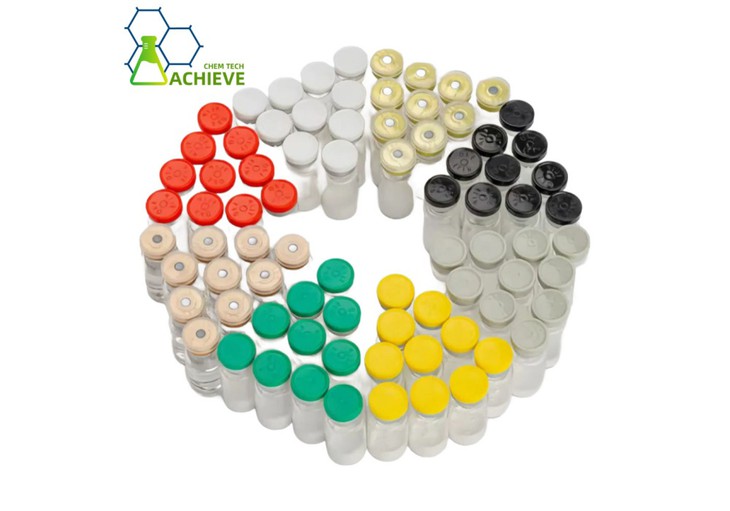
Bioglutide NA-931
1.General Specification(in stock)
(1)API(Pure powder)
(2)Tablets
(3)Capsules
2.Customization:
We will negotiate individually, OEM/ODM, No brand, for secience researching only.
Internal Code: KP-2-6/002
Bioglutide NA-931
Manufacturer: BLOOM TECH Wuxi Factory
Analysis: HPLC, LC-MS, HNMR
Main market: USA, Australia, Brazil, Japan, Germany, Indonesia, UK, New Zealand , Canada etc.
Technology support: R&D Dept.-4
We provide Bioglutide NA-931, please refer to the following website for detailed specifications and product information.
Product:https://www.bloomtechz.com/synthetic-chemical/peptide/bioglutide-na-931.html

How Does Bioglutide NA-931 Differ From Semaglutide in Weight Management?
What makes these two healing drugs different is how they are delivered and how they are structured. These medicines are called peptide-based medications, and semaglutide needs to be injected under the skin to keep working. Its chemical makeup is similar to that of the naturally occurring GLP-1 hormone. If you took it by mouth, your digestive system would break it down. Because of this limitation, most patients have to get shots once a week, which can be a problem for people who are unhappy with needles or want easier ways to get treatment.
Bioglutide NA-931 is a completely different method. Because it is made up of small molecules, it can survive the stomach's acidic environment and the digestion process without getting broken down. This feature makes oral delivery possible, which completely changes the patient experience. In phase II clinical studies, people who took Bioglutide NA-931 lost a lot of weight without having to deal with the hassle of injections. This addresses a common worry that makes people less likely to stick with their treatment in real life.
The real-world effects of administration methods go beyond just personal taste. Long-term research regularly shows that patients are more likely to stick with oral medicines than with injectable ones. A 12-week clinical study showed that people who took Bioglutide NA-931 stuck to regular dosing plans, which helped keep their metabolic results more stable. Some people who get injectable treatments feel awkward around other people, but being able to take medicine in private during meals takes away that problem.
The semaglutide shot needs to be kept in a certain way, discarded properly, and the injection spot needs to be rotated to avoid tissue problems. Many patients are able to handle these aspects, but the extra complexity can make people less likely to use it regularly, especially older people or people who have trouble with movement. Because Bioglutide NA-931 is taken by mouth, these problems are no longer an issue. This could mean that more patients can get this medicine.
In their studies, both medicines have been shown to reduce weight in a way that is clinically important. In obesity trials with semaglutide, people lost an average of 12% to 15% of their starting body weight over 68 weeks. The medicine's strong activation of GLP-1 receptors sends strong signs of fullness and slows gastric emptying, which makes people eat less.
Bioglutide NA-931 tries to control weight in more than one way at the same time. Phase II data showed that weight loss sped up over the course of the treatment, with longer-lasting effects seen in the higher dose groups. Because the compound can trigger four different receptor systems, it has a bigger effect on metabolism than methods that only target one receptor. Participants said they were happy with smaller servings and had the same amount of energy. This suggests that the multi-receptor activation pattern controls appetite in a regulated way, without making patients feel too sluggish like some other drugs do.

Receptor Activity Profile of Bioglutide NA-931 Compared With Semaglutide
The chemical mechanisms behind these treatments show that they have very different effects on metabolic systems. Semaglutide works as a selective GLP-1 receptor agonist, which means it mainly affects one type of receptor found in pancreas cells, the brain, and GI tissues. This tailored action has the expected results: more insulin is released when blood sugar levels rise, less glucagon is released, the stomach takes longer to empty, and the appetite decreases through pathways in the central nervous system.
Because semaglutide works in a controlled way, it has a well-known safety profile that has been built up through a lot of use. Doctors and nurses know exactly how it works, so they can change the amount based on how the patient reacts. But this one-pathway method also means that all treatment benefits and possible side effects come from stimulating GLP-1 receptors.


Bioglutide NA-931 uses a very different method by working with four different receptor systems at the same time. In addition to activating GLP-1 receptors, it also speeds up the GCGR, GIPR, and IGF-1R pathways. This four-receptor method sets up a network of biological effects that work together to make a bigger effect. The GLP-1 and GIPR parts work together to control insulin release and hunger, and turning on GCGR makes the body use more energy by speeding up its metabolism. The IGF-1R part adds a defensive element by keeping muscle tissue while you lose weight.
When different signaling pathways work together, they have effects that single-receptor agonists can't get. Bioglutide NA-931 turns on GCGR in liver tissue, which speeds up the production of glucose and the burning of fat, releasing stored energy. At the same time, activating GLP-1R in pancreatic beta cells makes insulin work better, which stops the rise in blood sugar that GCGR stimulation alone could cause. This balanced response pattern keeps glucose levels stable and encourages the use of fat.


The GIPR part is special in how it affects the activity of adipose tissue. Studies have shown that activating GIPR has different effects on dark and white fat deposits. It encourages the release of helpful adipokines like adiponectin in white adipose tissue, which makes the body more sensitive to insulin. It starts metabolic processes in brown fat tissue that make burning calories faster. Semaglutide doesn't have this adipose-specific control, which could explain why the two medicines may have different effects on body composition.
Where in the body those receptors are found affects how well a receptor agonist works. The stomach, brain, heart, and kidneys all have a lot of GLP-1 receptors, which means that semaglutide has a big effect on all of these organ systems. Semaglutide has been shown in clinical studies to be good for the heart. This is likely because it affects GLP-1 receptors in the heart.


Bioglutide NA-931 can interact with more organs because it has a multi-receptor structure. Skeletal muscle has a lot of IGF-1 receptors, which means that the chemical can directly affect how muscle proteins are used. This pattern of spread explains why Bioglutide NA-931 patients kept their lean body mass, which is different from what can happen when people try to lose a lot of weight quickly using single-target methods.

Can Bioglutide NA-931 Deliver Additional Metabolic Benefits?
Metabolic health is more than just controlling your weight and blood sugar. Hormone levels that are regulated, a healthy body composition, a stable energy metabolism, and organ function that is kept up are all parts of metabolic wellness. If a treatment handles these various aspects or only concentrates on a few, it will determine whether it provides extra metabolism benefits.
Semaglutide does a great job of lowering blood sugar and helping people lose weight by making them feel less hungry. Long-term research has also shown that it has positive effects on cardiovascular results, with lower rates of big adverse cardiac events in groups that are already at a high risk. These heart health benefits probably come from a number of things, such as losing weight, lowering blood pressure, and GLP-1 receptors' direct beneficial effects on heart tissue.


The quadruple-receptor process of Bioglutide NA-931 opens the door to metabolic effects that go beyond controlling glucose and weight. The results of the Phase II study showed that several metabolic parameters improved at the same time. Fasting glucose levels went down, lipid profiles got better (lower triglycerides and higher HDL cholesterol), and participants' blood pressure went down a little. These simultaneous changes point to a metabolic improvement across the whole system, rather than just effects on certain pathways.
One thing that makes Bioglutide NA-931 stand out is that it changes the resting metabolism rate. When you lose weight the normal way, your body often changes its metabolism, which means it uses less energy to protect resources. This adaptive reaction makes it harder to keep off the weight over time and makes it easier to gain the weight back after treatment ends.


The part of Bioglutide NA-931 that activates GCGR seems to stop this metabolic slowdown. Clinical tests showed that during treatment, participants' basal metabolic rates stayed the same or slightly went up. This is different from what is usually seen when people only limit their calories. This action is probably caused by the sympathetic nervous system working harder and burning more fat when GCGR is stimulated. This is not how semaglutide directly affects metabolic rate; instead, it relies on lowering calorie intake to create energy deficits.
Type 2 diabetics and overweight adults are increasingly affected by non-alcoholic fatty liver disease. Fat in liver tissue reduces insulin effectiveness and increases the risk of progressive liver injury. Bioglutide NA-931 and semaglutide may benefit the liver in distinct ways.Semaglutide reduces liver fat by helping patients lose weight and become insulin-sensitive.


Hepatic steatosis decreases when weight is lost because the liver burns fat. Clinical investigations on liver outcomes showed that semaglutide dramatically reduced liver fat.
Bioglutide NA-931 directly affects liver function by activating GCGR. This receptor activation promotes liver cell fat burning, which may speed up liver lipid reduction. The chemical also helps the liver create ketone bodies, which improve metabolic flexibility. Both therapies benefit the liver; however, Bioglutide NA-931 may enhance liver-specific variables faster since it targets the liver.
Appetite Regulation and Body Composition Outcomes With Bioglutide NA-931
Managing hunger and wants is still one of the hardest parts of losing weight and keeping it off. Too strong an appetite suppressant can cause unpleasant side effects and make it hard to eat enough, while not enough appetite reduction doesn't lead to real weight loss. The best metabolic medicine strikes a balance between effectively reducing hunger and being well tolerated and providing enough nutrition
It is well known that semaglutide can make you feel less hungry. This is mostly because it activates GLP-1 receptors in parts of the hypothalamus that control eating behavior. The compound raises signs that you are full and lowers the rewarding effects of food. This means that smaller amounts feel fuller and fewer urges happen between meals. A lot of people say they don't want to eat as much and feel full sooner after eating. These strong effects make semaglutide a very effective weight loss drug.


A more balanced process is used by Bioglutide NA-931 to control hunger. The chemical turns on both GLP-1 and GIPR receptors in parts of the brain that control hunger. This sends two sets of satisfaction signals that don't depend on just one. The results of the clinical study showed that subjects felt less hungry and more satisfied with smaller meals. However, they reported fewer cases of severe nausea compared to what most people who take GLP-1 receptor agonists experience. In phase II studies, about 7% of people reported feeling sick, and most of those cases were considered mild and short-lived.
The kind of tissue lost during therapy is crucial to weight loss but sometimes overlooked. The best strategy to reduce weight is to burn fat and keep muscle. Digestion, performance, and quality of life depend on muscle tissue. Losing a lot of muscle mass when dieting may weaken you, make you stumble, and decrease your metabolism, making it easier to gain weight again.Traditional weight loss approaches, such as drug-based ones, generally result in the same fat and muscle loss. Most weight loss studies reveal that 20–25% of the weight lost is lean body mass.


This loss of muscle mass is serious, particularly for elderly individuals or those with little muscular mass.
Insufficient calorie intake induces muscle breakdown, although bioglutide NA-931 inhibits it. It achieves this by activating muscle IGF-1 receptors. Clinical outcomes from phase II trials demonstrated that patients maintained lean body mass after losing a lot of weight. DXA scans showed that the majority of the weight loss was fat, and muscle mass was minimal. Lean tissue maintenance is beneficial for metabolic health and long-term function.

Selecting Between Bioglutide NA-931 and Semaglutide Based on Treatment Goals
When picking between metabolic drugs, it's important to think about the patient's traits, treatment goals, tastes, and ability to handle different ways of administration. Neither choice is clearly better than the other; instead, each has its own benefits that may make it a better fit for a certain patient's wants and situation.
People who are very afraid of needles or have a lot of worry about shots may really like taking Bioglutide NA-931 by mouth. This choice goes beyond just being convenient; it also includes psychological ease and sticking with the treatment plan. Healthcare professionals often see patients who refuse successful injectable treatments because they are afraid of needles. This is why oral options are useful for increasing treatment access.
On the other hand, some people like the routine and responsibility of getting injections once a week. Giving injections on a regular basis can help people stick with their treatment, and since semaglutide only needs to be taken once a week, there's no need to remember to take it every day. Patients who already take a lot of different medications may find it hard to add another oral drug every day. This could make weekly shots more attractive, even though they are invasive.
Semaglutide has been shown in clinical studies to maintain weight loss over multiple years, making it a good choice for people who want to lose the most weight with the backing of a lot of long-term data. The cardiovascular outcome statistics for the medicine give people who already have heart disease or a high cardiovascular risk even more peace of mind. The safety profile of semaglutide is well-known, and it has been used in many clinical trials. This gives us a level of confidence that younger agents can't yet match.
Bioglutide NA-931 may be especially appealing to people who want to keep their muscles while losing weight. Treatments that protect lean body mass are especially helpful for athletes, busy older adults, and people who want to keep their physical ability. The substance works on multiple receptors, which means it affects metabolic health in a wide range of ways. This could be helpful for people who have complicated metabolic dysfunction that includes liver health, lipid abnormalities, and insulin resistance all at the same time.
For many people, gastrointestinal comfort is a very important factor. Semaglutide can cause nausea and other stomach problems that are manageable for most patients, but they can have a big effect on their quality of life when they first start taking it or when their dose is increased. People who have sensitive stomachs or have had bad experiences with nausea in the past may prefer medicines that have fewer gut side effects.
Based on clinical data, Bioglutide NA-931 seems to have less severe effects on the digestive system. This is probably because it activates multiple receptors in a regulated way. Some of the effects that straight GLP-1 agonism has on the gut may be changed by the GIPR component. Patients who stopped taking earlier GLP-1 medications because they made them too sick to handle might be able to use Bioglutide NA-931 successfully, but because everyone's drug tolerance is different, it is always important to be closely monitored when starting treatment.
The practical issues of cost and insurance benefits have a big impact on the treatment choice for many people. Because semaglutide has been on the market for a long time, insurance plans usually cover it. However, the high cost still keeps some people from getting it. Generic copies are still not available, and the prices stay high enough that many people who need treatment can't afford them.
Bioglutide NA-931 is a newer agent, so its supply rests on when it gets approved by regulators and when it hits the market. Early-stage market availability may mean that you can only get it from certain pharmacies or routes of sale. Patients who want to try new treatments should talk to their doctors about how easy it is to get them and think about taking part in increased access programs when they become available.
Conclusion
By comparing semaglutide and Bioglutide NA-931, we can see that they are two different ways to treat metabolic diseases, each with its own benefits. The specific stimulation of GLP-1 receptors in semaglutide has been shown to work, is safe, and has benefits for the cardiovascular system. It has a long history of success in the clinic, which gives patients and doctors trust when making treatment choices.
Bioglutide NA-931 is a new and improved substance because it works by activating four receptors and is bioavailable when taken by mouth. Several problems with current treatments are fixed by this compound's ability to keep muscle strength while losing weight, along with its wide range of metabolic benefits and ease of administration. As more studies are done and more information comes in, Bioglutide NA-931 may become a good choice for people who want to improve their metabolism in more than one way but don't want to get injections.
Ultimately, the wants, tastes, and metabolic goals of each patient should determine which of these medicines they choose. Healthcare professionals can make this choice by looking at the patient's full medical history, which includes any other illnesses they may have, their lifestyle, and the priority of their treatment. More personalized care is possible with the growing number of metabolic treatment choices. This makes it more likely that each patient will find a routine that works for them and supports their long-term metabolic health.
FAQ
1. What makes Bioglutide NA-931 different from other weight loss medications?
+
-
Bioglutide NA-931 is unique because it activates four receptors at the same time, making it work with the GLP-1R, GIPR, GCGR, and IGF-1R pathways. This method with multiple targets has a wide range of metabolic benefits that go beyond just reducing hunger. Because the substance is bioavailable when taken by mouth, there is no need for injections. This makes it easier to use and may help with long-term retention. Another unique thing about this method is that clinical data shows that it keeps lean body mass while you lose weight. This addresses a common worry with strong weight loss programs.
2. Can patients switch from semaglutide to Bioglutide NA-931?
+
-
Changing from one metabolic drug to another should always be supervised by a healthcare provider. Patients who want to switch from semaglutide to Bioglutide NA-931 should talk to their treating doctor about when to switch, how to change their amount, and how often they need to be monitored. Because of the different ways that things work, reaction patterns may be different for each person. Healthcare professionals usually say to give yourself enough time to heal between treatments and keep a close eye on your metabolic factors during these times to make sure you keep your blood sugar under control and your weight in check.
3. How long does it take to see results with Bioglutide NA-931?
+
-
Metabolic drug responses are very different between people because of their initial traits, how well they follow their medication plan, lifestyle factors, and genetic changes in how drugs are broken down. The Bioglutide NA-931 clinical study results showed that metabolic parameters got better over the course of the treatment. Within the first few weeks, weight and glucose control usually started to change in a measurable way. For best results, use should be constant for at least 12 weeks. This gives the compound's multi-receptor actions enough time to improve metabolism over time. Patients should keep their hopes in check and focus on slow, steady progress instead of big, sudden changes.

Partner With BLOOM TECH for Premium Bioglutide NA-931 Supply
Accessing high-quality medicinal intermediates and active chemicals is becoming more and more important as the way metabolic diseases are treated changes. BLOOM TECH stands as a trusted Bioglutide NA-931 supplier with over 12 years of expertise in organic synthesis and pharmaceutical intermediate manufacturing. Our manufacturing facilities are GMP-certified and meet strict international standards. They have been inspected by the US-FDA, the PMDA, the MFDS, and EU officials. We know that research organizations and drug companies need partners they can trust to provide consistent quality, clear pricing, and expert help throughout the creation process. Our skilled team can do everything from small-scale chemistry in the lab to mass production, making sure that your project stays on schedule. BLOOM TECH can help you make sure your projects meet all the requirements for quality assurance and legal compliance, whether you're just starting out with study or getting ready for clinical production. Email our team at
Sales@bloomtechz.com to talk about your unique needs and find out how our knowledge can help speed up your research and development projects for metabolic diseases.
References
1. Müller TD, Finan B, Bloom SR, D'Alessio D, Drucker DJ, Flatt PR, Fritsche A, Gribble F, Grill HJ, Habener JF, Holst JJ, Langhans W, Meier JJ, Nauck MA, Perez-Tilve D, Pocai A, Reimann F, Sandoval DA, Schwartz TW, Seeley RJ, Stemmer K, Tang-Christensen M, Woods SC, DiMarchi RD, Tschöp MH. Glucagon-like peptide 1 (GLP-1). Molecular Metabolism, 2019.
2. Chavda VP, Ajabiya J, Teli D, Bojarska J, Apostolopoulos V. Tirzepatide, a New Era of Dual-Targeted Treatment for Diabetes and Obesity: A Mini-Review. Molecules, 2022.
3. Wilding JPH, Batterham RL, Calanna S, Davies M, Van Gaal LF, Lingvay I, McGowan BM, Rosenstock J, Tran MTD, Wadden TA, Wharton S, Yokote K, Zeuthen N, Kushner RF. Once-Weekly Semaglutide in Adults with Overweight or Obesity. New England Journal of Medicine, 2021.
4. Nauck MA, Quast DR, Wefers J, Meier JJ. GLP-1 receptor agonists in the treatment of type 2 diabetes - state-of-the-art. Molecular Metabolism, 2021.
5. Samms RJ, Cosgrove R, Snider KE, Furber LA, Droz BA, Briere DA, Dunbar JD, Sanchez JC. GIPR agonism mediates weight-independent insulin sensitization by tirzepatide in obese mice. Journal of Clinical Investigation, 2021.
6. Brandt SJ, Götz A, Tschöp MH, Müller TD. Gut hormone polyagonists for the treatment of type 2 diabetes. Peptides, 2018.