


Feline Infectious Peritonitis (FIP) has been known for a long time to be one of the hardest viral diseases for cats to deal with. Pet owners and veterinarians have had a hard time for decades because there aren't many treatment choices and the outlook isn't good. New developments in antiviral medication have made GS-441524 tablets an essential option. This edible version is a big change in how FIP is treated, giving people hope where there wasn't much before. FIP was previously treated with supportive care that didn't improve the disease's trajectory. Since GS-441524 became a drug, this field has changed. Cat owners have a viable alternative to injectable treatments with this nucleoside analogue in tablets.
Knowing how GS-441524 tablets work and why they're revolutionizing FIP treatment helps veterinarians and cat owners make smarter choices. The feline coronavirus that causes FIP is killed well by C12H13N5O4. Careful combination design has overcome solubility, stability, and bioavailability issues for manufacturers. They created an oral dosage form that reliably treats. This in-depth research examines GS-441524 tablets' mechanism of action, uses, and therapeutic advantages in FIP therapy. Why many individuals with this awful illness are choosing this oral formulation will be discussed. Daily administration and systemic release speed are some explanations.

GS-441524 Tablets
1.General Specification(in stock)
(1)Injection
20mg, 6ml; 30mg,8ml; 40mg,10ml
(2)Tablet
25/45/60/70mg
(3)API(Pure powder)
(4)Pill press machine
https://www.achievechem.com/pill-press
2.Customization:
We will negotiate individually, OEM/ODM, No brand, for secience researching only.
Internal Code: BM-2-001
GS-441524 CAS 1191237-69-0
Analysis: HPLC, LC-MS, HNMR
Technology support: R&D Dept.-4
We provide GS-441524 tablets, please refer to the following website for detailed specifications and product information.
Product link: https://www.bloomtechz.com/oem-odm/tablet/gs-441524-tablets.html
How Do GS-441524 Tablets Improve Daily Administration for FIP Treatment in Cats?
One of the biggest changes that has made FIP treatment more accessible is the switch from injections to oral dosing. Taking care of cats with chronic conditions every day offers special challenges that tablet forms directly address.
Reducing Treatment Stress for Cats and Owners
Injectable therapies work, but they upset animals and their carers daily. After long-term therapy, cats may have injection site discomfort, oedema, and tissue damage. When immobilised for vaccinations, pet owners and cats may not trust each other, making administration tougher. Because GS-441524 tablets may be swallowed, many cats are ready to do so, particularly if the drug is disguised in food or treats. This approach improves quality of life throughout months-long therapy.
Psychic enhancements last longer. Switching to oral versions reduces owners' treatment compliance concerns. Without having to keep medications cold or use sterile injection procedures, taking or giving medicine while moving is easier. Independence ensures therapy continues, affecting FIP therapeutic effectiveness.


Simplifying Long-Term Treatment Protocols
FIP therapy requires long-term programs that might last 84 days or more, depending on illness severity and response. Dosing at the same time is crucial for viral suppression and clinical recovery. Tablets are simple to include into everyday life, much like other oral medications or vitamins for pets.
Tablets in predictable dosages boost credibility. Tablets contain the correct quantity of active medical substance, therefore dosage is accurate. This is impossible with liquid items to measure. Veterinary professionals prefer this homogeneity because it allows them to tailor therapy to each animal's weight and ailment. When owners know each dosage provides their cat the right amount to recover, they feel happier.
Enhancing Treatment Accessibility in Various Settings
Geographic and economic considerations affect care accessibility. Tablet forms reduce the need for injections at the vet, lowering costs and making it simpler for rural pet owners to get their dogs to the doctor. More cats now obtain life-saving therapy at home, regardless of where they reside or how busy their owners are.
Storage makes things simpler to access. Some injectables require a particular temperature, although well-made tablets may be stored at room temperature. This function is useful for pet owners with several pets or in locations without conditioning. Tablets allow therapy even when you relocate, vacation, or have an emergency.


Oral Antiviral Mechanism of GS-441524 Tablets in Feline Coronavirus Control
Figuring out how GS-441524 tablets work at the molecular level helps us understand why this chemical is so effective against feline coronavirus, which is what causes FIP.
Nucleoside Analog Mechanism of Action
GS-441524, an adenosine nucleoside analogue, inhibits viral RNA replication. The cell converts the chemical into its active triphosphate form. The coronavirus RNA-dependent RNA polymerase adds this molecule to developing viral RNA chains like natural adenosine triphosphate. The viral enzyme is fooled by the molecular similarities, but the analogue prevents chain extension and genome copying.

This approach selectively targets viral polymerase, not host cell enzymes. This selectivity makes treated cats safe since human DNA polymerases have a lower affinity for the chemical. GS-441524 uses the viral enzyme's unique chemical properties to bind and inhibit reproduction without interfering with regular cellular functions.
Resistance is a concern with any antiviral medication. The polymerase active site is crucial for proper coronavirus replication. This makes it difficult for the virus to adapt to bypass the medicine. Since its clinical usage, GS-441524 has not shown significant resistance. This shows this technique is helpful over longer treatment sessions.


Cellular Uptake and Activation Inside Cells
There are multiple physical processes between oral medication use and antiviral effects. After the tablet breaks down in the digestive system, the chemical must cross the gut epithelial barriers into the circulation. GS-441524's hydroxyl and amino functional groups affect how it interacts with cellular transporters to be absorbed.
Physicochemical properties influence how a medicine is delivered to tissues in the circulation. Its 291.27 molecular weight and medium lipophilicity allow it to enter tissues and immune-privileged locations, where the feline coronavirus commonly remains. The virus's major targets, macrophages and monocytes, absorb the medication via passive diffusion and active transport.

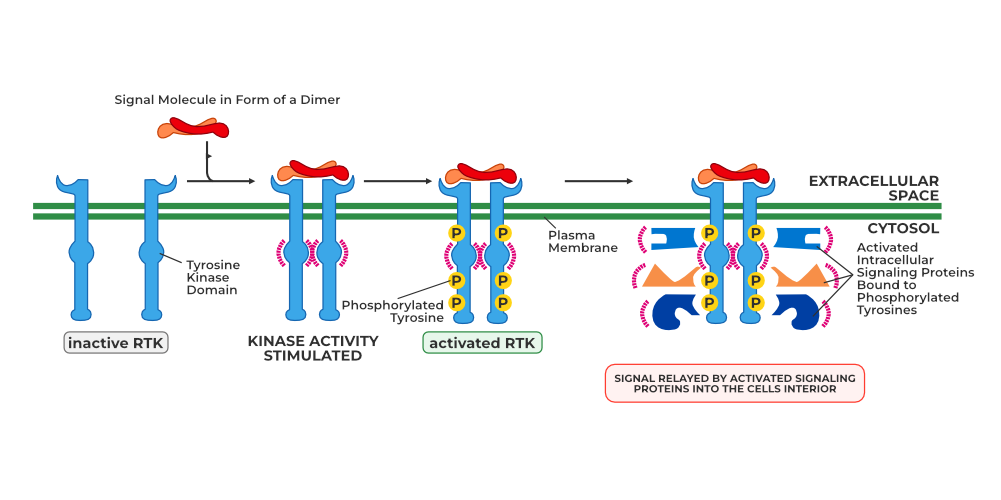
Intracellular kinases add phosphate groups one by one to GS-441524 to make triphosphate. This activation only occurs in virally infected cells with significant metabolic activity, allowing specialized transport. The active molecule accumulates in cells, maintaining efficacy between dosages. The clinically advised dose is once or twice a day.

Viral Load Suppression and Clinical Response
The pharmacodynamic connection between GS-441524 and viral load reduction improves patient outcomes. Long-term therapeutic quantities prevent the virus from duplicating itself, preventing it from infecting healthy cells and allowing the immune system to eliminate infections. Affected cats have reduced temperature, reduced effusion absorption, better feeding, and more activity.


The virus's evolution affects clinical response times. Treatment typically improves symptoms within a week as viral replication slows and inflammatory responses halt. Continued therapy controls symptoms and prevents relapses as the immune system recovers. To eliminate all viral reservoirs in organs, therapy frequently lasts longer for complete clinical recovery.
To evaluate treatment efficacy, clinical data and viral indicators must be examined. Brain or ocular FIP cats may recover more slowly because to bodily parts that block medications. Tablets gradually reach these tough locations throughout the body, producing therapeutic results with enough treatment time.

Can GS-441524 Tablets Support More Consistent Treatment Outcomes in FIP Cases?
Treatment uniformity is directly linked to therapy success in managing FIP. There are important practical benefits to looking at how tablet formulations affect the dependability of outcomes.
Patient Compliance and Treatment Adherence
How easy it is to take by mouth has a big effect on participation rates. Across a range of veterinary diseases, studies show that owners are more likely to keep giving their pets oral medicines than injectable ones. Less work goes into giving, which means fewer missed doses, more stable plasma concentrations, and better treatment results.
This compliance advantage is good for GS-441524 tablets. Owners say they are more confident in their ability to finish full treatment courses when giving the medicine doesn't take technical knowledge or make their pets look upset. This psychological aspect shouldn't be taken lightly, as treatment stopping because of problems with administration is a major reason why therapy fails in FIP cases.
The daily routine of giving medications also makes it possible to keep an eye on things. When cats are given food doses, their owners often notice small changes in their health sooner than they would if the cats were given injections less often. This better observation makes it easier to talk to medical teams quickly about how the treatment is working or if there might be any bad effects.

Pharmacokinetic Stability and Predictable Drug Levels
Regular medication interaction boosts antiviral efficacy. Injectable formulations may feature peak-and-trough patterns with non-therapeutic dosing intervals. Well-designed tablets with controlled-release technology or solubility boosters may stabilize absorption.
GS-441524 tablets are made using several methods to increase their water solubility. Reducing particle size, complexing with cyclodextrins, or utilizing solid dispersion may speed breakdown and absorption. These strategies make it simpler to forecast pharmacological effects in diverse persons, reducing treatment variability.
Maintaining medication levels prevents viral replication for a long period. This steady-state technique resembles proven human antiviral therapies. Avoiding tolerance and curing requires maintaining concentrations above the minimal inhibitory limits while adjusting dosage.
Reduction of Administration-Related Complications
Injectable therapies include hazards beyond pain. Injection site reactions may range from mild irritation to major abscesses requiring medical attention. Multiple doses in the same region may cause tissue fibrosis, making the drug difficult to absorb and forming unpleasant lumps. These issues disappear as the drug is swallowed.
Shots need sterile methods, adding danger. Germs may enter anything improperly prepared or administered and worsen the underlying sickness. These dangers are larger at home than in veterinary clinics due to uncontrolled conditions. Oral tablets eliminate infection concerns associated with injectable preparation and administration.
Preventing these consequences will have ripple effects beyond medicine. Fewer difficulties mean veterinarians have to deal with treatment side effects less, lowering therapy costs. Owners don't want to damage their dogs, which keeps them dedicated to therapy and helps them complete extensive programs.
Absorption Efficiency and Systemic Delivery of GS-441524 Tablets
Understanding the factors that affect the bioavailability of GS-441524 tablets makes it more useful in clinical settings.

Formulation Strategies for Enhanced Bioavailability
GS-441524's chemical structure hinders oral absorption. Since it dissolves only at 0.5 mg/mL, the chemical must be made more water-soluble to promote absorption. Pharmaceutical scientists use numerous methods to generate clinically effective tablet formulations.
Micronising particles to micrometres or nanometres. This considerably increases dissolving surface area. This greater surface area increases pharmaceutical disintegration in digestive fluids, improving absorption before the drug moves through the intestines and beyond ideal absorption locations. Advanced grinding may repeat particle size and breakdown properties.
Solid dispersion systems dispersing GS-441524 molecules in water-loving carriers work too. These carriers break down quickly in water, distributing drug molecules widely for greater absorption. Polyvinylpyrrolidone and polyethylene glycol have good dispersion and chemical stability.
Gastrointestinal Absorption Dynamics
Due to their digestive processes, cats absorb drugs differently. Cats can only absorb so much food since their intestines work quicker. Formulations must release the active ingredient quickly enough to be absorbed before entering the small intestine, where most absorption occurs.


Drug ionisation and solubility differ from stomach acid to intestinal alkaline. Due to its functional groups, GS-441524's ionisation state changes with pH, affecting membrane permeability. Buffers or enteric coatings may release the chemical in stomach absorption zones without acid breakdown.
Different intestinal epithelium transporter proteins allow drugs to enter the body. Due to its characteristics, GS-441524 may passively cross membranes. Nucleoside transporter interactions may boost uptake. Understanding these pathways enhances target species bioavailability product design.
Systemic Distribution and Tissue Penetration
Through portal circulation and first-pass hepatic metabolism, GS-441524 circulates throughout the body. Which cells get therapeutic amounts relies on molecule dispersion. Practical use requires the drug to penetrate virus-replicating regions.
GS-441524 may cross cell membranes and reach non-circulating locations due to its modest lipophilia.


This is important in FIP situations affecting the central nervous system or eyes since the treatment must overcome specific hurdles. GS-441524 may permeate these difficult physiological locations and have antiviral effects when formulated properly. Many compounds can't.
Plasma protein binding affects tissue medication availability. Since GS-441524 moderately affects plasma protein binding, it may reach high-free drug tissues and protect them from renal flushing. Clinical tissue exposure and dose are easier with this balance.

Practical Use Advantages of GS-441524 Tablets in Home-Based FIP Care
Translating clinical effectiveness into real-world treatment success, users need to be able to rely on formulations that they can use reliably at home. Tablet displays have many benefits that help home-based FIP management go well.
Owner Empowerment Through Manageable Administration
Taking care of a sick pet emotionally affects how effectively the treatment works. Owners with FIP frequently feel worthless since the condition has a poor prognosis. When given a safe home treatment option, they feel in charge of their pet's rehabilitation again.
Oral tablets clarify healing. Syringe usage, medication drawing, and delivery location training are needed for injectable therapies. Tablet administration, however, incorporates medication-use concepts. This ease reduces anxiety and increases the likelihood that owners will complete treatment regimens.
Owners gain confidence from how-to videos, written suggestions, and peer groups. Many veterinary clinics provide initial training seminars where owners may learn how to manage the clinic under expert supervision. This investment in education pays off since individuals are more likely to follow through, and management issues may be detected early and remedied before they harm treatment.

Cost-Effectiveness and Treatment Accessibility
Many pet owners pick treatments based on cost. FIP treatment costs include drugs, medical appointments, monitoring tests, and problem-solving. Oral versions may be cheaper than shots in many ways.
Veterinary practices that no longer require experts to provide each medication reduce visit rates and expenditures significantly. The owners treat at home everyday and meet in the vet's office to monitor the lab. Pet owners who have problems getting to the vet or balancing work and pet care would benefit from this reduction in visits.
If you create tablets properly, they may last longer and not spoil or get contaminated as rapidly as multi-dose injectable vials, which must be kept cool and can only be used for a limited period. Single-dose tablet packaging ensures each treatment utilises fresh, effective medication. This eliminates repeating injectable container issues.
Integration with Comprehensive FIP Management
Successful FIP treatment extends beyond antiviral therapy alone. Cats often require nutritional support, fluid therapy, anti-inflammatory medications, and management of specific organ system complications. Oral GS-441524 tablets work well with all of these different types of treatment and don't make the process more difficult.


Giving more than one mouth medicine at the same time makes treatment plans easier to follow. People who are making schedules for when to take their medications can include GS-441524 tablets with other important treatments without having to worry about scheduling problems that could happen with other methods. This combination helps with complete care that takes into account all of the cat's needs.
It is easier to keep track of how well a treatment is working when it can be given at home. Cat owners can watch their cats in safe, familiar places where their real behaviour patterns can be seen. Changes in an animal's appetite, energy level, and social interactions can show how well it is responding to treatment, even if they are hard to notice during stressful medical visits. This home-based study gives useful information that helps improve care.


Conclusion
FIP, which usually killed cats, was cured and may mend with GS-441524 tablets. The switch from injectable to oral administration has made this life-saving medication more accessible. Home treatment for pets now works without harming therapeutic outcomes. These tablets use complicated manufacturing methods to avoid absorption and bioavailability issues. Careful medication research has produced oral dosage forms with consistent systemic exposure for viral suppression and therapeutic improvement. Targeting viral RNA polymerase provides significant, tailored antiviral effects while protecting cats.
The practical advantages go beyond medicine efficacy and include cat and carer quality-of-life. In real life, lesser treatment stress, simpler administration, more compliance, and fewer problems improve outcomes. These factors make therapy a manageable habit rather than a daily struggle. Clinical experience strengthens the case for GS-441524 tablets. Veterinary professionals are becoming aware that oral versions are superior for certain individuals and that injectable treatments should be used sparingly. This demonstrates that individuals are more confident that tablet presentations may be trusted and effective for healing.
FQA
1. What makes GS-441524 tablets more effective than injectable formulations for FIP treatment?
2. How long does a typical FIP treatment course with GS-441524 tablets last?
3. Are there specific considerations for storing GS-441524 tablets at home?

Partner With BLOOM TECH for Premium GS-441524 Tablets Supply
BLOOM TECH is ready to meet your needs as a specialty source of GS-441524 tablets with full pharmaceutical manufacturing capabilities. Our 100,000-square-meter GMP-certified production facilities meet foreign legal standards, such as those set by the US FDA, the EU, Japan, and China. This means that we can guarantee the best pharmaceutical intermediates and active ingredients. We have been making chemical compounds and pharmaceutical intermediates for more than 12 years, so we can give you the technical know-how and quality control methods that your toughest projects need. Our quality control method has three levels: testing in the plant, checking by our own QA/QC department, and analysis by a third-party authority. This makes sure that every shipment meets the standards that were set. We have clear prices with set profit margins, and we provide all the paperwork needed for customs clearance and regulatory compliance.
As qualified suppliers to 24 of the world's largest pharmaceutical and research companies, we know how important it is to have stable quality, on-time delivery, and helpful expert support. Our combined ERP platform keeps track of every detail, making sure that prices, lead times, and specs are correct, whether you need small amounts for research or large amounts for production. Contact our team at Sales@bloomtechz.com to discuss your GS-441524 tablets requirements and discover how BLOOM TECH's manufacturing excellence can support your FIP treatment product development or distribution needs.
References
1. Pedersen NC, Perron M, Bannasch M, Montgomery E, Murakami E, Liepnieks M, Liu H. Efficacy and safety of the nucleoside analog GS-441524 for treatment of cats with naturally occurring feline infectious peritonitis. Journal of Feline Medicine and Surgery. 2019;21(4):271-281.
2. Murphy BG, Perron M, Murakami E, Bauer K, Park Y, Eckstrand C, Liepnieks M, Pedersen NC. The nucleoside analog GS-441524 strongly inhibits feline infectious peritonitis virus in tissue culture and experimental cat infection studies. Veterinary Microbiology. 2018;219:226-233.
3. Dickinson PJ, Bannasch M, Thomasy SM, Murthy VD, Vernau KM, Liepnieks M, Montgomery E, Knickelbein KE, Murphy B, Pedersen NC. Antiviral treatment using the adenosine nucleoside analogue GS-441524 in cats with clinically diagnosed neurological feline infectious peritonitis. Journal of Veterinary Internal Medicine. 2020;34(4):1587-1593.
4. Krentz D, Zenger K, Alberer M, Felten S, Bergmann M, Dorsch R, Matiasek K, Kolberg L, Hofmann-Lehmann R, Meli ML, Spiri AM, Hartmann K. Curing cats with feline infectious peritonitis with an oral multi-component drug containing GS-441524. Viruses. 2021;13(11):2228.
5. Addie D, Belák S, Boucraut-Baralon C, Egberink H, Frymus T, Gruffydd-Jones T, Hartmann K, Hosie MJ, Lloret A, Lutz H, Marsilio F, Pennisi MG, Radford AD, Thiry E, Truyen U, Horzinek MC. Feline infectious peritonitis: ABCD guidelines on prevention and management. Journal of Feline Medicine and Surgery. 2009;11(7):594-604.
6. Jones S, Novicoff W, Nadeau J, Evans S. Unlicensed GS-441524-Like antiviral therapy can be effective for at-home treatment of feline infectious peritonitis. Animals. 2021;11(8):2257.