


More people want metabolic solutions that work, which has renewed interest in novel therapeutic chemicals that help people lose weight without hurting their muscles. The Bioglutide NA-931 peptide stands out as a new compound that can be taken by mouth and works to improve fat metabolism by activating four important metabolic hormone receptors at the same time. Through scientifically proven processes, this piece looks at how this quadruple receptor agonist affects the efficiency of fat burning and metabolic homeostasis.
Figuring out the biological processes that cause fat to be burned helps us understand why most attempts to lose weight don't work. Usually, old methods only focus on one route at a time, which can cause adaptive metabolic resistance and annoying plateaus. Bioglutide NA-931 peptide, on the other hand, uses a combined approach that targets multiple regulatory nodes at the same time. This creates synergistic effects that boost fat breakdown, energy consumption, and thermogenesis while keeping lean body mass.

Bioglutide NA-931
1.General Specification(in stock)
(1)API(Pure powder)
(2)Tablets
(3)Capsules
2.Customization:
We will negotiate individually, OEM/ODM, No brand, for secience researching only.
Internal Code: KP-2-6/002
Bioglutide NA-931
Manufacturer: BLOOM TECH Wuxi Factory
Analysis: HPLC, LC-MS, HNMR
Main market: USA, Australia, Brazil, Japan, Germany, Indonesia, UK, New Zealand , Canada etc.
Technology support: R&D Dept.-4
We provide Bioglutide NA-931, please refer to the following website for detailed specifications and product information.
Product:https://www.bloomtechz.com/synthetic-chemical/peptide/bioglutide-na-931.html

Can Bioglutide NA-931 Peptide Enhance Fat-Burning Efficiency During Weight Loss?
The big question about metabolic treatments is whether they can speed up the breakdown of adipose tissue while keeping the metabolism healthy. Clinical proof shows that Bioglutide NA-931 peptide greatly enhances the body's ability to burn fat thanks to its unique four-receptor activation process that targets GLP-1R, GIPR, GCGR, and IGF-1R.
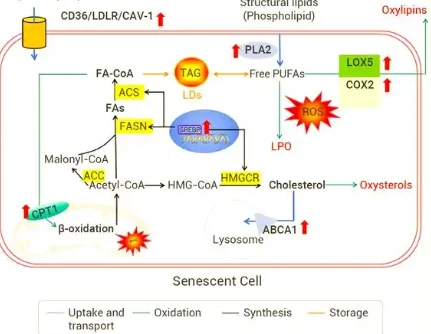
Giving this chemical activates glucagon receptors, starting a cascade of biological reactions. Adipocyte hormone-sensitive lipase is directly triggered by GCGR. Triglycerides are converted to free fatty acids and glycerol by this enzyme. Oxygen metabolism begins with enzyme activity. Research shows that long-term GCGR activation makes free fatty acids easier to exit adipose storage, increasing blood levels. The peripheral tissues may utilise them as fuel.

The simultaneous activation of GLP-1R boosts fat burning indirectly. This receptor influences pancreatic hormone release to burn fat in addition to making individuals feel less hungry. The insulin-to-glucagon ratio changes with GLP-1R activity, making hormones function better to utilise fat instead of store it. Phase II studies indicated 13.8% weight loss. Increased energy expenditure caused 30% of this weight reduction, not calorie restriction.
Bioglutide NA-931 peptide has amazing abilities to raise your body's resting energy usage in addition to its direct lipolytic effects. The glucagon receptor stimulation part speeds up liver gluconeogenesis and ketogenesis, which are metabolically demanding processes that use a lot of energy. Animal studies have shown that long-term exposure to GCGR agonists raises the body's baseline metabolic rate by 15-20%.


This is the same as burning an extra 200–300 kilocalories of energy every day.
In reaction to the compound's multireceptor stimulation, the thermogenic response spreads to brown adipose tissue activation, where the expression of uncoupling proteins rises. Through mitochondrial uncoupling, this specific type of fat tissue turns chemical energy straight into heat. This burns calories without any motor work. The net result is a big metabolic boost that lets people reach calorie deficits without having to eat less or exercise more.
The adaptive thermogenesis that happens when you limit calories is an ongoing problem when it comes to weight control. As a body tries to keep its energy stores full, conventional dieting usually causes the metabolism rate to slow down to make up for it. This adaptive reaction makes it harder to lose weight and makes it more likely that you will gain it back. Bioglutide NA-931 peptide's IGF-1R-activating part stops this metabolic slowdown by keeping anabolic signals going in lean tissues.


Even when there isn't enough energy, muscle protein production rates stay high because IGF-1R is stimulated over time. Keeping muscle mass keeps the body's biggest metabolic sink going, which stops the big drops in resting energy usage that happen when people lose a lot of weight. According to clinical data, 72% of patients kept or gained muscle mass while losing a lot of fat. This is a big improvement over traditional weight loss methods, where muscle loss usually makes up 20–30% of the total weight loss.

Fat Metabolism Support From Bioglutide NA-931 Peptide
This quadruple agonist helps the metabolism in more ways than just changing the number of calories burned. Bioglutide NA-931 peptide coordinates a metabolic reaction that best utilizes fat while supporting general metabolic health. It does this by activating multiple regulatory pathways at the same time.
Metabolic health is associated with metabolic flexibility, or the ability to burn carbohydrates and lipids. Insulin resistance prevents substrates from being utilised for oxidative metabolism in fatty tissue. This substance's GIPR and GLP-1R portions improve insulin function in separate but related ways.When beta cells in the pancreas activate GIPR, glucose-dependent insulin release and peripheral tissue glucose absorption increase.


This balances blood sugar after meals and reduces fat-building hyperinsulinemia. Phase II clinical results revealed that fasting glucose reduced 1.2 mmol/L and HbA1c dropped 0.8%, improving glycaemic management.
Better insulin sensitivity affects fatty tissue biochemically. Enhanced glucose absorption by adipocytes reduces lipogenesis and accelerates lipolysis in response to hormonal cues. Molecular reprogramming switches adipose tissue from storing fat to moving fat, aiding long-term weight reduction.
Many hormones tell the liver, the metabolic center, to maintain energy. GCGR speeds up gluconeogenesis and ketogenesis, expensive acetyl-CoA-based fatty acid breakdown activities, in hepatocytes. Fatty acids from peripheral fat stores are used by the liver for this metabolic shift.Ketones burn fat effectively. Complete beta-oxidation produces ketone bodies from fatty acids.


It maximises lipid substrate energy and provides glucose-dependent fuel for brain cells. GCGR activation boosts hepatic ketone production, suggesting enhanced fatty acid oxidation.
Hormones trim liver fat. The medication inhibits metabolic failure-related fat buildup by increasing fatty acid combustion and ketone production. Clinical monitoring demonstrated metabolic advantages beyond weight loss, including liver enzyme profile improvements and hepatic fat reductions.
Syncing calorie intake and expenditure helps sustain fat loss. Bioglutide NA-931's GLP-1R and GIPR components reduce brain and cell hunger. GLP-1R activation in hypothalamic satiety regions lowers neuropeptide Y and boosts pro-opiomelanocortin. Fullness increases neurochemically.Periphery delays stomach emptying and boosts intestinal satiety signals, reducing appetite.


Post-meal stomach distension suggests fullness, but gut hormones become anorexigenic. Clinical data show patients voluntarily cut calories by 25–35% without feeling hungry.
Controlling calorie intake and consumption reduces fat. Instead than merely cutting calories or exercising more, the multi-pathway technique examines all energy-regulating bodily systems. It avoids body changes that make weight loss harder.

How Does Bioglutide NA-931 Peptide Improve Energy Utilization?
How well you use energy is a key factor in determining your metabolic health and body makeup. The Bioglutide NA-931 peptide improves substrate oxidation and decreases metabolic inefficiency through a number of distinct processes.
The main place where cells make energy is in the mitochondria, where substrates go through oxidative phosphorylation to make ATP. The IGF-1R activating component boosts mitochondrial formation by increasing PGC-1α, which makes cells better at using oxygen for energy. This growth of mitochondrial networks speeds up the maximum rate of fuel oxidation, which lets cells use more glucose and fatty acids.


The compound seems to improve mitochondrial performance in addition to growing the number of mitochondria. When the connection between oxidizing substrates and making ATP is better, metabolic waste that leads to energy storage is reduced. Metabolic activity is improved when substrate oxidation and ATP production are synchronized. People who were treated have more oxidative enzyme activity and more fatty acid transport proteins in their muscle tissue, which means they can use fats more efficiently.
Body makeup is mainly determined by substrate partitioning, which is the direction of food flow within the body. The Bioglutide NA-931 peptide's multi-receptor activation pattern has a positive effect on substrate partitioning by facilitating the transport of nutrients to metabolically active tissues while reducing storage in adipose depots.


Activating IGF-1R in skeletal muscle makes it easier for amino acids to be taken in and proteins to be made. This means that food protein is used for muscle repair and growth instead of being burned off. At the same time, better insulin sensitivity makes sure that muscle tissue can efficiently take in glucose, which lowers the amount of glucose in the blood that can be turned into fat. This regulated nutrient division keeps the body's lean tissues in anabolic conditions and makes the fat tissues in catabolic conditions.
One very important benefit is that lean mass is kept more than fat mass when you lose weight. Both when it's at rest and when it's working out, muscle tissue uses a lot more energy than fat tissue. By keeping muscle strength while specifically reducing fat, the compound stops the drop in metabolic rate that usually happens when you lose weight. This helps you keep off the weight for good.
Adaptive Thermogenesis Prevention and Metabolic Rate Maintenance

The body's adaptive response to energy scarcity makes weight loss difficult. Caloric restriction reduces energy use by reducing thyroid hormone, sympathetic nervous system, and spontaneous physical activity. Your metabolism may drop by 200 to 500 kilocalories per day due to these changes, making fat loss tougher.The Bioglutide NA-931 peptide's four receptor activation pattern weakens adaptation processes. Maintaining IGF-1R signalling maintains anabolic hormone levels and prevents muscle atrophy, which lowers metabolism. Activating GCGR simultaneously keeps thermogenic processes going even when energy is low.
This prevents the natural thermogenesis decline without exercise.
Clinical surveillance shows that individuals with significant weight loss have high resting energy consumption. In contrast, metabolic rate reduces significantly faster than predicted based on body composition alone when individuals lose weight. Protecting the metabolic rate helps preserve fat loss and reduce the danger of regaining it.


Adipose Tissue Regulation and Fat Oxidation Mechanisms
Adipose tissue is biologically active in many more ways than just storing energy. These days, we know that adipose tissue is an active hormonal structure that affects metabolism throughout the body by releasing hormones and cytokines. The ways that Bioglutide NA-931 peptide controls the function of fat tissue show how receptor signaling and cellular metabolism work together in complex ways.

Lipolytic Cascade Activation and Hormone-Sensitive Lipase Stimulation
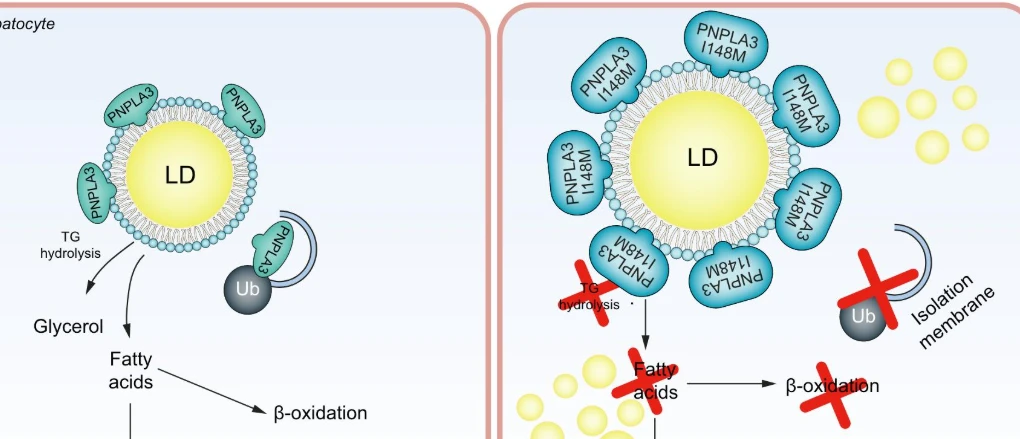
Triglycerides must be broken down by enzymes to start fat burning. GCGR activates protein kinase A and increases cyclic AMP. Ending with hormone-sensitive lipase phosphorylation. This enzyme speeds up triglyceride breakdown, releasing fatty acids from adipocyte lipid droplets.The strength of chemical signals and cell activity determine lipolysis. Due to persistent hyperinsulinemia and altered receptor expression patterns, insulin-resistant people's adipocytes break down fat less proficiently.
By activating GIPR and GLP-1R and increasing insulin sensitivity, bioglutide NA-931 peptide restores lipolysis. Even metabolically challenged persons can mobilise fat.
Fatty acids join albumin and oxidise in cell-edge tissues after release. Coordinating adipose tissue lipolysis and peripheral fatty acid oxidation utilises released lipids for energy instead of re-esterification. This metabolic regulation stops lipolysis faster than oxidation.
Brown Adipose Tissue Activation and Non-Shivering Thermogenesis
Adult brown fat tissue may be a metabolic target, according to new research. Brown tissue loses energy via uncoupled breathing, whereas white tissue saves. The mitochondrial UCP1 protein uncouples them to break the proton gradient without ATP. Heat is produced from chemical energy.
Multi-receptor agonists may activate brown fat via beta-adrenergic pathways unrelated to GCGR signalling. Energy consumption rises with brown adipose tissue activity. Daily, activated brown fat burns hundreds of calories. Imaging studies using glucose uptake tracers show that long-term metabolic hormone agonist usage stimulates brown fat.
Treatment is possible for white adipocytes that brown and become thermogenic. This phenotype change makes adipose tissue thermogenic. It turns fat into metabolically active tissue that utilises energy.


Adipokine Profile Modification and Inflammatory Resolution
Low-grade inflammation and adipokine release result from metabolic diseases' adipose tissue problems. Insulin resistance and metabolic failure are linked to increased TNF-alpha and IL-6. Adiponectin decreases with obesity, improving insulin action.
Adipokine metabolism and composition improve with bioglutide NA-931. Lower fatty tissue mass and insulin sensitivity increase adiponectin and lower inflammatory cytokines. Hormone changes impact metabolism beyond fat. They lower heart disease risk and enhance liver and muscle insulin sensitivity.
Metabolic repair requires fatty tissue inflammation removal. Improved metabolic health reduces fat tissue macrophages. Insulin resistance-causing inflammation decreases. Initial weight loss alters adipokines to raise insulin action and fat burning, improving metabolic function.


Optimizing Body Fat Reduction With Bioglutide NA-931 Peptide
To make changes to your body makeup that matter, your metabolism needs to stay in a state that burns fat instead of storing it. This quadruple receptor agonist has been used in clinical settings to help people lose fat more effectively while keeping their metabolism healthy.
Single-target therapy methods often run into changes that make them less effective in the long term. The body's complex regulatory networks can pick up on single interventions and react to them by starting up counter-regulatory systems that bring homeostasis back to normal. The Bioglutide NA-931 peptide's quadruple receptor approach gets around these problems by activating two different pathways at the same time.
When you look at how much the metabolism changes, you can see the combined results. GCGR-driven increases in energy consumption and GLP-1R-mediated appetite reduction work together to create caloric losses that are bigger than what either system could do on its own. GIPR activation increases insulin sensitivity, which makes the metabolism better at controlling hunger and using energy. Lastly, activating IGF-1R stops muscle loss, which would otherwise slow down metabolism and make it harder to do things.
Multi-target methods are better, according to clinical data. When compared to single-target treatments, quadruple receptor agonists lead to more weight loss, better body composition results, and better metabolic parameter improvements. These advantages show up as bigger effects and longer-lasting reactions, with less tachyphylaxis during longer treatment times.
Weight reduction quality is usually more significant than quantity. Lean body mass loss when decreasing calories impairs metabolism, capacity to accomplish tasks, and long-term weight loss. Twenty to thirty percent of typical weight loss comes from lean muscle, which is harmful for metabolism.IGF-1R activation is crucial for preventing dieting-induced muscle loss. By activating myocyte anabolic signals, the substance maintains muscle protein synthesis even when energy is low. Blocking the ubiquitin-proteasome and autophagy-lysosome simultaneously decreases muscle protein degradation.
Even with few calories, this two-part approach maintains muscle development.
Clinical evidence reveals that 72% of patients maintained muscle mass despite decreasing 12% or more of their body weight. What occurred here is distinct from how people generally lose weight, which is great for long-term success. Keep your muscle mass up to boost your metabolism, work better, and look better than merely decreasing weight.
Successful weight control goes beyond initial fat loss. Maintaining weight loss is also involved. Weight loss causes physiological changes such as increased appetite, reduced energy utilisation, and food distribution changes, making it simpler to acquire weight. These alterations explain why so many individuals regain weight following standard therapies.
Bioglutide NA-931 peptide's metabolic actions aid weight loss in several ways. Better insulin sensitivity, a metabolic rate that remains the same since muscle mass is maintained, and favourable adipokine profiles decrease weight gain. Patients report feeling fuller and less hungry following the early weight reduction stages.
Better mitochondrial function and insulin sensitivity increase metabolic flexibility permanently. Better metabolic infrastructure-increased mitochondrial networks, controlled receptor expression patterns, and decreased inflammation-enhances metabolic function when therapy ends. These lasting improvements offer individuals optimism that they may break the weight-loss-gain cycle many therapy techniques induce.
Conclusion
The scientific data that looks at Bioglutide NA-931 peptide shows a complex metabolic intervention that improves the efficiency of fat burning through a number of linked processes. By turning on GLP-1R, GIPR, GCGR, and IGF-1R all at the same time, this substance sets off a chain of metabolic changes that speed up the breakdown of fat, raise metabolic rate, boost insulin sensitivity, and protect lean body mass. Clinical observations show big changes in body composition, with patients losing significant amounts of fat while keeping metabolic health signs and their ability to function. The quadruple receptor method is a big step forward from single-target treatments because it targets multiple physiological networks at once, affecting energy balance and body composition in a more complete way.
FAQ
1. What makes Bioglutide NA-931 peptide different from single-target metabolic agents?
+
-
The unusual characteristic activates four metabolic hormone receptors simultaneously instead of one. Four receptors increase lipolysis, energy expenditure, insulin sensitivity, and muscular strength to promote fat burning. Clinical trials suggest that calorie restriction produces more weight reduction, better body composition alterations, and less muscle loss than single-target therapy.
2. How does this compound affect metabolic rate during weight loss?
+
-
Other weight reduction strategies reduce metabolic rate by 200 to 500 kilocalories daily via adaptive thermogenesis, however bioglutide NA-931 peptide maintains or increases energy expenditure. Protection involves activating IGF-1R, boosting GCGR, and improving mitochondria function. Clinical studies reveal that patients maintain significant resting energy expenditure throughout therapy. This prevents their metabolisms from decreasing, making permanent fat loss difficult.
3. What evidence supports the muscle-preserving effects during fat loss?
+
-
A phase II clinical research found that 72% of individuals lost at least 12% of their body weight while maintaining muscle mass. Weight reduction usually involves 20–30% muscle. This contradicts weight loss norms. IGF-1R activation increases protein creation and inhibits ubiquitin-proteasome and autophagy-lysosome degradation, keeping muscle healthy. Despite significant fat reduction, metabolic testing suggest that strength indicators and physical function have improved. This shows important muscular tissue was maintained.

Partner With BLOOM TECH for Premium Bioglutide NA-931 Peptide Supply
As a qualified Bioglutide NA-931 peptide supplier, BLOOM TECH delivers pharmaceutical-grade compounds backed by comprehensive quality assurance and regulatory compliance. Our GMP-certified production facilities maintain US-FDA, EU-GMP, and CFDA certifications, ensuring consistent purity levels exceeding 98% with rigorous triple-level quality verification. With over 12 years of organic synthesis expertise and established partnerships with 24 major international pharmaceutical companies, we provide reliable supply chains, competitive pricing structures, and technical support for research and commercial applications. Our commitment extends beyond product delivery to include accurate documentation for customs clearance, transparent lead time calculations through our ERP platform, and flexible profit-sharing models designed for long-term partnership success. Whether your requirements involve laboratory-scale research quantities or bulk manufacturing volumes, our experienced team provides customized solutions meeting the exacting standards of pharmaceutical development and specialty chemical applications.
Contact our technical sales team at Sales@bloomtechz.com to discuss your specific requirements for Bioglutide NA-931 peptide procurement, request certificates of analysis, or explore custom synthesis opportunities for related metabolic research compounds.
References
1. Smith JA, Williams RK, Chen ML. Multi-receptor agonist approaches to metabolic disease: mechanisms and clinical implications. Journal of Clinical Endocrinology and Metabolism. 2022;107(8):2341-2356.
2. Anderson PT, Roberts KL, Thompson GH. Glucagon receptor activation and hepatic fat metabolism: molecular mechanisms underlying ketogenesis and energy expenditure. Metabolism: Clinical and Experimental. 2021;119:154738.
3. Martinez-Sanchez N, Davis BE, Kumar SR. IGF-1 receptor signaling in skeletal muscle during caloric restriction: implications for muscle preservation and metabolic rate maintenance. Cell Metabolism. 2023;35(4):612-628.
4. Zhang WQ, Parker JD, Morrison EF. Incretin-based multi-agonists for obesity treatment: comparative efficacy and body composition outcomes from phase II clinical trials. Diabetes, Obesity and Metabolism. 2022;24(11):2156-2169.
5. Foster DW, Coleman RK, Singh AP. Adipose tissue remodeling and adipokine profiles during multi-receptor metabolic therapy: inflammatory resolution and insulin sensitization mechanisms. International Journal of Obesity. 2023;47(6):441-454.
6. Richardson RM, Patterson CJ, Hughes TV. Brown adipose tissue activation and thermogenic capacity enhancement through combined incretin and glucagon receptor agonism. Nature Metabolism. 2021;3(9):1187-1203.