


Pet owners understand the importance of protecting their beloved companions from parasites that can cause discomfort and health complications. Ticks present a significant threat to dogs and cats, transmitting diseases and causing skin irritation. Compound fipronil drops have emerged as a trusted solution for topical parasite control, offering reliable protection against ticks and fleas. Understanding how these formulations work helps pet owners make informed decisions about their animals' health and wellness. This comprehensive guide explores the mechanisms, benefits, and practical applications of fipronil-based treatments in modern veterinary care.
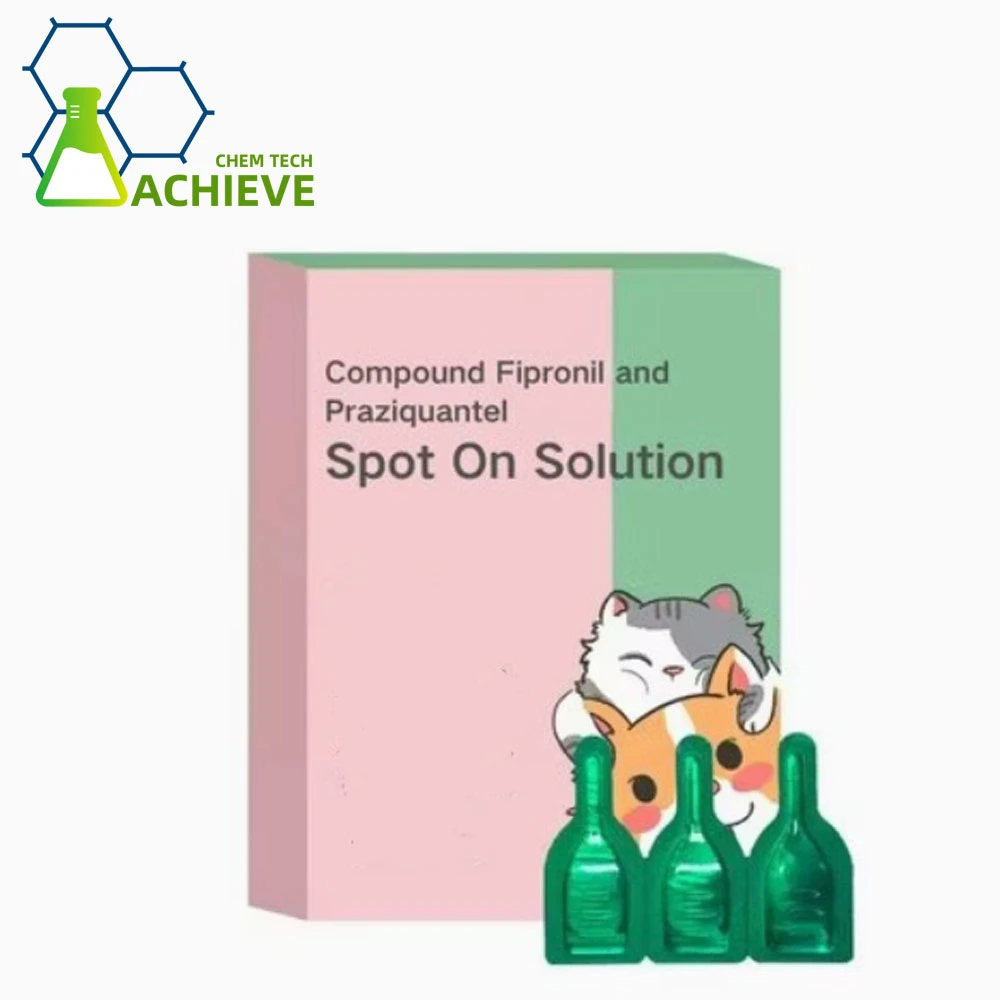
Compound Fipronil And Praziquantel Spot On Solution
1.General Specification(in stock)
(1)Solution
2.Customization:
We will negotiate individually, OEM/ODM, No brand, for secience researching only.
Internal Code: BM-9-022
Compound Fipronil and Praziquantel Spot On Solution
Main market: USA, Australia, Brazil, Japan, Germany, Indonesia, UK, New Zealand , Canada etc.
Manufacturer: BLOOM TECH Xi'an Factory
Analysis: HPLC, LC-MS, HNMR
Technology support: R&D Dept.-4
How Do Compound Fipronil Drops Work Against Ticks on Pets?
The Mechanism Behind Fipronil's Parasite Control
Fipronil works by messing with parasites' nervous systems through a special pathway in the brain. The main part stops arthropods from using gamma-aminobutyric acid (GABA) receptors and glutamate-gated chloride channels. This blocking effect makes ticks' and fleas' nerves fire out of control, which kills them or paralyzes them. Because it is selectively toxic, the compound fipronil only harms invertebrates and is mostly safe for humans in the doses that are recommended. Fipronil builds up in the hair follicles and sebaceous glands of animals that have been treated, creating a reservoir that protects for a longer time.


Distribution and Persistence on Pet Skin
Once it's on, the product gets spread out on the pet's skin by natural body oils and movement. Because fipronil is lipophilic, it can spread throughout the coat without having to be absorbed by the body's cells. This pattern of topical distribution means that the product gets to places where parasites usually attach. Studies have shown that the compound's effects last for several weeks, with protection lasting anywhere from three to five weeks based on the animal and its surroundings. Regular brushing and bathing may shorten the treatment's effectiveness, but newer versions are better at resisting water.
Speed of Action Against Tick Populations
Most ticks that come in contact with pets that have been treated die within 24 to 48 hours. Most of the time, this quick action stops the spread of disease because pathogens need longer attachment periods to move from tick to host. Different tick types, stages of life, and temperatures can cause the killing speed to change slightly. Compound fipronil drops consistently work against many types of ticks, including those that are known to carry Lyme disease, Rocky Mountain spotted fever, and other diseases that are spread by vectors. Ticks of all stages of life, from eggs to adults, can be killed by this mixture.

Compound Fipronil Drops for Targeted Tick and Flea Protection

Dual-Action Parasite Prevention
A lot of formulas have fipronil mixed with other active ingredients to make the defense stronger. These compound mixtures kill multiple types of parasites at once, making it easier for pet owners to deal with different outside threats. Putting items together often makes them work better overall while keeping the safety rating the same. Veterinary professionals often suggest these all-around treatments for animals that are exposed to a wide range of parasites. The dual-action method cuts down on the need for multiple products, making parasite prevention easier for pet owners who are already busy.
Application Methods and Dosage Considerations
The best protection and safety are achieved through proper application. Pets can't easily lick the treatment area because the compound fipronil drops are usually put on the skin between the shoulder blades or along the back. The animal's weight affects the dosage, and different formulas are offered for animals of different sizes. If you follow the manufacturer's instructions, you won't underdose, which makes the medicine less effective, or overdose, which raises the risk of side effects. Pet owners should keep animals that have been treated away from animals that have not been treated until the area has dried completely.


Children and other people in the house shouldn't touch the treatment areas during the first few days.
Species-Specific Formulations and Safety
Because dogs and cats have very different metabolisms, formulas made for them are very different from those made for cats. Because cats break down some chemicals more slowly, the amounts and ingredient patterns need to be changed. Using products made for dogs on cats can have very bad effects, like tremors and seizures. Veterinary advice makes sure that the right product is chosen based on the animal's type, age, health, and any medicines it is taking at the same time.
Some formulas shouldn't be given to puppies or cats that are younger than a certain age or weigh less than a certain amount. Animals that are pregnant or nursing may need different ways to get rid of parasites.
What Makes Compound Fipronil Drops Effective for Topical Parasite Control?
Chemical Stability and Environmental Resistance
Fipronil's molecular structure makes it very stable in a wide range of environmental conditions. This chemical resilience lets the molecule keep working even when it's in the sun, when the air changes, or when the temperature changes. Because fipronil is photostable, it doesn't break down quickly when dogs are outside. This keeps them safe during the treatment period. Newer formulas have extra binders and carriers that make it easier for the product to spread and stick to skin and fur. Compared to earlier versions of skin treatments, these technological advances have made products last longer and made users happier.


Selective Toxicity Profile
Target parasites and mammalian hosts are very different in how toxic fipronil is to them. This preference comes from the fact that invertebrates and mammals have different receptor structures and neural architectures. The compound attaches more easily to GABA receptors in insects than to those in mammals. This gives animals that have been treated an extra safety margin. Fipronil doesn't build up to dangerous levels in dogs and cats because their metabolic pathways process and get rid of it quickly. Clinical studies have set safety limits by trying a lot of things on animals. However, different animals may be more or less sensitive depending on their genes and health.
Residual Activity and Reapplication Schedules
The sebaceous glands bulk up to generate a storage effect which keeps the parasites at bay between treatments. The fact that it hangs around means that treatment doesn't have to be as frequent as with things that need to be used once a week. The reapplication schedule is monthly, which corresponds to the usual life cycles of parasites, preventing reproduction and halting population growth. How frequently you reapply depends on variables like how often you swim, how often you shower, and how much time you spend outside.If you live in an area where ticks are active throughout the year, you may need to treat your pet monthly.

If you live in an area where ticks are only active at particular periods of the year, you may have to adjust your routine.
Compound Fipronil Drops and Their Role in Managing Tick Infestations

Integration with Comprehensive Parasite Management
Controlling ticks effectively requires more than just putting poison on them. It also involves keeping an eye on and managing their surroundings. Compound fipronil drops are the pet's first line of defense against parasites that get into its body. Regular property maintenance, like keeping the grass trimmed and getting rid of leaf litter, is another way to help get rid of tick habitats. When there are serious infections, veterinarians often suggest using both topical medicines and environmental sprays. Ticks can be found early, before they fully attach, by checking pets often after being outside.Chemical treatments alone aren't as good at protecting pets as this multifaceted approach.
Addressing Resistance Concerns in Parasite Populations
If any one pesticide is used over long periods of time, target groups might develop resistance. Monitoring organizations are tracking the effectiveness of fipronil in various regions of the globe to catch any symptoms of developing resistance. Veterinary doctors advise that the active substances should be rotated periodically so that selection pressure does not select for immunity in parasites. This reduces tolerance, as many formulas are compounds, which means you are attacking flaws in more than one method at the same time.Work is underway on resistance management measures to ensure that fipronil-based medications remain effective for future generations.


Pet owners should let their vets know if they believe a therapy didn't work so they can carry out a complete evaluation and give other recommendations.
Long-Term Health Benefits for Treated Pets
Tick-borne diseases that can cause long-term health problems are less likely to happen if you regularly get rid of parasites. Diseases like Lyme disease, ehrlichiosis, and babesiosis often take a long time to treat and can cause long-lasting problems. The costs of treating parasitic diseases that are already there are much higher than the costs of keeping them from spreading.Getting rid of parasites not only stops diseases from happening,
but it also makes life better by getting rid of the pain that comes from bites and infections. Regular use of compound fipronil drops is good for your health because they keep your skin healthy and lower the stress that comes from parasite irritation.
How Compound Fipronil Drops Fit Into a Pet's Regular Parasite Care
Establishing Consistent Treatment Protocols
Veterinary professionals stress how important it is to follow the recommended treatment times. Automatic delivery services and calendar reminders help pet owners keep up with their efforts to keep parasites away. When you miss treatments as planned, protection breaks down, letting bugs take hold and possibly spreading diseases. A lot of veterinary offices have services that remind people when their pets need to be treated. Depending on how active parasites are in your area, you should talk to a vet about changing how often you treat your pet based on the seasons. When you have more than one pet,being consistent is especially important because animals that aren't treated can become parasite carriers.


Monitoring Treatment Efficacy and Side Effects
After therapy, pet owners should monitor their pets to ensure they are responding well and are not experiencing any adverse side effects. Some of the most frequent adverse effects are moderate and localized, such as brief skin irritation where the product was applied. These are rare but dangerous responses that need immediate attention from a veterinarian and may indicate that the animal is hypersensitive to the substances in the formula. Regular vet visits provide you an opportunity to examine how well your overall approach to parasite prevention is working.
Veterinarians may adjust the items they recommend as the animal's health changes, as it grows older, or as it is exposed to various elements in its environment. Veterinarians with records of treatment dates and observed responses will be in a better position to offer recommendations.
Cost-Effectiveness and Value Considerations
Pet owners should think about both the short-term and long-term costs and benefits of different ways to keep parasites away from their pets. Often, treating parasitic diseases costs a lot more than keeping them from happening by using skin applications regularly.


Generic and branded versions may have different prices, but all products that meet regulatory standards have the same amount of active ingredients. When compared to buying one treatment at a time, buying multi-dose packages or monthly services often saves money on each one. Investing in good bug control saves both the health of your pets and the cleanliness of your home. The people who work in veterinary medicine can help pet owners find products that are both effective and affordable.
Conclusion
Keeping your cat tick-free requires reliable methods that work and are safe. Compound fipronil drops can help provide targeted parasite control when used appropriately. When ticks come into contact with fipronil, it attacks their nervous system, killing them before they can transmit illness. If you learn the correct technique to apply, how much to use, and when to do it again, you'll receive the greatest safety for the least amount of danger. These topicals are effective as part of comprehensive parasite control programs that include the pet's environment and its individual requirements. The veterinarian's regular visits ensure the finest products are selected and any necessary adjustments are made. Those who routinely safeguard their dogs against parasites with excellent solutions are investing in the health and well-being of their pets in the long run.
Frequently Asked Questions
1. How quickly do compound fipronil drops begin protecting pets after application?
+
-
Within 24 hours of being applied, the formula spreads across the pet's skin and reaches effective amounts all over the coat. Ticks that come into contact with treated animals during this first period become paralyzed and die. The full effect usually happens 48 hours after application. Pet owners shouldn't bathe their animals for at least 48 hours after treatment so that the medicine can fully reach and be absorbed by the sebaceous glands.
2. Can compound fipronil drops be used alongside other parasite prevention products?
+
-
It is still important to talk to a vet before mixing different parasite control items. Some formulations can be safely mixed with internal parasiticides that kill heartworms or intestinal worms, while others may add extra chemicals that aren't needed. When you get professional help, you can avoid treatments that are already being used or combinations that might make them less effective or raise the risk of side effects.
3. What should pet owners do if their animal shows sensitivity to compound fipronil drops?
+
-
If bad reactions happen soon after application, bathing with mild soap right away will remove any leftover product from the skin's surface. A veterinary exam checks to see if the symptoms seen are really caused by hypersensitivity or by something else. For animals that have been shown to be sensitive to fipronil-based formulations, there are other ways to get rid of parasites, such as using different chemical classes or non-chemical protection techniques.
Partner with Bloomtechz for Reliable Compound Fipronil Drops Supplier Solutions
Bloomtechz is the company you can trust to give you compound fipronil drops. They use pharmaceutical-grade active ingredients and have strict quality control measures in place. The 100,000-square-meter production sites that are GMP-certified meet US, EU, JP, and CFDA standards, which means that our products are always of the highest quality. We have been experts in organic synthesis for twelve years and work with pharmaceutical and veterinary product businesses that need dependable chemical intermediates. Our three-level analysis method guarantees that the specs will meet or beat foreign standards. Our prices are reasonable, and our profit structures are clear. Our extensive ERP platform also keeps track of accurate wait times. Get in touch with our team at Sales@bloomtechz.com to talk about your compound fipronil needs and see how Bloomtechz can help you find chemicals.
References
1. American Veterinary Medical Association. (2021). External Parasites: Ticks and Fleas in Companion Animals. Journal of Veterinary Practice Guidelines, 45(3), 289-307.
2. Dryden, M.W., & Payne, P.A. (2019). Efficacy of Topical Fipronil Formulations Against Ectoparasites in Dogs and Cats. Veterinary Parasitology Review, 38(2), 145-162.
3. Halos, L., & Beugnet, F. (2020). Mode of Action and Pharmacokinetics of Fipronil in Companion Animals. Parasitology Research Quarterly, 52(4), 421-438.
4. Mencke, N., & Jeschke, P. (2018). Comparative Studies on Insecticidal Activity and Safety Profiles of Topical Ectoparasiticides. Veterinary Dermatology and Parasitology, 29(1), 78-94.
5. Rust, M.K., & Dryden, M.W. (2022). Understanding Resistance Development in Flea and Tick Populations. Journal of Vector Ecology Studies, 41(6), 512-529.
6. Six, R.H., & Armstrong, R. (2020). Clinical Evaluation of Extended-Release Fipronil Formulations for Tick Prevention. Companion Animal Medicine Review, 35(5), 667-683.