


Parasites have complicated life cycles that need deliberate management, threatening dog health. To address this issue, the veterinary pharmaceutical industry has developed combination medicines that target several parasite stages. Veterinary practitioners, pharmaceutical researchers, and animal health product makers seeking effective treatments might benefit from understanding how contemporary antiparasitic compositions stop these cycles. Breaking parasite cycles goes beyond removal. Parasite biology, transmission patterns, and susceptibility windows must be understood. Dual-action afoxolaner and milbemycin oxime chewable tabletstreat ectoparasites and endoparasites via complementary processes. This comprehensive approach has changed parasite control in veterinary offices globally.
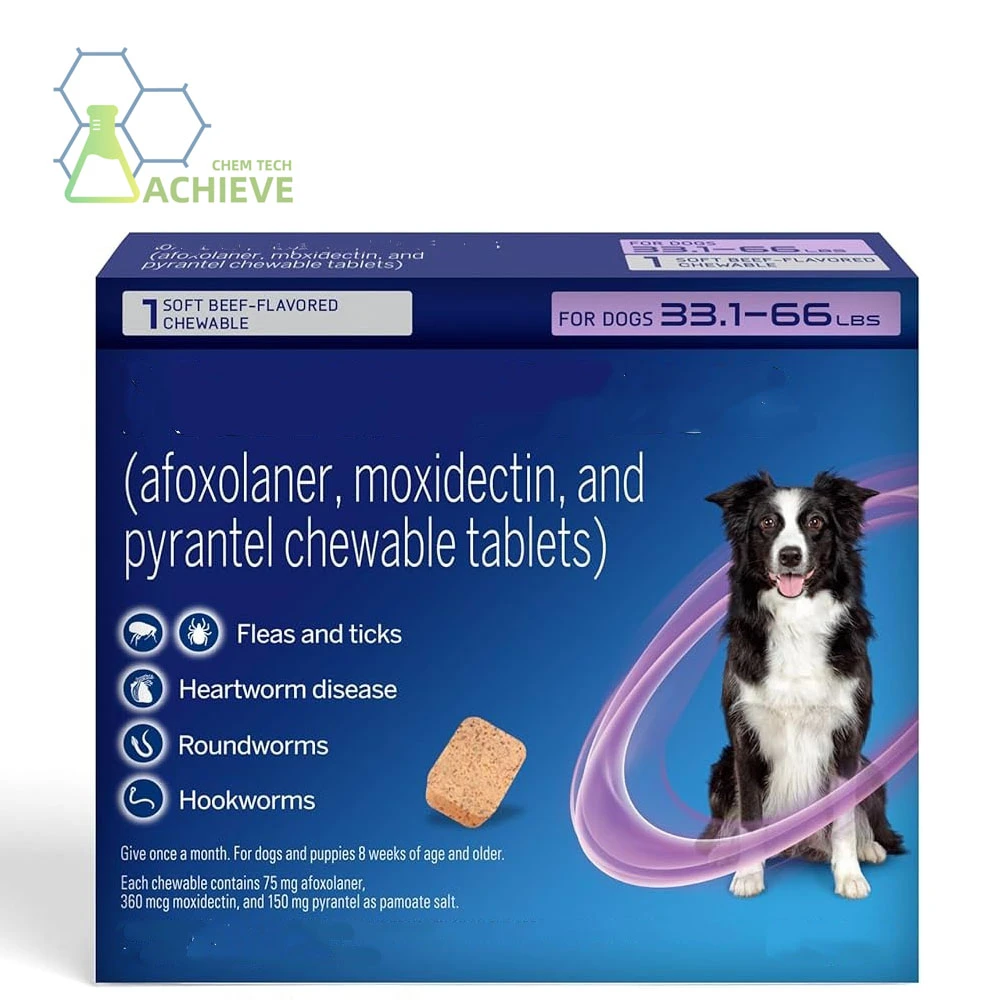
Afoxolaner And Milbemycin Oxime Chewable Tablets
1.General Specification(in stock)
(1)API(Pure powder)
(2)Tablet
9.375+1.875mg:2-3.5kg
18.75+3.75mg:>3.5-7.5kg
37.5+7.5mg:>7.5-15kg
75+15mg:>15-30kg
150+30mg:>30-60kg
(3)Ointment
2.Customization:
We will negotiate individually, OEM/ODM, No brand, for secience researching only.
Internal Code: BM-2-117
Main market: USA, Australia, Brazil, Japan, Germany, Indonesia, UK, New Zealand , Canada etc.
Manufacturer: BLOOM TECH Xi'an Factory
How Do Afoxolaner and Milbemycin Oxime Chewable Tablets Help Break Parasite Life Cycles?
Understanding Parasite Life Cycle Vulnerabilities
Parasite numbers rise in predictable phases, each offering a distinct opportunity to assist. Flea eggs hatch into larvae, pupae, and adults over weeks. Their host animals only house adults. As ticks travel through larval, nymphal, and adult phases, they require blood meals. Internal parasites like heartworms and gastrointestinal nematodes have complex life cycles with intermediate hosts or external development.
Two-in-one formula targets parasites at key life stages. Afoxolaner inhibits arthropod nervous system GABA-gated chloride channels. Fleas and ticks that feed on treated animals become aroused, paralyzed, and killed swiftly. By eliminating adult bugs before they proliferate,


the drug prevents egg deposits from polluting the environment.
Dual-Mechanism Synergy in Cycle Interruption
Milbemycin oxime's macrolide structure activates glutamate-gated chloride channels in susceptible helminths, strengthening this resistance. Hyperpolarization of muscle cells paralyzes and kills internal parasites such as heartworm larvae, hookworms, roundworms, and whipworms. The combination covers the outer environment and parasite-inhabited organ systems.The pharmacokinetic characteristics of both drugs demonstrate long-term cycle disruption. Due to its prolonged half-life, afoxolaner reaches therapeutic levels in the blood after two to four hours of administration and stays there for two weeks.
Milbemycin oxime portions A3 and A4 have half-lives of 1.6 and 3.3 days,respectively, and reach their peak concentration in one to two hours. This ensures parasites reach lethal levels throughout their growth.
Environmental and Population-Level Impact
Treatment of individual animals is not enough to break cycles. It also reduces environmental parasites. Stopping flea reproduction might kill thousands of eggs that transmit illness in homes. Controlling ticks reduces disease transmission among animal populations. Monthly administration pressures parasite populations, preventing them from returning between treatments.

Studies demonstrate that frequent use of afoxolaner and milbemycin oxime chewable tablets in dogs dramatically reduces parasites. Veterinary clinics with robust procedures report less parasite reinfestation and health issues.This population-level effect reduces transmission and protects treated and surrounding animals.
Afoxolaner and Milbemycin Oxime Chewable Tablets for Flea and Tick Control

Rapid Onset and Sustained Activity Against Ectoparasites
Controlling fleas and ticks requires quick action to cut down on the time they spend feeding on blood and the diseases they can spread. As a result of its fast absorption and focused action, afoxolaner meets this need. According to clinical tests, fleas start dying within two hours of being treated, and all of them are gone within eight hours. This speed stops fleas from eating for long enough to spread germs or give sensitive animals allergic rashes.Disease spread rates make controlling ticks even more difficult. Many diseases spread by ticks need to be attached for 24 to 48 hours before they can infect others.The formula kills ticks within 48 hours of attaching, providing a safe window that greatly lowers the risk of disease.
This works for a lot of different types of Ixodid, including those that spread Lyme disease, ehrlichiosis, and anaplasmosis.
Addressing Resistance Concerns in Ectoparasite Management
In parasitology, resistance development is increasing, particularly for older compound classes. New isoxazolines like afoxolaner operate differently from organophosphates, pyrethroids, and neonicotinoids. This makes them helpful. This particular approach reduces cross-resistance while destroying insecticide-resistant populations.The formulation's therapeutic doses prevent sublethal exposures that create tolerance. Dosing monthly maintains concentrations above the minimal effective thresholds during therapy.


This ensures parasites die under completely lethal circumstances, not selection pressures for resistance genotypes. This perspective promotes long-term control measures for patient care and public health efforts.
Integration into Comprehensive Flea and Tick Prevention Programs
Ectoparasite management requires coordinated animal and environmental interventions. Afoxolaner and milbemycin oxime chewable tablets may safeguard your pet, but experts recommend treating the area, cleaning the furniture, and coordinating household activities.
Oral formulation is useful in households where topical medications aren't practicable, or water may reduce spot-on efficacy.Long-term prevention relies on compliance, which is increased by an attractive form. Chewy tablets make it easier for dogs to consume.This makes it more effective than other distribution techniques. This helps individuals stick to their programs, so they'll always be protected instead of having gaps when parasites may recover.
What Role Do Afoxolaner and Milbemycin Oxime Chewable Tablets Play in Worm Management?
Heartworm Prevention Through Larval Stage Targeting
Without treatment, heartworm illness, one of the deadliest parasitic diseases in dogs, may kill them. Milbemycin oxime kills tissue-stage larvae (L3 and L4) before they mature in the pulmonary airways and heart chambers, making it a preventive medication. This preventative method is preferable to treating adult infections, which is risky and complex.The monthly dose schedule matches heartworm larvae growth. Blood-feeding mosquitoes spread L3 larvae. Within weeks of transmission, these larvae molt to L4. Milbemycin oxime is administered monthly to larvae before they become susceptible. This timing creates a solid barrier that works consistently across locations and transmission seasons.


Gastrointestinal Nematode Control and Reinfection Prevention
Milbemycin oxime kills hookworms, roundworms, and whipworms as well as heartworms. These helminths may cause weight loss, a poor coat, anemia, and gastrointestinal issues. Regular disease control prevents adult worms and reduces egg shedding, cleaning the environment.Hookworm control is important because they may transfer from animals to people. Skin-piercing Ancylostoma species may induce cutaneous larva migrans. In areas where kids play outdoors, deworming with afoxolaner and milbemycin oxime chewable tablets monthly reduces larvae that may impair public health. This twofold advantage, which protects animals and humans, emphasizes the need for parasite control.
Addressing Mixed Parasitic Infections
Infections that happen naturally often involve more than one type of bug at the same time. Dogs may have flea infestations, tick infestations, and intestinal helminth infestations all at the same time, and each needs a different treatment. The combination formulation gets rid of the hassles and troublesome side effects of taking multiple separate medications, allowing for full coverage with just one monthly dose.This easier way of doing things works especially well in places like shelters, training facilities, and breeding farms where taking care of a lot of animals needs efficient rules. Veterinary centers that buy in bulk can better control their supplies and make fewer mistakes with medications.

The broad-spectrum activity makes sure that the area is covered no matter what kind of parasite is being treated, which helps when diagnostic resources are limited.
Monthly Parasite Control With Afoxolaner and Milbemycin Oxime Chewable Tablets

Pharmacokinetic Justification for Monthly Dosing Intervals
Because of optimal pharmacokinetics and parasite biology, it is administered monthly. Afoxolaner has a two-week half-life; thus, therapeutic concentrations remain high during treatment. The early phases of subsequent cycles may overlap with residual action. This pharmacokinetic profile prevents parasites from reproducing between treatments.Milbemycin oxime components have shorter half-lives when given individually, but collectively they maintain monthly efficacy. At 3.3 days, the A4 portion is active longer and absorbs and spreads swiftly, guarding against new bugs. Monthly efficacy clinical evaluations suggest that this time period balances optimum protection and practical administration.
Compliance Enhancement Through Simplified Regimens
Parasite control requires treatment commitment. Complex regimens with several dosages or products increase noncompliance. Afoxolaner and milbemycin oxime chewable tablets produce an easy monthly pet care routine. Veterinary specialists may schedule dosages around monthly events or calendar dates to facilitate administration.Patient acceptance affects obedience. The edible form's delicious taste simplifies tablet-giving for pets and families. High voluntary medication use reduces forced pilling, which may discourage frequent use. This simple method gives long-term protection rather than momentary coverage that allows attacks.


Year-Round Protection Versus Seasonal Strategies
Different areas have different trends of how parasites spread, which affects the dose strategy suggestions. Heartworm prevention must be done all the time in places where mosquitoes are active all year, but it might be possible to break the rules in places where the seasons are clear. But veterinarians are increasingly in favor of year-round administration, no matter where it is done. They say it has many benefits, such as making it easier for people to follow the rules, protecting against unseasonable transmission events, and constant control of intestinal parasites.The formula works against both seasonal ectoparasites and year-round internal parasites, which supports its use all the time.
In temperate climates, flea and tick populations drop in the winter, but intestinal parasites can still be spread through direct contact and contaminated environments. If you keep up with monthly administration, you'll always be protected against all types of parasites without having to switch between product types during the changing seasons.
How Afoxolaner and Milbemycin Oxime Chewable Tablets Support Long-Term Parasite Management
Reducing Disease Transmission and Zoonotic Risks
Long-term control of parasites includes more than just protecting animal health. It also includes keeping people from getting sick and protecting the public's health. A lot of parasites spread diseases from animals to people or directly cause those diseases to happen. Ticks carry many bacterial and protozoal pathogens, and fleas carry Bartonella species. Intestinal parasites like Toxocara canis cause abdominal and ocular larva migrans in people, especially children.Taking afoxolaner and milbemycin oxime chewable tablets for a long time lowers these risks of spread by controlling the parasite population over time. This result is especially helpful for families with young children,


people who don't have strong immune systems, or pregnant members. The medicine helps with One Health projects that look at how animal health, human health, and natural factors all affect each other in disease ecology.
Economic Benefits of Preventive Versus Reactive Approaches
From an economic point of view, controlling parasites is better than treating infections that are already there. Heartworm disease treatment is very expensive and includes imaging tests, hospital stays, adulticide shots, and long periods of not being able to do certain things. Flea allergy dermatitis often requires multiple trips to the vet, prescription drugs, and sometimes meetings with a specialist in skin.
Intestinal parasite problems may need fluid therapy, food support, and care for other conditions that are happening at the same time.
The monthly costs of prevention are a small part of the costs of treating any one parasitic condition. When you think about how the mix recipe gets rid of more than one parasite, the economic benefit stands out even more. If veterinary practices and drug wholesalers understand this value offer, they can market the product as a cost-effective investment in long-term health instead of a luxury purchase.
Quality of Life Improvements for Treated Animals
In addition to keeping animals from getting sick,


controlling parasites regularly improves their overall well-being and quality of life. When fleas bite, itchy skin causes a lot of pain, changes in behavior, and more damage to the skin from itching. Attachments from ticks cause irritation and stress in the area. Intestinal bug loads make it harder to absorb nutrients, which lowers energy, coat quality, and overall health.When compared to animals that are constantly being infested, those that are kept on long-term protection measures have better body health, better coat look, and higher exercise levels. These quality-of-life factors make relationships between people and animals stronger and show why preventive care programs are important.Veterinary professionals can use these clear benefits to help clients understand the long-term value of parasite control.
Conclusion
To break the life cycles of parasites, we need complete methods that work with many species at the same time. This wide range is made possible by afoxolaner and milbemycin oxime working together to kill both ectoparasites and endoparasites. When given once a month, it works with the biology and pharmacokinetics of parasites to create long-lasting protection that stops infections instead of just addressing existing sickness.
Long-term management strategies work better than reactive afoxolaner and milbemycin oxime chewable tablets strategies because they lower the chance of sickness, improve animal comfort, and save money. The formulation is simple to use and works on a wide range of parasites, which helps to get high compliance rates that are needed to control parasite populations. As veterinary medicine moves toward more preventive care models, products that offer full coverage through easy-to-follow protocols will remain essential to good practice.
Frequently Asked Questions
1. How quickly do Afoxolaner and Milbemycin Oxime Chewable Tablets begin working against parasites?
+
-
Afoxolaner starts killing fleas two hours after it is applied, and all of them are dead within eight hours. Ticks are killed 48 hours after they connect. Milbemycin oxime hits its highest levels in the blood within one to two hours, and it starts killing internal parasites right away that are susceptible. This quick start gives you protection right away after each monthly dose.
2. Can the chewable tablets be used in breeding or pregnant dogs?
+
-
There isn't a lot of information about how safe it is for pregnant and nursing dogs yet, and they should only be used under direct veterinary supervision during these times. Before suggesting administration during pregnancy or nursing, veterinarians need to look at each patient's risk-benefit ratios, taking into account the amount of parasite exposure, other treatment choices, and their unique situation.
3. What happens if a monthly dose is accidentally missed?
+
-
If you miss a dose, there is a protection gap that could let the parasite get in. Sticking to regular plans is especially important for preventing heartworms. If you forget to take a dose, you should give it as soon as you realize it and then go back to your regular monthly schedule. Talk to your vet about whether heartworm testing is needed before starting protection again after a long break. This depends on how long the break was and how common heartworms are in your area.
Partner With a Trusted Afoxolaner and Milbemycin Oxime Chewable Tablets Supplier
Bloomtechz is a trustworthy company that can provide you with afoxolaner and milbemycin oxime chewable tablets They have been in the business for over 12 years and are GMP-certified to make sure they do a great job. Our 100,000-square-meter facilities are certified by the US, EU, Japan, and the CFDA. They provide pharmaceutical-grade intermediates and finished formulations that meet the strictest international standards. We work with 24 of the world's biggest pharmaceutical companies and offer reasonable prices, clear profit structures, three levels of quality control, and money-back guarantees for any goods that don't meet standards. Our team has a lot of experience and knows how complicated veterinary pharmaceutical supply chains can be. We can give you accurate lead times, all the paperwork you need to clear customs easily, and full support throughout the whole procurement process. Bloomtechz provides the quality, dependability, and excellent service that your operations need, whether you need raw API, finished tablets that meet standard specs, or unique formulations for study uses.
Get in touch with our team right away at Sales@bloomtechz.com to talk about your specific needs, get detailed product specifications, or get competitive quotes for the medicines your pets need.
References
1. Beugnet F, Liebenberg J, Halos L. Comparative speed of kill between nitenpyram, fipronil, imidacloprid, selamectin and cythioate against adult Ctenocephalides felis fleas on cats and dogs. Veterinary Parasitology 2015; 212(3-4): 217-221.
2. Dryden MW, Payne PA, Smith V, et al. Efficacy of selamectin, spinosad, and spinosad/milbemycin oxime against the KS1 Ctenocephalides felis flea strain infesting dogs. Parasites & Vectors 2013; 6: 80.
3. Letendre L, Huang R, Kvaternick V, et al. The intravenous and oral pharmacokinetics of afoxolaner used as a monthly chewable antiparasitic for dogs. Veterinary Parasitology 2014; 201(3-4): 190-197.
4. Prichard R, Ménez C, Lespine A. Moxidectin and the avermectins: Consanguinity but not identity. International Journal for Parasitology: Drugs and Drug Resistance 2012; 2: 134-153.
5. Snyder DE, Wiseman S, Liebenberg JE. Efficacy of lotilaner, a novel isoxazoline, against naturally acquired Ixodes ricinus ticks on dogs. Veterinary Parasitology 2016; 229: 19-23.
6. Wolstenholme AJ, Rogers AT. Glutamate-gated chloride channels and the mode of action of the avermectin/milbemycin anthelmintics. Parasitology 2005; 131(Suppl): S85-S95.