


One of the most crucial components of good pet care is keeping your pet free of fleas, ticks and lice. Fipronil spot-on is a go-to option for millions of pet owners throughout the globe – and for good reason. This article explains how it works, why it lasts so long and how to use it properly on various sizes of dogs and cats.
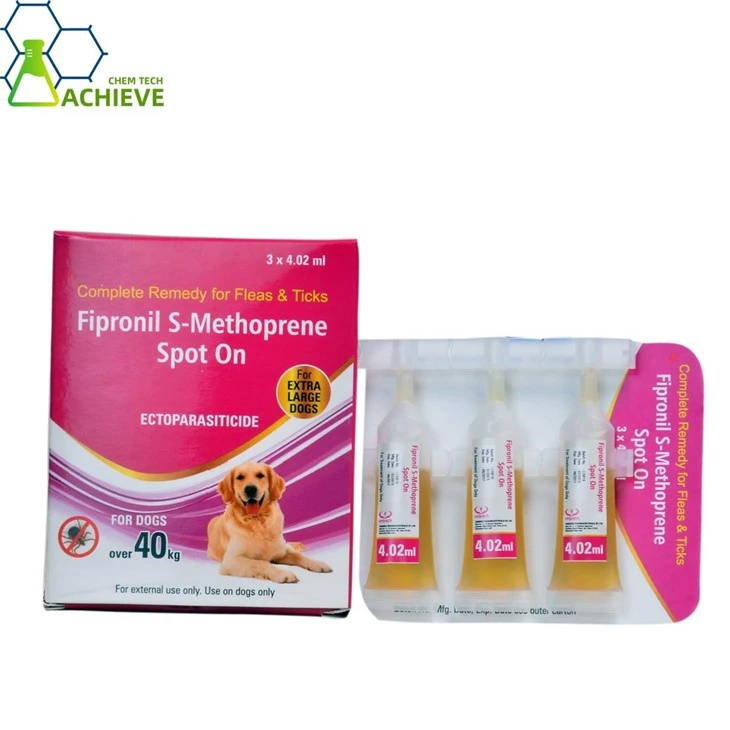
Fipronil Spot-On
1.General Specification(in stock)
(1)API(Pure powder)
PE/Al foil bag/ paper box for Pure powder
(2)Spot-On
cat:0.5ml
dog:0.67ml:2-10kg/1.34ml:10-20kg/2.68ml:20-40kg/4.02ml:40-60kg
(3)Solution
(4)Drops
2.Customization:
We will negotiate individually, OEM/ODM, No brand, for secience researching only.
Product Code:BM-9-018
Fipronil CAS 120068-37-3
Analysis: HPLC, LC-MS, HNMR
Technology support: R&D Dept.-3
How Does Fipronil Spot-On Work to Control Fleas and Ticks on Dogs and Cats?
The Science Behind the Active Ingredient
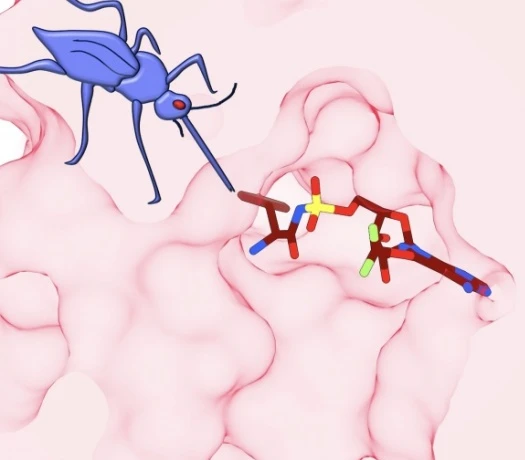
Fipronil is a member of the phenylpyrazole family of wide range insecticides. It inhibits gamma aminobutyric acid (GABA)-gated chloride channels, hence interfering with the central nervous system of the parasites. This disturbance generates uncontrollable neuronal stimulation in fleas, ticks, and lice, leading to paralysis and death. Importantly , mammalian GABA receptors have a distinct binding structure . This is what renders fipronil selectively poisonous to insects and arachnids at allowed doses , while being safe for your pets when used as indicated .
The clinical results support the rapidity of this activity.
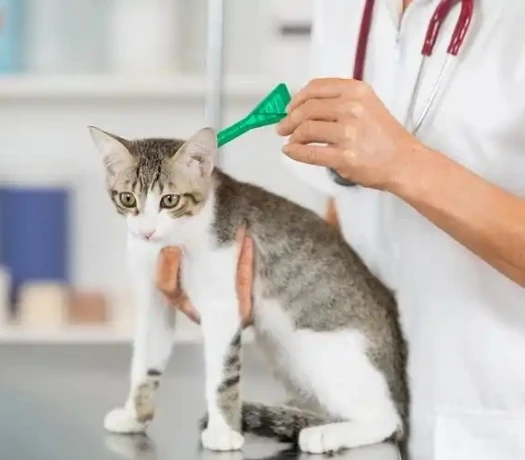
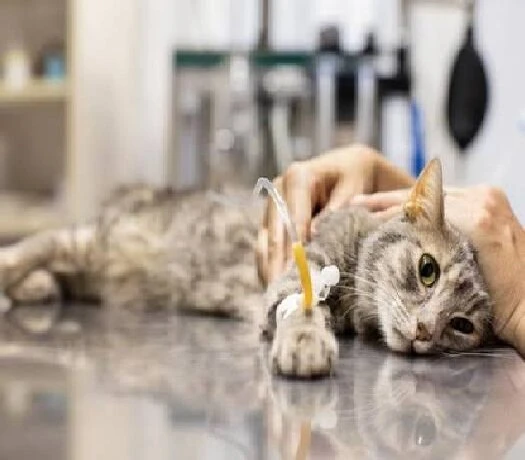
Research shows that within 24 hours of a single topical dose, fipronil starts killing fleas and within 48 hours it starts killing ticks. The fast onset is important because it reduces the time parasites have to develop eggs or transfer infections.
Contact Killing vs. Systemic Action
One aspect that differentiates fipronil spot-on from oral antiparasitics is its contact-based mode of action. Parasites do not have to bite the pet to harm it. When a flea or tick passes over treated hair or skin, it takes up fipronil via its cuticle and dies without eating. This contact-kill action is especially beneficial for dogs with flea allergy dermatitis, when a single bite may cause a major skin response.
It also interrupts the flea life cycle. Fipronil kills adult fleas before they lay eggs and will slowly diminish the environmental contamination in the house with repeated treatment cycles.
The Mechanism of Fipronil Spot-On: How Topical Application Creates Long-Lasting Parasite Protection
From Application Site to Whole-Body Coverage
When you use fipronil spot-on on the skin at the back of a pet's neck, the liquid doesn't just sit there. Fipronil is very lipophilic - it sticks easily to lipids. The substance is absorbed by the sebaceous glands in the skin and redistributed throughout the whole surface of the body by the normal flow of sebum. Hair follicles operate as a reservoir for fipronil, releasing the chemical slowly over time.
This pattern of dispersion is also supported by research assessing medication concentrations on skin surface. In cats, the concentration at the site of application on the neck may attain around 0.12 mg/cm2 within 24 hr, whereas the sebum-mediated spreading leads to quantifiable concentrations in distal body areas by 72 hr.
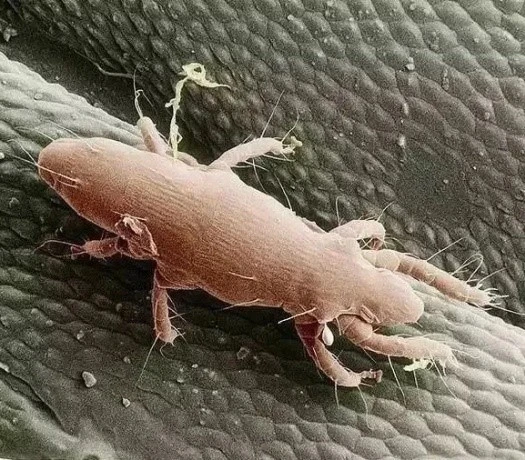
This self-distributing characteristic implies that a single application is able to protect the whole coat without spraying the whole body.
Duration of Protection and Formulation Stability
A carefully designed fipronil spot-on treatment can keep skin-surface concentrations over the parasiticidal threshold for four weeks under normal circumstances, while optimised solvent solutions may prolong the window to eight weeks. The composition uses antioxidants like BHT to prevent break down of the fipronil. The solvent mixture (usually light mineral oil or isopropanol) maintains the active ingredient suspended evenly and accessible for sebum absorption.
This is consistent with a proven three-year shelf life when the fipronil degradation rate is an average of no more than 2% per year, based on six months of accelerated stability testing at 40°C and 75% relative humidity.
Practical measures to retain this protective coating include keeping the pet's skin dry for 24 hours after treatment and prohibiting the animal from swimming or bathing during the first 48 hours.
Fipronil Spot-On for Dogs and Cats: Understanding Skin Distribution and Contact-Based Parasite Control
Why Skin Physiology Differs Between Species
The skin structures of cats and dogs are quite varied and these variances influence the distribution of fipronil when it is applied. Dog skin is 0.5-2 mm thick, whereas cat skin is thinner, ranging from 0.3-1 mm. Another important difference is that cat skin has a larger density of hair follicles (around 50–80 follicles per square centimetre against 30–50 in dogs) which translates into a better storage capacity for lipophilic substances.
Another level of differentiation is added by sebum secretion rates. Cats produce 1–2 mg of sebum per square centimetre every day, about twice that of dogs. Higher levels of the squalene are present in the cat sebum which increases the solubility of the fipronil and allows for a more constant release.
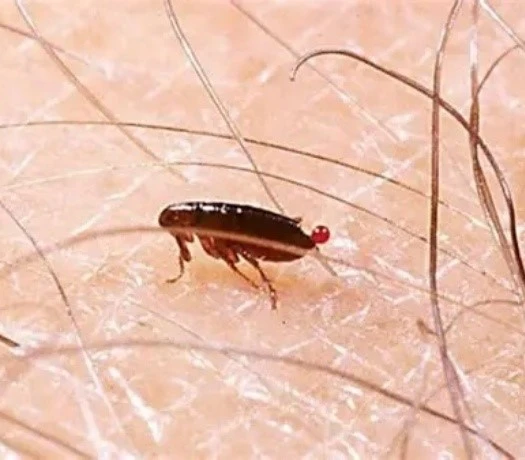
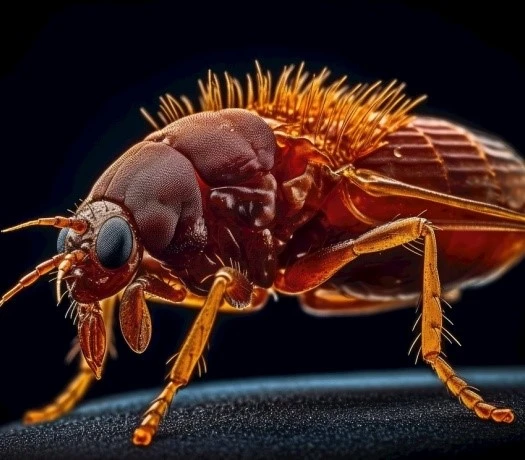
After a single application, the concentration of fipronil on the skin of cats may still reach around 60% of the original level 30 days later, against roughly 40% on the skin of dogs.
Practical Implications for Application Site Selection
The cat skin near the neck is thin and heavily folliculated and application of the dropper straight to that spot maximises uptake efficiency. The optimum application zone for dogs is the neck and upper back area which has a considerably greater hair follicle density. It is equally crucial that the site used be one that the animal cannot lick, both for safety and to avoid mechanical removal of the dosage before absorption is complete.
Why Pet Owners Choose Fipronil Spot-On for Convenient Flea and Tick Management
Ease of Use Drives Consistent Compliance
Oral drug administration to pets may be problematic, particularly with cats or neurotic dogs. All of this friction is eliminated with Fipronil spot-on. The dropper pipette needs no constraint other than splitting the fur and the whole application takes less than a minute. Owners are far more likely to reliably retain protection than with daily pill regimens since treatment intervals are extended to four or eight weeks depending on formulation.
The benefit of this compliance translates into improved parasite control results. A therapy that owners really take on time is better than a potentially more powerful product that is skipped.
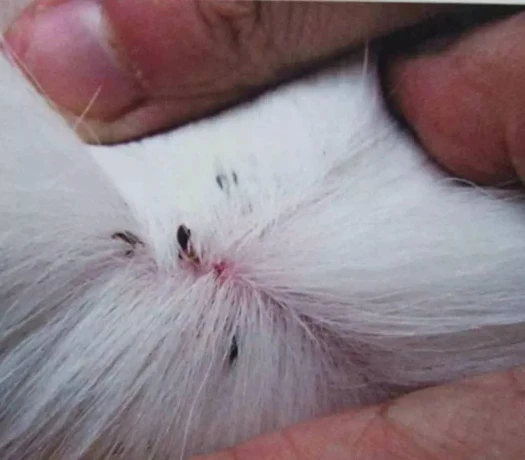
Broad-Spectrum Coverage With a Single Product
Modern formulations of spot-on fipronil treat fleas in all stages of development (adults, larvae and eggs) and ticks and lice. Some chemical formulations include the insect growth regulator S-Methoprene that interferes with the development of larvae, prolonging protection without further complicating administration. Clinical evaluations show that these combination solutions are effective in deworming, with success rates of 98% or higher, making them a realistic alternative for families with mixed infestations.
Fipronil Spot-On Applications in Daily Parasite Prevention for Different Pet Sizes and Species

Dosage Calibration Across Weight Categories
Dogs have thicker skin and less sebum production than cats, thus they need weight-adjusted doses to get the same medication concentrations on the skin surface. The typical dose ladder for dogs is 0.67ml for 2-10kg, 1.34ml for 10-20kg, 2.68ml for 20-40kg and 4.02ml for 40-60kg dogs. A 40 kg dog treated with 4.02 ml has a back skin concentration of fipronil of approximately 0.08 mg/cm2. This is in line with the effective concentration found in the neck skin of cats following a 0.5 ml application. This demonstrates that the weight-based system is not arbitrary, but is based on comparative pharmacokinetic data.
Cats are supplied a set dosage of 0.5 ml regardless of body weight, which is reflective of the increased follicle density and sebum secretion of cats, both of which will contribute to proper dispersion from a lesser administered amount.
Integrating Spot-On Treatment Into a Year-Round Prevention Routine
Parasite pressure varies by season and region, but year-round therapy is increasingly advised in temperate countries where mild winters no longer consistently break flea and tick populations. Consistent monthly treatment schedules avoid the cyclic reinfestation of coverage gaps.
These complementary hygiene practices, e.g. regular vacuuming, washing pet bedding at high temperatures and cleaning interior settings during active infestations,
will enhance the impact of the fipronil spot-on by decreasing the ambient egg and larvae reservoir. These techniques together provide a comprehensive parasite control method in comparison to topical therapy alone.
Conclusion
Fipronil spot-on provides broad-spectrum contact parasite control with a well-understood mechanism, a self-dispensing delivery device and dose forms tailored to the physiological realities of various species and body sizes. Its fast action, prolonged effect and simplicity of use make it one of the most practical means available for the protection of pets against fleas, ticks and lice. The three behaviours that unleash the full protective power of this formulation are selecting the proper amount for your pet's weight and species, applying to dry skin on the neck and adhering to a regular treatment schedule.
Frequently Asked Questions
Q1: Can I use a dog-formulated fipronil spot-on on my cat?
+
-
No. Dog formulations are dosed for canine skin physiology and body weight and may contain concentrations unsuitable for cats. Always use a product specifically labeled for the target species. Cat products are fixed at 0.5 ml to match feline skin characteristics.
Q2: How soon after application can my pet get wet?
+
-
Most formulations require at least 24–48 hours of dry skin after application to allow complete sebum absorption. Bathing or swimming before this window closes can reduce the amount of fipronil retained in the skin and shorten the duration of protection.
Q3: What should I do if my pet shows skin irritation at the application site?
+
-
Mild transient redness at the site is uncommon but can occur, particularly in animals with sensitive skin. If irritation persists beyond 24 hours or spreads beyond the application area, consult a veterinarian. Choosing a formulation with an optimized solvent ratio - one validated through skin irritation testing - minimizes this risk.
Partner With Bloomtechz for Reliable Fipronil Spot-On Supply
At Bloomtechz, we understand what B-side buyers need from a fipronil spot-on supplier: verified quality, transparent pricing, and delivery you can plan around. Our cooperative GMP production site - spanning 100,000 square meters and certified under US FDA, EU GMP, JP, and CFDA standards - manufactures fipronil spot-on in formats covering cats (0.5 ml) and dogs across all four weight grades. Triple-link quality analysis covers in-factory testing, our own QA/QC department, and a third-party authority agency, with a full refund guarantee for any item that falls outside contract specifications. We currently serve as qualified suppliers to 24 international companies across pharmaceutical, R&D, and specialty chemical sectors. Whether you need OEM/ODM packaging, no-brand batches, or long-term bulk purchasing agreements, our team is ready to negotiate individually and build a partnership that delivers lasting value.
Reach out today: Sales@bloomtechz.com
References
1. Hainzl, D., & Casida, J. E. (1996). Fipronil insecticide: Novel photochemical desulfinyl metabolite and mode of action in mammals. Chemical Research in Toxicology, 9(8), 1346–1348.
2. Postal, J. M., Consalvi, P. J., & Millemann, Y. (1995). Field efficacy of a mechanical pump spray formulation containing fipronil against fleas and ticks on dogs and cats. Veterinary Dermatology, 6(3), 153–158.
3. Cochet, P., Birckel, P., Bromet-Petit, M., Bromet, N., & Weil, A. (1997). Skin distribution of fipronil by microautoradiography following topical administration to the beagle dog. European Journal of Drug Metabolism and Pharmacokinetics, 22(3), 211–216.
4. Dryden, M. W., Payne, P. A., & Smith, V. (2013). Efficacy of fipronil-(S)-methoprene spot-on formulation to control flea populations in naturally infested dogs and cats in private residences in the United States. Veterinary Parasitology, 193(1–3), 182–188.
5. World Health Organization. (2001). Fipronil: Health-Based Guidance Values for Drinking-Water. WHO Pesticide Residues Series, Geneva.
6. European Medicines Agency Committee for Medicinal Products for Veterinary Use. (2006). Fipronil: Summary Report (4) (EMEA/MRL/067/95-FINAL). European Medicines Agency, London.