


Fleas leap, ticks attach onto skin and lice burrow through hair, making dogs itchy, irritated and unhappy. Pet owners look for a reliable response and fipronil spot-on treatments have become one of the most trusted alternatives in veterinary clinics and homes throughout the globe. Shaanxi Bloomtechz Co., Ltd. provides fipronil-based spot-on formulations that are designed to rapidly kill parasites and provide long-lasting protection on the skin.
In this post, we'll look at the science that behind the fipronil spot-on process. We'll look at how the active ingredient moves through the skin layers, how it attaches to the nervous system receptors, and how it continues to operate weeks after a single application. Readers will leave with a solid grasp on why phenylpyrazole chemistry is a cornerstone element in the global pet care business and why selecting a quality formulation is as critical as the chemistry itself.
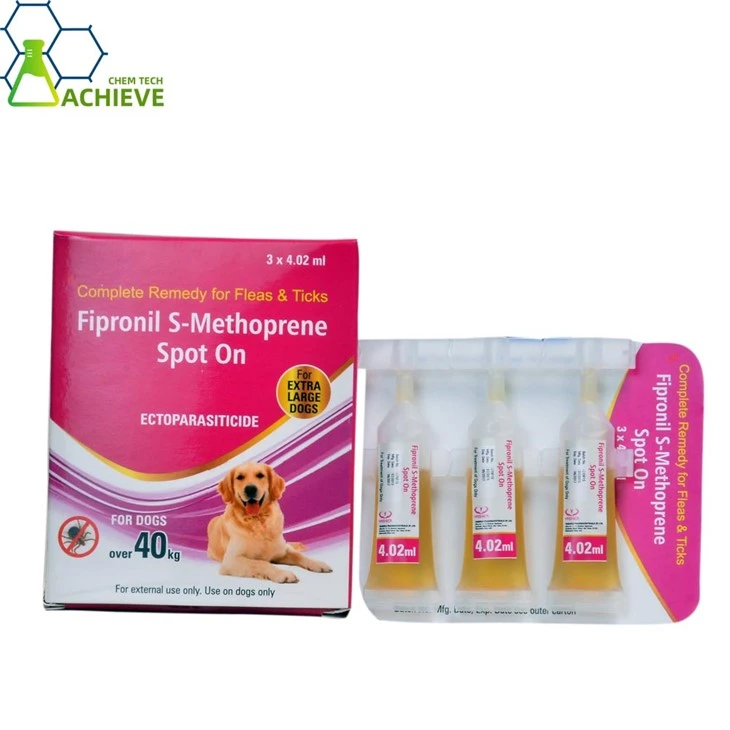
Fipronil Spot-On
1.General Specification(in stock)
(1)API(Pure powder)
PE/Al foil bag/ paper box for Pure powder
(2)Spot-On
cat:0.5ml
dog:0.67ml:2-10kg/1.34ml:10-20kg/2.68ml:20-40kg/4.02ml:40-60kg
(3)Solution
(4)Drops
2.Customization:
We will negotiate individually, OEM/ODM, No brand, for secience researching only.
Product Code:BM-9-018
Fipronil CAS 120068-37-3
Analysis: HPLC, LC-MS, HNMR
Technology support: R&D Dept.-3
How Does Fipronil Spot-On Reach Parasites on the Pet's Skin?
When a few drops of fipronil spot-on therapy are placed on the area behind a pet's neck, the adventure starts. The active ingredient is distributed out throughout the surface of the body, rather than being localised, by the liquid carrier, which is generally a light mineral oil or isopropanol. Within hours the solution reaches the sebaceous glands, combines with natural oils and starts to distribute along the hair shafts and surface of the skin.
How fast it spreads is dependent on the structure of the skin. Dog skin is normally 0.5-2 mm thick, the back skin being a more resilient barrier than the belly. Cat skin is generally thinner, ranging from 0.3 to 1 mm.
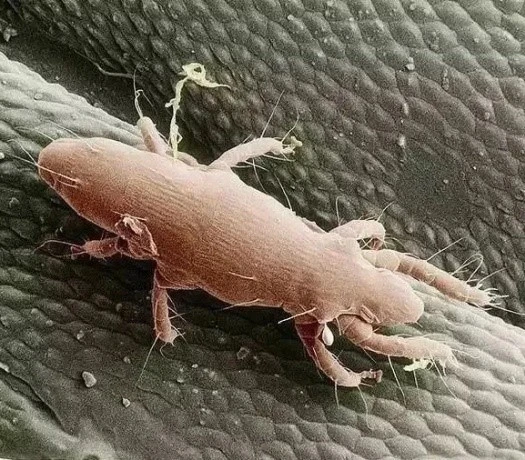
In the neck area it may be as thin as 0.3 mm. This is why you will see cats listed separately from dogs when you look at a dosage chart. There is not one-size-fits-all measurement.
Skin Absorption and Sebaceous Gland Distribution
When you apply fipronil, it doesn't remain on the surface. Then the substance passes through the stratum corneum, the outermost layer of dead keratinocyte cells, to reach the active epidermal layer. From there it attaches to the sebum in the hair follicles forming little reservoirs that continue to release the compound outwards over the next few weeks. This is why one treatment works for much longer than a surface spray would – it's the follicular reservoir system.
Species-Specific Skin Penetration Rates
In one study comparing cat and dog skin, the penetration of fipronil was about 15 percent greater in cat neck skin than in dog back skin during the first 24 hours. In cat skin there is also a greater blood flow at the application site and this seems to further enhance absorption. The skin on the back of dogs is thicker and oilier thus it requires a greater dosage . This is why the dose varies from 0.67 millilitres for smaller dogs to 4.02 millilitres for dogs over 40 kilos . This fine-tuning ensures that the fipronil spot-on formulation is constant across a very broad variety of body types.
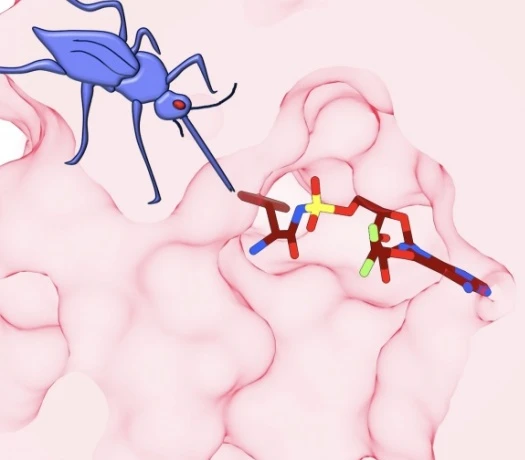
Fipronil Spot-On Mechanism at GABA-Gated Chloride Channels
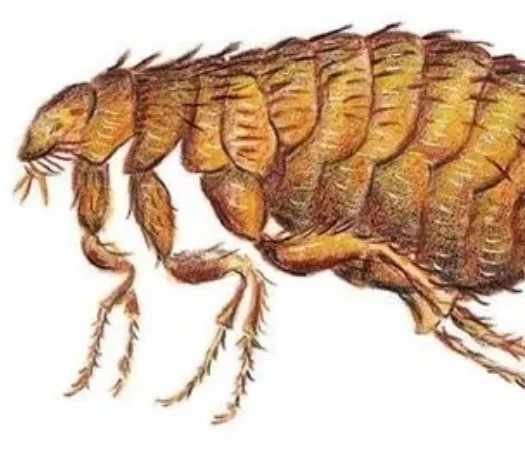
Fipronil works on the parasite's neurological system. Fleas, ticks and lice use a neurotransmitter called gamma-aminobutyric acid, or GABA, to control the flow of chloride ions across nerve cell membranes. Under normal circumstances , GABA opens chloride channels and ions flow in to reduce neuronal activity . This is what fipronil directly inhibits and this inhibition is the basis for the full spot-on activity of fipronil.
Binding to GABA Receptors in Parasite Neurons
Fipronil binds to the GABA gated chloride channel and physically prevents the flow of chloride ions.Nerve cells repolarise or revert to a resting state after a firing via the controlled movement of ions.The signs keep coming, coming, coming.
The parasite's nervous system is awash with electrical activity. Laboratory investigations at the cellular level have demonstrated that phenylpyrazole compounds, such as fipronil, bind to the GABA receptors of insects and arachnids with far more affinity than do conventional competing drugs, which explains the high and consistent fatality rates seen in field experiments.
Why Fipronil Targets Insects More Than Mammals
Provided the medications are manufactured and dosed appropriately, dogs and cats have an in-built safety buffer since mammals have a different physical GABA receptor versus insects and arachnids. In fleas, ticks and lice, the receptor subtype binds fipronil quicker than the receptor subtype in the central nervous system of humans.
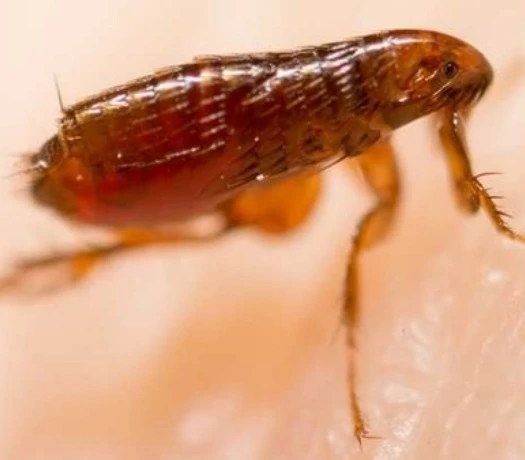
The selectivity of these agents enables manufacturers to produce effective dosages that target parasites while presenting no considerable risk to the host animal, provided label directions and species-specific dosage recommendations are adhered to properly.
How Does Fipronil Spot-On Trigger Parasite Paralysis?
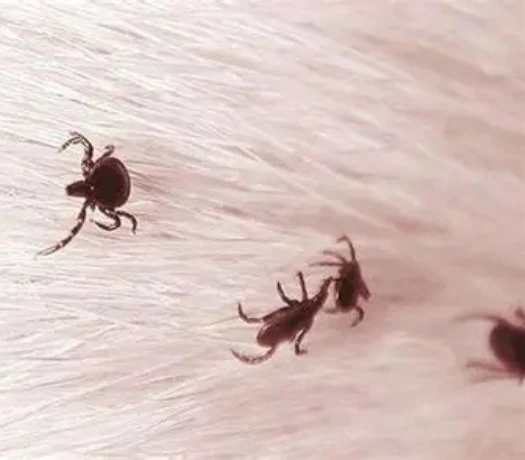
When you block the chloride channels, you trigger a cascade of activities within the body of the parasite. When the nerve cells fire and don't reset themselves after the firing they start to store up electrical charge. This build-up of charge sends the whole nervous system into a condition called hyperexcitation by scientists. This is when we see the moment of change when a treated flea or tick pauses its regular behaviour.
From Hyperexcitation to Paralysis
Due to hyperexcitation the muscles contract uncontrollably, causing tremors and convulsions all throughout the body of the parasite. When the nervous system loses its ability to manage the timing of the signals , coordinated movement is not feasible.Shortly after exposure the parasite becomes entirely immobile,
paralysed, unable to feed, reproduce or move away from the treated surface."
Timeline of Parasite Death After Contact
Field studies on fipronil treatments indicate that fleas are normally killed within 24 to 48 hours after contact. Ticks may need a somewhat longer period, depending on the species and stage of attachment. The cause of death is a progressive collapse of the nervous system, not a single toxic event. This is part of the reason why fipronil is still effective against parasites that have evolved tolerance to previous chemical classes. Also, since this process is contact-kill, the parasites do not have to bite the pet for the fipronil spot-on therapy to take action, which reduces the window for irritation or disease transmission.
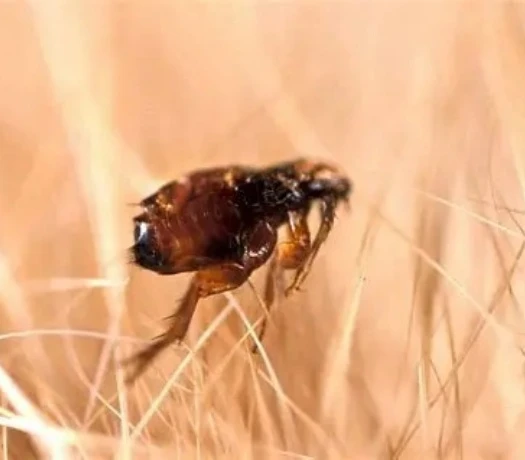
Fipronil Spot-On for Flea, Tick, and Lice Infestations
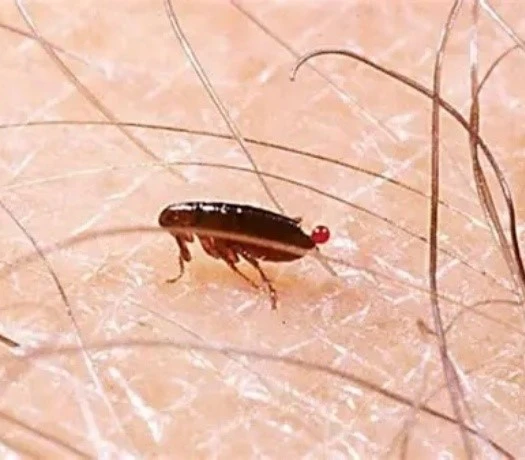
One mechanism will seldom attack all stages of the parasites, which is why fipronil spot-on preparations are commonly combined with other components. Fipronil is often combined with S-Methoprene in many commercial treatments. S-Methoprene is an insect growth regulator that disrupts flea larval development, shutting the loop on the whole flea life cycle instead of only targeting adult fleas.
Flea Life Cycle Disruption
Fleas have four stages of life: egg, larva, pupa and adult. Adult fleas only make up a small fraction of the total population living in and around a pet's environment. S-Methoprene prevents flea larvae from maturing to breeding adults and Fipronil kills adult fleas on contact.
This two-pronged approach is significantly more effective in breaking the cycle of reinfestation than treating just the adult fleas and is why combination remedies remain frequent in veterinarian recommendations.
Tick and Lice Control Efficacy
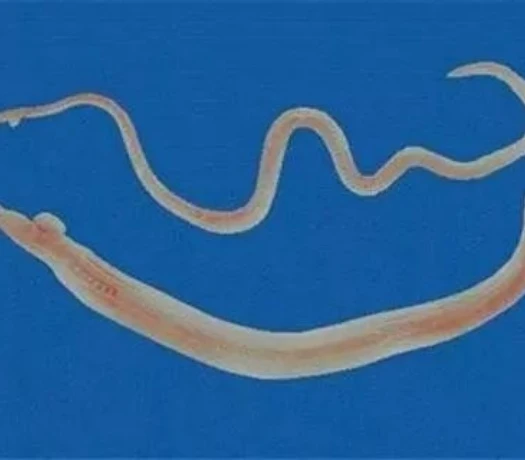
Ticks attach to the skin and feed for extended durations, therefore rapid paralysis is particularly effective in reducing the probability of disease transmission. Fipronil kills ticks on contact before they engorge for a full feeding cycle, thus reducing the time of exposure. Lice spend their whole life cycle on the host and are in constant contact with the residual fipronil spread on the skin surface. Fipronil has shown to be effective against a number of parasites,
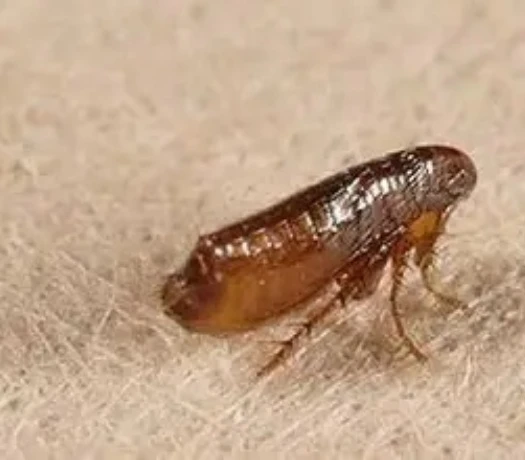
and clinical investigations of combination treatments combining fipronil and other insecticides have showed deworming rates of 98 percent or more for flea, tick and mite infestations.
How Does Fipronil Spot-On Help Maintain Long-Lasting Parasite Control?
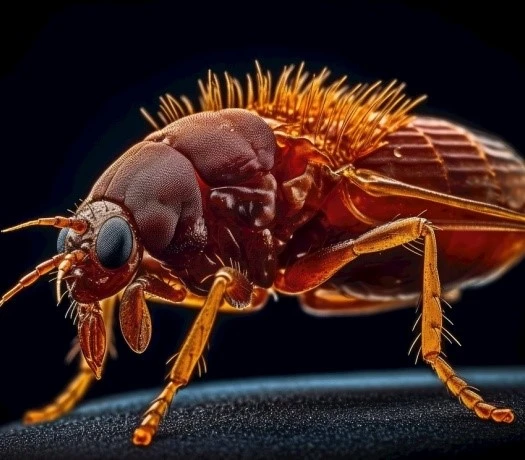
Most pet owners believe that one treatment wears off in a few days, yet fipronil spot-on formulations are designed for sustained release over weeks, not hours. It is the combination of the biology of the skin structures and the chemistry of the molecule that gives this longevity.
Hair Follicle Reservoirs and Sustained Release
Once fipronil is combined with the sebum within the hair follicles, the follicles become natural storage pockets. Cats have more hair follicles per cm² (50–80) than dogs (30-50), therefore a little larger storage capacity for their smaller body size. Measured drug concentration may be as high as 0.12 mg/cm² of cat neck skin following application of 0.5 millilitres compared with about 0.08 mg/cm² of canine back skin.
This reservoir effect gives efficacy windows of up to around 8 weeks in cats and about 6 weeks in dogs under typical circumstances.
Sebum Secretion as a Natural Delivery System
Sebum is the carrier for the gradual release of fipronil from follicular reserves to the skin surface. Cats produce 1–2 mg·cm⁻²·d⁻¹, approximately twice as much as dogs who secrete 0.5–1 mg·cm⁻²·d⁻¹. The increased percentage of squalene in feline sebum further contributes to the dissolution of fipronil so that even 30 days after treatment a measurable surface concentration may be determined. Studies that measure the quantity of medication left on the surface have found that cat skin still holds around 60 percent of the original concentration one month later,
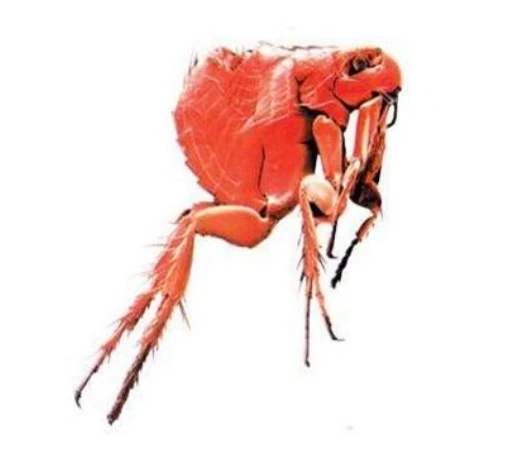
but dog skin has about 40 percent. So the two species have different dosing schedules, and re-application regimes.
Conclusion
The fipronil spot-on technique brings together skin science, neuro-chemistry and formulation engineering in one protective solution. Fipronil crosses the sebaceous glands and blocks GABA-gated chloride channels in the nerve cells of parasites producing hyperexcitation and finally paralysis. It is then stored in the hair follicle reservoirs and released slowly over a period of weeks. Each phase calls for precise formulation and appropriate dose according to the species-specific skin biology. Pet owners and wholesalers seeking a reliable supplier of Fipronil spot-on should understand this full method before they go into collaboration with a manufacturer for bulk purchase.
Frequently Asked Questions
1.Does fipronil spot-on affect mammals the same way it affects parasites?
+
-
No. Mammals possess GABA receptors that are structurally unlike to those of insects and arachnids, and thus, fipronil binds much more loosely in dogs and cats than it does in fleas, ticks and lice when the medicines are dosed as advised on the label.
2.How quickly does fipronil spot-on begin killing parasites after application?
+
-
Once within the neurological system, fipronil begins the paralysis process almost right away, stopping the activation of chloride channels, which often causes the death of fleas within 24 to 48 hours of contact.
3.Why do cats and dogs require different fipronil spot-on dosages?
+
-
Skin thickness, density of hair follicles, and sebum production rates vary widely across species, and hence customised dosage schedules are required to attain similar surface medication concentration and period of protection.
Partner with Bloomtechz for a Reliable Fipronil Spot-On Supply
Bloomtechz is a reputable fipronil spot-on producer since 2008 and has GMP manufacturing facilities accredited as per US, EU, Japan, and CFDA requirements. Buyers looking for a reliable provider of fipronil spot-on are given triple-layer quality analysis, transparent pricing and exact lead times tracked by our ERP platform. For large purchases, please reach out directly to our team at Sales@bloomtechz.com for documentation, price or bespoke OEM formulation help.
References
1. Cole, L.M., Nicholson, R.A., Casida, J.E. "Action of Phenylpyrazole Insecticides at the GABA-Gated Chloride Channel." Pesticide Biochemistry and Physiology.
2. Zhao, X., Yeh, J.Z., Salgado, V.L., Narahashi, T. "Fipronil is a Potent Open Channel Blocker of Glutamate-Activated Chloride Channels in Cockroach Neurons." Journal of Pharmacology and Experimental Therapeutics.
3. Tingle, C.C.D., Rother, J.A., Dewhurst, C.F., Lauer, S., King, W.J. "Fipronil: Environmental Fate, Ecotoxicology, and Human Health Concerns." Reviews of Environmental Contamination and Toxicology.
4. Rust, M.K. "Advances in the Control of Ctenocephalides felis (Cat Flea) on Cats and Dogs." Trends in Parasitology.
5. Jacobs, D.E., Hutchinson, M.J., Krieger, K.J. "Comparative Efficacy of Fipronil Spot-On Formulations Against Flea Infestations on Dogs and Cats." Veterinary Parasitology.
6. Hainzl, D., Casida, J.E. "Fipronil Insecticide: Novel Photochemical Desulfinylation with Retention of Neurotoxicity." Proceedings of the National Academy of Sciences.