


If you're a pet owner in quest of reliable flea and tick products, you've probably seen compound fipronil drops on the list of trusted veterinary parasite control remedies. When purchasers know how this active ingredient works on the cellular level, they may make educated judgements about purchasing these items for distribution or formulation. The objective of this paper is to explore the metabolic route of fipronil from the point of its first interaction with the nervous systems of pests to its ultimate effect on flea and tick populations.
Fipronil is a phenylpyrazole insecticide, a kind of chemical that acts preferentially on the nervous system of invertebrates. Therefore, the mechanism of action of fipronil is of relevance to producers and formulators of raw fipronil or finished pet care products, as it effects quality control, dosage estimations and regulatory compliance in production.
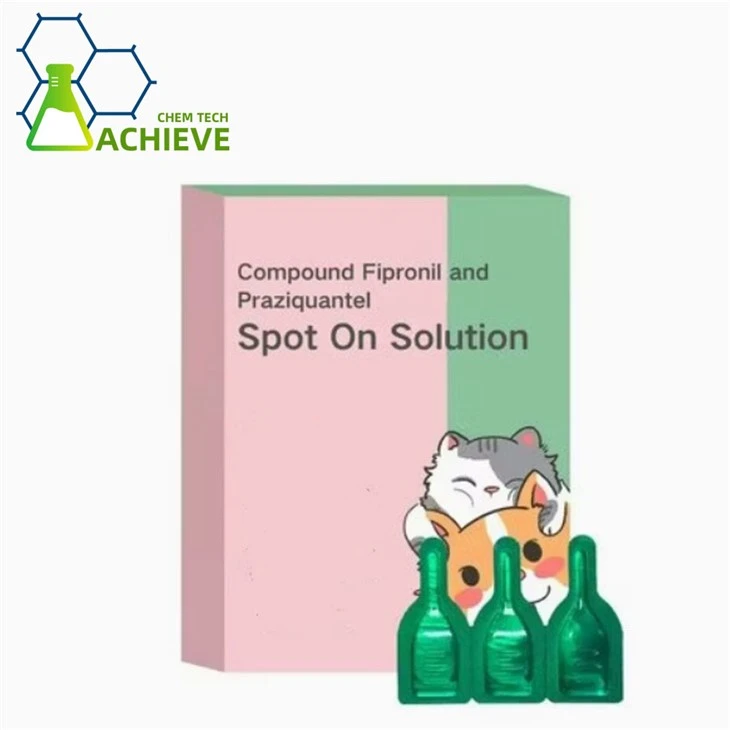
Compound Fipronil And Praziquantel Spot On Solution
1.General Specification(in stock)
(1)Solution
2.Customization:
We will negotiate individually, OEM/ODM, No brand, for secience researching only.
Internal Code: BM-9-022
Compound Fipronil and Praziquantel Spot On Solution
Main market: USA, Australia, Brazil, Japan, Germany, Indonesia, UK, New Zealand , Canada etc.
Manufacturer: BLOOM TECH Xi'an Factory
Analysis: HPLC, LC-MS, HNMR
Technology support: R&D Dept.-4
How Does Fipronil in Compound Fipronil Drops Block Chloride Channels?
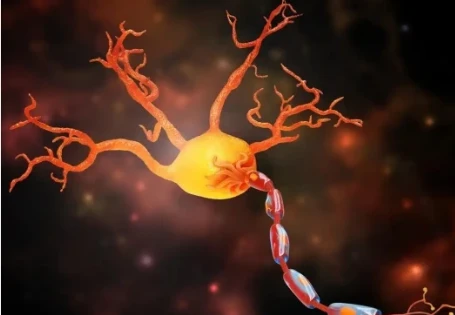
The primary mechanism of action of the chemical fipronil drops is the disruption of chloride channels in the neurological systems of insects and arachnids. In nerve cells, electrical signalling is controlled by chloride ion channels . Fipronil interferes with this control by attaching to certain places on the channels .
The Role of Chloride Ion Flow in Nerve Function
The electrical equilibrium in nerve cells is maintained by the movement of chloride ions via the cell membranes. When the chloride ions are free to move, the nerve cells are relaxed and steady. Fipronil inhibits this flow by binding to places on the receptor that chloride would typically occupy. Once bound the channel is locked and chloride ions are prevented from entering the nerve cell.

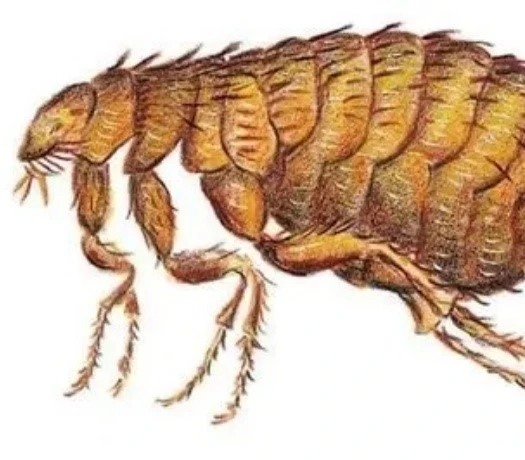
Why Blocked Channels Lead to Pest Paralysis
If chloride is not regulated properly , nerve cells become overstimulated . The signals fly off madly, and the bug's neurological system can no longer operate properly. The obstruction eventually causes paralysis in fleas, ticks and other targeted pests, making fipronil a useful instrument for managing infestations on companion animals.
Fipronil intermediates need to be free from contamination, else the binding to these chloride channel sites may be impaired, so raw material suppliers must meet rigorous purity criteria. Make sure your supplier is doing thorough testing to ensure that the molecular composition and potency are constant when buying fipronil in bulk for making pet products.
GABA and Glutamate Receptor Targets of Compound Fipronil Drops
Fipronil blocks not just chloride channels but also interferes with two important neurotransmitter systems, gamma-aminobutyric acid (GABA) and glutamate. The selective toxicity of fipronil to insects and arachnids without similar effects in humans is based on these receptor interactions.
GABA Receptor Binding and Its Consequences
GABA is an inhibitory neurotransmitter ( it slows nerves down normally ) . Fipronil targets GABA-gated chloride channels, having a far greater affinity in the insect than the human nervous system. This selectivity in binding explains why compound fipronil drops are of little danger to dogs and cats when used as directed on the label, but nevertheless extremely poisonous to fleas and ticks.
Glutamate-Gated Channel Interference
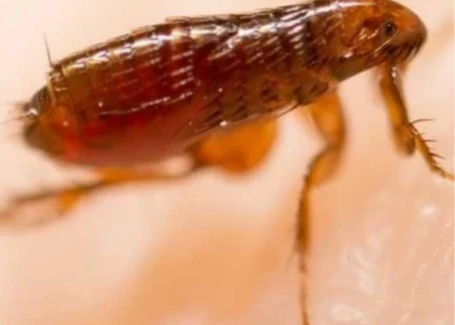
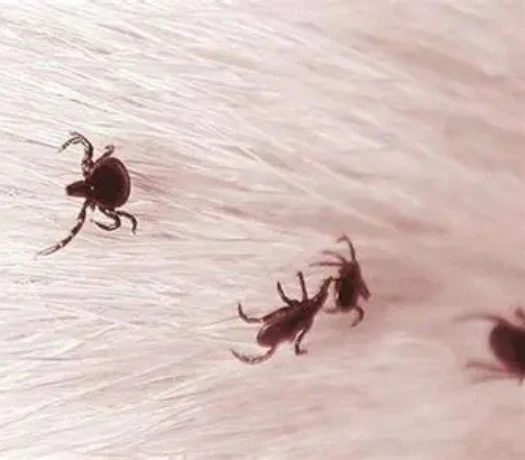
Insects and arachnids exhibit glutamate-gated chloride channels which are missing in mammals. Fipronil also binds these channels, giving a second layer of disruption, and is unique to invertebrate pests. This dual-action method not only raises the potency of the molecule, but also improves its safety profile for family pets.
Suppliers of pharmaceutical intermediates making fipronil must understand these receptor dynamics well. Small changes in molecular purity might change the binding affinity and affect the performance of the product. Most respectable chemical manufacturers will have quality assurance procedures in place where they perform receptor binding tests to validate that each batch they produce is of the desired strength before it leaves their facility.
How Does Fipronil Trigger Hyperexcitation in Fleas?
But once the chloride channels lock and the GABA control fails, flea nervous systems enter a condition of hyperexcitation. This section outlines the physiological cascade after receptor binding and why this makes fipronil such a dependable option for parasite control.
The Chain Reaction of Nerve Overstimulation
When chloride ions cannot flow through the closed channels, the neurones within the fleas start firing too much. The overstimulation quickly propagates across the neurological system, producing muscular tremors, loss of coordinated movement and finally collapse. Fipronil works quickly - once a flea comes into touch with the treated fur, the whole process usually happens within hours.
Timing and Speed of Neurological Disruption
According to scientific research in the area of veterinary parasitology,

fipronil begins to work on the nervous system of fleas within minutes of contact and in most cases, the fleas die within 24 to 48 hours. This rapid acting therapy helps break flea reproductive cycles and dramatically reduces the risk of home infection.
Compound Fipronil Drops for Flea and Tick Control in Dogs
Fipronil compound drops are the first line of defence against ectoparasites at veterinary clinics and pet product producers across the world. This section tackles practical use issues relevant to companies developing or procuring fipronil-based goods.
Application Methods and Absorption Patterns
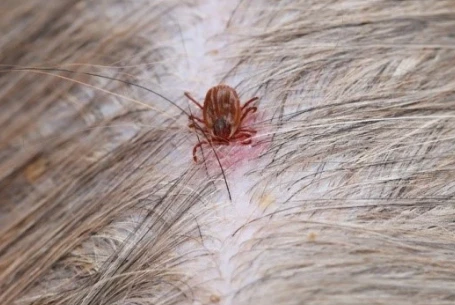
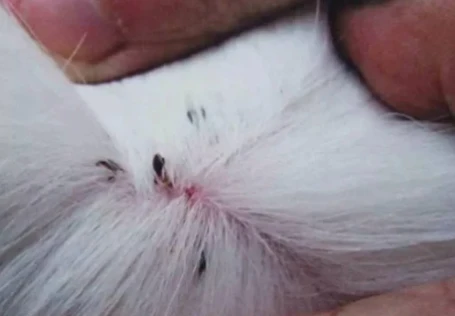
Topical fipronil is not usually absorbed into the circulation to a large extent, but rather tends to spread over the surface of the skin via natural oils. This kind of targeted dispersion may lead to the build-up of the material in the hair follicles and sebaceous glands, creating a reservoir effect that provides longer protection between treatments. The makers of these items have to discover the right blend of carrier solvents to provide the optimum dispersion without irritating the skin.
Duration of Protection and Reapplication Needs
Most over-the-counter treatments with fipronil, including compound fipronil drops, will continue to kill fleas for around four weeks, but the length of time they'll continue to kill ticks depends on the strength of the drug and what kind of environment your cat is living in. The manufacturers of these products must conduct stability testing in different climatic situations to ensure that the promises of consistent performance are in line with actual field performance.
Why Does the Fipronil Mechanism Matter When Selecting Compound Fipronil Drops?
Knowledge of fipronil's metabolic pathway may encourage purchasers to be more cautious in evaluating the quality of products when selecting suppliers for bulk purchasing or partnerships for formulation. It instantly converts into improved buying decisions and stronger long term business ties.
Quality Indicators Linked to Mechanism Efficiency
Fipronil well bound to chloride channels should be molecularly stable throughout production and storage. Degradation or incorrect synthesis of fipronil results in a loss of binding affinity which in turn leads to diminished ability to trigger the paralysis cascade described above. Buyers should seek certificates of analysis to ascertain purity levels and the trustworthiness of a batch for use in the manufacture of final products.
Sourcing Considerations for Bulk Buyers
Businesses that make medicines, specialist chemicals and pet care products benefit from working with fipronil suppliers that understand the role it plays in their goods. A supplier that knows receptor binding kinetics is likely to have superior quality control in synthesis, storage and delivery. This attention to detail minimises inconsistent potency downstream for formulators that might compromise final product efficacy and regulatory compliance.
If you are a business that buys big volumes of compound fipronil drops raw materials or intermediates, you should be seeking suppliers that can provide clear testing papers, consistent lead times and GMP-certified production facilities.
Together these factors determine if a sourcing partnership can be depended upon for commodities throughout several manufacturing cycles.
Conclusion
Compound fipronil drops work by precisely orchestrating disruption of chloride channels, GABA receptors, and glutamate-gated pathways specific to insect and arachnid nervous systems. This specific toxicity is why fipronil is a trusted active ingredient in the veterinary and pest control sectors worldwide. This biological background may be directly used by a buyer who wishes to source fipronil intermediates or completed formulations in an effort to assess supplier quality expectations and parameters.
FAQ
1.Is fipronil safe for use around household pets and children?
+
-
Fipronil is selectively harmful to insects and arachnids because their receptor structure is unlike to that of mammals. When used as directed on the label, fipronil-based medications pose little danger to dogs and people, but should always be avoided in direct consumption.
2.How quickly does fipronil begin working after application?
+
-
Fipronil works by affecting the neurological systems of fleas and ticks, usually after a few hours of contact. In most instances studied, the pests start to die within 24 to 48 hours.
3.What factors affect fipronil's effectiveness in topical formulations?
+
-
The binding efficacy of fipronil to target receptors is affected by molecular purity, carrier solvent composition and storage conditions. Buyers purchasing bulk fipronil should obtain quality paperwork verifying that these criteria match industry norms.
Partner With Bloomtechz for Reliable Fipronil Sourcing
Bloomtechz's 10+ years of expertise in organic production goes into every batch of fipronil and associated intermediates we offer. Our CFDA, US-FDA and EU approved GMP manufacturing facilities guarantee that purchasers obtain consistently pure, well-documented materials suitable for pharmaceutical and pet care formulation requirements. Looking for a reliable provider of compound fipronil drops? If you would like to discuss your sourcing needs, seek certificates of analysis or explore long term collaboration prospects based on transparent pricing and rigorous quality verification, please do not hesitate to contact our team at Sales@bloomtechz.com.
References
1. Tingle, C. C., Rother, J. A., Dewhurst, C. F., Lauer, S., & King, W. J. (2003). Fipronil: Environmental fate, ecotoxicology, and human health concerns. Reviews of Environmental Contamination and Toxicology.
2. Cole, L. M., Nicholson, R. A., & Casida, J. E. (1993). Action of phenylpyrazole insecticides at the GABA-gated chloride channel. Pesticide Biochemistry and Physiology.
3. Zhao, X., Yeh, J. Z., Salgado, V. L., & Narahashi, T. (2005). Fipronil is a potent open channel blocker of glutamate-activated chloride channels in cockroach neurons. Journal of Pharmacology and Experimental Therapeutics.
4. Hainzl, D., Cole, L. M., & Casida, J. E. (1998). Mechanisms for selective toxicity of fipronil insecticide and its sulfone metabolite and desulfinyl photoproduct. Chemical Research in Toxicology.
5. Dryden, M. W., & Payne, P. A. (2004). Biology and control of ticks infesting dogs and cats in North America. Veterinary Therapeutics.
6. Gupta, R. C., & Crissman, J. W. (2013). Agricultural chemicals and pesticides. In Haschek and Rousseaux's Handbook of Toxicologic Pathology.