


The term fluralaner is regularly seen by pet owners in their search for reliable flea and tick control, but few know what makes this combination so successful. Fluralaner is part of a class of chemicals called isoxazolines, which act by attacking the neurological system of the parasites, not the dogs themselves. The secret is how the pruduct interacts with gamma aminobutyric acid, also known as GABA, a neurotransmitter that controls nerve transmissions in insects and arachnids. Fluralaner works by interfering with the action of GABA receptors, triggering a cascade of events which ends in paralysis and death of fleas, ticks and mites. In this post we will describe the science that behind fluralaner's mode of action, how it disrupts chloride channels, why it stays safe for mammals and how its dual-target approach enhances long-term parasite control.
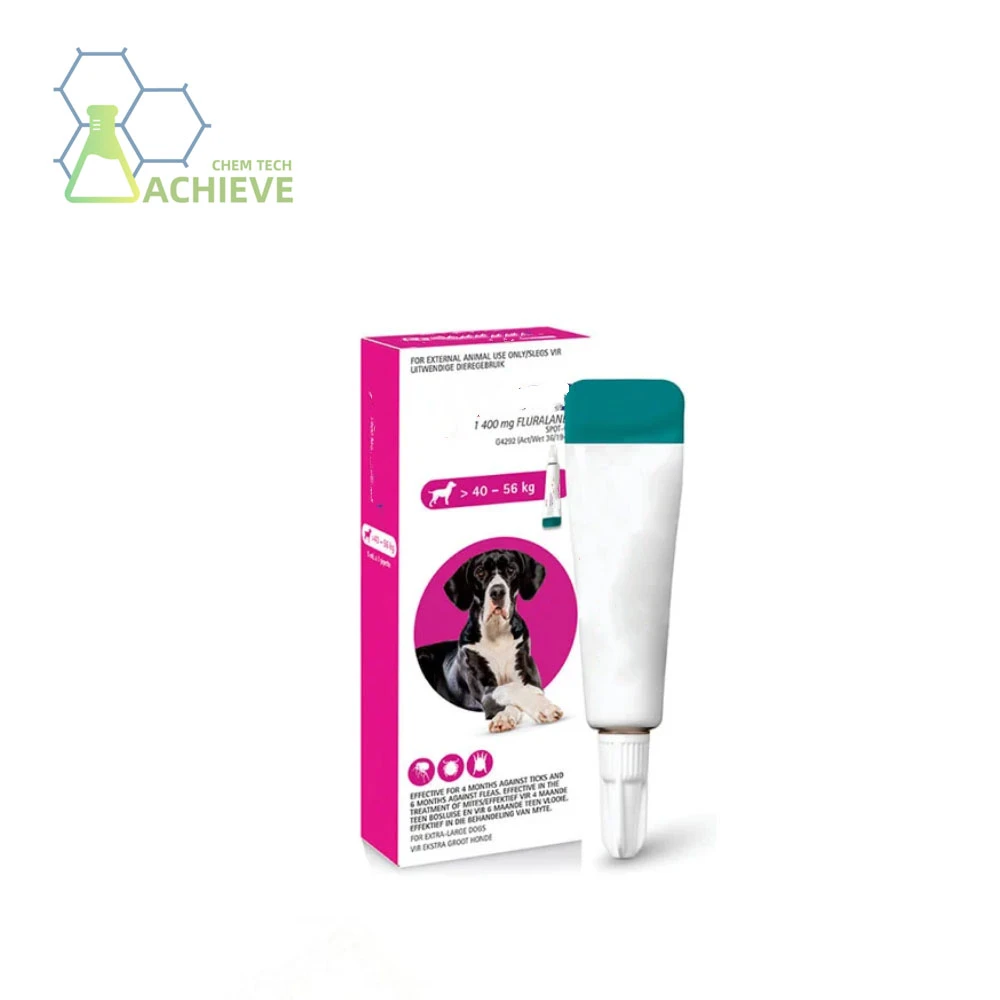
Fluralaner Drops
1.General Specification(in stock)
(1)Solution
(2)Tablet
(3)Injection
(4)Spray
(5)Drops
2.Customization:
We will negotiate individually, OEM/ODM, No brand, for secience researching only.
Internal Code:BM-9-007
Fluralaner CAS 864731-61-3
Main market: USA, Australia, Brazil, Japan, Germany, Indonesia, UK, New Zealand , Canada etc.
Manufacturer: BLOOM TECH Xi'an Factory
Analysis: HPLC, LC-MS, HNMR
Technology support: R&D Dept.-4
How Does Fluralaner Interfere with GABA-Gated Chloride Channels?
Step 1 for fluralaner is the study of GABA receptors. These receptors sit on the surface of nerve cells and control the passage of chloride ions in and out of the cell.
Normally , when GABA binds to its receptor , chloride ions go in and calm the nerve cell down so it doesn't fire too much . This helps to keep the neurological system balanced and well-functioning. Fluralaner changes this equilibrium by attaching to the GABA receptor site, stopping the normal binding process and the chloride ions from entering the cell as they would normally.
The Role of GABA Receptors in Parasite Nervous Systems
Fleas, ticks and mites have GABA receptors that control nerve impulses in their bodies. Without functioning chloride channels, parasites cannot maintain normal nerve cell activity.Fluralaner exploits this by binding to the receptor location,
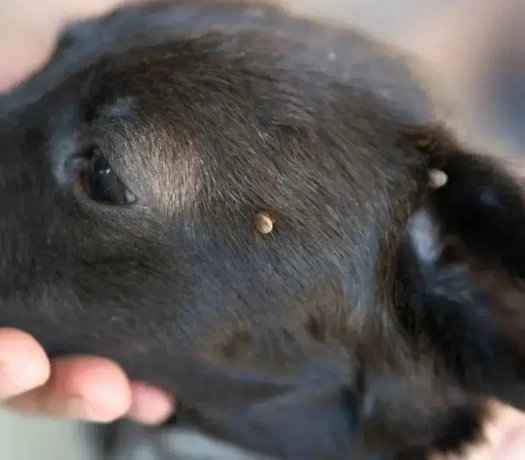
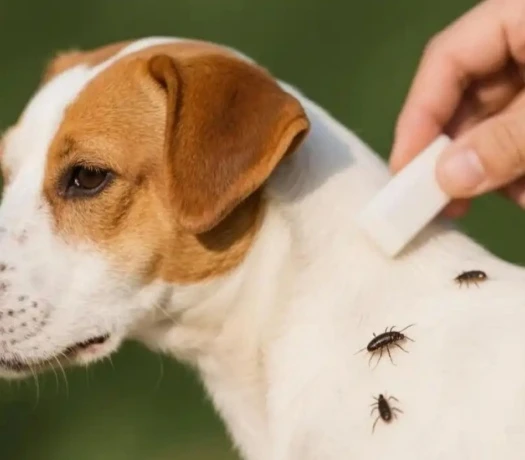
blocking the inhibitory messages that typically control the nervous system. It is this selectivity that makes it effective against ectoparasites, without hurting the host animal.
Binding Affinity and Selectivity of Fluralaner
Studies published in veterinary pharmacology publications have demonstrated that the pruduct has a high binding affinity to invertebrate GABA receptors, much greater than to mammalian receptors. This selectivity is a result of changes in the structure of the insect and human receptor proteins. The isoxazoline ring structure of fluralaner fits into the receptor pocket of the parasite nerve cells in a perfect match and forms a stable antagonistic interaction that is irreversible.
That precision also decreases the chances that resistance may develop rapidly – a big deal for pet owners who want reliable protection over the long haul.
Why Mammalian GABA Receptors Remain Unaffected
GABA receptors are found mostly in the central nervous system and are protected by the blood-brain barrier. 1 Dogs and cats have GABA receptors. This barrier acts as a filter and many medications including the pruduct do not reach the brain at relevant doses. Fluralaner also has difficulty accessing mammalian GABA receptors, therefore the drug doesn't have the same neurological effects on pets as it does in parasites. This biological protection is the basis of fluralaner safety, so veterinarians can feel secure using it for routine flea and tick management.

Fluralaner and Neuronal Hyperexcitation: What Happens Inside Parasite Nerve Cells?
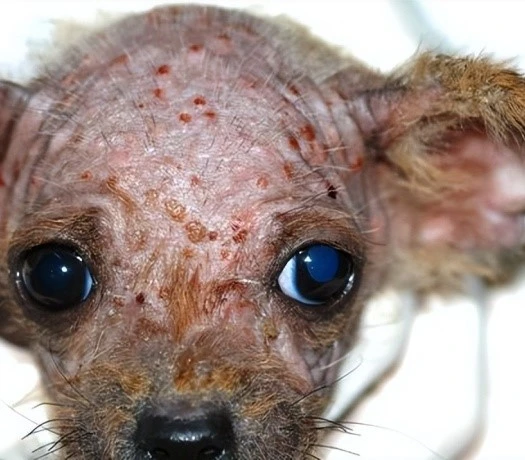
Fluralaner blocks the GABA receptor and prevents the nerve cell from properly regulating the flow of chloride ions. Not only does this impair nerve function, but it goes the other way and puts nerve cells in uncontrolled excitement. This knowledge of the process helps explain at least part of the reason that fluralaner works so quickly after a parasite feeds on treated blood or tissue.
Chloride Ion Influx Disruption
Chloride ions usually penetrate nerve cells and have a calming inhibitory effect. The inward movement is almost totally inhibited when the GABA receptor is occupied by the pruduct . And without the inhibitory chloride input the nerve cells become unstable and start sending out messages randomly.
This interference with normal electrical regulation triggers the hyperexcitation process that ultimately overexcites the parasite nervous system.
Progression from Hyperexcitation to Paralysis
The nerve cells keep firing . The muscles related to these are pinched by uncoordinated , persistent impulses . Fleas and ticks exposed to fluralaner typically experience tremors, twitching and lack of coordinated movement before they are fully paralysed. This is rapid progress, given the basic motor function of the brain circuitry of insects and arachnids is very dependent on GABA-regulated chloride channels. Once the paralysis sets in the parasite can neither feed, move, reproduce and basically the life cycle of the parasite on the host animal is over.

Timeframe of Neurological Collapse
Clinical studies have demonstrated that the pruduct kills fleas within hours of exposure, with the majority of fleas dead well before 48 hours. Ticks likewise suffer a rapid neurological collapse although the timing may vary depending upon the species and the duration of attachment. This rapid disruption of nervous system activity reduces the time available for parasites to infect pathogens, therefore offering pets genuine protection against flea and tick-borne diseases.
Fluralaner as an Isoxazoline: Understanding Its Chloride Channel Antagonism
Fluralaner is a relatively new class of antiparasitic chemistry called isoxazolines.

The reason for this classification is to differentiate fluralaner from previous generations of flea and tick treatments that acted by other mechanisms including the suppression of acetylcholinesterase. Isoxazolines represent a step toward more targeted treatments involving chloride channels.
Chemical Structure and Classification
When we look at the molecular makeup of fluralaner, we see that it has an isoxazoline ring. This is an important part of the molecule that allows it to bind securely to GABA receptors. This ring shape is a stiff and stable framework that fits snugly in the receptor's binding pocket. Chemists working on the pruduct CAS 864731-61-3 have pointed out that this structural inflexibility is part of the reason for the compound's long duration of action, with a single dose protecting for weeks rather than days.
Distinguishing Isoxazolines from Older Parasiticides
Older parasiticides often targeted acetylcholine routes, which control transmission of nerve signals in a different way than GABA pathways do. These older chemicals are effective but they also carry a higher risk of resistance as parasites can develop genetic changes over time that impair binding efficiency. Other isoxazolines, such fluralaner, take a different approach to the problem, by targeting chloride channel antagonism. This new pathway has been helpful in maintaining a good efficacy in parasite populations that have developed resistance to previous drug classes.


Antagonistic Binding Mechanism Explained
In pharmacology, an antagonist is a drug that binds to a receptor but does not activate it and stops the natural ligand from binding. Fluralaner is a non-competitive antagonist of the GABA receptor, meaning it does not compete with GABA molecules for the same binding site. But it binds to a neighbouring allosteric site that modifies the shape of the receptor and prevents the chloride channels from opening normally. Because of the noncompetitive binding method, fluralaner is very hard to remove, which would explain the long-lasting efficacy against fleas and ticks.
How Does Fluralaner Affect GABA-Mediated Nerve Signal Transmission in Fleas and Ticks?
Fleas and ticks are different species with different biology yet they have a common dependency on GABA-mediated chloride channels for regulating their neurological systems. It is this shared susceptibility that is why the pruduct works against both types of parasites, but they adhere to and feed on hosts in different ways.
Impact on Flea Nervous System Function
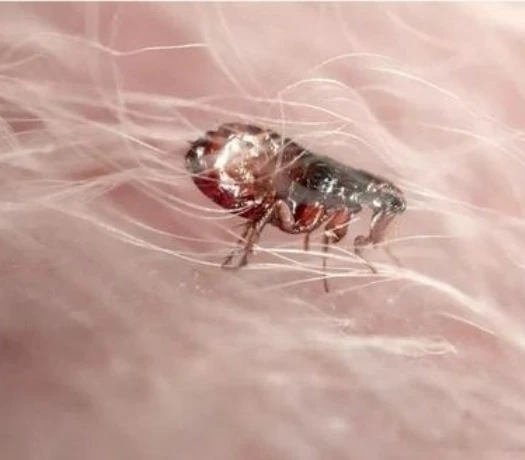
To leap, feed and reproduce effectively, the flea must be able to rapidly transmit nerve impulses. Fluralaner inhibits the function of the GABA receptor in the flea's nervous system. Insects very soon lose the ability to coordinate locomotion. Research has shown that fluralaner kills more than 98 percent of fleas in 12 hours after injection and often achieves total flea kill in 48 hours.


This speed is important as it decreases the likelihood of fleas laying eggs or transferring tapeworm larvae in the home environment.
Impact on Tick Nervous System Function
However, ticks are structurally different from fleas and also use GABA-gated chloride channels to modulate muscle contraction and sensory processing. Fluralaner interrupts these processes resulting in fast detachment of the ticks and death before they can complete a prolonged feeding. Reducing the time of attachment is significant as many tick-borne diseases require longer feeding periods to successfully transmit to the host. This window may be shortened, therefore decreasing the overall risk of disease transmission by the pruduct from species such as Ixodes scapulararis and Dermacentor variabilis.
Speed of Action Against Fleas and Ticks
The pace of fluralaner's action is directly related to the rate at which it saturates GABA receptors after entering the bloodstream. When pets are treated with fluralaner, it is distributed throughout the animal's tissues so any parasite that bites will get a lethal dose almost immediately. This distribution throughout the system offers continual protection for pets who spend a lot of time outside or in parasite-infested environments.
Fluralaner and Glutamate-Gated Chloride Channels: How Do Two Neural Targets Contribute to Parasite Control?
Fluralaner also targets glutamate-gated chloride channels, a second regulatory system found mostly in invertebrates.
This twofold mechanism boosts the overall anti-parasitic activity and reduces the probability that the parasites would survive through a single resistant pathway.
Glutamate Receptor Function in Invertebrates
Only invertebrates such as insects, arachnids and nematodes have glutamate-gated chloride channels, not mammals. These channels are similar to GABA receptors in that they regulate the flow of chloride ions, but instead of GABA, they are triggered by the neurotransmitter glutamate. Fluralaner binds to these channels in a similar way as it binds to GABA receptors , preventing the flow of chloride ions and increasing the hyperexcitation that is already taking place inside the neurological system of the parasite.

Dual-Target Approach and Resistance Management
The practical advantage in controlling resistance is that it targets two different chloride channel systems. The glutamate-gated channel is a secondary target in case the parasite population develops a genetic change that reduces the efficiency of the pruduct at the GABA receptor. This redundancy assures that fluralaner remains viable in the field for a long time - something researchers and veterinary specialists are watching closely as resistance patterns evolve in various locations.
Synergy Between GABA and Glutamate Pathways
Concurrent disruption of GABA and glutamate pathways synergistically accelerates the neurological deterioration in the parasites.
Fluralaner doesn't create one single point of failure in the nervous system,but instead creates multiple points of disruption all at once. Once a lethal dose is ingested there's almost no way back. That multi-pronged technique is why fluralaner continues to be one of the more reliable choices in the isoxazoline family, consistently living up to its promises to eliminate fleas, ticks and certain mite species.
Conclusion
Fluralaner acts by blocking GABA-gated and glutamate-gated chloride channels in the nervous system of fleas, ticks and mites. This interference causes neuronal hyperexcitation, paralysis and death in the parasites, while the blood-brain barrier protects dogs from similar effects. Fluralaner is an isoxazoline, a new class of targeted parasiticides that offer long-lasting protection from a single dose. Its dual-target mode also helps in resistance management and maintains potency over a wide spectrum of parasite populations. This science reassures pet health professionals and bulk buyers that products are founded upon solid pharmacological research and consistent field performance.
Frequently Asked Questions
1. Does fluralaner affect pets the same way it affects parasites?
+
-
No. GABA receptors are found in the central nervous system of mammals . The blood brain barrier protects these receptors from the pruduct and hence the neurological effects seen in fleas and ticks do not occur .
2. How long does fluralaner take to start working?
+
-
Fluralaner has a rapid onset of action against fleas, eliminating most parasites within 48 hours of application depending on the severity of infestation and the species involved.
3. Why does fluralaner target two different chloride channels?
+
-
The combined targeting of GABA-gated and glutamate-gated channels results in an overall enhancement of the antiparasitic action and a decrease in the probability of resistance building over time in parasite populations.
Fluralaner Supplier: Partner with Bloomtechz for Reliable Supply
Status Of Bloomtechz Fluralaner Supplier has more than 10 years of experience in organic chemical synthesis and 100,000 square metre GMP certified production base. Our plant has successfully passed the on-site inspections of CFDA, US-FDA, PMDA and BGV-Hamburg, giving the bulk purchasers confidence in every batch they ship. We provide tablets, injections, liquids, sprays and drops as well as HPLC, LC-MS and ¹H NMR analysis to ensure full transparency. Our quotation system based on ERP, will provide exact price and lead time from the moment a query is received, with order-level accuracy on each and every request. When you work with Bloomtechz, you are working with a competent source trusted by pharmaceutical firms and research institutions throughout the world. Contact us immediately at Sales@bloomtechz.com to explore obtaining bulk fluralaner for your company needs.
References
1. Merola, V. and Eubig, P. "Toxicology of Isoxazoline Antiparasitic Compounds in Companion Animals." Veterinary Clinics of North America: Small Animal Practice.
2. Rohdich, N., Roepke, R. and Zschiesche, E. "A Randomized, Blinded, Controlled and Multi-Centered Field Study Comparing the Efficacy and Safety of Fluralaner against Fleas and Ticks." Parasites & Vectors.
3. Shoop, W.L. et al. "Discovery and Mode of Action of Afoxolaner, a New Isoxazoline Parasiticide for Dogs." Veterinary Parasitology.
4. Weber, T. and Selzer, P.M. "Isoxazolines: A Novel Chemotype Highly Effective on Ectoparasites." ChemMedChem.
5. Gassel, M. et al. "A Highly Sensitive Bioassay for the Characterization of Fluralaner, a Novel Isoxazoline Compound Acting at GABA Receptors." Insect Biochemistry and Molecular Biology.
6. Zhao, C. and Casida, J.E. "Insect GABA Receptors: Species Difference and Sensitivity to Fipronil and Isoxazoline Insecticides." Pesticide Biochemistry and Physiology.