


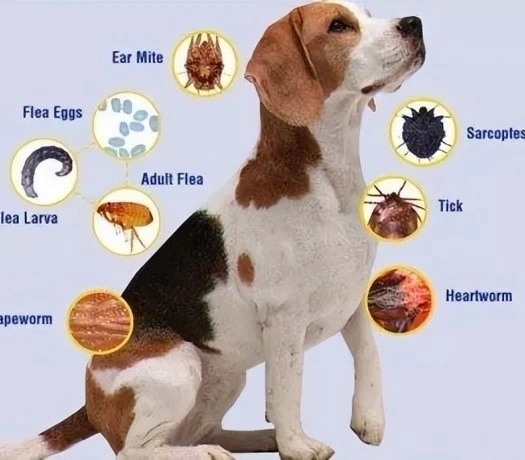
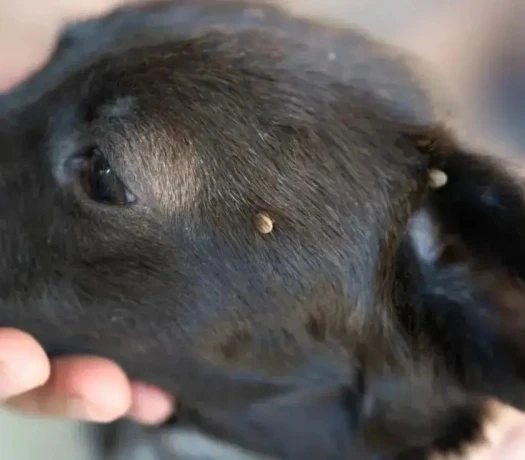
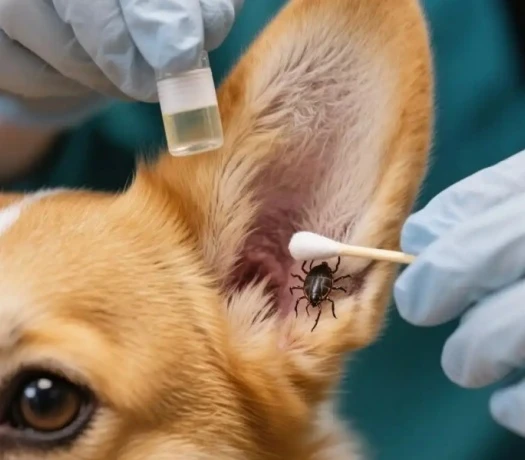
Fleas and ticks are not merely itchy. They make dogs sick, spread disease and trigger allergic skin reactions. Veterinarians and pet product companies depend on drugs that eradicate these parasites quickly and safely. One of the most investigated chemicals in this family functions on a specific pathway in the insect and arachnid nervous system. Knowing exactly how a fluralaner tablet attaches to GABA receptors helps explain why this isoxazoline-class compound is so effective at killing fleas and ticks, yet gentle on the animals that take it. In this article we describe the molecular tale of fluralaner from receptor binding to channel blockage and explain why it is a trusted choice in veterinary and research markets globally due to its selective activity.
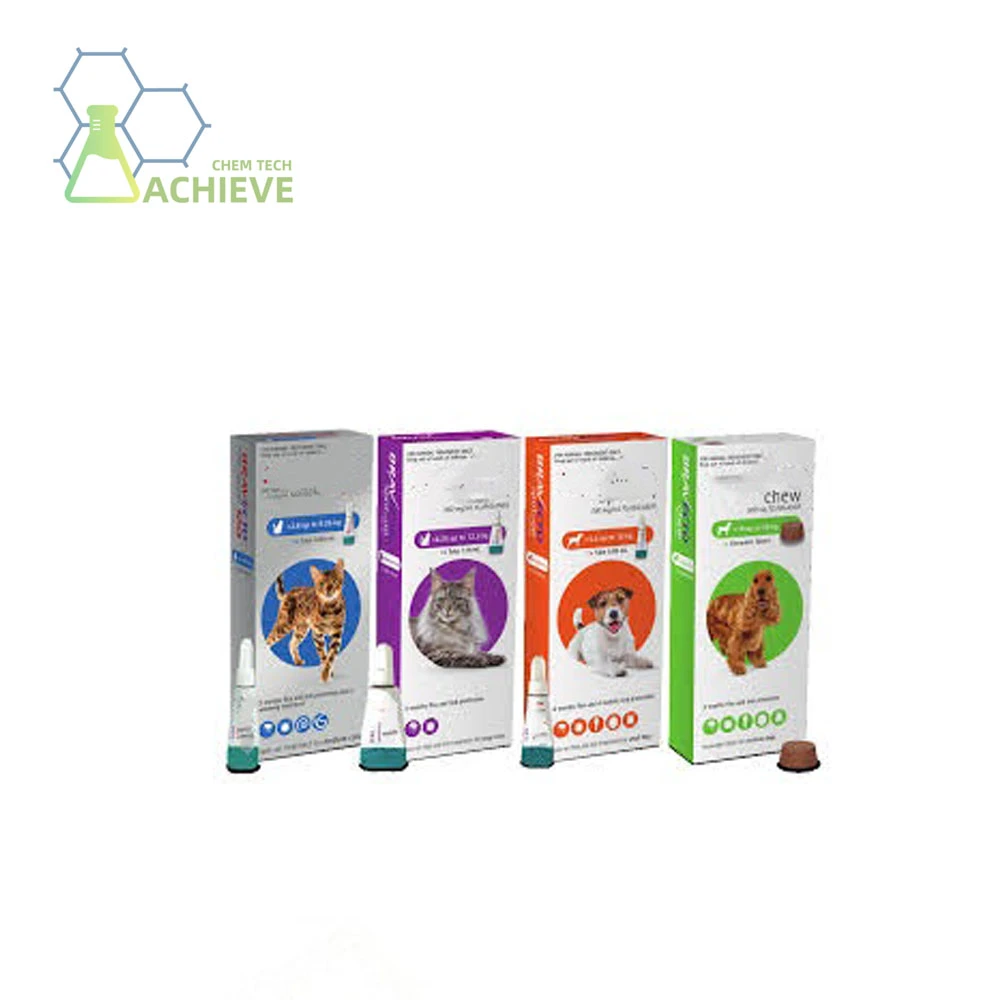
Fluralaner Tablet
1.General Specification(in stock)
(1)Solution
(2)Tablet
(3)Injection
(4)Spray
(5)Drops
2.Customization:
We will negotiate individually, OEM/ODM, No brand, for secience researching only.
Internal Code:BM-2-079
Fluralaner CAS 864731-61-3
Main market: USA, Australia, Brazil, Japan, Germany, Indonesia, UK, New Zealand , Canada etc.
Manufacturer: BLOOM TECH Xi'an Factory
Analysis: HPLC, LC-MS, HNMR
Technology support: R&D Dept.-4
How Does Fluralaner Tablet Interact with Arthropod GABA Receptors?
Fluralaner works through a receptor mechanism that regulates nerve signal transmission in insects, mites and ticks. The GABA-gated chloride channel is a receptor on the surface of nerve cells that governs the transfer of electrical signals between nerve cells. When fluralaner binds to the receptor, the normal movement of chloride ions is stopped and the parasite can no longer control the functions of its muscles and neurones.
Binding Affinity and Receptor Structure in Arthropods
The arthropod GABA receptor has a different structure than the mammalian one. Fluralaner has high binding affinity for various receptor subtypes due to particular amino acid sequences lining the channel pore. Researchers examining the isoxazoline compounds have determined that fluralaner binds to a place other than the natural NT GABA itself. This means that fluralaner is an allosteric modulator, not a direct competition for the GABA binding pocket. This is important because it means that fluralaner can bind to the receptor even in the presence of GABA, which increases the breakdown of normal neuronal signalling.
The Role of Chloride Ion Flow in Nerve Signaling
The flow of chloride ions is important for nerve cells to sustain a resting electrical state. Under normal settings, GABA momentarily opens the channel, enabling chloride ions to flow in and quiet neurone activity. Fluralaner stops this by leaving the channel open, so chloride can't travel properly. This causes an over-stimulation of the neurological system in fleas and ticks, resulting to tremors, paralysis and death within hours of exposure.
Comparing Flea and Tick Receptor Sensitivity
Fleas and ticks do not have the same receptor profiles, although both are highly susceptible to fluralaner. The exact timing varies slightly depending on density of receptors and metabolic rate of the parasite,
however in studies comparing Ctenocephalides felis (cat flea) and Rhipicephalus sanguineus (brown dog tick), fluralaner provides quick knockdown in both species . This wide spectrum sensitivity is the reason why one fluralaner tablet can treat several parasite species in one treatment cycle, which is greatly appreciated by pet owners and veterinary distributors looking for antiparasitic medications.
Fluralaner Tablet and GABA-Gated Chloride Channels: Understanding the Molecular Target
The GABA-gated chloride channel is the primary molecular target for the insecticidal and acaricidal activities of fluralaner. The understanding of how this channel functions at a structural level helps to explain the constant performance of fluralaner across different life stages of the parasite.
Structure of GABA-Gated Chloride Channels
These channels are part of a class of ligand-gated ion channels embedded in neuronal membranes. Each channel is made up of a string of protein sub-units that round a central pore. GABA binds to its receptor site, which opens the pore for a short time allowing chloride ions to flow through and stabilise the resting voltage of the neurone. Fluralaner attaches to a distinct portion of this channel complex, usually referred to as an allosteric site, and changes the shape of the channel to cause irregular or full blockage of chloride flow.
How Channel Blockade Leads to Paralysis
When fluralaner binds to the channel the typical inhibitory signal from GABA is no longer effective.
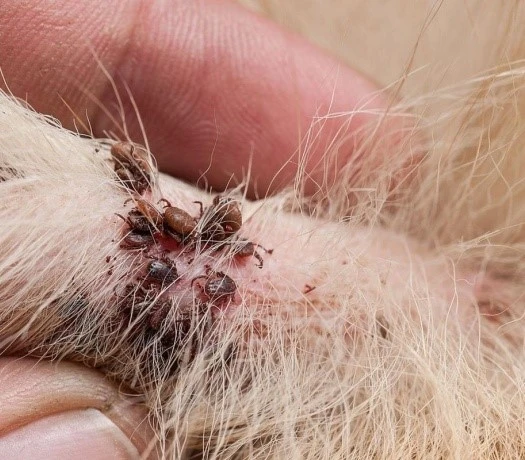
Neurones that should be quiet fire too much. This hyperexcitability spreads through the neurological system of the parasite generating uncontrollable muscular contractions, tremors and finally irreversible paralysis. Laboratory pharmacokinetic investigations of isoxazoline indicate that the paralytic action begins within hours of ingestion, consistent with field observations that rapid flea suppression occurs in pets after consuming a treatment dose.
Glutamate-Gated Channels as a Secondary Target
Fluralaner continues to operate on the GABA receptors, but it also blocks glutamate-gated chloride channels, a category of receptors that are only present in invertebrates.
This dual channel action increases the overall effectiveness of the medicine and minimises the possibility of the parasites developing resistance via a single mechanism of mutation. In fact, mammals do not have glutamate-gated chloride channels at all. This secondary mechanism further supports the safety profile that renders fluralaner tablet formulations ideal for use in companion animal parasite management programs over long periods.
How Does Fluralaner Tablet Antagonize GABA Receptor Activity in Parasites?
Antagonism The process by which a substance inhibits or decreases normal action of a receptor. The antagonistic action of fluralaner at GABA receptors has been thoroughly characterised by electrophysiological recordings and behavioural testing on flea and tick specimens.
Non-Competitive Antagonism Explained
Fluralaner is non-competitive unlike competitive antagonists that compete with GABA for the same binding pocket. It binds to a second location on the receptor complex, altering the protein's structure such that chloride ions are unable to flow through readily even when GABA binds successfully close by. This mechanism implies that an increase of GABA concentration is not a reversal of the impact of fluralaner, a property that distinguishes isoxazolines from previous chemical classes such as phenylpyrazoles . Also the long duration of activity reported with fluralaner tablet dosage, is related to the non-competitive character of the chemical, which remains at its binding site for longer periods.

Impact on Neuronal Excitability
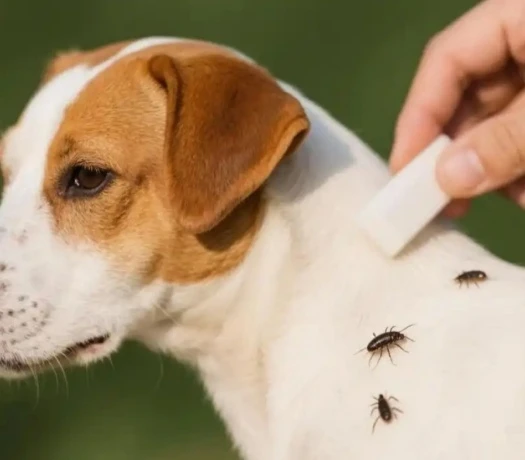
This blocks the influx of chloride through GABA receptors and thus greatly increases the excitability threshold of parasite neurones. The nerve cells, instead of cooling down, keep firing, producing a cascade of uncontrolled messages throughout the nervous system. Investigations on behaviour following exposure to fluralaner indicate that fleas show uncoordinated and erratic movement and cease feeding well before they die. These results show that the antagonism of GABA receptors directly results in observable physiological changes in the target insect.
Speed of Action Against Fleas and Ticks
Speed is essential in preventing illness transmission.
Many tick-borne infections require attachment time for transfer,therefore a fast acting chemical can break this window. Published effectiveness trials indicate that fluralaner produces greater than 98 percent flea death within 12 hours of dosing, and complete flea kill is generally observed by the 48-hour time point. This quick inhibition of GABA receptor function provides fluralaner tablet solutions with a considerable advantage in halting the parasite life cycle before eggs or larvae may further contaminate a domestic environment.
Fluralaner Tablet and GABA Receptor Binding Sites: What Do Molecular Studies Reveal?
Studies in molecular pharmacology have found particular sites on the GABA receptor where fluralaner binds. These results were obtained by a combination of radioligand binding tests, site-directed mutagenesis and computer modelling.
Key Amino Acid Residues Involved in Binding
Some amino acid residues in the transmembrane domain of the GABA receptor have been found by researchers examining isoxazoline drugs to interact closely with fluralaner. These residues provide a pocket that fits the molecular structure of the chemical for stable binding. Mutations at these same sites are present in some resistant arthropod populations and show how specialised this interaction really is by reducing binding effectiveness. Such findings assist researchers to forecast which parasite populations may have lower susceptibility and to inform future formulation changes.
Insights from Electrophysiological Studies
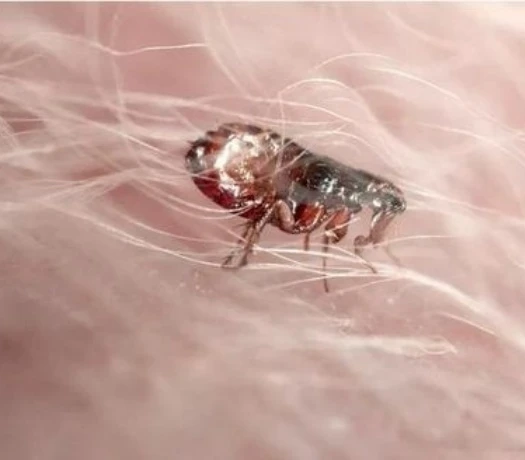
The direct effect of fluralaner on chloride current was demonstrated in patch-clamp recordings from isolated neuronal preparations.The chloride conductance was significantly reduced in GABA receptor-expressing cells treated with fluralaner compared with controls. The recordings are a solid, measurable confirmation that the molecular activity of the chemical is consistent with its observed insecticidal results. This kind of electrophysiological data adds to the scientific credibility of fluralaner tablet products marketed for veterinary use . The mechanism is not just theoretical, but demonstrated at the cellular level .
Resistance Patterns and Binding Site Mutations
Resistance monitoring is still a significant component of antiparasitic research.
In field studies of tick and flea populations repeatedly treated with isoxazoline drugs, sporadic reports of binding site changes that marginally reduce fluralaner affinity are found.But existing surveillance data shows that broad resistance is still rare - in part because fluralaner works on both GABA and glutamate-gated channels, making it more difficult for parasites to become fully immune with one genetic mutation. Continued monitoring helps ensure the appropriate and knowledge-based use of fluralaner tablet products under varying regional and parasitic conditions.
Why Are Arthropod GABA Receptors More Sensitive to Fluralaner Tablet Than Mammalian Targets?
Selective toxicity is the basis of the design of veterinary antiparasitics. Fluralaner is able to demolish the nervous system of parasites while leaving the mammalian host undamaged because of anatomical and physiological variations between species.
Structural Differences Between Arthropod and Mammalian Receptors
The arthropod GABA receptors differ from the mammalian GABA-A receptors both in subunit composition and amino acid sequence in the vicinity of the binding pocket. These structural differences result in a receptor shape to which fluralaner binds with a high degree of precision in insects and ticks, while the surface of binding of the mammalian receptor subtypes is less compatible. This selective fit is a key reason that fluralaner tablet formulations can provide potent parasite control without eliciting similar neurological effects in dogs and cats.
The Protective Role of the Blood-Brain Barrier
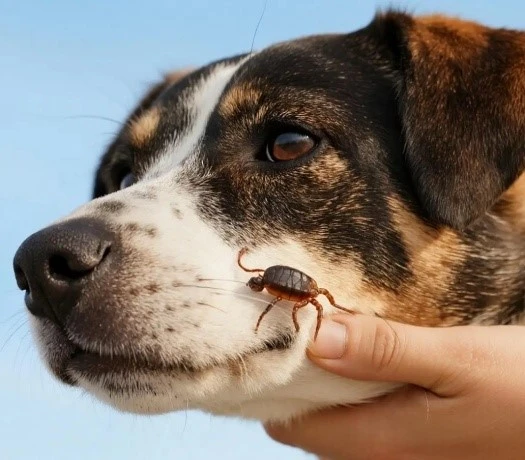

Mammals have a barrier around their central nervous systems that controls which substances have access to neural tissue.Additionally, fluralaner is unable to access mammalian GABA receptors present in the brain and spinal cord due to the blood-brain barrier, which provides a further physiological barrier to the anatomical changes described above. That is why the result is so different in a host and a parasite . Parasites do not have this barrier and therefore fluralaner has free reign to access their neural tissue once it enters their blood stream through a blood meal .
Safety Margins Supported by Clinical Data
In the development of fluralaner, veterinary safety tests were carried out to determine the dose in a wide range of body weights and health conditions.
The results revealed a large difference between doses capable of provoking an antiparasitic response and levels that generated any adverse neurological indications in the treated animals. This margin of safety in combination with the receptor-level selectivity described above supports the designation of fluralaner as a well-tolerated option for long-term flea and tick prevention regimens. These findings also agree with the approval of fluralaner-based medications for use in companion animals by a number of regional regulatory organisations.
Conclusion
So why does fluralaner tablet work on fleas and ticks? There is a molecular narrative behind it. This drug works on GABA-gated and glutamate-gated chloride channels in the neurological system of arthropods, blocking the flow of chloride ions. This induces chaotic nerve firing, and fast paralysis of parasites. Due to structural differences between the receptors in arthropods and mammals, and the protective blood-brain barrier, it is selective and harmless to dogs and cats. Binding studies and electrophysiological recordings at the molecular scale further support these routes, therefore establishing fluralaner as a scientifically sound antiparasitic. This knowledge of receptor-level function translates into trust in product quality and performance for enterprises requiring reliable, well-documented chemicals.
Frequently Asked Questions
1. Does fluralaner affect the central nervous system of dogs and cats?
+
-
Fluralaner has little action at mammalian GABA receptors and poor penetration of the blood-brain barrier and central nervous system effects are therefore uncommon at the recommended levels.
2. How quickly does fluralaner begin working on fleas after administration?
+
-
Laboratory and field investigations show that fluralaner kills fleas within hours, with mortality rates greater than 98 percent twelve hours after dose.
3. Can parasites develop resistance to fluralaner's GABA receptor action?
+
-
Fluralaner acts at two sites, GABA and glutamate-gated channels, and resistance is rare, but constant monitoring allows any new binding site mutations to be tracked in field populations.
Partner with Bloomtechz for Reliable Fluralaner Tablet Supply
Bloomtechz's experience in organic chemical synthesis spans more than a decade and every batch of antiparasitic chemicals reflects that experience. Our GMP-certified Xi'an facility, approved by CFDA, US-FDA, PMDA and BGV-Hamburg, ensures that every fluralaner tablet fulfils strict quality standards through triple-layer quality verification. We are a reliable Fluralaner Tablet Supplier for pharmaceutical companies, research institutions, and veterinary product manufacturers in the USA, Australia, Brazil and other locations. We offer transparent pricing, accurate lead times tracked through our ERP platform, and full customisation support including OEM and ODM options. Contact us immediately at Sales@bloomtechz.com to discuss your sourcing requirements and see how our manufacturing experience can help with your next project.
References
1. Gassel, M., Wolf, C., Noack, S., Williams, H., and Ilg, T. "The Novel Isoxazoline Ectoparasiticide Fluralaner: Selective Inhibition of Arthropod γ-Aminobutyric Acid and L-Glutamate-Gated Chloride Channels." Insect Biochemistry and Molecular Biology.
2. Zhao, C., Casida, J. E. "Insect GABA Receptors: Insecticide Resistance and Selective Toxicity." Pest Management Science.
3. Shoop, W. L., Hartline, E. J., Gould, B. R., et al. "Discovery and Mode of Action of Afoxolaner, a New Isoxazoline Parasiticide for Dogs." Veterinary Parasitology.
4. Rufener, L., Danelli, V., Bertrand, D., Sager, H. "The Novel Isoxazoline Ectoparasiticide Fluralaner: Selectivity Between Insect and Mammalian Chloride Channels." Parasites & Vectors.
5. Bowman, D. D. "Georgis' Parasitology for Veterinarians." Elsevier Health Sciences.
6. Jourdan, F., Fallon, S., Burton, K. "Mode of Action and Metabolic Pathways of Isoxazoline Compounds in Companion Animal Parasiticides." Journal of Veterinary Pharmacology and Therapeutics.