


When your pet scratches constantly or you spot a tick buried in their fur, the urgency to find a reliable solution becomes real. Fluralaner tablet has emerged as one of the most scientifically grounded options in modern veterinary parasite control - and understanding how it works at the neurological level can help you appreciate why it performs so well. This article breaks down the precise nervous system mechanisms that make fluralaner tablet so effective against fleas, ticks, and mites, without the complexity of a research paper.
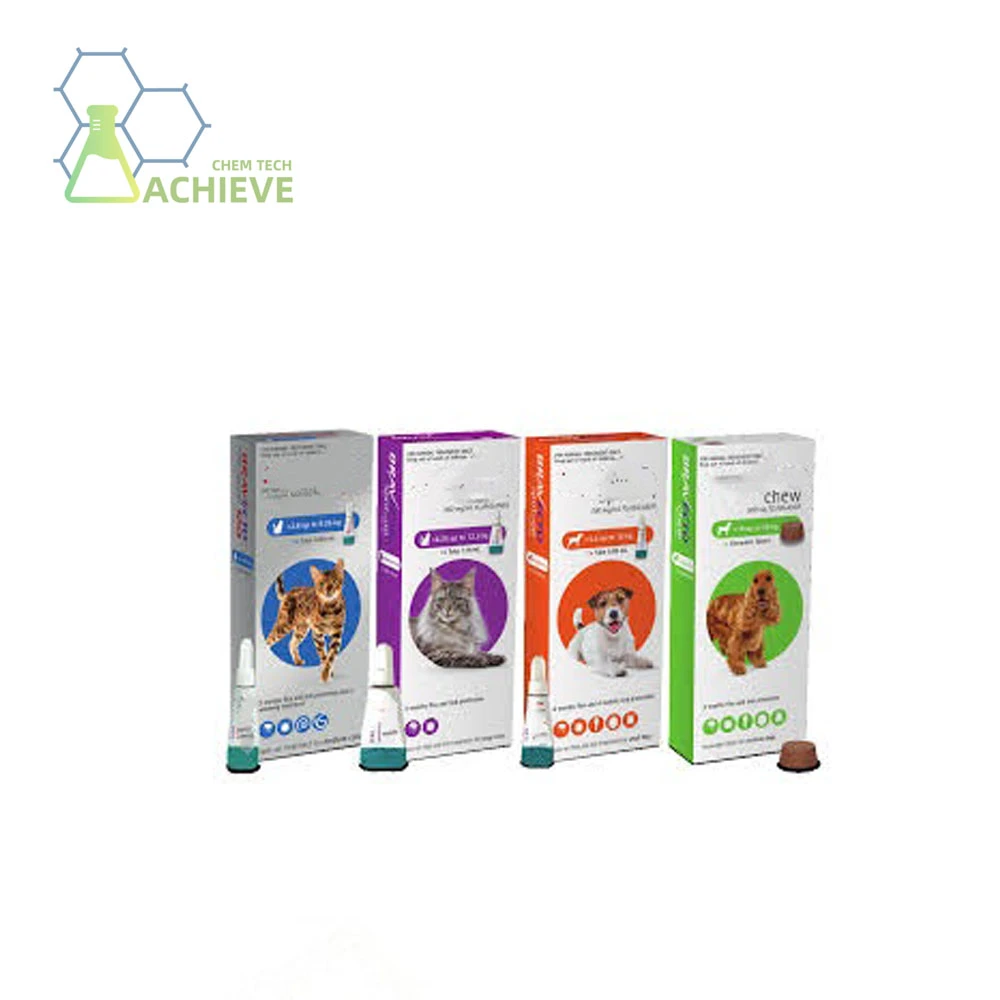
Fluralaner Tablet
1.General Specification(in stock)
(1)Solution
(2)Tablet
(3)Injection
(4)Spray
(5)Drops
2.Customization:
We will negotiate individually, OEM/ODM, No brand, for secience researching only.
Internal Code:BM-2-079
Fluralaner CAS 864731-61-3
Main market: USA, Australia, Brazil, Japan, Germany, Indonesia, UK, New Zealand , Canada etc.
Manufacturer: BLOOM TECH Xi'an Factory
Analysis: HPLC, LC-MS, HNMR
Technology support: R&D Dept.-4
How Does Fluralaner Tablet Affect Parasite GABA Receptors?
The main thing that makes fluralaner tablets work is their amazing ability to bind very precisely to GABA receptors, which are found in the nerve cells of insects and spiders. Invertebrate nervous systems use GABA as their main inhibitory neurotransmitter. It usually slows down neural activity by letting chloride ions flow into the cell, which makes it less electrically excitable. When fluralaner binds to these receptors, it stops the blocking signal from working right.
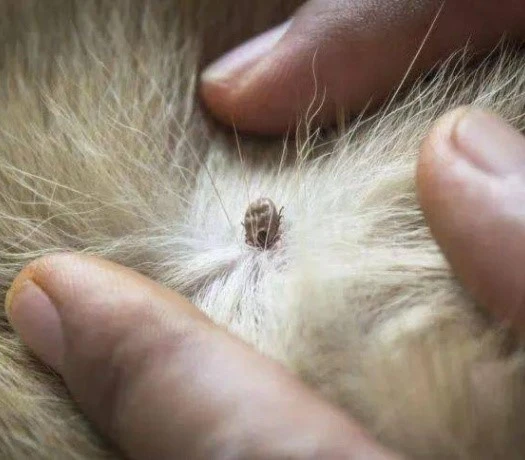
The result is neurons firing without control. Parasites like fleas and ticks have nerves that are constantly and rapidly excited, with no control brake. It doesn't take long for this overactivity to cause muscle spasms, loss of coordination, paralysis, and death.

This process is very useful because it works only with certain GABA receptors. Invertebrate GABA receptors are physically different from mammal GABA receptors in ways that fluralaner takes advantage of. GABA receptors are behind the blood-brain barrier in mammals like dogs and cats. At therapeutic doses, the drug does not pass through this barrier. Because of these differences in structure and function, the chemical is both poisonous to parasites and safe for dogs.
According to studies published in the veterinary pharmacology literature, fluralaner binds much more strongly to insect GABA receptors than it does to mammalian versions. This makes it more effective and safer.
Fluralaner Tablet and GABA-Gated Chloride Channel Blockade
The Role of Chloride Ion Channels in Parasite Nerve Function
Neurons stay stable thanks to chloride ion channels. When GABA binds to its receptor on a parasite nerve cell, the channel opens and chloride ions rush in, making the membrane more positively charged and stopping nerve activity. This is the main "off switch" in the nervous systems of arthropods. The fluralaner tablet works by blocking the channel at the receptor site, so it can't open no matter how much glucose is present.
Nerve cells in fleas and ticks can't go back to a resting state if the chloride channel gates don't work.No matter what, the membrane is always losing its charge, which causes the whole body to become very excited.No matter what, the membrane is always losing its charge, which causes the whole body to become very excited.
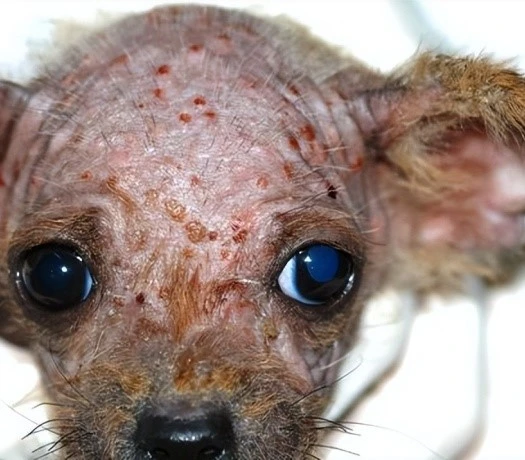

This effect is not subtle; it shows up quickly as tremors, death, and movement that isn't controlled.
Dual-Target Inhibition: Adding Glutamate Receptor Blockade
What makes fluralaner tablet better than single-target drugs is that it blocks glutamate-gated chloride channels (GluCl channels) at the same time. These channels are another important inhibitory route that is only found in invertebrates and not in mammals. Fluralaner has a harmful affect that gets worse when it blocks both GABA-gated and glutamate-gated chloride channels at the same time.
This two-action model is backed up by research: fleas that are introduced to fluralaner die at rates higher than 98% within 12 hours of a pet's mouth dose, and they are completely gone within 48 hours.
This dual-channel antagonism means that parasites don't have a back-up pathway that can stop the drug from working. This makes it much harder for resistance to develop than with single-target agents.
Why Does Fluralaner Disrupt Chloride Ion Flow in Fleas and Ticks?
Structural Differences Between Invertebrate and Vertebrate Receptors
The blocking of chloride ion flow is not an accident; it is part of a planned strategy based on how receptors work. There are big differences between the subunits of arthropod GABA receptors and those of mammalian receptors. One big difference is the RDL subunit. The fluralaner tablet molecular shape fits the structure of the animal receptor very well, which lets it stick to the channel hole and effectively stop the flow of ions.
The safe giving of drugs to pets is made possible by this structural specificity. In dogs and cats, regular therapeutic amounts of fluralaner do not cross the blood-brain barrier.This means that GABA receptors in the central nervous system of mammals are not affected.
The parasite's nervous system, on the other hand, doesn't have this kind of protection, so once it takes the drug, it can fully experience its blocking effect.
Fluralaner Tablet Effects on Parasite Neuronal Signaling
Cascade Failure in the Arthropod Nervous System
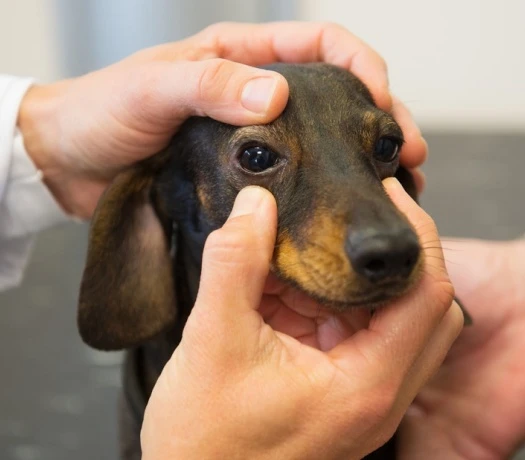
When the flow of chloride ions is stopped, the neurological failure in parasites quickly spreads. Neuronal membranes stay depolarized, action potentials fire without stopping, and muscle synapses get too much information to handle. Fleas and ticks need precise muscle control to move, eat, and reproduce. This control breaks down completely.
This chain effect is what makes the fluralaner tablet work so quickly after a pet eats it. Any flea or tick that bites and feeds on the pet and the drug gets into their bloodstream and to their skin and subcutaneous tissues, where it can kill them. The damage to the nervous system starts almost as soon as the parasite is eaten, and it can't get better once the inhibiting channels stop working.
From Ion Channel Antagonism to Parasite Paralysis: The Fluralaner Tablet Mechanism
From Molecular Binding to Whole-Body Paralysis
A bug or tick is completely paralyzed after just one molecule binds to a receptor. This is a powerful example of how precise pharmacology can be. The fluralaner tablet blocks GABA- and glutamate-gated chloride channels, which starts a chain of events that leads to membrane depolarization, action potential firing without control, and neuromuscular junction failure. This causes paralysis that can't be fixed. Touch-based insecticides need to be applied directly to the skin. This systemic action, on the other hand, means that all blood-feeding parasites on the pet come into contact with the drug.
Persistent Plasma Levels and Long-Duration Protection
Due to its longer plasma half-life and lipophilic transport into fatty tissues,
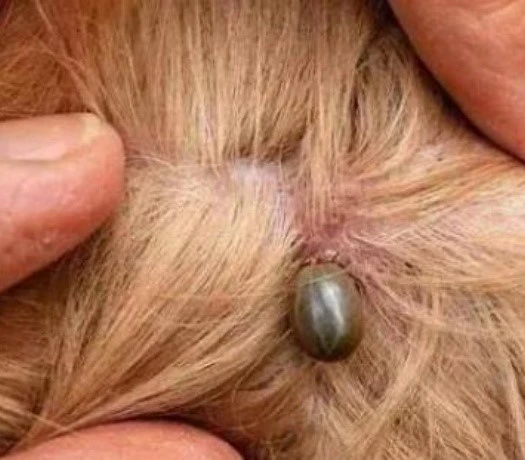
fluralaner tablet can provide protection for up to 12 weeks after a single oral dose in canines.The drug slowly makes its way back into the bloodstream, staying at levels high enough to kill any new bugs that come in during the dosing period. Because of this pharmacokinetic profile, fleas and ticks that are on the animal are constantly exposed to a neurotoxic substance that kills them. This stops new infestations from happening without having to be dosed every month.
Conclusion
This medicine, fluralaner tablet, works by stopping two different types of chloride channels in parasites' nervous systems. This causes fast, long-lasting, and very specific neurotoxicity in fleas, ticks, and mites. Because it has a strong binding preference for invertebrate receptor subunits and can't get through the blood-brain barrier in mammals at therapeutic amounts, it is effective against parasites and safe for pets. With just one oral dose, protection lasts for up to 12 weeks, making treatment easier while still working well. The process and body of evidence behind this chemical make it a strong choice for pet owners and veterinarians looking for a long-lasting, scientifically proven way to get rid of parasites.
Frequently Asked Questions
Q1: How quickly does fluralaner tablet kill fleas after administration?
+
-
The drug enters the bloodstream and goes to the skin tissues after being given to a pet. Fleas that feed on the treated pet eat the substance, which quickly upsets their nervous systems. Over 98% of fleas are killed in 12 hours, and most of the time, the problem is solved in 48 hours.
Q2: Is fluralaner tablet safe for mammals given its neurological mechanism?
+
-
The drug fluralaner tablet only affects GABA receptor subunits in invertebrates, mainly the RDL subunit that isn't found in mammals. At usual therapeutic amounts, it can't cross the blood-brain barrier, so it doesn't affect dogs or cats' central nervous systems. A good safety rating has been confirmed by many veterinarian studies in healthy adult pets.
Q3: Why does fluralaner tablet provide such long-lasting protection compared to other treatments?
+
-
The chemical fluralaner tablet is very lipophilic, which means it moves into and slowly leaves fatty cells all over the body. This keeps the drug in the blood for a long time at levels high enough to kill parasites, protecting for up to 12 weeks after a single oral dose, which is a lot longer than many monthly topical or oral options.
Partner With Bloomtechz for Premium Fluralaner Tablet Supply
If your business needs a reliable provider of fluralaner tablets with proven manufacturing skills, Bloomtechz is the company you need. Bloomtechz has been in business since 2008 and has a 100,000 m² GMP-approved production plant that is certified by the US FDA, the EU, Japan, and the CFDA. Our quality assurance process has three levels of checks: analysis at the factory, quality control in-house, and testing by a third-party authority. This way, we can be sure that every batch you receive meets the terms of the contract, or we'll give you a full refund. We work on OEM and ODM projects and offer a range of formulation forms, such as tablet, injection, solution, and spray. Our customers come from the US, Australia, Japan, Germany, the UK, and other places. Our team gives you exact prices, wait times, and all the paperwork you need for a smooth customs clearance process, whether you need large quantities to sell or custom formulations for study reasons. Please get in touch with Bloomtechz right away so they can help you bring effective parasite control products to market.
Contact our team: Sales@bloomtechz.com.
References
1. Ozoe, Y., Asahi, M., Ozoe, F., Nakahira, K., & Mita, T. (2010). The antiparasitic isoxazoline A1443 is a potent blocker of insect ligand-gated chloride channels. Biochemical and Biophysical Research Communications, 391(1), 744–749.
2. Gassel, M., Wolf, C., Noack, S., Williams, H., & Ilg, T. (2014). The novel isoxazoline ectoparasiticide fluralaner: Selective inhibition of arthropod γ-aminobutyric acid- and glutamate-gated chloride channels and insecticidal/acaricidal activity. Insect Biochemistry and Molecular Biology, 45, 111–124.
3. Rohdich, N., Roepke, R. K. A., & Zschiesche, E. (2014). A randomized, blinded, controlled and multi-centered field study comparing the efficacy and safety of Bravecto® (fluralaner) against Frontline® (fipronil) in flea- and tick-infested dogs. Parasites & Vectors, 7, 83.
4. Taenzler, J., de Vos, C., Roepke, R. K. A., & Heckeroth, A. R. (2014). Efficacy of fluralaner against Otodectes cynotis infestations in dogs and cats. Parasites & Vectors, 7, 580.
5. Chaccour, C., & Rabinovich, N. R. (2017). Ivermectin to reduce malaria transmission III: A SWOT analysis of co-administration with malaria treatment or chemoprevention compared with fluralaner-class compounds. Malaria Journal, 16, 121.
6. Wengenmayer, C., Williams, H., Zschiesche, E., Moritz, A., Langenstein, J., Roepke, R. K. A., & Heckeroth, A. R. (2014). The speed of kill of fluralaner (Bravecto™) against Ixodes ricinus ticks on dogs. Parasites & Vectors, 7, 525.