


Fleas are more than a nuisance. A single flea may lay up to 50 eggs a day, converting a slight annoyance into a full-blown infestation in a matter of weeks. If your dog or cat has been scratching his or her head off, compound fipronil drops may be just what you need to end the pattern. In this article, you'll learn how this topical treatment works, why so many pet owners swear by it, and how to integrate it into a realistic flea prevention program.
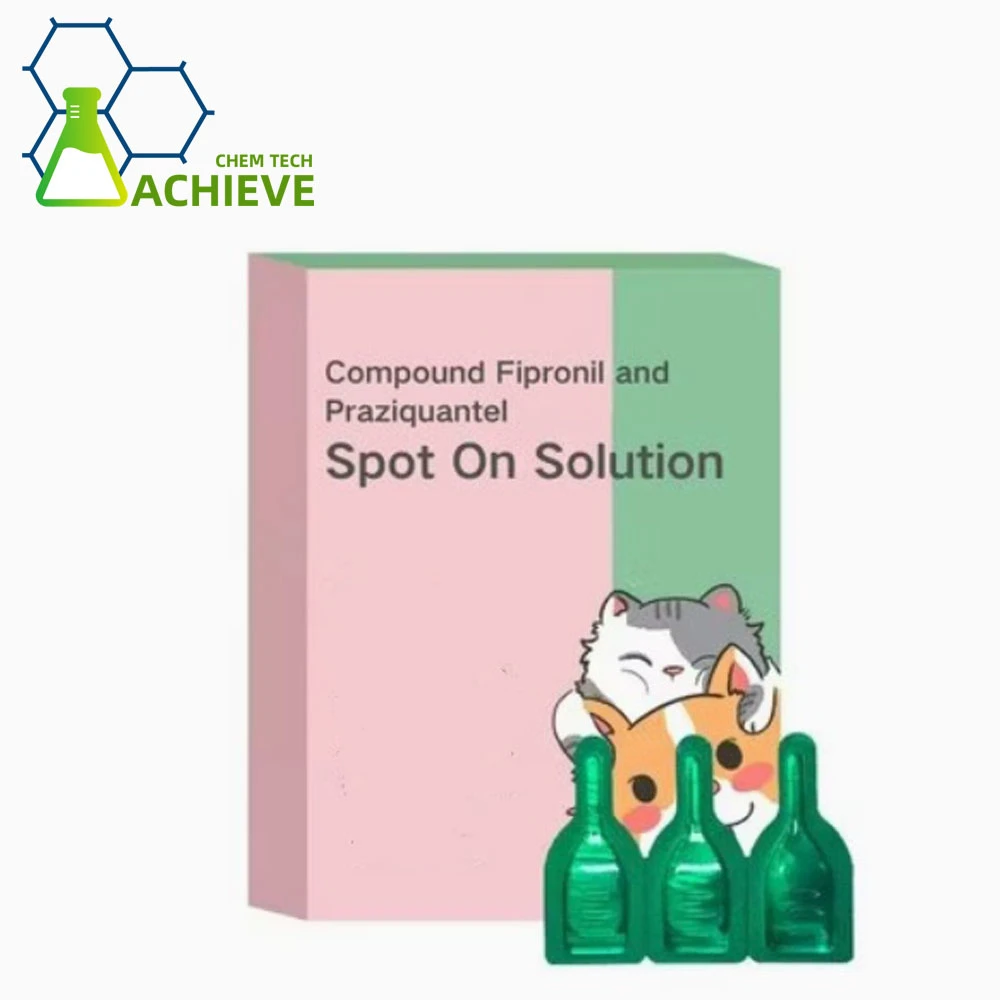
Compound Fipronil And Praziquantel Spot On Solution
1.General Specification(in stock)
(1)Solution
2.Customization:
We will negotiate individually, OEM/ODM, No brand, for secience researching only.
Internal Code: BM-9-022
Compound Fipronil and Praziquantel Spot On Solution
Main market: USA, Australia, Brazil, Japan, Germany, Indonesia, UK, New Zealand , Canada etc.
Manufacturer: BLOOM TECH Xi'an Factory
Analysis: HPLC, LC-MS, HNMR
Technology support: R&D Dept.-4
How Do Compound Fipronil Drops Work to Eliminate Fleas on Dogs and Cats?
The Science of Spot-On Delivery
Fipronil drops are a member of the phenylpyrazole chemical family. The active chemical is put on the skin of the pet, often in between the shoulder blades, and then spreads by means of a process termed translocation across the surface of the skin. The solution penetrates the sebaceous glands and the lipid layer of the coat, generating a prolonged reservoir of active substance that comes into touch with fleas when exposed.
In the veterinary parasitology literature it is well established that effective concentrations of fipronil are achieved within 24 hours after administration.
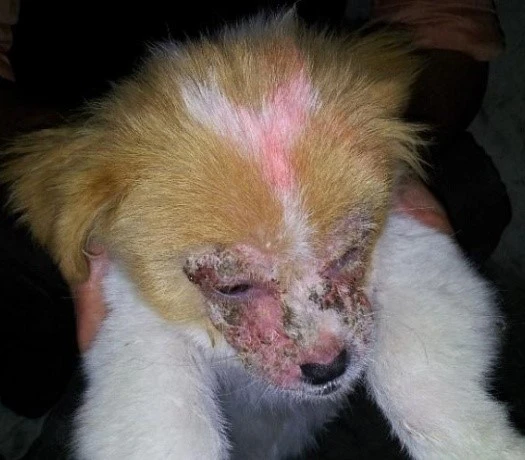
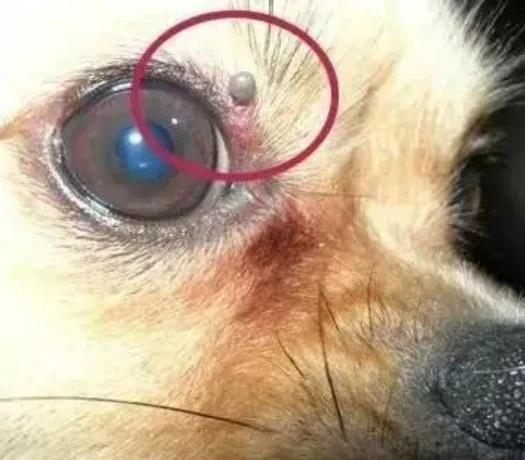
It doesn't go into the blood in any significant quantities therefore it's very much a localised activity, just where the fleas are living and feeding.
Why Fleas Cannot Build Resistance Quickly
Fipronil works on the GABA-gated chloride channel of the insect nerve cell, a different mechanism to many of the previous insecticides. This selectivity makes it very powerful against adult fleas yet with a good safety buffer for mammals. Insects: The binding is not reversible and fleas introduced to the treated pet incur fast neuromuscular failure. Data published in the Veterinary Parasitology journal, and subject to peer review, demonstrate more than 95% effectiveness against adult Ctenocephalides felis (cat flea) after 24 hours of therapy.
The Active Mechanism Behind Compound Fipronil Drops for Effective Flea Control
Disrupting Insect Nerve Signaling
Fipronil binds to GABA-A receptors and glutamate-gated chloride channels in the insect nervous system on the molecular scale. This binding prevents normal inhibitory neurotransmission resulting in uncontrolled neurone firing, convulsions and death in fleas. Importantly, mammals have distinct subunits of GABA receptors, therefore the chemical is very selective and significantly more deadly to arthropods than to dogs or cats at proposed doses.
This method also works against ticks and lice, therefore compound fipronil drops are a broad-spectrum ectoparasiticide, not a single-pest treatment.
The Role of Compound Formulation
The term "compound" in the product name is not just for show.
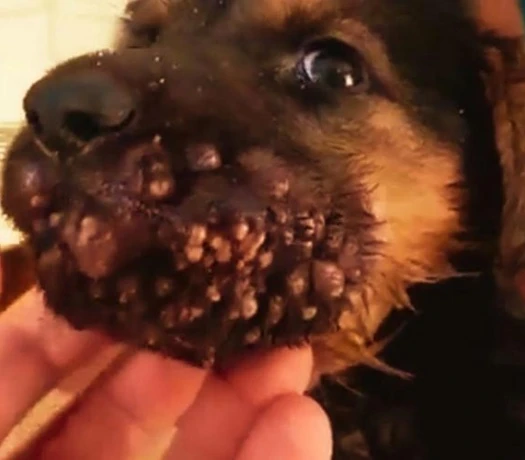
Fipronil is often combined with a second active ingredient-typically either S-methoprene or permethrin-in many veterinary formulations. This combination attacks fleas at several life stages. Fipronil kills adult fleas, and an insect growth regulator (IGR) stops eggs and larvae from maturing into biting adults. This dual-action approach accelerates the demise of the flea populations in the pet's surroundings, not only on the cat.
Compound Fipronil Drops: Understanding How Topical Treatment Reaches Flea Infestation Sites
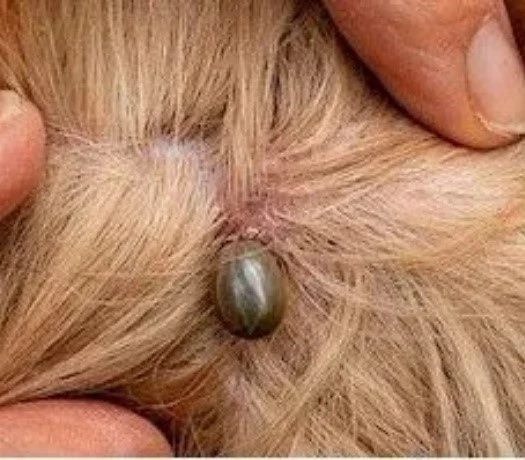
Skin Absorption and Surface Distribution
On application, the oily carrier vehicle in compound fipronil drops distributes throughout the skin and coat via natural grooming motions and body heat. Studies show that the chemical is fully distributed dorsoventrally after 48 hours in a medium-sized dog. The sebaceous glands are constant reservoirs, releasing the active ingredient slowly during the duration of therapy indicated on the label – usually 30 days for flea control.
This continuous release method allows the therapy to stay active despite exposure to water like as bathing or swimming as long as the pet is not showered within 48 hours after the first application.
Addressing Environmental HotspotsFleas spend around 95% of their life cycle off the host -- in carpets, mattresses and upholstered furniture. With a topical therapy with fipronil on the pet, each time a flea lands on the animal, there is a "lethal contact" event. This gradually decreases the breeding adult population day by day, depleting the environmental reservoir of fresh eggs. Regular vacuuming and environmental sprays, together with added topical solutions, make elimination much faster.
Why Pet Owners Choose Compound Fipronil Drops for Fast and Convenient Flea Management
Ease of Application Without Specialist Visits
A very practical benefit of compound fipronil drops is that application does not need a veterinarian appointment for regular usage. One pipette administers a pre-measured amount straight to the skin. No fighting with tablets, no mixing with powders, no need to keep a suffering animal covered up for long periods. If you're a pet owner juggling many animals, this is a big time-saver, taking less than a minute for the whole thing.
Speed of Action and Measurable Outcomes
Pet owners often see a noticeable decrease in scratching within 24 to 48 hours of using a spot-on therapy containing fipronil.
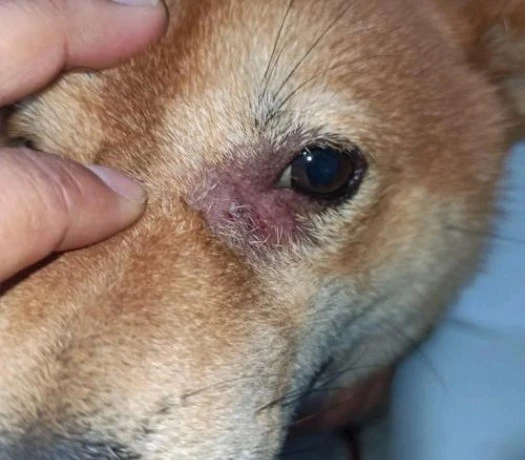
Controlled experiments demonstrate the 98-100% adult flea death rate after 48 hours of administration. The quickness of action offers the practical confidence that the therapy is working, a characteristic that is a major driver of repeat purchase and brand loyalty in the consumer pet care industry.
Compound Fipronil Drops Applications in Daily Flea Prevention and Pet Care Programs
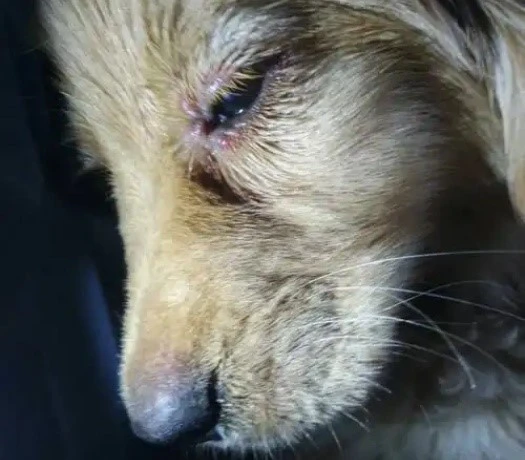
Monthly Preventive Protocols
Veterinary recommendations put forth by organisations such as the European Scientific Counsel Companion Animal Parasites (ESCCAP), encourage year-round monthly flea prophylaxis for dogs living in moderate to high-risk areas. Compound fipronil drops suit well with this routine. One monthly treatment provides a constant barrier against reinfestation, particularly vital for dogs who go outside or have frequent contact with other animals.
Regular monthly application also helps prevent the build-up of significant environmental flea populations that may lead to infestations in the home and expensive professional pest control treatments.
Integration with Broader Pet Health Routines
You may arrange fipronil topical drops to coincide with other typical pet care activities,
such as grooming visits, yearly wellness checks and deworming regimens, with little risk about contact. Many pet owners struggle with flea control and tick prevention, and a compound formulation that treats both requirements concurrently may help to streamline the entire care routine. When flea prevention becomes a predictable, low-effort habit, compliance improves dramatically and so do results for pet health and family comfort.
Conclusion
Flea infestations escalate fast, but they are manageable with the right approach. Compound fipronil drops deliver a scientifically grounded, practically convenient solution - acting directly on adult fleas through a targeted neurological mechanism, distributing across the pet's coat for sustained protection, and slotting easily into monthly prevention routines. Whether you are dealing with an active infestation or seeking to prevent one, understanding how this compound works empowers you to act decisively and effectively.
Frequently Asked Questions
1.What makes compound fipronil drops different from flea shampoos or collars?
+
-
Shampoos provide only immediate knockdown of fleas present at bath time and offer no residual protection. Flea collars vary widely in efficacy and coverage area. Compound fipronil drops distribute across the entire coat through the sebaceous gland reservoir system, maintaining active concentrations for up to 30 days with a single application.
2.Are compound fipronil drops safe for use on both dogs and cats?
+
-
Formulations are species-specific. Products containing permethrin as a companion ingredient are approved for dogs only - permethrin is toxic to cats. Always verify that the product label specifies feline suitability before applying to cats. Fipronil itself is approved for use in both species at appropriate dosages.
3.How soon after application can a pet be bathed?
+
-
Most manufacturers recommend waiting 48 hours after applying compound fipronil drops before bathing or allowing the animal to swim. This window allows the compound to fully distribute through the sebaceous glands and establish its sustained-release reservoir, ensuring that water exposure does not significantly reduce efficacy.
Source Your Compound Fipronil Drops Supplier Through Bloomtechz - Trusted Quality, Transparent Pricing
If you are searching for a reliable compound fipronil drops supplier, Bloomtechz brings over 16 years of organic synthesis expertise backed by GMP-certified manufacturing that holds US-FDA, EU-GMP, and CFDA certifications. Our quality assurance operates through a triple-verification chain - factory level, in-house QA/QC, and accredited third-party analysis - so every batch meets specification before it reaches you. We serve pharmaceutical companies, specialty chemical buyers, and R&D organizations across 24 international partnerships. Our pricing model is transparent, our lead times are accurately tracked in our ERP platform, and our team responds with precision. Reach out today and experience what a dependable supply chain looks like.
Contact us: Sales@bloomtechz.com
References
1. Rust, M. K., & Dryden, M. W. (1997). The biology, ecology, and management of the cat flea. Annual Review of Entomology, 42, 451–473.
2. Hink, W. F., Drought, D. C., & Barnett, S. (1994). Effect of an experimental fipronil compound on survival and reproduction of fleas. Journal of Medical Entomology, 31(4), 562–567.
3. European Scientific Counsel Companion Animal Parasites (ESCCAP). (2021). Guideline 3: Control of Ectoparasites in Dogs and Cats (7th ed.). ESCCAP Publications.
4. Cochet, P., Birckel, P., Bromet-Petit, M., Bromet, N., & Weil, A. (1997). Skin distribution of fipronil by microautoradiography following topical administration to the beagle dog. European Journal of Drug Metabolism and Pharmacokinetics, 22(3), 211–216.
5. Dryden, M. W., Payne, P. A., Lowe, A., Reinemeyer, C., & Smith, V. (2013). Efficacy of fipronil formulations against the cat flea under laboratory and simulated home environment conditions. Veterinary Parasitology, 193(1–3), 261–267.
6. Postal, J. M., Jeannin, P., & Consalvi, P. J. (1995). Field efficacy of a mechanical pump spray formulation containing 0.25% fipronil in the treatment and prevention of flea infestation in dogs and cats. Veterinary Dermatology, 6(3), 153–158.