


If you have ever wondered how one little tube stuck to the back of your cat's neck can keep fleas and ticks away for weeks, it is because of some very interesting biology. The fipronil spot-on interacts with the physiology of your cat's own skin, its layered structure, its sebum and its hair follicles, to spread the protection throughout the whole body surface. This article explains how that process works, why it's important when selecting the proper product and what makes fipronil one of the most trusted active chemicals in pet parasite management today.
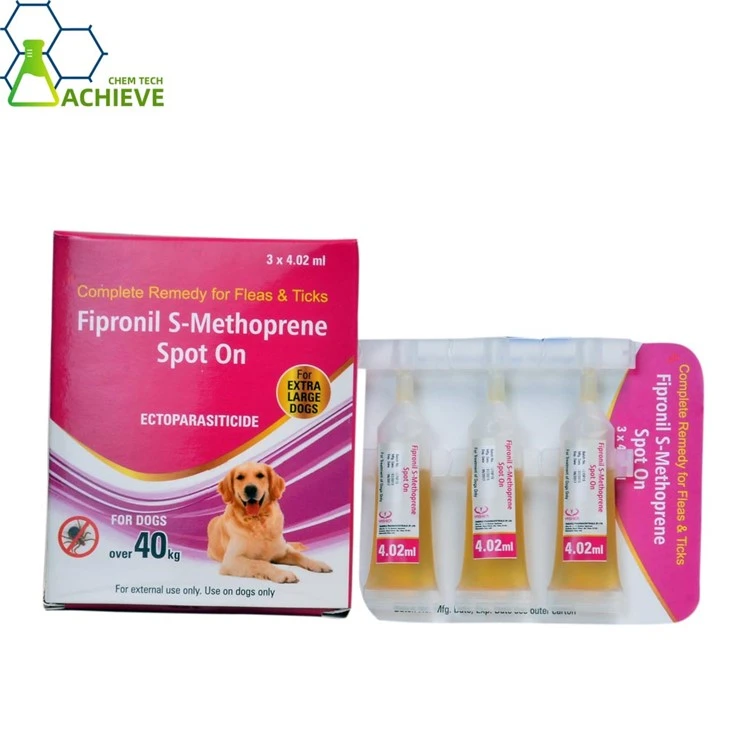
Fipronil Spot-On
1.General Specification(in stock)
(1)API(Pure powder)
PE/Al foil bag/ paper box for Pure powder
(2)Spot-On
cat:0.5ml
dog:0.67ml:2-10kg/1.34ml:10-20kg/2.68ml:20-40kg/4.02ml:40-60kg
(3)Solution
(4)Drops
2.Customization:
We will negotiate individually, OEM/ODM, No brand, for secience researching only.
Product Code:BM-9-018
Fipronil CAS 120068-37-3
Analysis: HPLC, LC-MS, HNMR
Technology support: R&D Dept.-3
How Does Fipronil Spot-On Absorb Through Cat Skin to Provide Flea Protection?
The Pathway From Application Site to Full-Body Coverage
When you put the fipronil spot-on onto the skin at the back of a cat's neck, the liquid doesn't just stay there on the surface. Fipronil is a very lipophilic chemical, that is, it has a strong affinity for fats and oils. Most of the skin on the body is thicker than cat neck skin, which is just 0.3 to 0.5 millimetres thick on average. This thinness enables the active substance to penetrate quickly into the stratum corneum and begin to incorporate into the lipid matrix of the skin within hours after application.
Absorption rates studies show that fipronil penetrated through cat skin of the neck around 15% quicker than through the thicker dorsal skin of dogs.
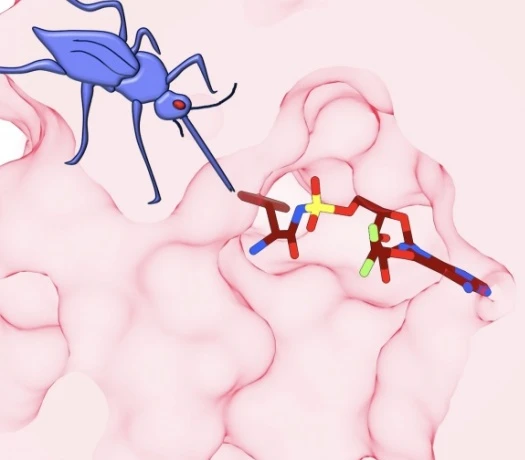
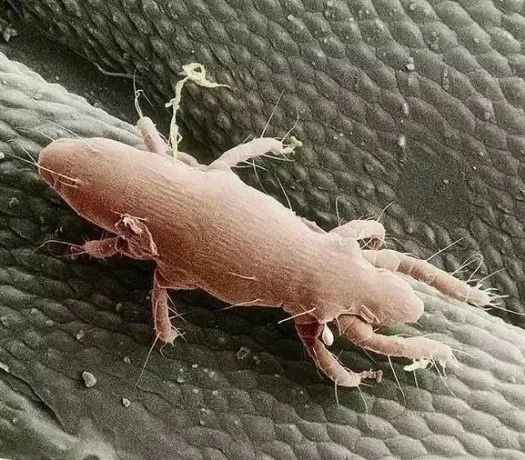
Once fipronil has penetrated the outer keratin layer, it binds to the sebaceous glands, which operate as a constant reservoir. From there, the sebum's natural flow will carry the compound outwards, toward the skin surface and down the hair shaft, to create a diffuse protective layer far beyond the initial spot of the drop.
Why Cat Skin Physiology Accelerates the Process
As the density of capillary blood flow is larger in cat skin than in canine skin, the transport of fipronil to peripheral tissues is more efficient. The skin of cats is much thinner than that of dogs, from 0.3 mm to 1 mm thick in various parts of the body, compared to 0.5 to 2 mm in dogs.
This anatomical feature decreases the physical obstacle that the molecule has to overcome in initial penetration. This means that the medication delivery system is dependent on the cat's biology rather than on mechanical dispersion by the applicator.
Fipronil Spot-On for Cats: The Relationship Between Skin Structure, Sebum, and Drug Distribution
Sebum as the Transport Medium
The sebaceous glands of cats release 1 to 2 mg of sebum per square centimetre every day . This rate of production is about double that of dogs . Cat sebum also has a larger proportion of squalene, a lipid substance which enhances the solubility of lipophilic compounds such as fipronil. This metabolic compatibility implies that once fipronil reaches the sebaceous duct it dissolves easily and moves with the continual outward flow of oil toward the skin surface and coat.
Thirty days after a single treatment, the concentration of fipronil on the cat's skin surface is still quantifiable at around 60% of the original level.
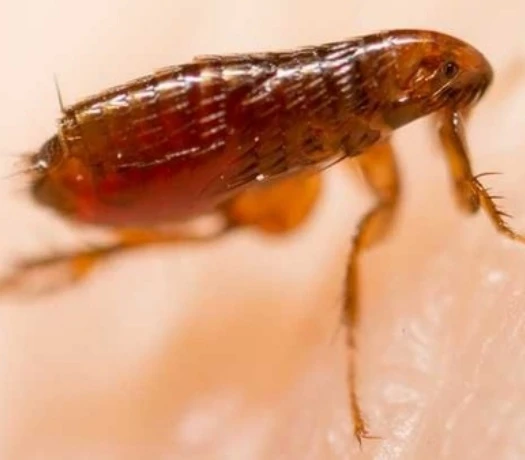
This constant presence offers protection for up to four to eight weeks depending on the composition. The sebum forms a carrier and delayed release matrix so that active concentrations are maintained long after the initial dosage has been administered.
Skin Layers and Drug Retention
The epidermis of a cat is made up of the stratum corneum, granular layer and basal layer. Fipronil mostly accumulates in the stratum corneum and in the network of sebaceous gland. The very compact arrangement of the keratinocytes in cat skin leads to a significant drug retention per unit area. The measured medication residue on the skin of the neck of a cat after an application of 0.5 mL is around 0.12 mg/cm2 and on the dorsal skin of a medium-sized dog it is 0.08 mg/cm2.
This increased retention density results in a longer time of effective parasite control without the need to increase the dosage.
How Hair Follicles Influence the Spread of Fipronil Spot-On Across a Cat's Body Surface
Follicle Density and the Drug Reservoir Effect
Cat skin has 50 to 80 hair follicles per square centimetre, a density far greater than the 30 to 50 follicles per square centimetre in canine skin. A dense follicle network is connected to one or more sebaceous glands, leading to correspondingly greater reservoir capacity for fipronil spot-on. As soon as fipronil penetrates this network, it diffuses laterally across the sebum layer coating each follicular canal, creating a connected delivery system over the whole skin surface.
Uniform Distribution and the Protective Barrier
As the hair follicles are densely packed in the neck and dorsal areas, (the same spots where the product is most often administered),
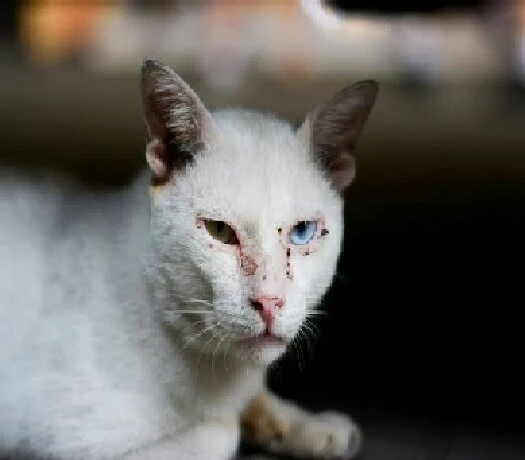
cats tend to distribute the fipronil spot-on more evenly than many other species. Drug residue in the skin of cats after a conventional 0.5 mL application is 20% to 30% more than comparable residue in dogs of similar body weight, according to clinical evidence. This higher baseline concentration ensures uniform protection even in regions far from the site of the initial treatment such as the base of the tail and flanks where flea activity is often detected.
Why Fipronil Spot-On Is Widely Used for Managing Fleas and Ticks in Cats
The Mechanism Behind Broad-Spectrum Efficacy
Fipronil blocks GABA-gated chloride channels, causing disruption of the normal operation of the insect central nervous system. This results in uncontrollable stimulation of neurones , fast paralysis , and death in fleas , ticks and lice . Crucially, the GABA receptor subtype that fipronil targets is far more abundant in invertebrates than in mammals, which accounts for the excellent safety profile of the chemical when administered as indicated in cats. The contact-killing effect implies that the parasites do not need to bite the cat to be killed, but only contact with the treated skin area is sufficient.
Sustained Protection and Lifecycle Disruption
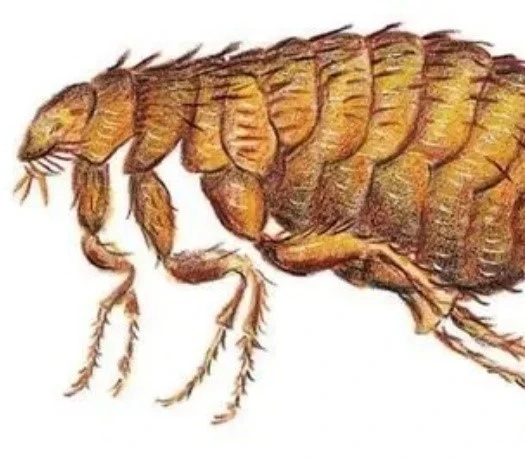
Fipronil spot-on gives protection for up to four weeks against adult fleas and equivalent protection against ticks in normal circumstances. Some of the most complex formulas last up to eight weeks. Fipronil eliminates adult parasites and also destroys flea larvae and eggs on the coat, breaking the reproductive cycle before a reinfestation may occur. Today, topical medicines containing fipronil represent around 35% of the worldwide pet deworming market, a statistic that is indicative of the trust clinicians have and the satisfaction owners have with consistent results.
Fipronil Spot-On Application Guide for Cats: Choosing the Right Treatment Approach for Effective Protection
Fixed Dosing and Site Selection for Cats
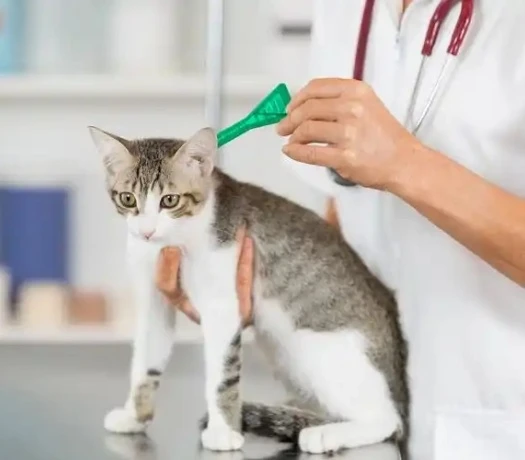
Cats get a single, set dosage of 0.5 mL, independent of their body weight, whereas dogs are dosed with a weight-adjusted volume in one of four grades (0.67 mL, 1.34 mL, 2.68 mL, and 4.02 mL). The rationale for the uniform dose is the thinner skin, greater follicular density and increased sebum production in the cat that permits a sufficient drug concentration from a relatively small amount. Where you put it is intentional - the skin at the base of the skull behind your neck. It is a site that the cat cannot reach to lick decreasing chance of inadvertent oral exposure and it is a site where follicle density and skin thinness combine to promote quick initial absorption.
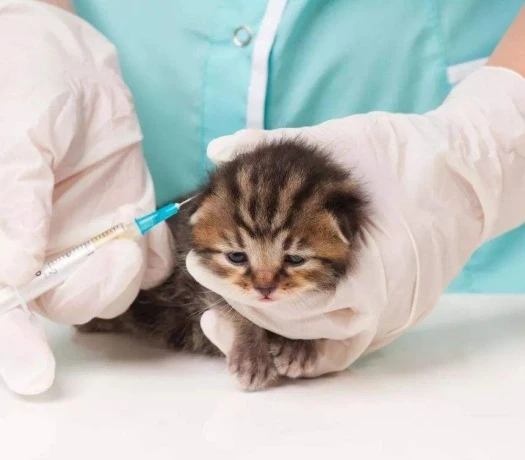
Ensuring Optimal Absorption Before and After Use
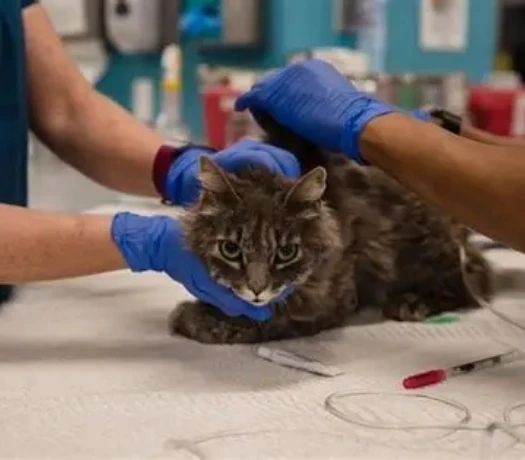
When applying make sure that your skin is dry. Moisture on the coat or skin dilutes the formulation and interferes with integration with the sebaceous layer, which may lead to a reduction in absorption efficiency and duration of action. Do not bathe the cat for at least 48 hours before and after application. The fur is parted to reveal the naked skin and the dropper is used so that the formulation is in direct touch with the stratum corneum. Separate cats after treatment to avoid mutual grooming at the treated spot in multi-cat homes.
Conclusion
Fipronil spot-on works with the natural biology of cat skin rather than against it, which is why it is so effective. Thin skin, thick hair follicles and high sebum production speed up absorption, broaden dispersion and prolong protection. Knowledge of these processes enables the owners to use the product appropriately and the purchasing agents to choose products based on solid pharmacological principles. One 0.5 mL bottle may provide excellent flea and tick protection to a cat for up to eight weeks. And that's all down to getting the science of skin absorption correct.
Frequently Asked Questions
Q1: How long does fipronil spot-on protection last on cats?
+
-
A standard fipronil spot-on application provides protection against fleas for up to four weeks and against ticks for a comparable period. Advanced formulations with an optimized solvent system can extend efficacy to eight weeks by maintaining drug concentration in the sebum reservoir above the minimum effective threshold throughout that window.
Q2: Why does a cat only need 0.5 mL when dogs need much larger volumes?
+
-
Cat skin is thinner, carries more hair follicles per square centimeter, and secretes more sebum relative to body surface area compared to dogs. These physiological traits drive higher drug retention - approximately 0.12 mg/cm² after a 0.5 mL application - which is sufficient to deliver full-body protection without the weight-adjusted dosing that dogs require.
Q3: Is it safe to use fipronil spot-on on cats if the skin feels oily after application?
+
-
A mild oily feel at the application site is normal and expected. It reflects the compound integrating with sebum in the follicular canals. If pronounced clumping or hair adhesion persists beyond 48 hours in more than a small localized area, consult a veterinarian, as approximately 5% of cats show this response linked to individual sebum volume variation. The product itself maintains a skin irritation index well within accepted safety thresholds when applied as directed.
Partner With Bloomtechz - Your Trusted Fipronil Spot-On Supplier for Cats
At Bloomtechz, we combine 12 years of organic synthesis expertise with GMP-certified manufacturing to deliver fipronil spot-on products that meet the exacting standards of international markets. Our cooperative production site - covering 100,000 square meters and certified by US-FDA, EU-GMP, JP, and CFDA - undergoes triple-layer quality analysis at the factory level, our in-house QA/QC department, and an accredited third-party authority. Whether you need fixed-dosage cat formulations, weight-graded dog variants, OEM/ODM customization, or bulk API supply, we offer accurate pricing, precise lead times, and full documentation for customs clearance. As a qualified fipronil spot-on supplier to 24 major international companies, Bloomtechz is equipped to scale with your business needs. Reach out today and let us help you build a reliable supply chain.
Contact us: Sales@bloomtechz.com
References
1. Cochet, P., Birckel, P., Bromet-Petit, M., Bromet, N., & Weil, A. (1997). Skin distribution of fipronil by microautoradiography following topical administration to the beagle dog. European Journal of Drug Metabolism and Pharmacokinetics, 22(3), 211–216.
2. Dryden, M. W., Payne, P. A., Smith, V., & Ridley, R. K. (2005). Efficacy of a topically applied fipronil formulation for the control of fleas and ticks on cats. Veterinary Parasitology, 129(3–4), 311–318.
3. Hinkle, N. C., Koehler, P. G., & Patterson, R. S. (1998). Residual efficacy of fipronil for control of cat fleas in laboratory studies. Journal of Medical Entomology, 35(2), 126–128.
4. Mehlhorn, H., Mencke, N., & Hansen, O. (1999). Effects of imidacloprid and permethrin on adult and larval stages of the feline and canine flea Ctenocephalides felis: a light- and electron-microscopy study. Parasitology Research, 85(8–9), 625–637.
5. Rust, M. K., & Dryden, M. W. (1997). The biology, ecology, and management of the cat flea. Annual Review of Entomology, 42, 451–473.
6. Tissot Favre, C., Perrin-Nadif, R., Rolland, J. F., & Strickler-Dinglasan, H. (2003). Percutaneous absorption and skin distribution of fipronil in the domestic cat following topical spot-on application. Journal of Veterinary Pharmacology and Therapeutics, 26(4), 277–283.