


Feline Infectious Peritonitis is still one of the hardest diseases to GS-441524 fip treat in veterinary medicine. It has terrible effects on cats all over the world. The discovery of GS-441524 fip medicine has changed the way veterinarians treat both wet and dry forms of this complicated disease. When it comes to treating different types of fip, this antiviral drug works amazingly well, giving hope where other treatments have failed. Veterinarians and academics can improve treatment plans and patient outcomes by a large amount by learning about the unique benefits of GS-441524 in handling different types of fip. Treatment methods have been made harder for a long time because of the difference between wet and dry fip, but GS-441524 works well for both types of cases. Recent clinical findings show that this nucleoside analogue successfully targets the viral replication process at its core, no matter what kind of disease is being treated. When veterinary workers need reliable pharmaceutical intermediates for study or clinical use, they need to buy from suppliers who know what quality standards are needed for the medicine to work.
1.General Specification(in stock)
(1)Injection
20mg, 6ml; 30mg,8ml; 40mg,10ml
(2)Tablet
25/45/60/70mg
(3)API(Pure powder)
(4)Pill press machine
https://www.achievechem.com/pill-press
2.Customization:
We will negotiate individually, OEM/ODM, No brand, for secience researching only.
Internal Code: BM-1-001
GS-441524 CAS 1191237-69-0

We provide GS-441524 fip please refer to the following website for detailed specifications and product information.
Product: https://www.bloomtechz.com/synthetic-chemical/api-researching-only/gs-441524-fip.html
How GS-441524 fip Works in Wet vs Dry fip Cases
The way that GS-441524 fip works mechanically helps explain why this chemical works where other treatments have failed. This nucleoside variant gets into sick cells and goes through phosphorylation inside the cell, which changes it into its active triphosphate form. Once it is turned on, it directly stops the feline coronavirus's RNA-dependent RNA polymerase from working. This stops the virus from replicating at its source. This basic process works the same way whether the virus shows up as wet fip with lots of fluid buildup or dry fip with granulomatous sores. People who have wet fip usually have effusions in their abdomens or thorax, which are obvious pockets of fluid that make it hard for organs to work.
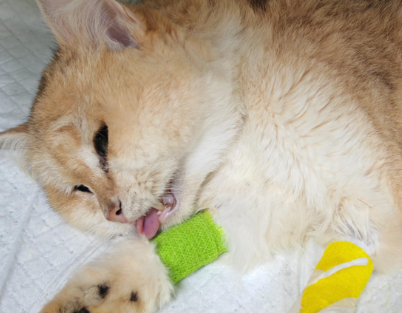
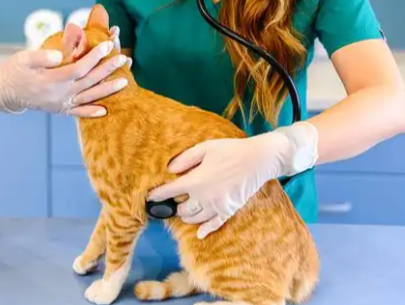
Clinical studies show that cats with wet fip often show clear signs of change within the first week of treatment. As the pleural effusions go away, the cats' abdominal circumference decreases, and their breathing gets better. Different symptoms show up in people with dry fip. In this case, granulomatous inflammation affects many organs without a lot of fluid buildup. Because of the blood-brain barrier and the eye's unique immune system, the neural and ocular forms are especially hard to treat. In spite of these problems, GS-441524 works very well at penetrating tissues and reaching therapeutic levels in the eye and central nervous system.

Immune System Interaction and Recovery Facilitation
GS-441524 medicine does more than just kill viruses directly; it also helps GS-441524 fip the cat's immune system heal from the heavy viral load that is characteristic of fip. Massive virus replication in uncontrolled fip cases wears down the immune system, making T-cells and other immune system parts stop working. GS-441524 lowers the viral load, which gives the immune system a chance to heal and lets the body's natural defenses clear out any leftover infected cells. This immune healing looks different in cases that are wet compared to cases that are dry.
Cellular Uptake and Viral Suppression Mechanisms
The ability of GS-441524 to enter cells quickly and effectively is a big part of its treatment success. Some antiviral drugs have trouble getting through cell membranes.
But this nucleoside counterpart does so through nucleoside transporter proteins that are naturally found in cat tissues.This facilitated transport process makes sure that there are enough concentrations inside cells, even in areas that don't get a lot of blood flow or have special barrier functions. When it gets into cells that are affected, GS-441524 competes with natural nucleosides to join virus RNA chains. The viral polymerase can't tell the difference between the beneficial chemical and natural building blocks, so it adds GS-441524 to the growing RNA strands without meaning to.

Why GS-441524 fip Is Effective Across Different Disease Manifestations
GS-441524 fip works on all types of fip because it targets the virus cause of all of them. The disease is caused by the same altered feline coronavirus, whether it shows up as effusive, non-effusive, retinal, or neurological. By blocking this common cause, GS-441524 gets to the root of the problem instead of just treating the signs or helping the organs work better.Pharmacokinetic tests show that GS-441524 is distributed widely in many tissues after being given. The compound can get through cellular hurdles that keep many medicines from doing so, such as the blood-brain barrier and the blood-ocular barrier.
This amazing ability to penetrate is what makes it possible to treat cerebral fip cases that had the worst outlook in the past. When cats with seizures, ataxia, or behavioral changes linked to CNS inflammation are treated with the right GS-441524 procedures, their brain health improves amazingly. Because the compound is stable and has a long half-life, its medicinal benefits last between doses. GS-441524 can be taken once a day or even less often than other drugs that need to be taken often to keep amounts at a safe level. This drug benefit makes treatment more likely to work and lowers stress for both cats and people who care for them, which is especially important during long treatment courses that can last for months.
Bioavailability Across Administration Routes
Bioavailability changes depending on how it is administered, but GS-441524 stays therapeutically effective no matter how it is delivered. As a result of its reliable absorption and expected plasma concentrations, subcutaneous injection is the chosen method for many doctors. When it comes to long-term maintenance treatment, oral formulations are convenient, but bioavailability depends on the product and the patient. Because administration methods are flexible, treatment plans can be changed to fit the needs of the patient and the skills of the caregiver.

Cats that are very sick might get better with injectable medicines at first, and then they can switch to oral upkeep as they get better. This flexibility makes sure that therapy is always covered during the treatment process, even if the patient's condition changes or there are other real issues.
Dose-Response Relationships in Different fip Forms
Based on clinical experience, the best dose may be different for wet and dry fip cases. Wet fip cases usually react well to standard dosing methods, showing quick improvements in the patient's health and lab values returning to normal.
For neurological and visual symptoms to go away completely in these safe places, bigger doses may be needed to reach the right levels in the central nervous system and the eye. Keeping an eye on acute phase proteins, lymphocyte counts, and other clinical factors helps doctors figure out the best amount for each patient. Some cats can get rid of the virus completely at smaller doses, while others need to be given higher doses to get long-term recovery. Because people are different, treatments need to be flexible and based on objective reaction marks instead of strict rules that are used the same way for all situations.

GS-441524 fip Role in Managing Fluid Accumulation in Wet fip
Wet fip causes effusions that make it hard to breathe, move organs around in the abdomen, and feel comfortable overall. The GS-441524 fip treatment goes right after the virus infection that is causing the leaky vessels and fluid buildup. As treatment pressure lowers virus replication, endothelial inflammation goes down, and arterial integrity returns.This stops the production of new fluid and lets old effusions be reabsorbed. When an effusion goes away depends on how much fluid is there, where it is, and how long the disease has been going on before treatment starts.
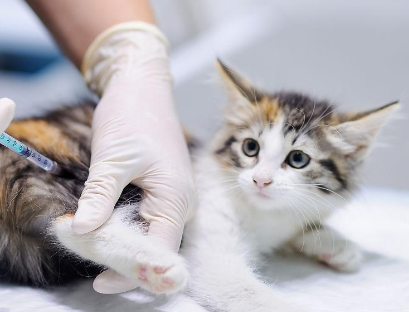
Cats that have recently developed ascites or pleural effusion tend to absorb fluid more quickly than cats that have had accumulations for a long time. Ultrasound tracking shows the gradual loss of fluid, which gives clear proof of the therapeutic reaction and helps figure out how long the treatment will need to last. Virus load decrease has direct antiviral benefits as well as anti-inflammatory effects. Less viral antigen presentation lowers the formation of immune complexes and complement activation, GS-441524 fip which are two important factors in the pathophysiology of wet fip. This two-part mechanism-reducing inflammation and stopping the virus-explains why many people with wet fip got better quickly, just days after starting treatment.
Thoracic Effusion Resolution Patterns
When you have wet fip and pleural effusions, it can be hard to breathe, and you may need therapeutic thoracocentesis right away to feel better. GS-441524 treatment stops fluid from building up again after drainage procedures, which makes it different from supporting measures that only help for a short time. Multiple chest x-rays or ultrasounds show that the amount of pleural fluid is decreasing over time. After constant treatment for two to four weeks, the problem usually goes away completely. As the pleural area clears, breathing rate and effort return to normal. This lets the lungs re-expand and circulation get better.
Abdominal Effusion Management Strategies
When you have peritoneal effusions, your abdomen gets swollen, which makes it hard to eat, move, and feel comfortable. If the condition is not addressed, the typical straw-colored, thick fluid builds up over time, making the person severely disabled.
When GS-441524 is given to cats, it stops this development, and many of them show smaller bellies within the first week of treatment. Therapeutic abdominocentesis may help cats with huge ascites at first, but the fluid builds up quickly, and the underlying viral infection is not treated. When you combine drainage with GS-441524 treatment, you can get quick relief from your symptoms and long-term control of your disease. Monitoring the return of stomach fluid is used to determine if the treatment was effective. If the therapy was effective, the fluid should not build up again, even after removal procedures.
Benefits of GS-441524 fip in Neurological and Dry fip Forms
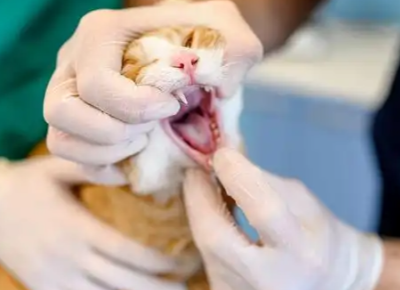
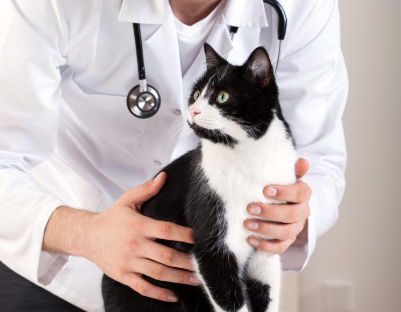
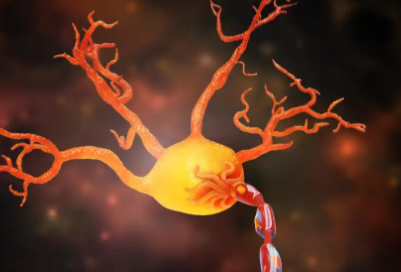
Neurological fip used to have the worst outlook, since standard treatments didn't help much with CNS inflammation and viral replication. The fact that GS-441524 fip can cross the blood-brain barrier changes the result for cats with neural problems. After starting treatment, doctors have seen amazing improvements in people who had seizures, vestibular problems, behavioral changes, and specific neural deficits. Tight junction proteins make it hard for most chemicals to move from the blood to the brain tissue, which makes the CNS a special place for drug transport problems.
Because of how its molecules are made, GS-441524 can get through this barrier and reach appropriate levels in cerebrospinal fluid and brain tissue. This ability to penetrate sets it apart from many antiviral chemicals that don't work on neurological diseases, even though they work on other parts of the body. Some eye problems, like uveitis, chorioretinitis, and hypopyon, get better with GS-441524 treatment. The chemical reaches effective levels in the eye, stopping the growth of viruses in areas that are normally protected by the immune system. Many cats that are treated with ocular fip keep or regain their sight. This is very different from cats that are not treated with ocular fip, which usually go blind over time.
Seizure Control and Neurological Recovery
Seizures linked to fip happen when a virus enters the brain tissue directly and causes damage from inflammation. When cats have widespread or focal seizures, they need help right away to avoid status epilepticus and lasting damage to their nervous system. As the viral load drops and inflammation goes down, GS-441524 treatment lowers the number and intensity of seizures. This means that anticonvulsant drugs can often be stopped as neurological function returns to normal.
Ocular Disease Management
Anterior uveitis causes pain, photophobia, and eyesight loss in cats, GS-441524 fip which has a big impact on their quality of life. The eye's inflammatory reaction causes proteins to build up, hypopyons to form, and the possibility of secondary glaucoma or retinal separation.
GS-441524 targets the virus that caused the problem, and supporting eye medicines keep the inflammation under control and avoid problems while the person recovers. Posterior segment involvement, such as chorioretinitis and retinal vasculitis, can cause swelling or separation of the retina, which can lead to lifelong vision loss. Early GS-441524 action protects retinal structures by stopping the inflammation caused by viruses before it causes damage that can't be fixed. Regular eye exams keep track of how well treatment is working and help decide how long to treat eye conditions.

Comparative Response Patterns of GS-441524 fip in fip Types
Knowing how the body reacts differently to wet and dry fip helps doctors plan the best treatments and keep an eye on them. While wet fip usually leads to faster clinical improvement, noticeable effusion decrease and physical relief can happen within days to weeks of starting treatment with GS-441524 fip. Some lab tests, like hyperglobulinemia and lymphopenia, return to normal pretty quickly. This means that the inflammatory processes that caused these problems are quickly under control. In dry fip cases, change happens more slowly over time.
The granulomatous inflammation that is typical of non-effusive disease fades slowly as organized immune infiltrates spread out and tissue architecture changes. It could take weeks for cats to show clear clinical improvement, but small changes in their appetite, level of energy, and body condition often show up before big signs of healing. Neurological cases have different reaction patterns that rely on where the lesion is and how bad the damage was before treatment. Deep white matter involvement or brainstem injuries take longer to heal than superficial cerebral inflammation. Controlling seizures gets better pretty quickly, but movement problems and ataxia get better more slowly as brain pathways heal and compensatory mechanisms form.
Treatment Duration Considerations
Wet fip treatments usually last between three and twelve weeks, but this depends on how bad the disease is at the start and how each person responds. Monitoring acute phase proteins helps decide how long to treat someone, and when they stay normal, it means the virus is gone, and there is a lower chance of return. Relapse is more likely to happen if therapy is stopped too soon, so it's important to carefully check for recovery stability before stopping treatment. When someone has dry fip, especially a neurological form, they usually need treatment that lasts for twelve weeks or longer.
Because the CNS and eyes are "safe haven" sites for viruses, they need to be kept from spreading for a long time in order to be completely cleared. Long-term tracking after treatment ends makes sure that remissions last and lets people get help quickly if they return.
Relapse Risk Assessment
Different types of fip have different relapse rates. Neurological cases have a higher relapse risk than simple wet fip. This difference is probably because the virus is still not completely gone from CNS refuge sites, even though the patient seems to be in clinical recovery.
Keeping higher doses and extending treatment length in neurological cases lowers the chance of relapse, but different people need different methods. Early discovery of a return allows treatment to start again quickly, before the patient's condition gets much worse. Monitoring plans that include regular lab tests and owner observation for mild recurrences of symptoms make it easier to act quickly. Most relapses can be treated again, especially if they are caught early, before the virus starts to replicate itself in large numbers again.
Conclusion
The discovery of GS-441524 fip is a big change in how fip is managed. It gives real treatment hope for all kinds of diseases. It works consistently well in both wet and dry forms, even in difficult neural and eye cases. This is because it stops viruses well and gets into tissues well. Researchers and veterinarians now have a strong tool to fight this disease that used to kill a lot of animals. However, for it to work, it needs to be combined with high-quality pharmaceutical chemicals, given at the right dose, and for long periods of time. Because wet and dry fip have different reaction patterns, monitoring and treatment length needs to be customized. Most of the time, wet cases react quickly and show clear clinical improvement, while dry forms heal slowly but steadily over long periods of time. Understanding these patterns helps treatment plans work better and keeps clients' hopes in check as they go through therapy. More study is being done to find the best ways to dose, how long to treat, and how to combine treatments in order to get even better results. Getting pharmaceutical-grade GS-441524 from reputable sources guarantees stable product quality, allowing for accurate clinical results and adding to the growing body of evidence for this life-changing therapy.
FAQ
GS-441524 hits the basic way that viruses replicate, which all forms of fip share. This nucleoside derivative stops the RNA-dependent RNA polymerase of the feline coronavirus, no matter how the illness shows up. Because it is so good at penetrating tissues, appropriate amounts can be reached in many parts of the body, such as the brain, the eyes, and areas of granulomatous inflammation. The compound's process targets the virus's root cause instead of just treating the symptoms, which explains why it works so well in a wide range of clinical situations.
Wet fip treatments usually last between three and twelve weeks, but this depends on how bad the disease was to begin with and how each person responds. It doesn't take long for the patient's condition to get better, and the fluid is usually gone within days to weeks. For dry fip, especially neural types, treatment usually takes a long time, twelve weeks or more. Because dry fip causes granulomatous inflammation and inclusion of the sanctuary site, treatment needs to last longer to completely get rid of the virus and stop it from coming back. Laboratory tracking helps doctors decide how long to keep a patient on treatment, making sure they get the right amount of help without stopping too soon.
Many cats with cerebral fip make amazing recoveries after the right GS-441524 treatment. Because the chemical can cross the blood-brain barrier, it can effectively stop viruses in the brain and spinal cord. Most of the time, seizures get better quickly, but movement delays and ataxia get better more slowly as brain tissue heals. How well someone recovers depends on how bad the disease was before treatment started and how much lasting damage was done to the nerves. Early action improves results by reducing damage that can't be fixed, but treatment can help even cases that are already far along.

Partner with BLOOM TECH: Your Trusted GS-441524 fip Supplier for Research and Clinical Applications
Veterinary workers and study groups need to be able to rely on getting pharmaceutical-grade GS-441524 fip intermediates that are up to strict quality standards. BLOOM TECH has been doing organic synthesis for 12 years and has GMP-certified manufacturing facilities. This makes sure that the quality of their products stays the same, which is important for health results and study integrity. Our complete quality control system has three levels of analysis: testing in the plant, checking by internal QA/QC, and third-party approval from recognized agencies. As approved suppliers to 24 foreign pharmaceutical companies, we show that we are dedicated to quality and following all rules. Our clear pricing structure and adaptable supply chain can handle small amounts for research as well as large-scale production needs, helping your projects from the beginning stages of development all the way through clinical application. As a dedicated GS-441524 fip supplier, we know how important it is for veterinary applications that products are always the same, that documentation is full, and that supplies are always on time. Our expert support team can help you with your product development or trial sourcing needs by giving you detailed analytical data, information on stability, and legal advice. Are you ready to find a trusted source for pharmaceutical intermediates for your fip studies or clinical trials? Get in touch with our team at Sales@bloomtechz.com to talk about your needs and experience the quality, service, and research support that make BLOOM TECH different.
References
1. Pedersen NC, Perron M, Bannasch M, Montgomery E, Murakami E, Liepnieks M, Liu H. Efficacy and safety of the nucleoside analog GS-441524 for treatment of cats with naturally occurring feline infectious peritonitis. Journal of Feline Medicine and Surgery. 2019;21(4):271-281.
2. Murphy BG, Perron M, Murakami E, Bauer K, Park Y, Pandey K, Hasegawa H, Koyanagi S, Eckstrand C, Liepnieks M. The nucleoside analog GS-441524 strongly inhibits feline infectious peritonitis virus in tissue culture and experimental cat infection studies. Veterinary Microbiology. 2018;219:226-233.
3. Jones S, Novicoff W, Nadeau J, Evans S. Unlicensed GS-441524-Like antiviral therapy can be effective for at-home treatment of feline infectious peritonitis. Animals. 2021;11(8):2257.
4. Dickinson PJ, Bannasch M, Thomasy SM, Murthy VD, Vernau KM, Liepnieks M, Montgomery E, Knickelbein KE, Murphy B, Pedersen NC. Antiviral treatment using the adenosine nucleoside analogue GS-441524 in cats with clinically diagnosed neurological feline infectious peritonitis. Journal of Veterinary Internal Medicine. 2020;34(4):1587-1593.
5. Krentz D, Zenger K, Alberer M, Felten S, Bergmann M, Dorsch R, Matiasek K, Kolberg L, Hofmann-Lehmann R, Meli ML, Hartmann K. Curing cats with feline infectious peritonitis with an oral multi-component drug containing GS-441524. Viruses. 2021;13(11):2228.
6. Tasker S. Diagnosis of feline infectious peritonitis: Update on evidence supporting available tests. Journal of Feline Medicine and Surgery. 2018;20(3):228-243.