


Feline infectious peritonitis is one of the toughest infections for veterinarians to treat. A feline coronavirus alteration causes the sickness, which has a negative reputation. New antiviral drugs, notably focused interventions for viral replication and immune system dysregulation, have improved therapeutic efficacy. Veterinarians, academics, and medication firms that seek to enhance cats' health must understand how these therapies influence their immune systems. Research on antiviral therapy and immunological response is crucial. When cats have this deadly illness, their immune systems shift, which may help or hurt them. GS-441524 fIP therapy has been successful in stopping viral activity and changing immune responses that worsen illnesses. This treatment gives untreatable cats hope. The correct interventions boost survival rates.
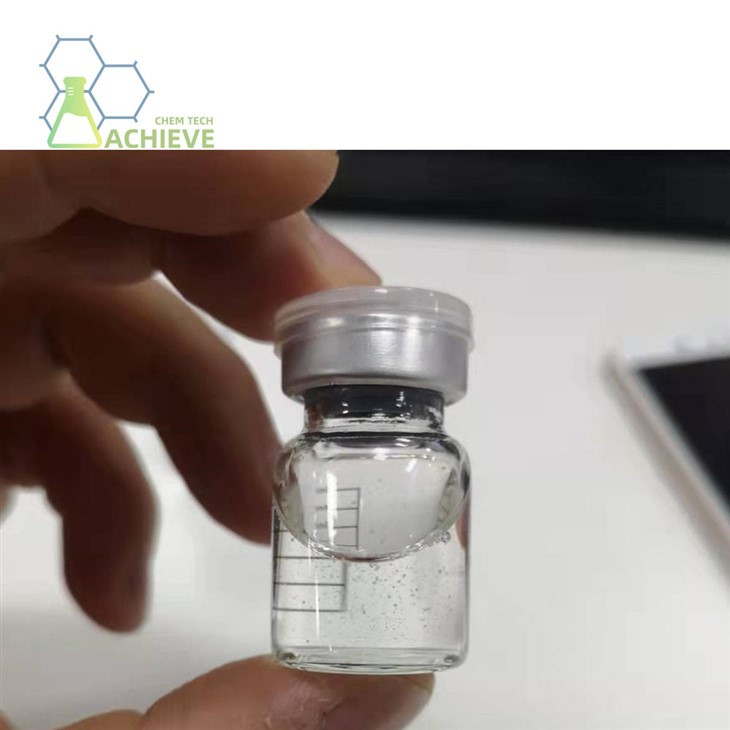
GS-441524 Fip
1.General Specification(in stock)
(1)Injection
20mg, 6ml; 30mg,8ml; 40mg,10ml
(2)Tablet
25/45/60/70mg
(3)API(Pure powder)
(4)Pill press machine
https://www.achievechem.com/pill-press
2.Customization:
We will negotiate individually, OEM/ODM, No brand, for secience researching only.
Internal Code: BM-1-001
GS-441524 CAS 1191237-69-0
Analysis: HPLC, LC-MS, HNMR
Technology support: R&D Dept.-4
We provide GS-441524 fip, please refer to the following website for detailed specifications and product information.
Product:https://www.bloomtechz.com/synthetic-chemical/api-researching-only/gs-441524-fip.html

How Does GS-441524 FIP Influence Immune Response in Cats?
The way that GS-441524 fip works as a medicine goes beyond just stopping viruses. This nucleoside analogue works by stopping viral RNA-dependent RNA polymerase from doing its job. This stops viral replication at its source. Clinical findings have shown that cats that get this treatment see changes in their immune systems during the first part of treatment. Lab tests show that inflammation markers have returned to normal, fluid buildup has decreased, and hunger has returned. All of these things point to a larger immune system recalibration.
For GS-441524 to work, it has to get into infected cells and mess up the machinery for viral replication. The treatment lessens the constant immune stimulation that comes with feline infectious peritonitis by lowering the viral load. Studies have shown that lower levels of pro-inflammatory cytokines are linked to lower levels of viruses. This suggests that stopping viral replication lets the immune system shift its attention from chronic inflammation to tissue repair and maintaining homeostasis.

Systemic Immune Response Modification

Treatment affects more than one immunity system at the same time, in addition to stopping viruses. Veterinary immunologists have seen that cats that are getting treatment have better lymphocyte activity and less abnormal immune response. When immune surveillance is restored, the body can get rid of any remaining virus particles more efficiently while avoiding an overly inflammatory response that hurts organs. This double benefit-controlling viruses and changing the immune system-explains the wide range of clinical changes seen in cats that were treated.
When veterinarians watch cats that have been treated, they notice certain signs that show the immune system is getting better. Some of these are normalised white blood cell numbers, lower serum globulin levels, and better albumin-to-globulin ratios. Temperature stabilisation usually happens in the first few days of treatment, which means that inflammation is less active. The disappearance of effusions in wet-form cases shows that immune-mediated vascular damage is being fixed, allowing the body to return to normal fluid regulation.


GS-441524 FIP and Macrophage Immune Regulation Mechanism
Macrophages are the main cells that the changed coronavirus that causes infectious peritonitis in cats attacks. These immune cells are normally in charge of fighting off pathogens, but after getting infected, they become places where viruses can copy themselves. As a result, the immune system stops working properly, which is a paradox because it makes the illness worse. Figuring out how GS-441524 fip changes the way macrophages act is very important for understanding how treatments work.

The changed virus becomes more specific for monocytes and macrophages, which sets it apart from the harmless intestinal coronavirus. When these cells get infected, they spread the virus all over the body, which is called a systemic infection. When macrophages are infected, they make too many inflammatory chemicals and can't get rid of virus particles properly. This leads to granulomatous inflammation around blood vessels, which is the main sign of the disease. The level of infection and activation of macrophages is directly related to how bad the clinical signs are.
Researchers have found that treating infected macrophages with GS-441524 fip quickly stops the virus from copying itself. Studies on cells show that the chemical can reach amounts that are strong enough to stop the production of viruses even in immune cells. As the amount of viruses drops, macrophages slowly return to their regular immune functions, stopping inflammation from getting worse. When macrophages behave normally again, it marks a turning point in the course of the disease. These cells go from being virus reservoirs to helping the body heal.

Inflammatory Cytokine Modulation

Many inflammatory substances, such as tumour necrosis factor-alpha, interleukin-1, and interleukin-6, are released by infected macrophages. The fever, general malaise, and tissue damage that are typical of the disease are caused by these cytokines. GS-441524 fip treatment is linked to measurable drops in cytokine levels in the blood. Veterinary research has shown that as treatment goes on, cytokine profiles return to normal, which is the same thing that happens with clinical improvement.

What Restores Immune Balance During GS-441524 FIP Treatment?
Getting the immune system back in balance is a complicated process that involves many body systems. Changing from being sick to getting better involves changes in cellular immunity, humoral immunity, and the control of inflammation. There is clinical proof that the success of a treatment depends on both stopping the virus and the body's ability to restore biological balance.
Regulatory T-cells are very important for keeping tolerance and stopping immune reactions that are too strong. When a disease is active, these regulatory groups stop working properly, which makes inflammation worse. The treatment seems to speed up the recovery of regulatory mechanisms, which lets the immune system stop sending out signals that cause inflammation that aren't needed.

Antibody Response Normalization

Hypergammaglobulinemia, which means that antibodies are not being made properly, is a common sign of the illness. Instead of protecting the body, this extra antibody may help immune complexes form and damage tissues. As the GS-441524 fip treatment goes on, globulin levels slowly return to normal, as seen by veterinarians.
This change suggests that the function of B cells is being brought back to normal, so they can make targeted antibodies instead of immunoglobulins without any specific purpose. Long-term immune competence is supported by the restoration of balanced antibody responses.

Bone Marrow Recovery and Cell Production

When someone has a chronic illness, their bone marrow often stops working, which stops the production of all types of blood cells. Anaemia, leukopenia, and thrombocytopenia can make things more difficult in the clinic. The treatment helps the bone marrow heal, and over the course of the treatment weeks, cell numbers slowly return to normal. This haematopoietic restoration makes sure that there are enough immune cells, enough oxygen, and enough clotting function, which are all necessary for full recovery and protection against secondary infections.
Feline Immune System Stabilization via GS-441524 FIP
Stabilising the immune system is the step between handling an emergency and staying healthy. During this process, many organ systems work together to get back to normal physiological parameters. The stabilisation phase is a very important time when continued treatment support makes recovery permanent instead of just temporary.
After treatment starts, different organs take different amounts of time to heal. Normalising liver enzyme levels shows that liver inflammation usually goes away in a few weeks. Longer treatment times may be needed for kidney function, especially when granulomatous tumours have done a lot of damage. Depending on how much the central nervous system is affected, neurological cases have different rates of recovery. Veterinarians can set realistic goals and make the right changes to treatment plans when they know about these organ-specific patterns.
Inflammation caused by disease can lead to catabolic states that break down proteins and mess up the metabolism. As the cat's immune system returns to normal, it starts to eat again and get back to its original body state. In a positive feedback process, nutritional healing helps the immune system get back to normal. Getting enough protein gives your body the amino acids it needs to make antibodies and fix damaged tissues. Immune cells can work at their best when they have access to energy. This normalisation of metabolic processes is an important part of full recovery that is often overlooked.
A successful treatment aims not only to get rid of symptoms but also to boost the immune system so that the person doesn't get sick again. According to follow-up studies, cats that follow the right treatment plans keep their immune systems in good shape for a long time. They respond properly to regular vaccinations and are able to fight off common pathogens that affect cats. This continued immune function shows that treatment works by fixing the underlying pathophysiology instead of just masking the symptoms, promoting real recovery instead of disease management.

GS-441524 FIP and Inflammatory Immune Modulation Process
A big part of the illness and death that comes with feline viral peritonitis is the inflammation that it causes. Granulomatous inflammation hurts blood vessels, causes effusions, and makes it harder for organs to work. For therapy to work, it needs to target this inflammation while still letting the immune system do its job of protecting. The modulation process is a fine mix between stopping dangerous inflammation and keeping the immune system strong.
In clinical cases, effusions and organ damage are caused by inflammation of blood vessels. When someone has pyogranulomatous vasculitis, their blood vessels don't work properly, which lets fluid and protein leak into body cavities. Imaging studies and post-mortem examinations done in research settings have shown that treatment with GS-441524 fip is linked to the resolution of vascular lesions. As the blood vessels heal, effusions go away, and organs get enough blood, which allows them to fully recover. This vascular repair is a measurable endpoint that shows the treatment worked.

Effusion Resolution Mechanisms

In wet-form cases, the most obvious sign of treatment success is the disappearance of the effusion. The buildup of fluid is caused by inflammation, which makes the blood vessels more permeable and blocks the lymphatic system. Vascular barriers return to normal function as the treatment lowers the amount of inflammatory mediators and viruses in the body.
Lymphatic flow gets better, which lets stored fluid leave the body. Cats may be able to reabsorb several hundred millilitres of effusion over the course of treatment weeks, which will make breathing much easier and reduce abdominal distension.

Granuloma Regression and Tissue Healing

Infected macrophages gather in granulomatous lesions, which form nodular inflammatory masses in the organs that are affected. These sores change the normal structure and function of the tissue. Imaging studies show that granulomas slowly go away after treatment is successful. Inflammatory cells are spread out, and normal tissue grows back in places that were damaged. Tissue healing abilities vary from organ to organ. The liver and spleen have amazing regenerative abilities, while nervous tissue has less repair potential.
Conclusion
This intricate relationship between GS-441524 fip therapy and immune system response involves preventing viruses and modifying the immune system. To succeed, virus replication must be reduced and the body's natural healing processes assisted. Both the pathogenic agent and its faulty immune response are treated. This concludes the sickness, not simply managing symptoms.
Both veterinary doctors who treat sick cats and pharmaceutical firms that create excellent drugs must understand these processes. The appropriate treatment approaches boost survival and quality of life, highlighting the need for ready access to high-quality pharmaceutical-grade substances. Doctors will make better judgments and receive better outcomes with more immune system research.
Cats may now be treated for feline infectious peritonitis, a major advance in veterinary medicine. This achievement requires effective antiviral medications, good treatment regimens, and reliable pharmaceutical supply chains that ensure veterinarians always have access to high-quality pharmaceuticals.
FAQ
1. What makes GS-441524 fip effective against feline infectious peritonitis?
+
-
GS-441524 fip is a nucleoside analogue that stops viral RNA-dependent RNA polymerase from working. This is an enzyme that is needed for coronavirus replication. By blocking this enzyme, the compound stops viruses from copying themselves in infected cells. This lowers the number of viruses in the body as a whole. This technique gets rid of the infection directly while giving the immune system a chance to heal from long-term inflammation. Clinical studies show that this method gets significantly higher survival rates compared to standard supportive care approaches.
2. How long does immune system recovery take during treatment?
+
-
Immune parameters get better over time in an expected way, though this can be different for each person. The levels of inflammatory markers in most cats get better within the first two weeks of treatment. Usually, consistent therapy for 8 to 12 weeks is needed to fully restore immune function. In some complex cases, longer protocols are helpful. Veterinarians keep an eye on certain biomarkers, like the number of white blood cells, globulin levels, and acute phase proteins, to see how well the recovery is going and change the length of treatment as needed.
3. Can cats develop resistance to GS-441524 fip treatment?
+
-
There isn't a lot of information in the current medical literature about treatment resistance when the right dosing methods are followed. The chemical works by going after virus enzymes that are very stable and can't easily change without losing their function. Cases of treatment failure typically relate to inadequate dosing, poor drug quality, or extremely advanced disease rather than true viral resistance. Making sure the product is of pharmaceutical-grade quality and following dosing guidelines based on evidence increases the chances of treatment success and lowers the risk of resistance.

Partner with BLOOM TECH for High-Quality GS-441524 FIP Supplier Solutions
BLOOM TECH stands as a reliable GS-441524 fip supplier, providing pharmaceutical-grade substances that are backed by strict quality control and legal compliance. Our GMP-certified production facilities meet international standards, including US-FDA, EU-GMP, and PMDA certifications, ensuring every batch meets stringent purity requirements essential for veterinary therapeutic applications. We have been working with organic synthesis and pharmaceutical intermediates for more than 12 years, and we offer reliable supply chain solutions, full analytical documentation, and technical support to research groups, veterinary pharmaceutical companies, and distributors all over the world. Your research and clinical needs will be met to the highest standard by our commitment to clear pricing, accurate lead times, and one-on-one professional service. Email our sales team at Sales@bloomtechz.com to talk about your specific needs and find out how our high standards for quality and reliable supply can help your veterinary pharmaceutical projects.
References
1. Pedersen NC. An update on feline infectious peritonitis: Diagnostics and therapeutics. The Veterinary Journal. 2014;201(2):133-141.
2. Dickinson PJ, Bannasch M, Thomasy SM, et al. Antiviral treatment using the adenosine nucleoside analogue GS-441524 in cats with clinically diagnosed neurological feline infectious peritonitis. Journal of Veterinary Internal Medicine. 2020;34(4):1587-1593.
3. Murphy BG, Perron M, Murakami E, et al. The nucleoside analog GS-441524 strongly inhibits feline infectious peritonitis virus in tissue culture and experimental cat infection studies. Veterinary Microbiology. 2018;219:226-233.
4. Addie D, Belák S, Boucraut-Baralon C, et al. Feline infectious peritonitis: ABCD guidelines on prevention and management. Journal of Feline Medicine and Surgery. 2009;11(7):594-604.
5. Kipar A, Meli ML. Feline infectious peritonitis: Still an enigma? Veterinary Pathology. 2014;51(2):505-526.
6. Tasker S. Diagnosis of feline infectious peritonitis: Update on evidence supporting available tests. Journal of Feline Medicine and Surgery. 2018;20(3):228-243.