


When it comes to protecting our beloved dogs from parasites, understanding what goes into their medication matters. Pet owners and veterinary professionals alike want to know exactly how these treatments work and why they're effective. Afoxolaner and milbemycin oxime chewable tablets have become a cornerstone in modern parasite management, offering comprehensive protection through a scientifically validated dual-action formula.
These tablets represent years of pharmaceutical research aimed at creating a single solution for both internal and external parasites. Rather than managing fleas, ticks, heartworms, and intestinal worms with separate medications, this combination formula simplifies treatment while maximizing efficacy. The chemistry behind these ingredients reveals fascinating insights into how modern veterinary medicine tackles complex parasitic threats.
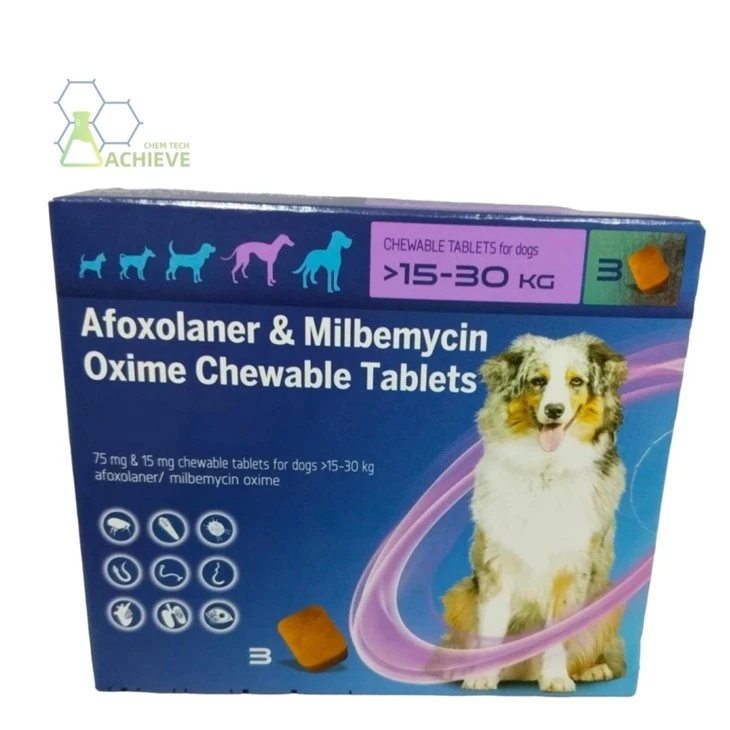
Afoxolaner And Milbemycin Oxime Chewable Tablets
1.General Specification(in stock)
(1)API(Pure powder)
(2)Tablet
9.375+1.875mg:2-3.5kg
18.75+3.75mg:>3.5-7.5kg
37.5+7.5mg:>7.5-15kg
75+15mg:>15-30kg
150+30mg:>30-60kg
(3)Ointment
2.Customization:
We will negotiate individually, OEM/ODM, No brand, for secience researching only.
Internal Code: BM-2-117
Main market: USA, Australia, Brazil, Japan, Germany, Indonesia, UK, New Zealand , Canada etc.
Manufacturer: BLOOM TECH Xi'an Factory
We provide afoxolaner and ailbemycin oxime chewable tablets, please refer to the following website for detailed specifications and product information.
Product link:https://www.bloomtechz.com/oem-odm/tablet/afoxolaner-and-milbemycin-oxime-chewable.html
What Are the Active Ingredients in Afoxolaner and Milbemycin Oxime Chewable Tablets?
The mixture has two different active pharmaceutical ingredients, and each one targets a different weakness in parasites. Because it is an isoxazoline, afoxolaner is a pesticide and acaricide that was especially made to kill fleas and different kinds of ticks. Arthropods' nervous systems are harmed by this chemical, which paralyzes them quickly and kills them within hours of being given it.Milbemycin oxime is the second important part; it works as a macrolide anthelmintic. This ingredient is made up of two molecules that are connected to each other:


milbemycin A3 (which makes up about 20% of the mixture) and milbemycin A4 (which makes up the other 80%). These chemicals work well together to kill internal parasites, especially heartworm eggs and gastrointestinal worms.The molecular structure of afoxolaner has a unique isoxazoline ring that gives this group of compounds their special qualities. The shape lets it bind only to nerve receptors in invertebrates while keeping mammal systems safe. This preference comes from the fact that bug and mammal receptor proteins are different.
This creates a therapeutic window where parasites can be killed without hurting the host animal. The compound is very stable in a dog's digestive system, which makes it easy for the body to absorb after being given by mouth. Pharmacokinetic tests show that afoxolaner reaches its highest levels in the blood within 2 to 4 hours of being given, and an amazing 88% of it is bioavailable. This fast rate of absorption ensures that the right amount of drug gets to all parts of the dog's body where bugs are eating.


The fact that milbemycin oxime has two parts makes it better at killing parasites and changing how drugs work in the body. The A3 and A4 types have slightly different rates of absorption and half-lives for removal. This creates a staggered release pattern that protects longer. Milbemycin A3 reaches its highest level in about an hour or two and stays that way for about 1.6 days.
The A4 part, on the other hand, stays around longer, for about 3.3 days.
This macrolide structure is similar to other well-known antiparasitic drugs, but it has some benefits when it comes to safety and activity range. The molecular weight and lipophilicity of the compound make it easy for it to get into tissues where parasites live. However, the blood-brain barrier in mammals prevents it from getting into the central nervous system, which increases safety.

Afoxolaner and Milbemycin Oxime Ingredients: Understanding Their Roles in Parasite Management
Afoxolaner and milbemycin oxime chewable tablets each have different ingredients that work against different parasites in different ways. Veterinarians can make better choices about what to prescribe when they know about these roles, and pet owners can enjoy the full safety their dogs get from a single monthly dose.

It works by linking to GABA-gated chloride channels in the nerve cells of arthropods to specifically kill ectoparasites. These channels normally manage how nerve signals are sent, which keeps neurons working properly.Afoxolaner blocks the flow of chloride ions when it binds to these spots. This makes nerves fire too quickly, get too excited, and eventually stop working.Fleas don't like this method at all; they start to die 8 hours after the dog eats the tablet.Some tick species, like those that carry Lyme disease and other diseases that ticks spread, die in 48 hours.Many germs need a lot of time to grow before they can spread.
So the faster the kill time, is very important for keeping diseases away.Getting rid of ticks quickly with afoxolaner makes it much less likely that diseases will spread.Tests in the field have shown that afoxolaner works well against a number of tick species that live in different parts of the world.The substance stays at appropriate levels for one month after a single dose. This is why giving it once a month protects against harm all the time. As long as the dog keeps taking the drug, its body will still be able to kill any new bugs that come in.


Milbemycin oxime targets glutamate-gated chloride channels in invertebrate muscle and nerve cells. Milbemycin molecules increase chloride ion permeability in these channels. Cell hyperpolarization increases. This electrical disruption inhibits muscle contraction and nerve signaling. This paralyzes and kills weak worms.The chemical kills heartworm larvae (Dirofilaria immitis) in their L3 and L4 stages, preventing them from developing adult worms that cause serious heart and lung disorders.
The drug destroys heartworms gathered up in the preceding month when administered monthly.Milbemycin oxime kills intestinal nematodes such as hookworms, roundworms, and whipworms. These bugs may cause bowel problems, deplete nutrition, and cause deadly anemia in young or ill dogs. Regular milbemycin deworming reduces parasite eggs and ends transmission in multi-dog households.


It is both useful and helpful to combine these two active ingredients into a single edible pill. Pet owners are more likely to follow through when they only have to give their pets one product once a month instead of several. The ease of use leads to better protection, since missed doses are the main reason why parasite prevention doesn't work.From a pharmaceutical point of view, the combination takes into account the fact that
dogs are exposed to different types of parasites at the same time. A dog could be exposed to fleas from animals, ticks on plants, and dirty soil that has hookworm eggs that can affect other animals in just one walk through a park. The dual-action formula protects against both of these threats at the same time, without the need for two separate items or different times for administration.

How Do Afoxolaner and Milbemycin Oxime Work Together in Pet Health Protection?
When afoxolaner and milbemycin oxime work together, they make a full defense system against parasites. Each combination works against a different type of parasite, but when all of them are mixed together, they protect against all of the major parasites that dogs face.

It reduces flea bites and tick attachment discomfort immediately since afoxolaner acts swiftly on external parasites. Dogs often get flea allergy dermatitis from flea saliva proteins. After the dog's fleas are gone, the symptoms disappear within days. This quick comfort improves life and prevents skin disorders from scratching.
Milbemycin oxime kills parasites that may not exhibit symptoms but cause harm over time. Heartworm infections develop slowly for months before symptoms appear.
A dog's heart and lungs are damaged before it coughs, can't exercise, or loses weight. Prevention inhibits this development by destroying larvae before illness. The varied metabolic characteristics of these substances allow them to span more time periods. Afoxolaner has a two-week half-life, so high levels linger in the body long after the previous dosage, controlling ectoparasites. Two portions of milbemycin oxime are removed separately. Both ingredients provide overlapping waves of anthelmintic action that keep you secure all month.


Both active substances in afoxolaner and milbemycin oxime chewable tablets are safe for dogs since they selectively target invertebrate nervous systems. Afoxolaner has minimal affinity for mammalian GABA receptor subtypes because their structure differs from arthropod GABA receptors. Therapeutic dosages that kill bugs vary greatly from those that harm dogs due to this sensitivity. Milbemycin oxime doesn't penetrate dogs' brains with normal P-glycoproteins, making it harmless. This protein aggressively expels macrolide compounds from the CNS.
They don't build up where they may harm animals' brains. Although most dogs can accept standard dosages, those with MDR1 gene mutations that prevent P-glycoprotein from working require special care.
Clinical safety examinations with tens of thousands of dogs of various breeds have confirmed this blend is safe. Bad effects mainly include weak, short-lived gastrointestinal issues, including loose stools or vomiting. Using products as indicated on the label seldom causes serious negative effects.

The Function of Afoxolaner and Milbemycin Oxime in Flea, Tick, and Worm Control

It's easier to see how useful these ingredients are in veterinary medicine when you know how they work at the molecular level and at the population level to control parasites. The biological activity leads to observable results, including fewer parasites, less disease spread, and better animal health.Adult female fleas deposit 50 eggs every day in the dog's surroundings to reproduce. The larvae and pupae of these eggs become adult fleas, hunting for a host. Without adulticides like afoxolaner, flea populations expand fast, making epidemics difficult to manage.
Afoxolaner kills adult fleas before they can lay eggs. Even if fleas survive long enough to feed on dogs treated with afoxolaner, they produce few to no viable eggs.The combination of killing adult fleas and halting their reproduction greatly reduces the population. Flea death speed affects pet health and comfort. Fleas feed within minutes after settling on a dog, causing extreme itching. Rapid removal reduces feeding time, reducing the danger of allergic responses and the spread of


flea-borne infections such as Bartonella species and flea tapeworms. When they feed on blood, ticks carry bacteria, protozoa, and rickettsial pathogens, making them deadly.
Diseases may infect humans at various periods. Some infect within hours, while others take 24–48 hours.Afoxolaner kills ticks in 48 hours, stopping the transmission of several illnesses.Regular usage of afoxolaner in tick-borne illness areas has large benefits.
In Lyme disease-endemic areas, frequent isoxazoline treatments reduce seroconversion in dogs. This indicates real-world illness prevention, not only tick killing in controlled research. Afoxolaner works on several medically significant tick species, unlike other acaricides. If your dog is exposed to Ixodes ticks, which transmit Lyme disease, Dermacentor species, which carry Rocky Mountain spotted fever, or Amblyomma ticks,which carry ehrlichiosis, monthly medication will protect them.


Gut worms are different from ectoparasites in terms of complications. Dogs receive these worms via infective eggs or larvae in the environment, frequently where other dogs defecate. Puppy deworming should begin early and regularly since mother's milk may transmit roundworms and hookworms.
Milbemycin oxime kills adult gut parasites before they can produce harmful eggs, making it an anthelmintic. This procedure reduces the chance of transferring the sickness to other dogs and humans,
as certain intestinal parasites in dogs produce illness. Hookworm larvae may penetrate skin and create itchy, windy cutaneous larva migrans.The monthly treatment protects you from parasites and destroys new ones before they can proliferate.This strategy is better than deworming every several weeks, which enables parasite populations to develop. In dog-heavy regions, consistent milbemycin oxime use may reduce parasites.

Afoxolaner and Milbemycin Oxime Chewable Tablets: Exploring the Science Behind Combination Formulas
Today's pharmaceutical research tries to make drugs as effective as possible while keeping them as simple as possible for end users. Combination formulas like afoxolaner and milbemycin oxime chewable tablets are complex answers based on a lot of study into how drugs work together, how stable they are, and how good they taste.

Pharmaceutical Formulation Considerations
To develop a stable mixed product, the active ingredients must not react chemically when kept. Afoxolaner and milbemycin oxime are chemically compatible; their potencies will remain unchanged if kept and produced properly. Stability testing at various temperatures and humidity levels demonstrates that the tablets will remain effective until their expiry date.
Making the concoction taste delicious is another formulation difficulty.
The dog must desire to consume the medicine for therapy to work. Formulation scientists develop dog-friendly flavorings that maintain stability. Many dogs joyfully accept these pills as treats, which is far better than forcing them down or hiding them in food.
Scored tablets, tablet size relative to dog weight ranges, and tablet feel determine how effectively they operate. Different dosage strengths allow toy breeds from a few kilograms to large breeds weighing over 60 kilograms to get the proper amount. This dosage option prevents overdosing and ensures the proper quantity of medicine is utilized.


Pharmacokinetic Interactions and Things to Think About
Pharmaceutical companies must consider pharmacological interactions when mixing active substances. Does the presence of chemicals affect absorption, distribution, breakdown, or elimination? Researchers identified no clinically relevant interactions between afoxolaner and milbemycin oxime.
Both substances break down in the liver, but they don't compete for enzyme systems that would affect their elimination rate.
When taken jointly, afoxolaner's long-lasting effects and milbemycin oxime's two-component clearance profile are preserved by this distinct metabolism.
Consider if milbemycin oxime is a P-glycoprotein substrate. Milbemycin with P-glycoprotein inhibitors may increase medication levels and adverse effects. Veterinarians consider these interactions when prescribing medications to dogs on other drugs. Clinically significant interactions are rare with frequent usage.


Clinical Efficacy Studies and Real-World Performance
Combination parasite control treatments must be tested extensively to get regulatory approval. Controlled testing demonstrates that each item works as advertised when used together. Field trials suggest that the combined product controls heartworms, intestinal worms, and fleas and ticks.
Long-term safety experiments that gave the medicine year-round for many years demonstrated that
dogs can withstand repeated monthly dosages without tolerance or cumulative toxicity. This long-term safety profile supports year-round usage, particularly in areas where parasites are active year-round or mosquitoes disseminate heartworm disease.
Post-market monitoring checks a product's safety and efficacy after official approval. Veterinary experts inform authorities and manufacturers of potential accidents, aiding safety evaluations. After their first release, these combination medications have been shown to have a favorable benefit-risk balance in several dog populations.

Conclusion
The active ingredients in afoxolaner and milbemycin oxime chewable tablets are big steps forward in the fields of parasitology and pharmaceutical chemistry. Milbemycin oxime's ability to kill worms through glutamate channel effects and afoxolaner's ability to kill ectoparasites through GABA receptor inhibition work together to protect dogs from all of the major parasite threats they face. Knowing how these processes work helps vets and pet owners understand how a single product, given once a month, can safely and effectively get rid of so many different parasites.
From molecular pharmacology to clinical effectiveness studies to years of use in the real world, the science behind this mix is strong. This body of evidence shows that mixing these two active ingredients has useful benefits without hurting the safety or effectiveness of either one. As long as parasitic diseases affect pets all over the world, formulations that use these well-studied chemicals offer safe ways to keep animals healthy and lower the chance of zoonotic illnesses.
FAQ
1. What is the difference between afoxolaner and milbemycin oxime in these tablets?
Milbemycin oxime kills heartworms and gut worms by activating glutamate channels. Afoxolaner kills fleas and ticks by blocking GABA receptors, which are involved in the ectoparasiticide action. Because these mechanisms work in different ways, a single tablet can kill both external and internal parasites at the same time. This makes treatment easier and more effective.
2.How soon after being given do afoxolaner and milbemycin oxime start to work?
Afoxolaner reaches its highest amount in the blood in two to four hours. It starts killing fleas eight hours later and all ticks within 48 hours. Milbemycin oxime reaches its highest concentration in one to two hours and starts to kill worms right away. However, it may take a few days to completely get rid of the parasites because the compounds mess with their bodies. During the monthly dosing gap, therapeutic amounts of both ingredients stay the same.
3.Are there types of dogs that should not take afoxolaner and milbemycin oxime tablets?
Milbemycin oxime may be more harmful to dogs with MDR1 gene defects. This is especially true for Collie breeds and similar herding dogs. This is because P-glycoprotein function is impaired, which weakens the blood-brain barrier. Before using it on breeds that are likely to be affected, a vet should be consulted, and DNA tests may be done. Also, puppies younger than 8 weeks or lighter than 2 kilograms shouldn't get these products because there isn't enough safety information for these groups yet.
Partner with BLOOM TECH for Premium Afoxolaner and Milbemycin Oxime Chewable Tablets
Looking for a trustworthy company that sells afoxolaner and milbemycin oxime chewable tablets? With more than 15 years of experience in the pharmaceutical industry, BLOOM TECH is the company you can trust to help you make things. Our 100,000-square-meter GMP-certified facilities meet legal standards in the US, EU, and Japan, so every batch is of pharmaceutical-grade quality. We provide qualified pharmaceutical companies around the world with a wide range of products, from pure API powder to finished tablets in a range of dosage strengths. Our quality assurance includes three levels of checks: testing in the factory, analysis by a specialized QA/QC department, and certification by a third party.
If any of our goods don't meet standards, we promise a full refund of your payment. In addition to reasonable prices and clear profit margins, we offer full paperwork for easy customs clearance and dependable delivery schedules that can be tracked through our ERP platform. BLOOM TECH gives you the high-quality pharmaceuticals and quick service you deserve, whether you need bulk API, custom formulations, or white-label finished goods for study uses. Get in touch with our team right away at Sales@bloomtechz.com to talk about your specific needs and find out how our technical knowledge and dedication to quality can help your business grow.
References
Shoop, W.L., Hartline, E.J., Gould, B.R., Waddell, M.E., McDowell, R.G., Kinney, J.B., et al. (2014). Discovery and Mode of Action of Afoxolaner, a New Isoxazoline Parasiticide for Dogs. Veterinary Parasitology, 201(3-4), 179-189.
Prichard, R., Ménez, C., & Lespine, A. (2012). Moxidectin and the Avermectins: Consanguinity but not Identity. International Journal for Parasitology: Drugs and Drug Resistance, 2, 134-153.
Snyder, D.E., Wiseman, S., Cruthers, L.R., & Slone, R.L. (2011). Comparative Efficacy of Oral Formulations of Milbemycin Oxime and Afoxolaner Against Naturally Acquired Hookworm and Roundworm Infections in Dogs. Veterinary Parasitology, 191(3-4), 383-387.
Lebon, W., Beccati, M., Bourdeau, P., Brement, T., Bruet, V., Cekiera, A., et al. (2019). Efficacy of Oral Afoxolaner and Milbemycin Oxime Chewable Tablets in Dogs with Clinical Signs Associated with Ear Mite Infestation. Veterinary Dermatology, 30(6), 479-e146.
Beugnet, F., & Halos, L. (2015). Larval Development and Survival of Fleas from Dogs Treated with Afoxolaner at Monthly Intervals. Parasites & Vectors, 8, Article 345.
Cavalleri, D., Murphy, M., Gorbea, R.L., Seewald, W., Drake, J., & Nanchen, S. (2017). Safety and Efficacy of Afoxolaner and Milbemycin Oxime in Dogs: Assessment of Long-Term Use in Field Studies. Veterinary Parasitology: Regional Studies and Reports, 10, 50-58.