


Feline Infectious Peritonitis has been known for a long time to be one of the worst conditions in veterinary medicine. When cat owners heard this news, they often felt sadness because traditional treatments didn't give much more than comfort. The GS-441524 fip treatment has completely changed this situation, giving people real hope where there was once hopelessness. This change isn't just a new drug; it's a big shift in how vets and drug companies deal with this problem that used to kill animals.To understand what makes GS-441524 fip different from other treatment plans, we need to look at both the science behind the substance and the results seen in real-life clinical settings. It is very different from earlier methods, which only treated symptoms, because this antiviral drug directly stops the replication of viruses. The medical community has changed what is expected of them after seeing a cat get worse despite their best efforts and then actually getting better.The way people talk about treating cats for coronavirus has changed a lot. A few years ago, it would have been impossible for veterinarians to talk about remission rates, dose methods, and quality standards when it comes to echinology. Pharmaceutical intermediates and active ingredients like GS-441524 fip are no longer just research tools; they are now important parts of modern cat medicine. This change is due to bigger steps forward in antiviral research and providers' promises to provide research-grade chemicals that meet strict quality standards.
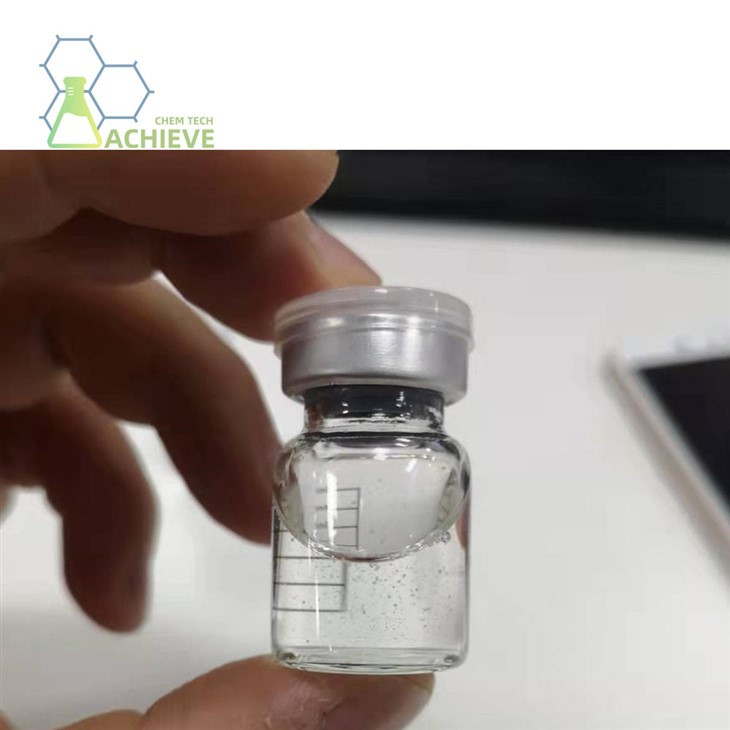
GS-441524 FIP
1.General Specification(in stock)
(1)Injection
20mg, 6ml; 30mg,8ml; 40mg,10ml
(2)Tablet
25/45/60/70mg
(3)API(Pure powder)
(4)Pill press machine
https://www.achievechem.com/pill-press
2.Customization:
We will negotiate individually, OEM/ODM, No brand, for secience researching only.
Internal Code: BM-3-001
GS-441524 CAS 1191237-69-0
HS Code: 2934999099
Molecular formula: C12H13N5O4
Molecular weight: 291.26
EINECS: 200-001-8
MDL No .: MFCD32666994
Analysis: HPLC, LC-MS, HNMR
Technology support: R&D Dept.-4
We provide GS-441524 fip, please refer to the following website for detailed specifications and product information.
Product:https://www.bloomtechz.com/synthetic-chemical/api-researching-only/gs-441524-fip.html

How GS-441524 FIP Differs from Older Feline Coronavirus Treatments
In the past, treating feline coronavirus cases mostly involved relieving the symptoms instead of stopping the virus from replicating. Corticosteroids were given to reduce inflammation, antibiotics were given to stop secondary illnesses, and fluid treatment was used to keep the animal hydrated. These actions brought brief comfort but did not stop the disease from getting worse. No matter what was done to help, cats' health usually got worse over time, and their life was measured in weeks instead of months.

The Limitations of Immunosuppressive Protocols
Earlier treatment strategies often involved immunosuppressive medications based on the theory that FIP resulted primarily from an excessive immune response. Prednisolone and other corticosteroids were administered to dampen inflammation within affected organs. While this approach occasionally extended survival time, it created a problematic paradox. Suppressing immune function in the presence of active viral replication often accelerated disease progression. Cats might experience brief symptom improvement followed by rapid deterioration as viral loads increased unchecked.Since these programs didn't directly fight viruses, they focused on effects instead of causes. Even though veterinarians tried their best, they saw fluid build up in body spaces, neurological signs, and organ failure. The hopelessness that therapists felt and the pain that cat owners were going through made it clear how badly we need chemicals that can actually stop viruses from working.
Direct Antiviral Mechanism of GS-441524
The GS-441524 fip method works in a completely different way. This nucleotide analog acts like adenosine, which is an RNA building block. The feline coronavirus uses GS-441524 fip instead of natural adenosine when it tries to copy its genetic material. By making this change, the multiplication process stops, which means the virus can't make any more infected particles.The uniqueness of this process is a huge step forward from immune suppression that affects everyone. GS-441524 fip doesn't weaken the body's defenses in a general way; instead, it targets the virus polymerase enzyme that makes RNA. This accuracy lets the cat's immune system work normally while the compound gradually lowers the number of viruses that the cat is exposed to. Clinical findings show that cats treated with properly made GS-441524 fip often get better within days, which was not possible with older methods.


Quality Standards in Active Pharmaceutical Ingredients
How well an antiviral chemical works depends a lot on how pure and consistent it is. Research-grade GS-441524 fip has to meet strict requirements, usually calling for purity levels of 98% or higher. Impurities or breakdown products can make something less effective and could even be dangerous. Suppliers who keep their production sites GMP-certified use a wide range of quality control methods, such as HPLC analysis, mass spectrometry proof, and batch-to-batch consistency testing.The pharmaceutical intermediates that are used to make GS-441524 fip must also meet very strict requirements. There are several reaction steps in the organic synthesis process, and each one needs careful monitoring of the conditions and thorough cleaning. Businesses with a lot of experience making fine chemicals know that quality starts at the molecular level. Each starting material, each reagent, and each step in the processing all add to the healing potential of the finished result.

Why GS-441524 FIP Offers a More Targeted Antiviral Approach
The fact that GS-441524 fip only works on certain viruses shows how different viral and human enzymes are. Feline coronavirus polymerase has molecular features that make it very easy for nucleoside analogs to stop working. Mammalian polymerases, which do similar jobs in healthy cells, are not as interested in the chemical. This selection window lets therapeutic doses stop the replication of viruses while having the least amount of impact on normal cell functions.
Viral Polymerase Inhibition Explained
RNA viruses like the feline coronavirus use polymerase enzymes to replicate by copying their RNA. GS-441524 fip works by mimicking natural nucleotides, getting converted to its active triphosphate form inside affected cells. This molecule is incorporated into the viral RNA chain, halting its elongation and rendering the virus unable to replicate. Importantly, mammalian polymerases can distinguish between natural nucleotides and the mimic, so GS-441524 fip targets only the virus, preventing widespread toxicity while blocking viral replication.
Pharmacokinetic Advantages Over Symptomatic Treatments
Corticosteroids and traditional supportive treatments affect multiple organ systems and require careful management to balance benefits and side effects. While they alleviate symptoms, they don't reduce viral loads, allowing the disease to progress. In contrast, GS-441524 fip is absorbed efficiently, targeting affected areas like the peritoneum, liver, kidneys, and CNS. Its pharmacokinetic profile allows for once-daily dosing, providing consistent antiviral effects. This direct link between dosage and therapeutic outcome offers a more logical and effective treatment compared to symptom management alone.
Resistance Considerations and Long-Term Efficacy
Any talk about how antivirals work has to include the chance that tolerance will develop. RNA viruses change a lot, and sometimes this makes new versions of them less sensitive to certain inhibitors. Like other RNA viruses, the feline coronavirus doesn't have very good ways to check for mistakes, so it changes quite often. This makes me wonder if long-term exposure to GS-441524 fip might make virus types more immune.Based on what we know now, resistance is still pretty rare when treatment plans are followed correctly. This worry is lessened by the fact that there is a high genetic barrier to resistance, which means that multiple changes would have to happen at the same time to greatly lower vulnerability. Also, the strong reduction of viruses that comes from the right dose makes it less likely for resistant versions to appear and spread.Good drug providers know that constant compound purity and effectiveness have a direct effect on resistance development. When material is broken down or not pure, it creates subtherapeutic amounts that favor hardy strains through selection pressure. Keeping high standards for cleanliness and storing things in the right way keeps their full antiviral activity, which increases the chance of getting rid of all viruses. This link between supply chain quality and clinical results shows how important it is to work with chemical providers who have a lot of experience.

GS-441524 FIP Compared to Conventional Supportive Care Methods
When you look at real clinical results, you can see how antiviral treatment with GS-441524 fip is different from traditional palliative methods. Even though supportive care guidelines were kind, they rarely helped people live longer than a few months. Cats that only got care for their symptoms got worse over time, losing weight, gaining fluid, having organs stop working, and eventually dying. The attention stayed on keeping people comfortable even though things were going to get worse.
Survival Outcomes and Quality of Life
Veterinary records and clinical findings show that cats treated with GS-441524 fip have very different outcomes than cats who only received supportive care. In some case series, remission rates of more than 80% have been recorded, with cats going back to regular activities, gaining back the weight they lost, and no longer showing any clinical signs. Neurological signs that used to mean the patient had a terminal illness often get better or go away completely with long-term antiviral treatment.
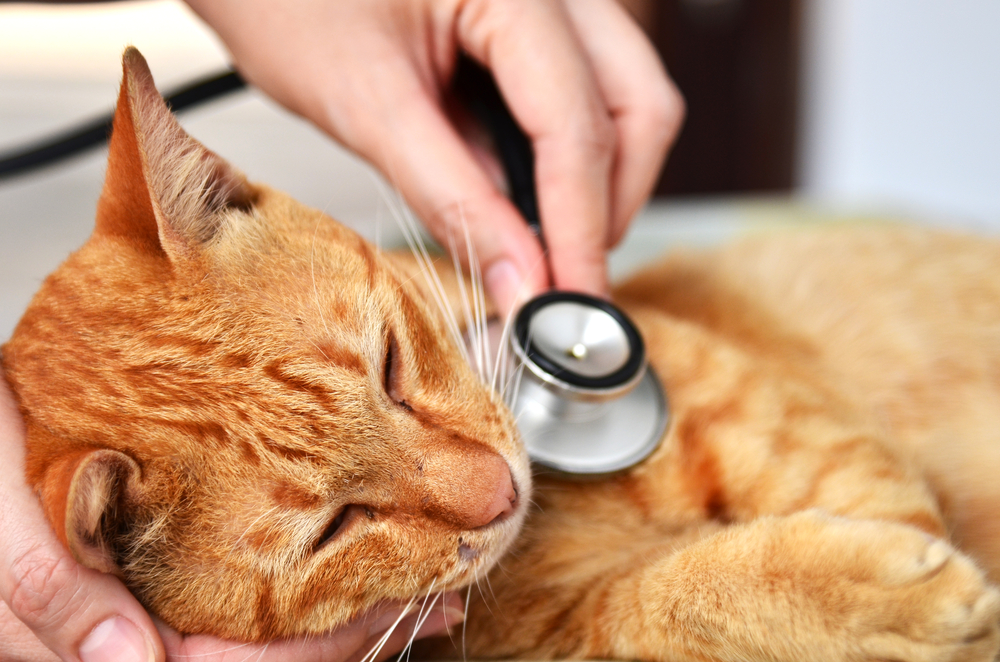

The gains in quality of life go beyond just measures of living. Cats get their hunger, fun, and social interaction back, which they lost while they were sick. Owners say that their pets' traits go back to how they were before they got sick, instead of being in weakened states. Even though these general findings are harder to measure than survival rates, they show the main difference between treating symptoms and fixing the underlying causes of disease.
Cost-Effectiveness and Resource Utilization
Cost is a key factor in treatment choices, especially for long-term therapies. While supportive care is cheaper per day, it involves more vet visits and tests, offering limited life extension. GS-441524 fip, though initially more expensive, offers the potential for a cure. With a treatment period of at least 12 weeks, its long-term value is clear. Consistent access to high-quality pharmaceutical-grade ingredients is essential for successful treatment, making reliable supplier relationships crucial for veterinary practices and improving client satisfaction with recovery prospects.

Integration with Modern Veterinary Practice

The fact that effective antiviral compounds are now available has changed how veterinarian services diagnose FIP. In the past, thorough medical tests sometimes seemed pointless because there were no treatments available. Getting a definitive diagnosis needed invasive treatments that didn't change how the patient was being treated very much. The fact that there is a cure for GS-441524 fip supports a full diagnosis, since correct identification allows for focused therapy.
Veterinary practices today include early spotting techniques because doctors know that the stage of the disease at the start of treatment affects how well it works. Veterinarians keep a closer eye on cats that are more likely to get sick and quickly get a diagnosis when they have a clinical suspicion. This proactive method is very different from the watchful watching that was common in the past when there weren't many ways to help.


Adding GS-441524 fip to veterinary formularies needs teaching about the right way to give it, how to keep an eye on it, and what results are realistically expected. Veterinarians need to know how to figure out the right dose for each animal based on its weight and the type of disease it has. They also need to be able to spot signs that the treatment is working and spot rare side effects. When paired with access to reliable pharmaceutical supplies, this knowledge base makes it possible for patients to have the best results possible.

What Makes GS-441524 FIP a New Standard in FIP Management
Any medicine can't be called a "new standard" until it has been shown to be better in a number of areas, such as effectiveness, safety, accessibility, and repeatability. These requirements are met by GS-441524 fip, which has good clinical results, a good safety profile when made correctly, and more and more access through specialized providers. The substance has moved from being an experiment to being the standard against which all future FIP treatments will be judged.
Evidence-Based Medicine and Clinical Validation
It has taken an unusual path for clinical data to back GS-441524 fip's effectiveness to build up. Initial use happened outside of normal drug development routes, thanks to desperate cat owners and caring vets. Observational data from this mass acceptance showed that it worked amazingly well. Later, more official studies confirmed the results by showing response rates and safety profiles for bigger groups of people.
The compound's therapeutic value is supported by the fact that it consistently produces good results in a wide range of clinical situations, including different geographic areas, veterinary practices, and cats with a variety of diseases. Response patterns are very easy to predict when high-purity material is used in the right amount.
This ability to be repeated sets real therapy breakthroughs apart from anecdotal ones.Veterinary medicine is moving more and more toward evidence-based practice, which means that treatment suggestions need to be backed up by strong data. More and more case series, retrospective analyses, and prospective studies are being released, which makes it safe to prescribe GS-441524 fip.
Instead of vague hope, practitioners can give cat owners advice based on data-supported expectations. This changes the way people talk about FIP diagnosis in a basic way.
Manufacturing Standards and Supply Chain Reliability
Manufacturing high-quality GS-441524 fip requires advanced organic chemistry, strict quality control, and adherence to regulations. GMP-certified facilities ensure consistency, stability, and complete documentation. Key factors like reaction temperatures and filtration methods must be controlled to prevent impurities.
Each batch is tested using HPLC and mass spectrometry. Reliable supply chains also ensure proper storage, shipping, and distribution, with cold-chain transport and effective inventory management. Experienced suppliers know the necessary conditions to maintain the compound's efficacy from production to delivery.
Regulatory Landscape and Access Considerations
The regulatory status of GS-441524 fip varies by region, with some areas allowing prescription use and others imposing restrictions. This is due to the compound's complex history and evolving veterinary drug regulations. Despite this, access is expanding as more therapeutic evidence emerges.
Veterinarians require compliant, well-documented sources, including certificates of analysis and purity standards. As official approval processes progress, pharmaceutical companies are contributing to safety studies and trials, while specialized suppliers continue providing research-grade materials to meet immediate needs.

Key Improvements Introduced by GS-441524 FIP in Veterinary Practice
Antiviral drugs that work have had a big impact on veterinary medicine, changing how diagnoses are made, how clients talk to doctors, and how much the business makes. These improvements go beyond how well a single patient does; they also change how the field deals with conditions that couldn't be treated before. For example, the GS-441524 fip experience shows how to use new medicines in animal care.
Diagnostic Precision and Early Intervention
With clearer treatments available, veterinarians now make more accurate diagnoses using advanced methods like RT-PCR, immunohistochemistry, and protein analysis. Early diagnosis is linked to better treatment outcomes, with cats diagnosed before organ damage having higher success rates. This has led to proactive screening of high-risk cats and faster identification of clinical signs. The focus on early detection is also driving research into biomarkers for predicting illness, which could lead to preventive measures, highlighting how new therapies improve diagnosis and care.
Client Education and Informed Decision-Making

Veterinarians now have detailed conversations with cat owners about treatment options, expected outcomes, and the effort required. These discussions balance hope and honesty, emphasizing the high success rate but also the commitment needed. Informed consent has evolved to include treatment duration, tracking, and costs. Educational materials help owners understand viruses, antiviral drugs, and the importance of quality. Veterinarians stress that not all GS-441524 is the same, highlighting the impact of purity on results. Setting realistic expectations is crucial, as treatment responses can vary.
Professional Collaboration and Knowledge Sharing
The GS-441524 FIP experience has fostered unprecedented collaboration in veterinary medicine. Online groups, professional networks, and casual meetings enable practitioners to share dosing methods, monitoring strategies, and case results, accelerating learning and improving patient care. Academic veterinary schools have partnered with clinicians, conducting studies and supporting scientific research, benefiting both groups.

Suppliers of pharmaceutical chemicals and active ingredients ensure the availability and quality of materials, contributing to the treatment's success.GS-441524's development from an experimental drug to a standard treatment highlights the importance of collaboration between researchers, veterinarians, and suppliers.This bottom-up approach led to a medication now backed by extensive observational data and growing controlled studies.
Moving forward, the reliability of high-purity GS-441524 will be critical, with veterinary practices depending on suppliers for consistent material quality.The GS-441524 story underscores the broader lesson that scientific progress alone isn't enough-quality manufacturing, control, and efficient distribution are essential. This collaboration between researchers, veterinary professionals, and suppliers offers hope, turning what once was a fatal diagnosis into a manageable condition.

Conclusion
GS-441524 fip's antiviral efficacy is one of veterinary medicine's biggest advancements. The contrast between modern capabilities and therapeutic nihilism of the past is glaring. Cat owners with FIP are being told about remission rather than deterioration. Veterinarians treat, not just soothe. This change is due to antiviral compound discovery advancement and quality-focused vendors providing research-grade ingredients. From experimental chemical to rising standard shows how unexpected paths may lead to innovation. Adoption by needy cat owners and caring vets produced clinical data that led to official studies. While unique in pharmaceutical research, this bottom-up approach yielded a medication backed by large observational data and more controlled trials. Improved future performance relies on availability to high-purity GS-441524 made to quality standards. Veterinary practises need trusted suppliers for consistent material performance. The link between chemical purity, medicinal effectiveness, and patient outcomes makes sourcing selections crucial. Research-grade material providers will be crucial as regulatory frameworks change and official approvals may occur. The GS-441524 narrative highlights veterinary and human medical ideas. Effective therapies need scientific discovery, skilled manufacture, quality assurance, and dependable delivery. Pharmaceutical intermediates and active components are more than just chemicals; they provide hope to individuals with catastrophic diagnoses. Together, researchers, physicians, and specialized vendors build ecosystems where therapeutic advancements save lives.
FAQ
1. What advantages does GS-441524 FIP treatment offer compared to traditional supportive care?
GS-441524 fip directly fights viruses by stopping them from copying themselves. This gets rid of the disease's cause instead of just treating the symptoms. Traditional supporting care, which included antibiotics and fluid treatment, only helped with symptoms for a short time as the disease got worse. Clinical findings show that cats treated with high-purity GS-441524 fip often get better and can return to their normal lives and activities. In a big way, this changes the outlook for a disease that used to be fatal by switching from palliative care to medicine that might cure it.
2. How important is GS-441524 purity for treatment effectiveness?
It is directly related to both effectiveness and safety. For research-grade GS-441524 fip to consistently work as a medicine, its quality must be at least 98%. Impurities can make antivirals less effective, require higher doses that could be unsafe, or cause differences between batches that affect how well treatment works. Quality assurance is needed for the best clinical results, and suppliers who keep their production sites GMP-certified and do thorough analytical testing can provide it. Because of the link between chemical purity and treatment success, veterinary offices must carefully choose their suppliers.
3. Why has GS-441524 become the new standard for FIP management?
The compound has been shown to work consistently in a number of different clinical situations, with remission rates often reaching 80% when the right amount is used. Unlike earlier methods that only slowed down the inevitable decline, GS-441524 fip has the ability to actually cure by stopping the replication of viruses. It has become the standard treatment thanks to a growing amount of clinical data, a good safety profile, and easier access through specialized pharmaceutical suppliers. Veterinarians now compare the results of other possible treatments for this condition to GS-441524 fip results, which shows that it is the standard treatment for this condition.
Partner with BLOOM TECH-Your Trusted GS-441524 FIP Supplier
When veterinary professionals, research institutions, or pharmaceutical businesses need research-grade GS-441524 fip supplier materials, BLOOM TECH is ready to help. We have been working with organic synthesis and pharmaceutical intermediates for more than 12 years and have GMP-certified production facilities that have been through strict reviews by the CFDA, US-FDA, PMDA, and BGV-Hamburg. Our quality control method has three levels: testing in the factory, review by our QA/QC department, and proof by a third party. This makes sure that every batch meets our strict purity standards of 98% or higher.We know that getting high-quality active medicinal chemicals on a regular basis is important for therapeutic success. Our wide range of testing services, such as HPLC and mass spectrometry proof, give professional users the reports and certificates of analysis they need. When you need custom synthesis for study purposes, bulk manufacturing for business distribution, or reliable supply chain support for veterinary practices, our technical team can help you with all of your needs. We offer one-stop service with clear pricing and accurate lead times recorded in our ERP platform.As qualified providers to many pharmaceutical and biotechnology businesses around the world, we know how important it is to follow regulations, make sure batches are consistent, and have a reliable supply chain. Our skilled research and development team and well-established transportation systems make sure that your GS-441524 fip needs are met with the quality, paperwork, and service that therapeutic uses need. Please email our team at Sales@bloomtechz.com to talk about your particular needs and see how professional chemical supply knowledge can help advance veterinary care and pharmaceutical research.
References
1. Pedersen NC, Perron M, Bannasch M, Montgomery E, Murakami E, Liepnieks M, Liu H. Efficacy and safety of the nucleoside analog GS-441524 for treatment of cats with naturally occurring feline infectious peritonitis. Journal of Feline Medicine and Surgery. 2019;21(4):271-281.
2. Murphy BG, Perron M, Murakami E, Bauer K, Park Y, Eckstrand C, Liepnieks M, Pedersen NC. The nucleoside analog GS-441524 strongly inhibits feline infectious peritonitis virus in tissue culture and experimental cat infection studies. Veterinary Microbiology. 2018;219:226-233.
3. Jones S, Novicoff W, Nadeau J, Evans S. Unlicensed GS-441524-like antiviral therapy can be effective for at-home treatment of feline infectious peritonitis. Animals. 2021;11(8):2257.
4. Dickinson PJ, Bannasch M, Thomasy SM, Murthy VD, Vernau KM, Liepnieks M, Montgomery E, Knickelbein KE, Murphy B, Pedersen NC. Antiviral treatment using the adenosine nucleoside analogue GS-441524 in cats with clinically diagnosed neurological feline infectious peritonitis. Journal of Veterinary Internal Medicine. 2020;34(4):1587-1593.
5. Krentz D, Zenger K, Alberer M, Felten S, Bergmann M, Dorsch R, Matiasek K, Fischer A, Kolberg L, Hofmann-Lehmann R, Meli ML, Straubinger RK, Hartmann K. Curing cats with feline infectious peritonitis with an oral multi-component drug containing GS-441524. Viruses. 2021;13(11):2228.
6. Addie DD, Covell-Ritchie J, Jarrett O, Kennedy M. Rapid resolution of non-effusive feline infectious peritonitis uveitis with an oral adenosine nucleoside analogue and feline interferon omega. Viruses. 2020;12(11):1216.