


Feline viral peritonitis is still one of the hardest things for cat owners to deal with. When your beloved pet is diagnosed with dry FIP, it's important to know what treatment choices are available. In the wet form, there is clear fluid buildup, but in the dry form, there is mild systemic inflammation that affects all body systems. The GS-441524 injection has changed the results for cats with this condition that used to be fatal, giving them real hope where there weren't many options.
1.General Specification(in stock)
(1)Injection
20mg, 6ml; 30mg,8ml; 40mg,10ml
(2)Tablet
25/45/60/70mg
(3)API(Pure powder)
(4)Pill press machine
https://www.achievechem.com/pill-press
2.Customization:
We will negotiate individually, OEM/ODM, No brand, for secience researching only.
GS-441524 CAS 1191237-69-0
Analysis: HPLC, LC-MS, HNMR
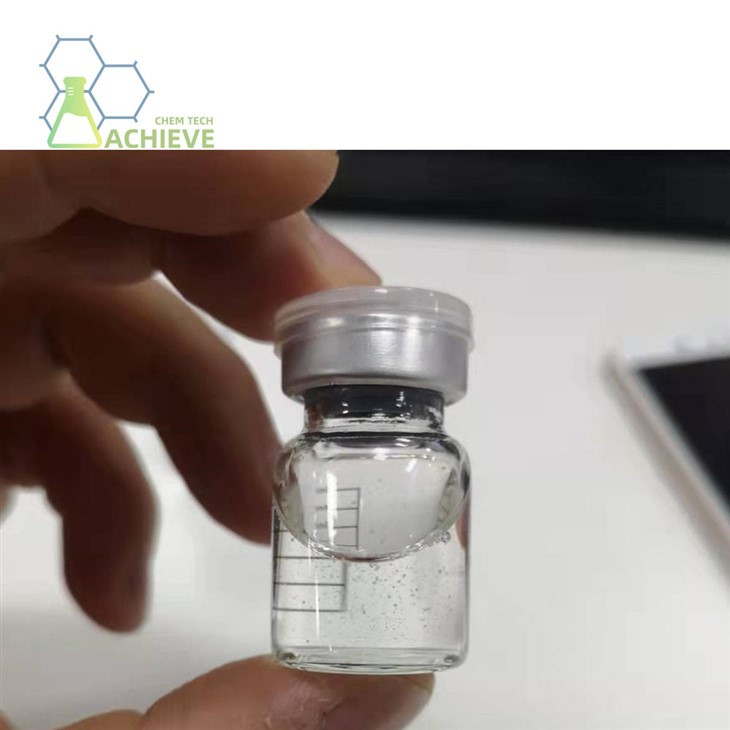
We provide GS-441524 , please refer to the following website for detailed specifications and product information.
Product: https://www.bloomtechz.com/oem-odm/injection/gs-441524-injection.html
This detailed guide talks about how this antiviral compound works on dry FIP at the cellular level, what cat owners can expect during treatment, and why the right way to give the medicine is important for getting recovery. If you're dealing with a new diagnosis or want to learn more about the treatments that are out there, the information below will help you understand what makes this nucleotide analog so good at fighting non-effusive feline coronavirus infections.

How Does GS-441524 Injection Work in Dry (Non-Effusive) FIP Cases?
GS-441524 injection works by stopping the growth of viruses where they start. Once the chemical gets into the bloodstream through subcutaneous injection, it is changed by enzymes inside affected cells.

This change makes active triphosphate molecules that the virus's RNA-dependent RNA polymerase adds by mistake when it tries to copy itself.
Dry FIP usually shows up as granulomatous tumors in the eyes, kidneys, liver, and tissues of the central nervous system. High amounts of mutant feline coronavirus are found in these swollen lumps. The shot gets to these places through the body's blood system and gets into the damaged tissues, where the virus replicates and the disease gets worse. The chemical stops viral RNA production before new infectious particles can form by acting like natural nucleotides.
Cellular-Level Interference
Inside damaged cells, the change process turns GS-441524 into the form that can be used as a drug. Adenosine triphosphate is an important building block for RNA chains, and this molecule competes with it. When the virus polymerase enzyme adds the mimic instead of real nucleotides, chain extension stops before it should. The coronavirus can't make the effective genetic material it needs to enter healthy cells because of this biochemical trick.
Because this process is so unique, treatment often works when only supportive care doesn't.


Traditional treatment of symptoms can't stop the virus from spreading. The injection directly stops the virus from spreading the illness, which lets the immune system slowly get rid of the damaged tissues. After weeks of regular treatment, viral counts in organs that are affected drop in a way that can be measured.
Pharmacokinetic Considerations
Subcutaneous release makes sure that the drug stays in the bloodstream for a long time. The chemical spreads through the body's tissues and reaches beneficial levels in areas where granulomatous inflammation is present.
Dosing guidelines usually say that it should be given every 24 hours to keep up a steady antiviral pressure that stops replication from happening between doses. Calculations based on weight make sure that each cat gets the right amount based on its body mass and how bad the disease is.
Bioavailability through subcutaneous methods is better than bioavailability through oral forms. Since absorption stays the same, problems with gut function that are usual in FIP cases don't happen. For cats with weak digestive systems or less hunger, this dependability is very important because it ensures therapeutic levels no matter how much the cat eats.


Tissue-Level Viral Control Using GS-441524 Injection
Dry FIP causes local inflammatory lesions in a number of organ systems. The coronavirus gathers in macrophages and monocytes, making granulomas that mess up the usual structure of tissues. For treatment to work, it needs to get to these spread-out infection spots with enough of the drug to stop growth. This problem is directly solved by the systemic spread that is possible with the GS-441524 injection.

Penetration of Granulomatous Lesions
The chemical structure of the substance lets it get into inflammatory nodules, which is where most of the virus is. Larger molecules have a hard time getting through swollen tissue barriers, but this nucleotide analog can get to the middle of granulomas, which is where immune cells that are sick gather. Long-term contact over several weeks lowers the number of viral RNA copies in these tumors.
Biochemical signs that show organ inflammation are often tracked as part of monitoring. As the treatment goes on, things like bile levels, globulin levels, and acute-phase proteins move closer to normal levels.
As virus replication slows down in damaged tissues, these changes show that inflammation is decreasing. The results of a physical test often get better at the same time, with fewer swollen lymph nodes and better body health.
Organ-Specific Responses
Depending on the size of the lesion and how activated the immune system is, different organs may react at different rates. Hepatic granulomas usually go away pretty quickly, as shown by the fact that liver tests return to normal within the first few weeks of treatment.


When the kidneys are involved, treatments may need to last longer, especially if there are a lot of scars. Symptoms in the eyes, like uveitis and inflammation of the retina, usually get better once the virus levels in the body drop enough.
Due to the blood-brain barrier, neurological tissue has its own set of problems. Even though the substance reaches therapeutic amounts in the brain and spinal cord, cats with neurological dry FIP symptoms usually need higher doses and longer treatment periods. This shows both how well neural cells are preserved and how bad the inflammation is in these important places.

Can GS-441524 Injection Support Neurological Dry FIP Management?
One of the worst signs of dry FIP is participation in the nervous system. When the coronavirus infects the central nervous system, cats may have seizures, paralysis, changes in their behavior, or problems with their cranial nerves. The blood-brain barrier makes it harder for drugs to reach the brain, which makes treatment even harder. When owners know how the treatment deals with these problems, they can make smart choices about how intense the therapy should be.
Crossing Neural Tissue Barriers
The compound's relatively small molecular size makes it easier for it to cross the blood-brain barrier when it is present in high enough levels in the serum. For neurological cases, the daily dose should usually be at the higher end of the effective range, around 6 to 8 milligrams per kilogram. These stricter rules make sure that the right amount of drugs get to the swollen brain tissues where the symptoms keep getting worse because of virus replication.
In neurological cases, the reaction to treatment is slower than in non-neurological dry FIP cases. In the first few weeks, there may be small changes in your ability to think or move before your symptoms get better completely.


As treatment goes on, seizures often become less frequent and weaker. Cats with damage to their visual nerves may be able to see again, but the results will depend on how badly the nerves were damaged before treatment started.
Monitoring Neurological Recovery
To figure out how well a treatment is working, you have to carefully look at specific problems. Owners should write down any changes in their pet's behavior, seizure patterns, or problems with walking. Over the course of therapy, video recordings are a great way to see how things are changing.
Neurological exams in animals help doctors keep track of when reflexes return to normal and cranial nerve function returns. These clinical tests are in addition to keeping an eye on systemic inflammation markers in the lab.
When treating brain conditions, longer treatment plans are often needed. Standard dry FIP might work well with 12-week training, but neural activation usually needs 16–20 weeks or longer. This longer time frame makes sure that all viruses are removed from safe areas of the central nervous system. If you stop treatment too soon, you might have a return because the virus could start infecting your brain again, which is why GS-441524 injection is essential.


Challenges and Response Patterns in Dry FIP Treatment With GS-441524 Injection
Treatment rarely leads to growth in a straight line. Knowing about common problems helps owners keep realistic standards and deal with problems in the best way possible. Being able to tell the difference between normal and worrying reaction patterns lets you act quickly when changes need to be made.

Initial Treatment Response Variations
Some cats show quick clinical change in the first week of treatment. The appetite comes back, the level of exercise goes up, and the fever goes away fast. These early responses usually had the disease for a shorter time before being diagnosed and it affects fewer organs. Other cats don't show many changes at first, and they only start to get better after several weeks of regular treatment.
Some lab tests, like globulin levels and inflammation markers, may get worse for a short time before getting better.
This event, which is sometimes called a "healing flare," happens when the immune system gets active as the number of viruses in the body drops and destroyed tissue is processed. Veterinary advice helps tell the difference between this expected pattern and a real treatment failure that needs changes to the plan.
Managing Administration Discomfort
Subcutaneous shots can make the areas where they are given hurt for a short time. Some versions cause responses in certain areas, such as redness, swelling, or pain.


Moving the injection sites around between the shoulder blades and the middle of the back helps keep the soreness from building up over time. Getting the solution to body temperature before giving the shot often lessens the pain that comes with it.
Cats may become allergic to the needle site, which makes daily giving harder and harder. Behavioral tactics like consistent habits, positive rewards, and distraction techniques can help keep people following the rules. Some business owners find it helpful to have different family members take turns with management tasks. This way, no one person is associated with the difficult process.
Recognizing Relapse Indicators
After finishing treatment, it's still important to keep an eye out for signs of return. Recurring fever, loss of appetite, or feeling tired again within a few months of stopping treatment may mean that the virus is still not gone. When worrying signs show up, biochemical tests should start up again right away. Early discovery of a relapse lets treatment begin again before the illness gets worse. According to research, about 4–8 percent of cats that have been treated have a return that needs more treatment.

This chance is lower with longer treatment plans, especially when they last longer than 12 weeks. Cats with neurological involvement or serious original appearances have higher relapse rates, which is why treatment should last longer and be closely monitored after treatment.

Clinical Considerations for GS-441524 Injection in Non-Effusive FIP
For treatment to work, more than just giving drugs needs to be taken into account. Outcomes are affected by correct dosing, integrating supportive care, and following tracking procedures. By knowing about these health issues, owners can work together with medical teams more effectively during treatment.
When doing math based on weight, you need to use your current body mass instead of your old weight. It is important to get an accurate weight because many FIP cats lose a lot of weight before they are diagnosed. For simple dry FIP cases, the starting dose is usually between 4 and 5 milligrams per kilogram. For eye problems or weak neurological symptoms, 6 milligrams per kilogram is usually enough. For serious neurological symptoms, 7-8 milligrams per kilogram may be needed.
Injection amounts are found by calculating concentrations. Solutions come in different strengths, so it's important to carefully figure out the right amount for each dose. Measurement mistakes can lead to either too little of a drug, which doesn't stop an illness, or too much of a drug, which raises the risk of side effects. Many doctors say that insulin needles are the best way to measure small amounts because they are more accurate.
While the injection stops the virus from spreading, other treatments help the body heal as a whole. Supplementing cats' diets with nutrients can help them get back to a healthy weight after a long period of not eating. During the first stages of treatment, you may need high-calorie pastes, tasty wet foods, or hunger enhancers. Getting enough protein helps the immune system work and heals tissues.
Hepatic support vitamins, like SAMe or milk thistle, may help cats whose livers are affected by the virus, but they shouldn't be used instead of antiviral treatment. Giving fluids under the skin helps cats stay hydrated when they aren't drinking as much water. While the main treatment gets rid of the infection, these supporting steps take care of signs and complications.

Blood work at the start of the treatment plan sets goals for tracking growth. Full blood counts, full chemistry panels, and acute phase protein measures are all precise ways to judge a person's health. During treatment, testing should be done every two to four weeks again to record trends of reaction. As globulin levels drop, albumin-to-globulin ratios get better, and inflammation markers return to normal; this means that the virus has been successfully suppressed with GS-441524 injection.
Because of how bad the disease is or how many organs are affected, some cats need to be checked on more often. Early on in treatment, chemistry checks might need to be done every week if the kidneys are seriously damaged. Regular checks for jaundice and liver enzymes are helpful for people with hepatic cases. Monitoring frequency strikes a mix between the need to keep records of progress and practical issues like the stress of medical visits and money concerns.

For simple dry FIP, standard advice says lessons should last at least 12 weeks. Relapse risks are lower with longer routines that last 16 to 20 weeks, especially for serious cases or neurological involvement. Some doctors recommend continuing treatments for another two to four weeks after all tests and symptoms have returned to normal. This is to make sure that the virus is completely gone.
Instead of just sticking to a schedule, choices about when to stop treatment should be based on a thorough evaluation. If laboratory findings don't go away, therapy needs to continue even after the clinical signs go away. On the other hand, treatment finish is supported by full normalization of all indices. Post-treatment tracking plans help find relapses early if the virus causes infection again.
Conclusion
For cats with dry FIP, death is no longer a sure sentence. The introduction of the GS-441524 injection has completely changed the way cancer is treated, allowing for real recovery where only supportive care was possible before. Cat owners can make smart choices when they know how this antiviral substance works at the cellular level, what problems might come up during treatment, and how to make the best use of therapeutic methods.
Early diagnosis, the right dose, regular administration, and the right length of treatment are all important for good results. Getting better takes time, money, and dedication, but many cats get better when they are treated right. Neurological conditions need extra care and stricter rules, but even the worst symptoms often get better with long-term treatment.
Working closely with experienced veterinary workers during treatment makes sure that the right things are being watched over and changes are made as soon as they are needed. The biochemical markers, clinical data, and reaction patterns we've talked about here can be used to track growth and spot problems. With the right care, cats with dry FIP can get better and live normal lives again, free from this terrible disease.
FAQ
1. How long does it take for cats with dry FIP to get better after they start getting GS-441524 injections?
Response times are very different depending on how bad the sickness is and which organs are affected. Within 3–7 days, many cats start to feel better, with symptoms like a better appetite and a lower fever. In neurological cases, it usually takes two to four weeks before the symptoms get better. It usually takes between 4 and 6 weeks for laboratory data to show clear signs of change. Most people need 8 to 12 weeks of regular therapy to get back to normal, but some cases need longer treatment times.
2. What happens if a dose of GS-441524 injection is accidentally missed?
If you catch it quickly, missing one pill almost never ends your treatment. If you remember to give the missed dose, do so as soon as possible, unless the next dose is due in a few hours. Do not give two doses to make up for one that you missed. Daily dosing keeps blood levels at therapeutic levels, which are needed to reduce viruses. Setting up reliable administration habits lowers the risk of missing a dose. If you miss more than one dose, the virus may start to replicate again, which could slow down your treatment.
3. Can GS-441524 injection be used alongside other medications for dry FIP complications?
The substance usually works very well with medicines that help the body. When clinically suggested, anti-inflammatory drugs, immune support vitamins, appetite boosters, and hepatic protectants can all be given at the same time. Immunosuppressants, such as corticosteroids, should usually be avoided or used as little as possible because they can mess up the immune reaction needed to get rid of an illness. Always talk to a vet before mixing treatments to make sure you choose the right drugs and follow the right dose guidelines.

Partner With BLOOM TECH for Reliable GS-441524 Injection Supply
Picking the right GS-441524 injection provider has a direct effect on how well cats with dry FIP respond to treatment. BLOOM TECH has been making animal medicines for over 12 years and has GMP-certified production facilities that are 100,000 square meters and are approved by the US, EU, Japan, and the CFDA. Our strict triple-quality analysis system-factory testing, internal QA/QC review, and proof by a third-party authority-makes sure that every batch meets the highest standards for pharmaceuticals around the world.
We know that treating FIP requires steady product quality, clear pricing, and reliable shipping times. Our track record as qualified suppliers to 24 well-known foreign companies shows that we are dedicated to partnership success. Our fixed-proportion price model puts long-term cooperation ahead of short-term profits, and our ERP platform makes the whole supply chain clear, from the initial question to the clearance of customs.
If you're a veterinary clinic, study center, or distribution partner looking for a reliable way to get high-purity antiviral compounds, BLOOM TECH has the quality assurance and technical help your business needs. Get in touch with our Sales@bloomtechz.com team to talk about your GS-441524 injection needs and find out how our pharmaceutical-grade manufacturing can help you reach your goal of improving feline health.
References
1. Pedersen NC, Perron M, Bannasch M, Montgomery E, Murakami E, Liepnieks M, Liu H. Efficacy and safety of the nucleoside analog GS-441524 for treatment of cats with naturally occurring feline infectious peritonitis. Journal of Feline Medicine and Surgery. 2019;21(4):271-281.
2. Murphy BG, Perron M, Murakami E, Bauer K, Park Y, Eckstrand C, Liepnieks M, Pedersen NC. The nucleoside analog GS-441524 strongly inhibits feline infectious peritonitis virus in tissue culture and experimental cat infection studies. Veterinary Microbiology. 2018;219:226-233.
3. Dickinson PJ, Bannasch M, Thomasy SM, Murthy VD, Vernau KM, Liepnieks M, Montgomery E, Knickelbein KE, Murphy B, Pedersen NC. Antiviral treatment using the adenosine nucleoside analogue GS-441524 in cats with clinically diagnosed neurological feline infectious peritonitis. Journal of Veterinary Internal Medicine. 2020;34(4):1587-1593.
4. Jones S, Novicoff W, Nadeau J, Evans S. Unlicensed GS-441524-like antiviral therapy can be effective for at-home treatment of feline infectious peritonitis. Animals. 2021;11(8):2257.
5. Krentz D, Zenger K, Alberer M, Felten S, Bergmann M, Dorsch R, Matiasek K, Kolberg L, Hofmann-Lehmann R, Meli ML, Spiri AM, Rieger A, Leutenegger CM, Hartmann K. Curing cats with feline infectious peritonitis with an oral multi-component drug containing GS-441524. Viruses. 2021;13(11):2228.
6. Addie D, Belák S, Boucraut-Baralon C, Egberink H, Frymus T, Gruffydd-Jones T, Hartmann K, Hosie MJ, Lloret A, Lutz H, Marsilio F, Pennisi MG, Radford AD, Thiry E, Truyen U, Horzinek MC. Feline infectious peritonitis: ABCD guidelines on prevention and management. Journal of Feline Medicine and Surgery. 2009;11(7):594-604.