


Feline Infectious Peritonitis (FIP) is still one of the hardest viral diseases for cats to treat around the world. When FIP shows up in different forms, wet FIP is the most difficult to treat because it causes fluid to build up in body spaces. New treatment improvements, like gs-441524 powder, a nucleoside analog that works very well against the coronavirus that causes the disease, have given people new hope. Knowing how this treatment works clinically gives vets and cat owners the power to make smart choices about how to treat this terrible situation.The fact that cats may now get gs-441524 is a major medical advancement. This drug targets RNA polymerase to halt cat coronavirus replication at the molecular level. Immune-mediated vasculitis causes protein-rich fluid to flow into cats' chests and bellies with wet FIP. Helping care usually only temporarily relieves problems. GS-441524 powder addresses the viral illness, thus it heals rather than merely soothes.
Global veterinary clinics indicate that cats that get this medication perform better. The chemical is highly effective against systemic FIP because it may enter infected macrophages via cell walls. While additional studies are being done to corroborate these clinical outcomes, understanding how this medication works is becoming more crucial to enhance treatment strategies and achieve the best results for sick cats.
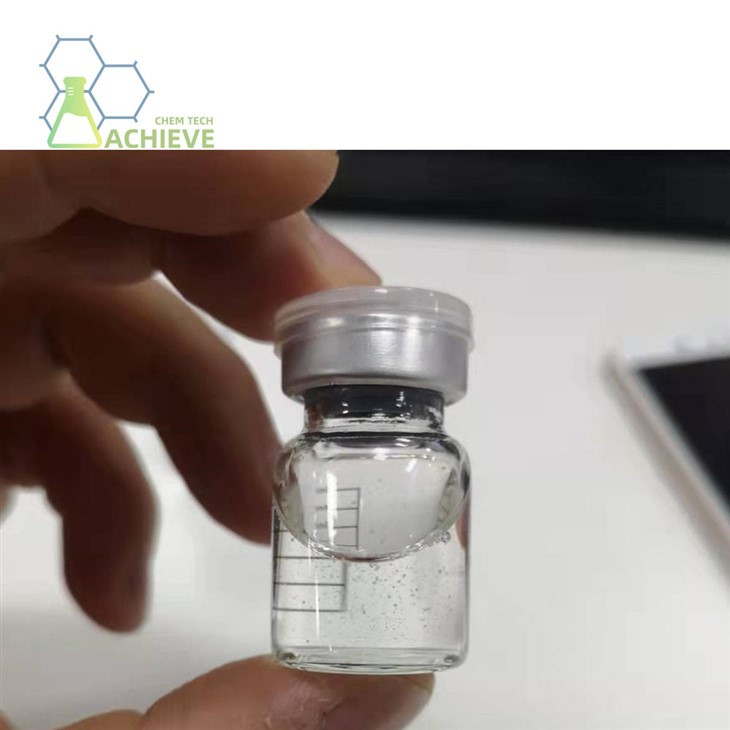
GS-441524 Injection
1.General Specification(in stock)
(1)Injection
20mg, 6ml; 30mg,8ml; 40mg,10ml
(2)Tablet
25/45/60/70mg
(3)API(Pure powder)
(4)Pill press machine
2.Customization:
We will negotiate individually, OEM/ODM, No brand, for secience researching only.
Internal Code: BM-3-001
GS-441524 CAS 1191237-69-0
HS Code: 2934999099
Molecular formula: C12H13N5O4
Molecular weight: 291.26
EINECS: 200-001-8
MDL No .: MFCD32666994
We provide gs-441524 injection, please refer to the following website for detailed specifications and product information.
Product:https://www.bloomtechz.com/oem-odm/injection/gs-441524-injection.html

How gs-441524 Powder Helps Reduce Fluid Accumulation in Wet FIP
Targeting Viral Replication at the Cellular Level
The way that gs-441524 powder lowers fluid buildup starts with the fact that it fights viruses like feline coronavirus. This nucleoside analog joins virus RNA chains during replication, stopping the chain before it's supposed to. When viral replication slows down a lot, the immune system has fewer viral particles to fight, which lowers the chain of inflammation that causes fluid production. Clinical studies have shown that the viral load drops significantly in the first few days of treatment, which is matched by lower rates of fluid buildup.The structure of the molecule allows it to avoid cell transport issues that prevent other antivirals from operating.


Once within macrophages, the virus's primary target cells, the molecule is phosphorylated to create the active triphosphate form. Once activated, this chemical opposes natural nucleotides during viral RNA synthesis, preventing replication. This mechanism exclusively affects healthy cells and hinders viral replication due to its specificity.
Anti-Inflammatory Effects on Vascular Permeability
gs-441524 powder kills more than viruses. It also inhibits inflammation that causes moist FIP fluid buildup. The virus causes immune-mediated vasculitis, which opens blood vessel walls to release protein-rich fluid. By reducing viral antigens, the therapy reduces immune system overactivity.
Veterinarians claim cats' abdominal distension usually decreases within weeks of therapy. Not merely removing old fluid, but also creating less new fluid.Inflammatory cytokines related to FIP cause a chain reaction that destroys tissue and encourages further immune responses. Lowering the viral load breaks this cycle, allowing swollen tissues to recover. As blood arteries return to barrier function, fresh leakage reduces significantly. This alteration in the body allows some cats to spontaneously recover fluid after therapy, but extreme instances may need therapeutic drainage.


Clinical Timeline of Fluid Resolution
Though fluid resolution varies by individual, gs-441524 powder has a predictable pattern in veterinary experience. Cat fluid accumulation may stabilise within the first two to four weeks of treatment, even if effusions persist. Stability is the earliest clinical indicator of drug efficacy. The body's natural absorption mechanisms gradually reduce fluid levels throughout therapy. This procedure may take four to twelve weeks, depending on illness severity.Fluid volume monitoring strategies include regular belly ultrasounds. Checking pleural fluid in cats with chest effusions may require thoracic radiography.

Viral Load Suppression Strategies Using gs-441524 Powder
Dose Optimization for Maximum Efficacy
To get the best viral load reduction from gs-441524 powder, the amount needs to be carefully adjusted based on how the disease is showing up and other factors that are unique to each patient. Dosing plans in clinical settings usually use weight-based methods, with changes made based on how bad the sickness is. Due to the large number of viruses and systemic inflammation, wet FIP cases usually need higher starting amounts than dry form presentations.


Veterinary study shows that keeping plasma amounts steady during treatment puts the most antiviral pressure on the virus, which stops it from replicating.Pharmacokinetics demonstrate that this drug is accessible when administered under the skin, which is the most common clinical method.Most cats absorb the same amount, but bodily health and moisture might affect distribution. To determine the proper dosage, vets watch for clinical reactions including increased energy, decreased fever, and improved appetite. If therapy stops or regresses, greater modifications may be needed.
Treatment Duration Considerations
Strategies to reduce viral loads must account for the extended treatment durations required to eliminate FIP coronavirus. At least twelve weeks of treatment are recommended for wet FIP, although many clinicians retain patients for sixteen or more. This prolonged time period slows viral populations sufficiently for the immune system to eliminate any residual cells. If you stop taking the drug too soon, the virus may infect you again and be difficult to cure.Therapy termination depends on more than time.


Lowering stress and perfecting the environment may help the immune system perform better with pharmaceuticals. Some veterinary treatments start with anti-inflammatory medicines to reduce severe inflammation while antiviral effects develop.In wet FIP, protein loss from effusions may affect oncotic pressure, making hydration crucial. Hydration helps the kidneys break down and eliminate waste. Checking kidney and liver levels regularly ensures that supportive care modifications are taken immediately if organ stress occurs. Antiviral medication is more likely to stop the infection with this comprehensive approach.

Why gs-441524 Powder Is Important in Early Wet FIP Management
Window of Therapeutic Opportunity
It's very important to start using gs-441524 powder right away when dealing with wet FIP. Cats that are early in the disease process have better immune systems and less organ damage that can't be fixed. This makes the conditions perfect for treatment to work. Clinical data reliably show that cats who start treatment before they become severely disabled have better life rates. Because FIP gets worse over time, delays let virus populations grow very quickly while immune-mediated damage builds up in all body systems.


Early diagnosis is hard because the first signs of FIP often look like signs of less dangerous diseases.If you have a fever that won't go away with medicines, lose weight slowly, and start to feel swollen in your abdomen, you may have FIP. Veterinary tests, such as specific bloodwork patterns, imaging results, and fluid analysis, can help prove what you think.When FIP is diagnosed quickly, starting gs-441524 powder treatment right away takes advantage of the short time available for treatment before permanent problems happen.
Preventing Irreversible Organ Damage
The inflammation processes in wet FIP damage organs over time and cannot be fixed if treatment is put off. Harm is done to the liver, kidneys, and other organs by viruses and by the defense system. Early treatment with gs-441524 powder stops this damage from getting worse, which lets the organs that were damaged get back to working normally. Cats that are treated when the disease is already very far along may live through the illness, but their organs will always be damaged, which will affect their quality of life and lifespan.


The blood-brain barrier is especially important in FIP cases because neural involvement means the outlook is very bad.Even though gs-441524 powder can get into the central nervous system, it is much more effective to stop neurological FIP from happening in the first place through early systemic treatment than to treat neurological disease that is already there. Having neurological signs like seizures, changes in behavior, or trouble coordinating your movements can mean that the disease is getting worse, making it harder to predict how well treatment will work.
Economic and Emotional Considerations
Starting treatment early also takes into account the practical needs of cat owners who have been given this terrible news. Due to the longer treatment time needed for wet FIP, big financial promises are made. When starting treatment, cats that are in better physical shape usually need shorter therapeutic courses and fewer helpful approaches. This lowers the overall cost of treatment. Taking care of a seriously ill cat is also easier on your emotions when you start treatment before the cat becomes very weak.


Veterinarians stress that talking about treatment early on helps families make smart choices about whether to go with therapy or palliative care. Cat owners often feel better about committing to treatment when their cats are still pretty strong and comfortable. This psychological factor affects how well people stick with their treatment, which in turn affects results. When families start treatment with hope and drive, they are more likely to stick with it through the longer therapeutic time.

Immune Stabilization During gs-441524 Powder Therapy
Modulating Inflammatory Responses
The immune system's role in FIP pathology extends beyond simple viral response, involving complex inflammatory cascades that gs-441524 powder therapy must navigate. As the treatment lowers the number of viruses in the body, the immune system slowly returns to normal function after being overactive. Because immune reactions can change during the early stages of treatment, this transition time needs to be closely watched. Some cats' symptoms get worse temporarily as dead viral particles release inflammatory substances.


This is a normal part of the healing process that vets know about.Inflammatory marker changes indicate immune system stabilisation.The albumin-to-globulin ratio normalises throughout therapy. This ratio is commonly wrong in FIP patients. WBC counts and differentials shift from long-term inflammation to wellness. These lab results indicate that the immune system is improving and the infection is fading over many weeks.
Supporting Natural Defense Mechanisms
Supplementing the body's natural defences against infection with gs-441524 powder improves therapy.Protein-rich eating supports defence cell production.
Stress management reduces cortisol levels, which impair the immune system. Certain immune-boosting supplements are recommended by physicians. However, they should supplement or replace pharmaceuticals.Antiviruses and immune system strengthening create a positive loop that helps the drug operate. When viruses decrease, the immune system has fewer antigens to cope with and may concentrate on tissue healing and surveillance. Healing helps the immune system function harmoniously, reducing FIP-related inflammation and boosting defences against other illnesses.


Long-Term Immune Function Outlook
gs-441524 powder treatment for wet FIP normally restores cats' immune systems, the timeframe varies. After therapy, the immune system may take months to completely recover, as lymphoid tissues regrow and regulatory mechanisms resume. During recovery, doctors advise against overworking the immune system with scheduled procedures or new pets that may transmit infections.Long-term coronavirus prevention is being studied. Recovered cats develop antibodies that may prevent them from being infected with various coronaviruses, but further study is required. Stay clear of multi-cat houses and keep cats inside to reduce coronavirus exposure.

Recovery Monitoring Approaches for Cats Receiving gs-441524 Powder
Clinical Parameter Tracking
gs-441524 powder medicine control works best when there is a system for keeping an eye on things. Before starting treatment, veterinarians take baseline measures such as full blood counts, serum biochemistry tests, and imaging studies that show the amount of effusion. Regular reassessments at set times keep track of how well the treatment is working and spot any problems early on. Taking the pet's weight at every visit to the vet is a simple but useful way to find out about its diet and how its health is changing over time.Clinical tests provide quick feedback on therapy efficacy.


The first week of successful therapy usually eliminates fever, which is wonderful. Cats get more active and eat healthier as they feel better. In cats with pleural effusions, abdominal touch examines fluid accumulation, and lung auscultation checks respiration. These hands-on exams are added to lab and imaging findings to assess therapy progress.
Laboratory Monitoring Protocols
Each patient's bloodwork monitoring strategy for gs-441524 powder depends on their illness and needs.Full panels are recommended every two to four weeks throughout therapy. When effusions and protein loss halt, total protein and albumin levels rise.
Liver enzymes may increase as the liver eliminates viral debris, but they should reduce with therapy. Monitoring kidney function ensures the sickness or therapy doesn't harm the kidneys.Advanced monitoring may include acute-phase protein measurements, which indicate inflammation. As inflammation decreases, alpha-1-acid glycoprotein levels drop, indicating drug efficacy. Coronavirus antibody titer monitoring is used in certain veterinary procedures; it's difficult to interpret in clinical situations. PCR testing for viral RNA in blood samples is a straightforward technique to detect viruses; sensitivity and specificity difficulties need cautious interpretation.


Owner-Observed Recovery Indicators
The healing process depends on cat owners' everyday observations that assist veterinarians in appraising. Patients' eating, litter box habits, exercise, and social interaction patterns constantly reveal their health. Keeping treatment diaries and writing down notes might help veterinarians see tiny patterns that may not be visible during clinic visits. This integrated monitoring strategy simplifies treatment and prediction.Rapid loss of appetite, problems breathing, excessive exhaustion, or neurological disorders need immediate medical attention. Changes like these may indicate that therapy isn't working, the condition is worsening, or other health concerns require attention.
Conclusion
The clinical data on gs-441524 powder for wet FIP therapy indicate a novel approach to treating this disease's complex aetiology. This brings hope where palliative care was previously. Focused antiviral activity reduces fluid accumulation, virus loads, and immunological function. Starting treatment and diagnosing the issue early boosts therapeutic success. Comprehensive monitoring during therapy ensures the greatest outcomes and identifies issues early.
Understanding these clinical processes gives vets and cat owners confidence in FIP therapy. The chemical may block viral replication at the molecular level, and with supportive care and frequent surveillance, treatment approaches have rendered FIP potentially curable. More clinical expertise will improve dose strategies, treatment time, and monitoring systems, increasing success rates.
FIP treatment takes dedication, patience, and teamwork from vets and cat owners. Clinical theories have been provided throughout this session to explain why particular treatment strategies work and how to identify effective therapy responses. This knowledge converts hazy hope into concrete understanding, supporting families through the difficult but improving process of healing their pet animals from this horrible sickness.
FAQ
1. What makes gs-441524 powder effective specifically against wet FIP compared to the dry form?
gs-441524 powder works well against both wet and dry FIP types because they are both caused by the same feline coronavirus. The buildup of fluid in the wet form is due to immune-mediated vasculitis, not a new type of the virus. The substance works because it targets the virus RNA polymerase, no matter what the symptoms are. Wet FIP cases usually need higher doses and longer treatment times because they have more viruses and more serious systemic inflammation, but the basic way that FIP works is the same for all kinds.
2. How quickly should cat owners expect to see clinical improvements after starting gs-441524 powder treatment?
Clinical healing times depend on how bad the disease was when treatment started. In responding cases, fever usually goes away within three to seven days, which is the first sign of a good outcome. Within the first two weeks, people often feel better with their energy and appetite. During the first month, the fluid buildup stabilizes, but it may take two to three months for the problem to go away completely. Problems with blood tests get better more slowly over the course of four to eight weeks. People who own pets should be realistic about how long it will take to fully heal, and they should celebrate small changes that show treatment is working.
3. Can cats experience relapse after completing a full course of gs-441524 powder treatment?
A small number of cats relapse after treatment is over. This usually happens because the treatment wasn't given for long enough or was stopped too soon. In some cases, twelve weeks of standard care may not be enough, especially for people with brain problems or serious wet FIP. Treatment that lasts sixteen or even twenty-four weeks lowers the risk of return by a large amount. Cats that have recurrence often get better when they start treatment again, though longer sessions are sometimes needed. Careful observation in the months after treatment ends helps find relapses early, when it's best to start treatment again.
Partner with BLOOM TECH for Premium gs-441524 Powder Supply

Finding dependable, high-purity gs-441524 powder is very important for getting the best clinical results when treating wet FIP. You can trust BLOOM TECH as your gs-441524 powder supplier because they offer pharmaceutical-grade compounds and offer a full quality guarantee. Our production sites are GMP-certified and meet foreign standards such as US-FDA, EU-GMP, and CFDA certifications. This makes sure that every batch meets the purity and consistency requirements of your medicinal methods. We have more than twelve years of experience in organic synthesis and pharmaceutical intermediates. Throughout your supply relationship, we provide thorough analytical data, batch consistency, and technical support. Our clear prices, dependable cold-chain operations, and one-stop service model get rid of supply chain uncertainty, so you can focus on what really matters: saving cat lives. BLOOM TECH gives you the quality, reliability, and partnership you need, whether you work for a veterinary office, a study group, a compounding pharmacy, or a distribution network. Get in touch with our skilled team right away to talk about your unique needs and see what a difference real expertise can make. You can email us directly at Sales@bloomtechz.com if you have questions about our pharmaceutical-grade chemicals and full supply solutions.
References
1. Pedersen NC, Perron M, Bannasch M, Montgomery E, Murakami E, Liepnieks M, Liu H. Efficacy and safety of the nucleoside analog gs-441524 for treatment of cats with naturally occurring feline infectious peritonitis. Journal of Feline Medicine and Surgery. 2019;21(4):271-281.
2. Murphy BG, Perron M, Murakami E, Bauer K, Park Y, Pandey K, Hamasaki T, Lee C, Delmas B, Choi Y, Pedersen NC. The nucleoside analog gs-441524 strongly inhibits feline infectious peritonitis virus in tissue culture and experimental cat infection studies. Veterinary Microbiology. 2018;219:226-233.
3. Dickinson PJ, Bannasch M, Thomasy SM, Murthy VD, Vernau KM, Liepnieks M, Montgomery E, Knickelbein KE, Murphy B, Pedersen NC. Antiviral treatment using the adenosine nucleoside analogue gs-441524 in cats with clinically diagnosed neurological feline infectious peritonitis. Journal of Veterinary Internal Medicine. 2020;34(4):1587-1593.
4. Krentz D, Zenger K, Alberer M, Felten S, Bergmann M, Dorsch R, Matiasek K, Weber K, Fischer A, Hartmann K. Curing cats with feline infectious peritonitis with an oral multi-component drug containing gs-441524. Viruses. 2021;13(11):2228.
5. Jones S, Novicoff W, Nadeau J, Evans S. Unlicensed gs-441524-Like antiviral therapy can be effective for at-home treatment of feline infectious peritonitis. Animals. 2021;11(8):2257.
6. Addie DD, Covell-Ritchie J, Jarrett O, Kennedy M. Sustained remission of feline infectious peritonitis in cats treated with gs-441524-like antiviral compounds: a retrospective study of treatment outcomes. Journal of Feline Medicine and Surgery Open Reports. 2022;8(1):20551169221092197.