


Antiviral research is evolving rapidly because new infectious illnesses are emerging, and we need improved treatments. GS-441524 tablets can help us study viral replication. Chemicals are being studied by pharmaceutical research facilities worldwide. Larger antiviral research programs created this nucleoside analogue. Later, it became crucial for understanding RNA viruses and developing novel treatments.
Researchers in the pharmaceutical sector know GS-441524 is more than a test material. Researchers may study how viruses replicate themselves and how to halt it by addressing viral RNA-dependent RNA polymerase. As laboratories study novel methods to combat viruses, GS-441524 tablets provide dependable results that help link fundamental virology research to practical treatments.
Specialised research chemicals like GS-441524 tablets are more vital as the pharmaceutical industry tackles new viral issues. Researchers and biotechnology firms worldwide are studying how this chemical interacts with various viruses, what its process reveals about viruses' weakness, and how these results might improve future antiviral medicines.

GS-441524 Tablets
1.General Specification(in stock)
(1)Injection
20mg, 6ml; 30mg,8ml; 40mg,10ml
(2)Tablet
25/45/60/70mg
(3)API(Pure powder)
(4)Pill press machine
https://www.achievechem.com/pill-press
2.Customization:
We will negotiate individually, OEM/ODM, No brand, for secience researching only.
Internal Code: BM-2-001
GS-441524 CAS 1191237-69-0
Main market: USA, Australia, Brazil, Japan, Germany, Indonesia, UK, New Zealand , Canada etc.
Analysis: HPLC, LC-MS, HNMR
Technology support: R&D Dept.-4
We provide gs-441524 tablets, please refer to the following website for detailed specifications and product information.
Product:https://www.bloomtechz.com/oem-odm/tablet/gs-441524-tablets.html

How GS-441524 Tablets Contribute to Advancing Antiviral Mechanism Studies
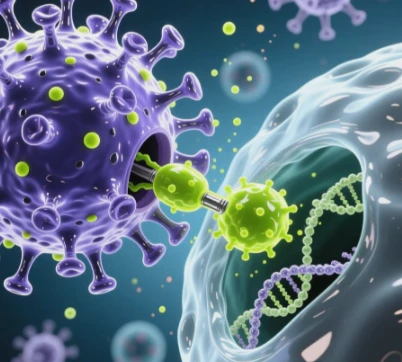
GS-441524 tablets' well-known action on virus polymerase enzymes helps researchers understand antiviral processes. Unlike many other broad-acting antivirals that are poorly understood, GS-441524 allows researchers to explore its mechanism. This nucleoside mimic enters infected cells and is converted into triphosphate. In viral RNA synthesis, it competes with normal nucleotides.
Researchers have described how this chemical clings to new viral RNA chains and delays their termination. The way this mechanism works shows how modest modifications to molecules may affect viral replication. For lab investigations, tablets provide accurate dose control and stable storage conditions so the same tests may be done in multiple research sites.
Investigating Polymerase Inhibition Pathways
The polymerase inhibitory mechanism GS-441524 tablets activate is vital to viral research. This substance affects viral RNA production in real time in controlled studies. This ability to observe has helped monitor viral spread and identified action points.A multi-step polymerase slowing method includes cellular kinase enzymes, according to GS-441524 tablet tests. The enzymes phosphorylate the chemical step-by-step to generate virus-killing triphosphate. Understanding this activation process helps researchers build cell-active chemicals.GS-441524 study revealed more about how things work than one molecule.
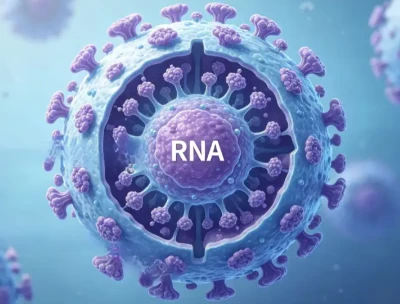

The well-known behavior of GS-441524 tablets has assisted compare nucleoside analogues' viral polymerases interactions. This chemical helps researchers comprehend new antiviral testing and link structure and action.
Mapping Viral Resistance Mechanisms
GS-441524 tablets revealed virus resistance, advancing antiviral research. Viral resistance to antivirals reveals which elements are essential for reproduction and which may be altered. The drug is less effective owing to viral polymerase gene modifications found in GS-441524 resistance tests.The polymerase active site usually harbors resistance mutations. They inhibit enzyme nucleoside analogue uptake but not viral RNA synthesis.
The locations and types of these alterations were used to generate a polymerase function molecular map. This map suggests antiviral targets.Understanding resistance patterns aids combination therapy research. By understanding how viruses avoid GS-441524 tablets' single-compound pressure, researchers may develop multi-drug approaches that target many viral lifecycle stages. Current antiviral development programs employ this strategy to reduce resistance.
Enabling Cross-Species Viral Comparative Studies
Comparative virology studies can also use GS-441524 tablets to look at how related viruses from different species react to the same molecular action.


The polymerase structures of RNA viruses that infect different animal species are often very similar. This means that they can be studied using standard research tools. Researchers can use GS-441524 to compare the function of polymerase in different types of viruses because it is a common molecule.These comparison studies have shown both general features of how viral polymerase works and differences between species that affect how well drugs work. Researchers can tell which virus families might respond to nucleoside analog treatments and which might need different methods by looking at these differences. The way the tablets are made makes sure that the compounds are exposed the same way in all the testing models, which allows for valid cross-study comparisons.

GS-441524 Tablets and Their Role in RNA Virus Research Models
RNA viruses, a diverse and medically significant category of pathogens, cause many human and animal viral illnesses. Research models must have good tools to examine how these viruses reproduce and attempt alternative approaches to stop them. GS-441524 tablets are used in numerous RNA viral studies since they act against several virus families.The chemical is beneficial for coronavirus research because it inhibits positive-sense single-stranded RNA viruses. It can also research other viral families. GS-441524 has been shown to be effective against many RNA viruses when administered in the proper doses. This stability among viruses means they have common defects that might be utilized to treat people.
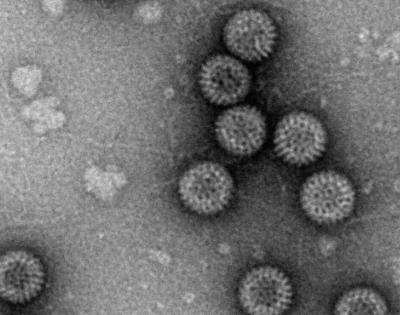

01.Establishing Reproducible In Vitro Viral Models
Most viral research uses controlled cell culture models to study virus reproduction. GS-441524 tablets provide scientists a tool molecule with predictable pharmacological behavior to construct models. When researchers dissolve these tablets in the right culture conditions, concentration gradients show how antiviral effects change with quantity.GS-441524 tablets standardise lab research by providing consistent results. Multiple organizations using this material to study the same virus may gather and analyze comparable data. Standardisation decreases chemical and preparation differences, accelerating science.
GS-441524 cell-based investigations illustrate how host cell characteristics affect antiviral medication activity. Different cells have different amounts of kinases that phosphorylate this nucleoside analogue, which affects its virus-fighting capabilities. After these findings, scientists are modifying kinases to boost cell nucleoside analogue activity.
02.Supporting Advanced Viral Kinetics Research
To understand viral propagation throughout time, tools must function at certain times and with different strengths. Researchers may add the compound to GS-441524 tablets at different viral infection phases for time-course studies.
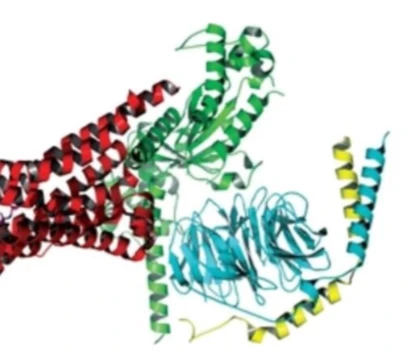
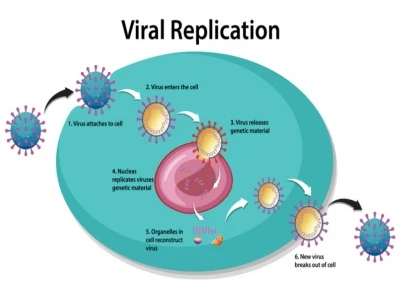
Our data suggest important viral replication halt points.Early delivery of GS-441524 had superior antiviral effects, according to virus dynamics studies.This shows exponential viral replication, creating several viruses every cycle. Cutting down polymerase activity early in an infection minimizes huge viral loads that are harder to maintain.Viral replication mathematical models employ kinetics data. These models predict viral loads from different dose regimens, helping researchers plan studies. These models estimate using authentic GS-441524 tablet pharmacological data.
03.Facilitating Mechanistic Combination Studies
Modern viral research is increasingly adopting combination tactics to address different phases of virus formation. GS-441524 tablets are used as anchors in combination studies with medications that prevent viruses from entering cells, processing proteins, or combining them. These tests determine if medications operate together, are additive, synergistic, or antagonistic.Combination tests using GS-441524 have shown many virus-fighting pairings that operate better together. We must study molecular interactions amongst antiviral medications to understand these interactions.The well-known mechanism of GS-441524 provides a defined starting point effect for comparing combination partners, making this study easy.

Why GS-441524 Tablets Are Used in Exploring Next-Generation Antiviral Pathways
The creation of next-generation antiviral methods is based on what scientists have learned from studying current research chemicals. GS-441524 tablets are in a unique spot in this development timeline because they show a tried-and-true way to stop viral polymerase while also showing areas that could be improved.

Researchers who look into this compound's pros and cons learn a lot that helps them make better antiviral drugs.Next-generation antiviral research aims to solve present therapeutic issues such oral bioavailability, metabolic activation, and resistance. By explaining how GS-441524 operates and its limitations, researchers established clear targets for further chemical development. How the tablets were created provides us ideas for formulations that can stabilize chemicals and increase delivery.
Identifying Structural Optimization Opportunities
Many of GS-441524's chemical components fight viruses and suggest enhancements. The medicine is not chemically altered to make it simpler to digest or less enzyme-sensitive. To improve GS-441524 tablet equivalents, researchers aim to modify structural elements.Structure-activity relationship studies of GS-441524 and its modified analogues demonstrate which molecular features are required for antiviral activity and which may be altered to improve the medicine. These research discovered nucleoside scaffold modifications that may improve tissue dispersion or efficacy. These findings help medicinal chemists design antiviral drugs immediately.


Trial tablets are stable and prescription ingredient-compatible. Understanding how formulation components impact chemical solubility, absorption, and body availability improves distribution. These characteristics help medications go from research to therapy.
Exploring Prodrug Strategies
For function, cells must phosphorylate nucleoside analogues like GS-441524. Antivirals regulate cellular kinase activity to do this. To circumvent this, prodrugs chemically link nucleosides to phosphate groups. Cells receive active or semiactive substances.After analyzing GS-441524 tablets, researchers investigated other virus-fighting medications. Esterases degrade prodrug compounds in cells, creating faster-activating phosphorylated molecules.
Comparative parent chemical and prodrug studies reveal how activation influences antiviral activity.Understanding GS-441524's physiology aids medication development. Knowing which altered versions are antiviral helps researchers construct prodrugs that deliver these active species to sick cells. Medical benefit from medications increases with rational reasoning.
Validating Broad-Spectrum Antiviral Concepts
New infectious illnesses are increasing the need of broad-spectrum antivirals. GS-441524 tablets kill RNA viruses with comparable polymerase architectures.

This broad variety of impacts suggests emphasis on conserved viral components rather than virus-specific features.GS-441524 proves nucleoside analogues are promising; invest more.Researchers may focus on polymerase inhibitor-sensitive and resistant viral families. Tablets speed viral collection screening.Broad-spectrum antivirals work without new virus therapies. GS-441524 advanced broad-spectrum drug discovery to preclinical testing. This speedier procedure may be crucial for pandemic preparation.

Research Applications of GS-441524 Tablets in Feline Coronavirus Studies
GS-441524 tablets have been utilized in various studies. The majority data comes from feline coronavirus studies. Feline infectious peritonitis (FIP), caused by various feline coronaviruses, is a major veterinary issue that has drawn much research.
GS-441524 tablets helped researchers understand this disease's virus and find strategies to halt it.The feline coronavirus model is ideal for investigating human-infecting viruses. These viruses multiply quickly in cat cell cultures and induce well-known illnesses in sick cats, making them helpful for in vitro and in vivo research. Because GS-441524 works against feline coronavirus, laboratories studying this illness utilize it. Beyond medicinal application, this data aids coronavirus research.


01.Investigating Tissue-Specific Antiviral Effects
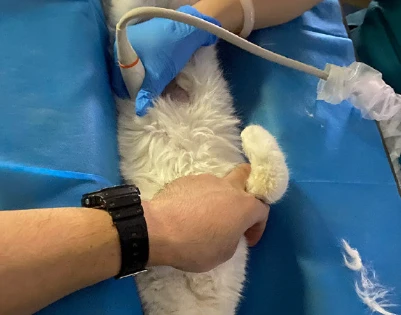
Feline coronavirus causes peritoneal, liver, and kidney infections. Researchers used GS-441524 tablets to evaluate antivirals in infected tissues. Tissue chemical dispersion and local metabolic stimulation alter body part function, according to these investigations.Knowing how antivirals function in various tissues assists therapeutic development. Therapy in all afflicted tissues may need greater chemical dosages than in blood or easy-to-reach organs to prevent virus multiplication. GS-441524 says nucleoside analogue pharmacokinetics affect tissue distribution.
This makes chemicals more potent in hard-to-reach infectious areas.Tablets help research by giving animal models equal systemic chemical exposure following oral treatment. After tablet intake, GS-441524 is absorbed, distributed, and excreted in tissues. Researchers use pharmacokinetic data to understand dose effects on tissue drug levels.
02.Supporting Viral Evolution and Adaptation Research
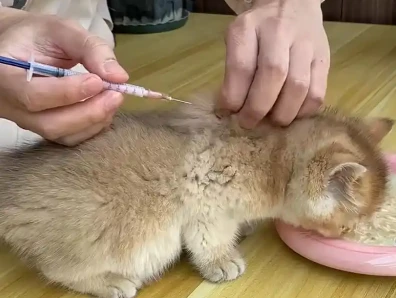
Understanding how viruses adapt to therapy helps prevent resistance. Researchers studied feline coronavirus alterations following long-term chemical exposure using GS-441524 tablets.

Variations in genes reduce viral medication sensitivity. These evolution studies reveal how polymerase inhibitors effect viruses.Many viral alterations reduce replication and drug susceptibility. Fitness tradeoffs may predict drug-resistant viral propagation or replication failure. Pharmacologically resistant viruses struggle to spread without pharmacological pressure, says GS-441524.Evolution from GS-441524 creates resistance-fighting combo drugs. Finding out what makes GS-441524 less effective may help researchers create companion medications for resistant strains. A realistic combination design process minimizes viral treatment resistance.

How GS-441524 Tablets Support Innovation in Viral Replication Inhibition Research
Strong experimental approaches are needed to test novel concepts and compounds in antiviral research. As a tool and reference standard, GS-441524 tablets aid this innovative notion. Universities and research institutes developing novel virus-fighting strategies utilize GS-441524 as a positive control to evaluate their methods for antiviral activity and compare new compounds.Many published descriptions of GS-441524's method, spectrum of action, and pharmacological qualities help researchers start fresh studies. Scientists test novel compounds that function in ways other than halting polymerase against GS-441524 to determine whether they are stronger, ranger, or more resistant.

01.Enabling High-Throughput Antiviral Screening
Current drug development uses high-throughput screening to test hundreds of compounds for action. To ensure system accuracy, antiviral screening tests may use GS-441524 tablets as controls. Putting known drug concentrations on test plates indicates antiviral action.High-throughput antiviral compound discovery screening restrictions apply to GS-441524 data. Overperforming compounds on initial screens advance to further testing, whereas poor compounds are rejected. This filtering method prioritizes promising results and speeds medication development.Assay standardization and quality control are easy using GS-441524 tablets, which function in all test formats.
To ensure consistent assay results with different reagents, screening laboratories test this drug regularly. Quality control assures repeatable screening findings.
02.Informing Computational Drug Design Approaches
Computational approaches simulate millions of molecules and predict drug-target interactions in drug development. Computer models that anticipate viral polymerase stopping are examined in GS-441524. Researchers test models for GS-441524 binding and inhibition.Molecular dynamics simulations can show how GS-441524's active metabolite interacts with viral polymerases, but static crystal structures cannot.
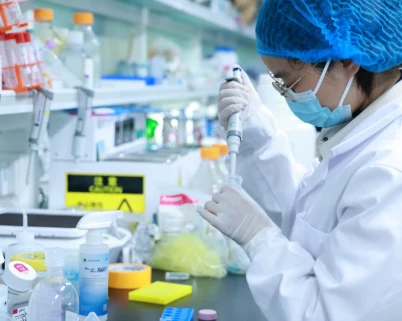

Drug and enzyme forms change to optimize binding interactions in these simulations. Studies of these systems' evolution help improve chemical binding.Machine learning predicts antiviral medication efficacy using GS-441524 tablet form and activity. An algorithm shows how chemical structure impacts virus-fighting compounds. They predict untested compound effects using this data. Forecasting may reduce the number of compounds synthesized and examined.
03.Advancing Understanding of Host-Virus Interactions
Antiviral chemical research shows that complex viral-host cell interactions cause viral proliferation. Researchers examined how host cell characteristics impact antiviral drugs using GS-441524 tablets. These studies reveal that metabolic enzymes, cellular kinases, and transporters affect nucleoside analogues' viral replication-stopping capacity.Understanding how the host and virus interact may help us develop viral-fighting strategies that target human qualities rather than viruses.


These strategies may not create resistance because host factors change slower than viral genes. Using GS-441524, researchers uncovered host kinases that affect drug efficacy These kinases may be therapeutic targets.GS-441524 tablet phosphorylation is enhanced by host enzymes. Researchers observed that certain cells change chemicals better. Because of this, different cells fight viruses less effectively. Researchers use metabolic knowledge to create drugs that perform better in particular cells or organs.
Conclusion
GS-441524 tablets may be used several times to investigate viruses. This chemical is used in laboratories worldwide to investigate RNA virus replication, test novel treatments, and train antiviral specialists. Its method, spectrum, and pharmacological properties have been extensively studied, speeding up the quest for improved antiviral medicines.
GS-441524 may be employed in fundamental virology and clinical medicine experiments. This well-studied compound has helped researchers study viral polymerase, tolerance, host-virus interactions, and combination therapy. These studies help us tackle viral infections better.
As new antiviral medications are discovered, GS-441524 tablets will likely remain the norm. Comparing new agents to the compound's history may help determine whether they increase potency, spectrum, or pharmacology. This comparative approach helps allocate research dollars to the most promising treatment areas.
The pharmaceutical study group learnt a lot from GS-441524 to improve future research instruments. This molecule has a distinct mode of action, repeatable activity, and beneficial formulation features, making it ideal for multi-lab or university research. These traits should influence future research chemicals.

FAQ
1. What makes GS-441524 tablets valuable for antiviral research?
GS-441524 tablets may help researchers locate a well-studied nucleoside analog that inhibits viral RNA-dependent RNA polymerase in a simple method. The tablets' architecture provides equal dosage, secure storage, and lab-replicable findings. Because it acts against several RNA virus families, this chemical is important for studying conserved viral vulnerabilities. The enormous corpus of literature on GS-441524's pharmacology may assist researchers interpret experiment findings and plan future investigations.
2. How do researchers use GS-441524 tablets in cell culture experiments?
For cell culture stock dosages, researchers dissolve GS-441524 tablets in the correct medium or buffer solutions. These stocks are then diluted and added to virus-infected cell cultures at certain periods. Scientists measure viral RNA, active virus, and protein to determine an antiviral's efficacy. The tablet form allows perfect dosage control and eliminates variances from various chemical batches or preparations. Timing studies that inject the drug at various phases of infection indicate when polymerase can interrupt viral replication most sensitively.
3. What advantages do GS-441524 tablets offer compared to other antiviral research compounds?
GS-441524 tablets have several lab research uses. The chemical remains effective and stable under typical storage conditions. Its effect on viral polymerase makes it straightforward to evaluate using virological assays. The nucleoside analog's structure renders it safe for many cell types at antiviral doses. GS-441524 promotes reproducible research unlike chemicals that need specific handling or demonstrate uneven action across experimental settings. Tablets make compound weighing and disintegration easier than powders.
Partner with BLOOM TECH – Your Trusted GS-441524 Tablets Supplier
As antiviral research moves forward in labs around the world, it becomes more important to have access to accurate study compounds so that results can be repeated. BLOOM TECH is ready to help your study projects by providing you with high-quality chemical goods that have been through strict quality control procedures. We are a good GS-441524 tablets provider for research institutions, biotechnology companies, and pharmaceutical producers because we have been working in organic synthesis and pharmaceutical intermediates for 12 years.
When you work with BLOOM TECH, you can get goods that are made in sites that are approved by the US-FDA, the EU, Japan's PMDA, and the CFDA. Our quality control method has three levels: testing in the plant, review by our own QA/QC team, and certification by a third party. This makes sure that every product meets our exacting standards. Because we know that the success of research relies on the quality of the compounds, we offer full refunds for any goods that don't meet the terms of the contract.
In addition to high-quality products, we offer clear pricing with set profit margins and quick shipping times that are estimated by our integrated ERP platform. Our team offers detailed paperwork to help with clearing customs and following rules when traveling across foreign borders. Our ordering method is open enough to meet the needs of a wide range of projects, from small amounts for exploratory studies to large amounts for in-depth research programs.
Get in touch with our skilled technical staff to talk about how BLOOM TECH can help you reach your antiviral study goals. Our scientists know how hard it is to do pharmaceutical research, and they're ready to give your projects the goods and technical help they need. Email us at Sales@bloomtechz.com right now to find out more about our GS-441524 tablets and full catalog of study chemicals.
References
1. Pedersen, N. C., et al. (2019). Efficacy and safety of the nucleoside analog GS-441524 for treatment of naturally occurring feline infectious peritonitis. Journal of Feline Medicine and Surgery.
2. Murphy, B. G., et al. (2018). Development of nucleoside analog GS-441524 and its antiviral activity against feline coronavirus in vitro. Veterinary Microbiology.
3. Sheahan, T. P., et al. (2017). Broad-spectrum antiviral GS-5734 (remdesivir) inhibits both epidemic and zoonotic coronaviruses. Nature Communications, 8: 15312.
4. Siegel, D., et al. (2017). Discovery and synthesis of a phosphoramidate prodrug of a pyrrolo[2,1-f][triazin-4-amino] adenine C-nucleoside (remdesivir precursor). Journal of Medicinal Chemistry.
5. Gordon, C. J., et al. (2020). Remdesivir is a direct-acting antiviral that inhibits RNA-dependent RNA polymerase from severe acute respiratory syndrome coronavirus 2. Nature, 583, 459–462.
6. Eastman, R. T., et al. (2020). Remdesivir: A review of its discovery and development leading to emergency use authorization for treatment of COVID-19. ACS Central Science, 6(5), 672–683.