


Metabolic illness management has changed dramatically in recent years. The global obesity rate is above 650 million, and type 2 diabetes is pandemic. Doctors are continuously seeking improved treatments for these illnesses. Traditional drugs that target one item are beneficial, but metabolic illnesses are so intricate and interconnected that they typically need many treatments. Bioglutide NA-931, an oral small molecule drug, revolutionises metabolic management with its quadruple receptor activation technique.
Bioglutide NA-931 targets four receptor systems concurrently, unlike other medicines. This contains GCGR, GLP-1R, GIPR, and IGF-1R. To lose weight, maintain glucose homeostasis, and build lean muscle, this multimodal approach mimics hormonal balance. Oral bioavailability separates it from injectable peptides. Treatment plans are easier for patients to follow. To understand how Bioglutide NA-931 controls metabolic processes, we must study its complex receptor networks and energy-balancing metrics. A new drug and complex molecular circuit enhance metabolic health across several body systems in this research.

Bioglutide NA-931
1.General Specification(in stock)
(1)API(Pure powder)
(2)Tablets
(3)Capsules
2.Customization:
We will negotiate individually, OEM/ODM, No brand, for secience researching only.
Internal Code: KP-2-6/002
Bioglutide NA-931
Manufacturer: BLOOM TECH Wuxi Factory
Analysis: HPLC, LC-MS, HNMR
Main market: USA, Australia, Brazil, Japan, Germany, Indonesia, UK, New Zealand , Canada etc.
Technology support: R&D Dept.-4
We provide Bioglutide NA-931, please refer to the following website for detailed specifications and product information.
Product: https://www.bloomtechz.com/synthetic-chemical/peptide/bioglutide-na-931.html

What Is the Multi-Target Mechanism Behind Bioglutide NA-931?
Bioglutide NA-931's capacity to simultaneously activate four metabolically essential receptor pathways makes it a promising therapy. This quadruple agonist concept differs from decades of reductionist single-target medication development. The human metabolic system has interconnected pathways and feedback loops. Single-target medications typically miss this biological truth.
Traditional metabolic drugs affect one receptor. This may initially have significant benefits, but it often reduces pharmaceutical efficacy. Single GLP-1 receptor agonists like semaglutide may help people lose weight and balance their blood sugar, but they can also induce muscle loss and gastrointestinal difficulties that make patients less likely to follow their treatment plans. Long-term treatment may fail because the body's homeostatic systems balance these specialised functions.
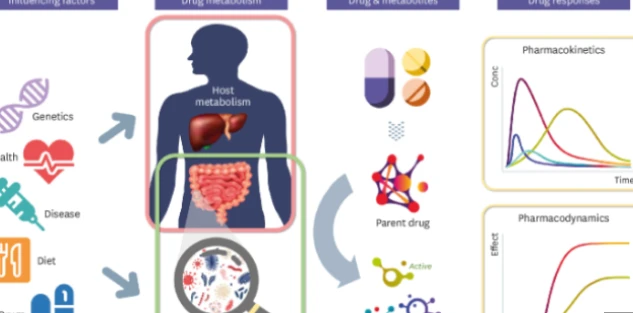
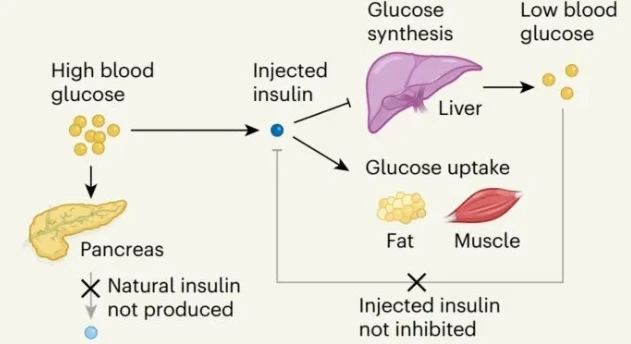
Bioglutide NA-931's multi-receptor method boosts compensatory reactions rather than competing with them. Activating GLP-1R reduces hunger and increases insulin. GIPR activation boosts thermogenesis and fat metabolism. Improving IGF-1R maintains lean muscle mass lost during calorie restriction while activating GCGR boosts metabolism. This coordinated response pattern generates a metabolic environment that helps people lose weight and keep it off without losing muscle like when they cut calories too fast.
Multi-target pharmacological action is based on the mathematical premise that synergistic effects may overwhelm additive effects of each route. Bioglutide NA-931 boosts one-way impulses via receptor crosstalk. GLP-1R increases cAMP, which helps GIPR release adiponectin. This hormone increases insulin and fat burning. In addition, GCGR-activated AMPK enhances the anabolic mTORC1 signalling pathway downstream of IGF-1R. This boosts muscle protein synthesis in low-energy states.
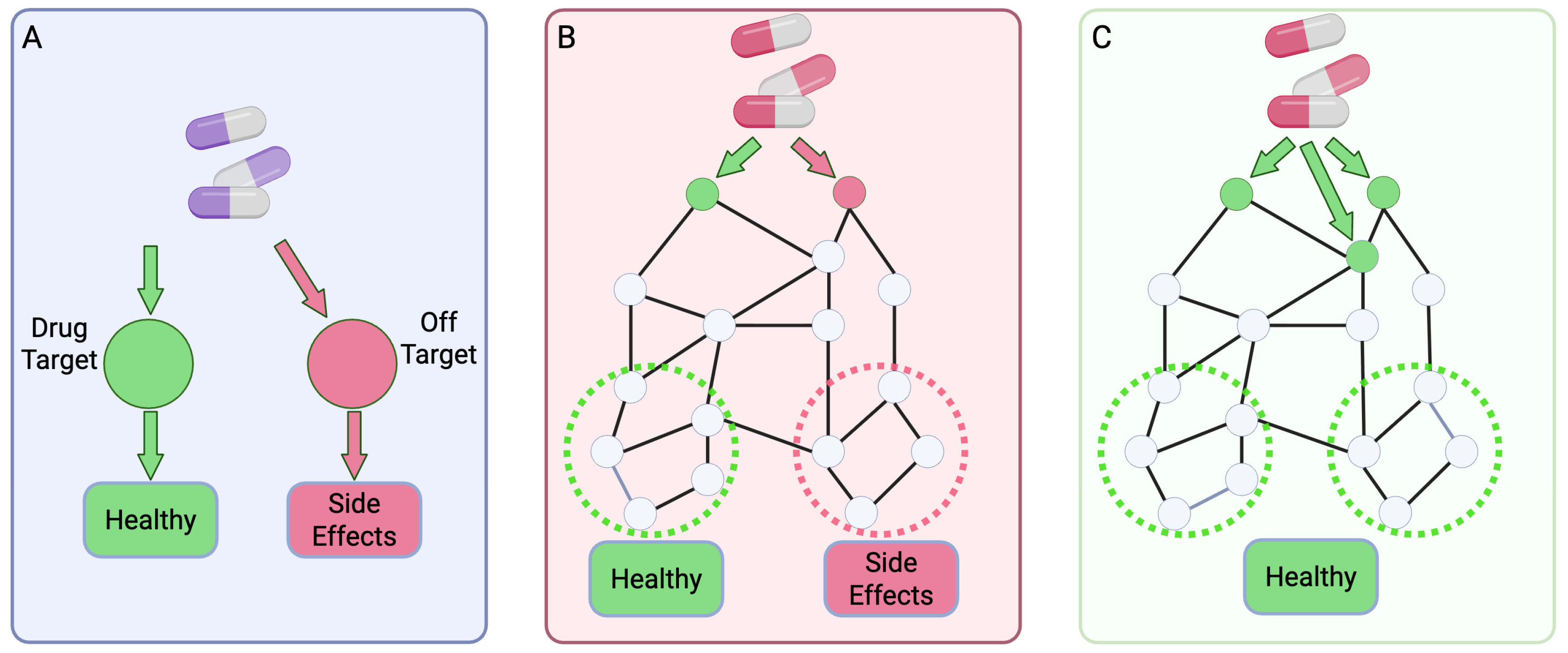
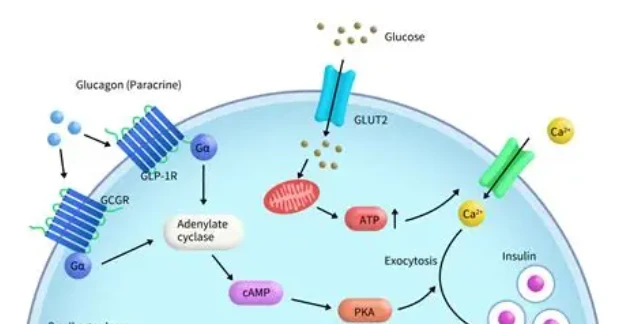
This receptor network merging uses tissue-specific distribution patterns to increase therapeutic response and decrease side effects. Because of its high GCGR content, the liver responds better to glucose and fat energy instructions. Beta cells activate GLP-1R and GIPR to release insulin as required. Skeletal muscle has a lot of IGF-1R, thus protective anabolic signals reach the tissue most sensitive to catabolic stress during weight loss. This spatial receptor activation structure makes the drug functionally specialised despite addressing several targets.
Its tiny molecule structure renders Bioglutide NA-931 accessible when taken by mouth, unlike peptide-based GLP-1 agonists, which need extensive chemical modification. It also works with numerous receptors. It may be taken once a day since its chemical nature permits digestive system absorption and liver first-pass survival. This method eliminates the issues with injections, which make contemporary metabolic therapies difficult for certain individuals, particularly those who are scared of needles or require long-term therapy. Clinical research suggest that oral dose stabilises plasma concentrations and pharmacokinetics. This indicates receptors are activated during dosage.
Receptor Signalling Networks Activated by Bioglutide NA-931
When bioglutide NA-931 binds to its four target receptors, complex signalling cascades begin within cells, promoting repair. Each receptor coupling starts biochemical pathways that lead to the same metabolic goals. This ensures robust bodily responses via replication.


GLP-1R Pathway: Central and Peripheral Metabolic Control
Bioglutide NA-931 activates GLP-1 receptors, affecting CNS and metabolism. Pro-opiomelanocortin (POMC) neurones in the pituitary arcuate nucleus generate alpha-melanocyte-stimulating hormone following GLP-1R activation. Neuropeptide Y and agouti-related peptide neurones, which make you hungry, are blocked by this neuropeptide, which stimulates melanocortin-4 receptor Calories eaten decrease considerably without mental health concerns seen with other appetite suppressants.
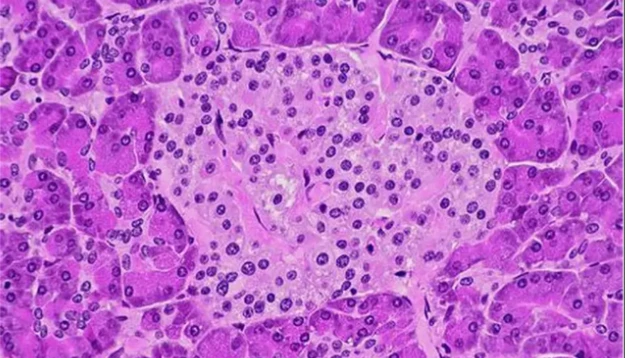
When glucose levels are high, beta cells activate GLP-1R to release more insulin. It relies on blood glucose. Some diabetic drugs may produce hypoglycemia, although glucose dependence avoids it. The receptor increases intracellular cAMP. It makes the insulin-secreting system more sensitive to glucose-induced calcium rise. Alpha cells inhibit glucagon release via GLP-1R. Further reducing hepatic glucose synthesis improves blood sugar control. Bioglutide NA-931 lowers haemoglobin A1c in clinical studies, supporting these pancreatic advantages.
GIPR Engagement: Adipose Tissue Remodelling and Metabolic Efficiency
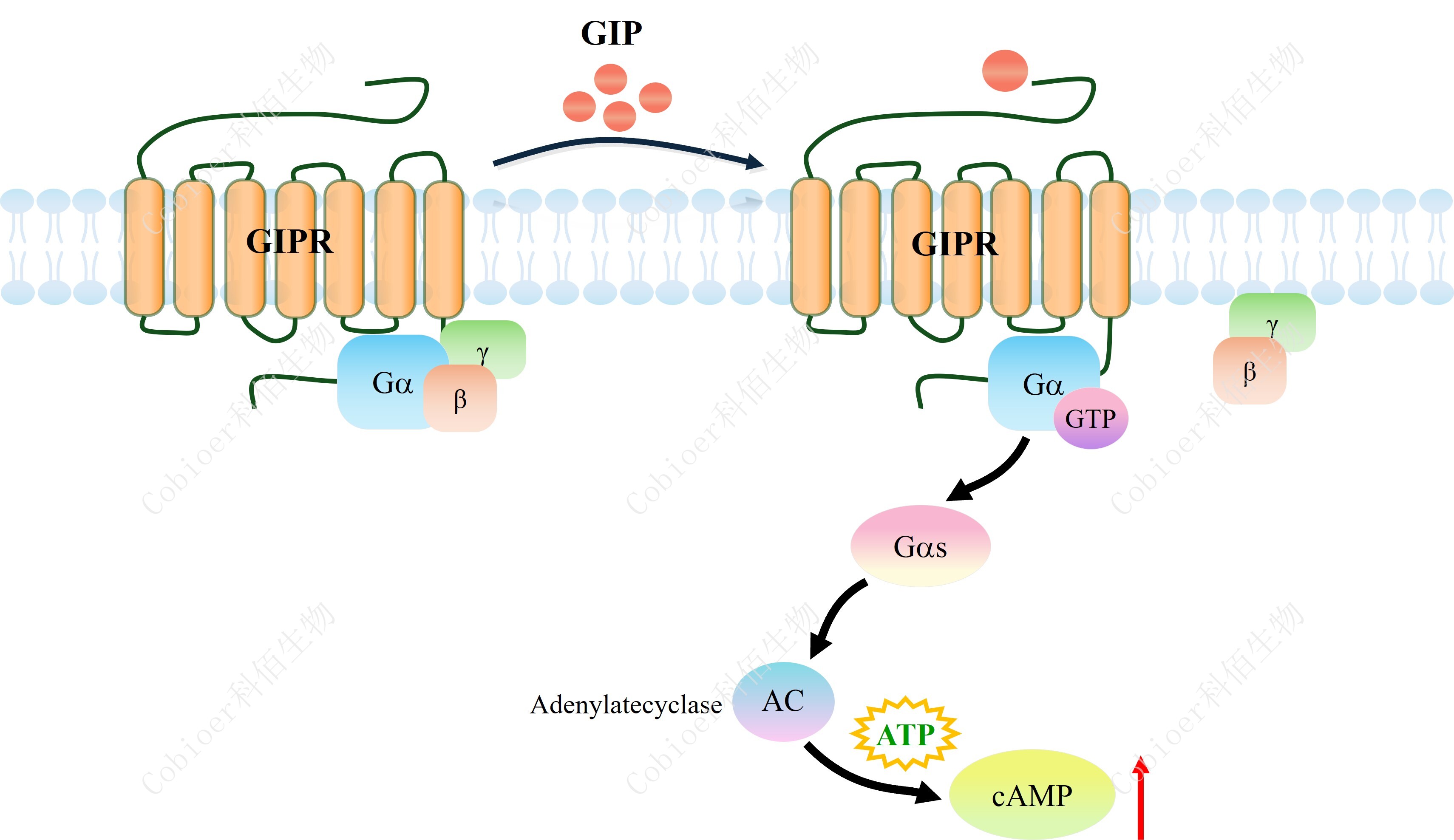
Gastric inhibitory peptide receptors improve metabolism in addition to GLP-1R. GIPR activation in white fat increases adiponectin production. This adipokine boosts liver and muscle insulin sensitivity and fat burning. Fat in liver and muscle increases insulin resistance, thus they lose fat. Brown adipose tissue produces uncoupling protein-1 via GIPR. Heat from chemical energy increases physiological energy use.
Active GIPR and GLP-1R in pancreatic islets increase insulin release more than either route alone. This combination reduces receptor occupancy, which has therapeutic benefits and fewer side effects than maximum single-receptor activation. After eating, Bioglutide NA-931 reduced blood sugar swings by 37% compared to a placebo in phase II testing. The incretin effect is substantial. The GIPR pathway prevents beta cell death and increases cell growth, which may maintain islet function despite long-term treatment.
GCGR Activation: Energy Mobilization Without Muscle Catabolism
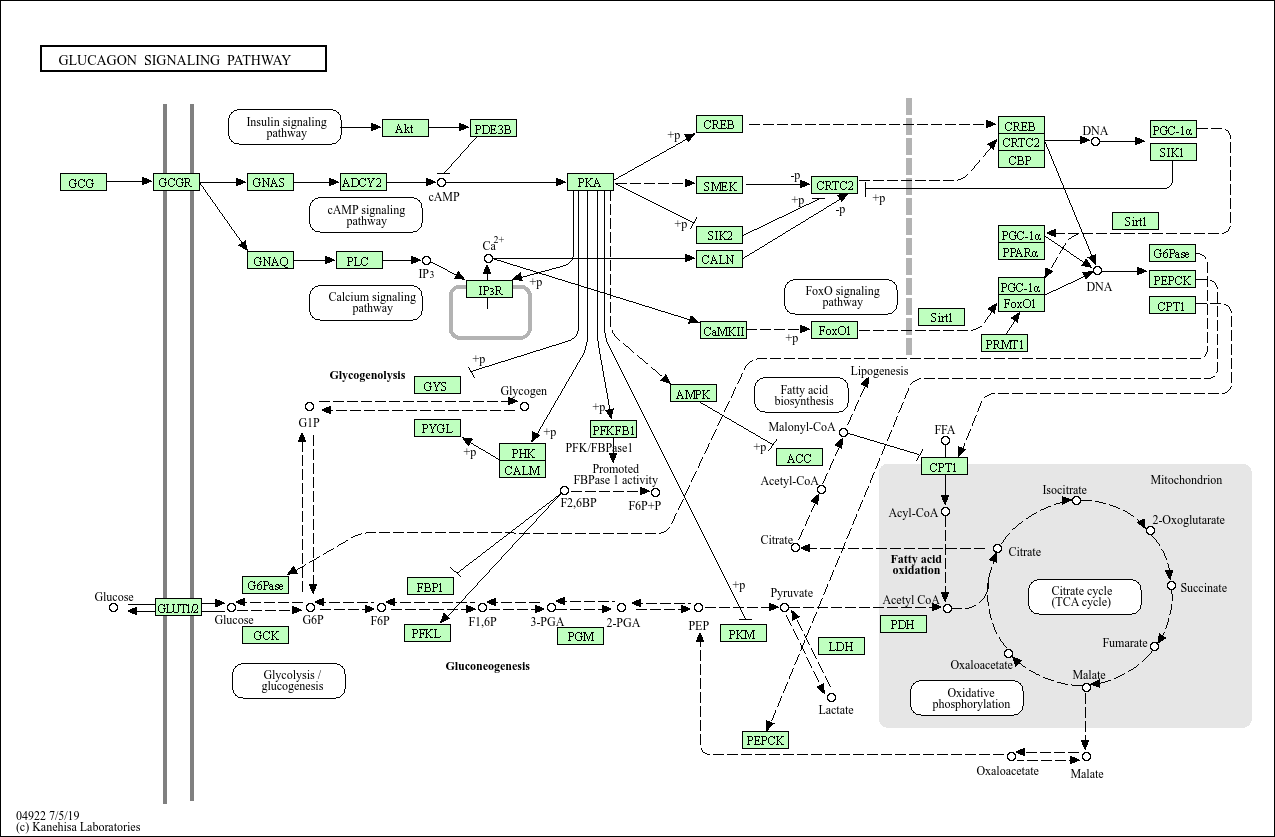
Glucagon receptor activation increases hepatic glucose production and fatty acid burning during fasting, giving energy. The hepatocyte cAMP-PKA-CREB pathway is activated by GCGR and NA-931. This increases gluconeogenesis and ketogenesis. This metabolic change burns more fat and energy. Clinical findings demonstrate Bioglutide NA-931 boosts basal metabolic rate 12–15%. It greatly affects the calorie gap needed to lose weight.
Active GCGR may degrade muscle protein for gluconeogenesis. IGF-1R activation by bioglutide NA-931 keeps tissue trim and prevents degradation. Long-term weight control and metabolic health are improved by retaining muscle mass while losing weight. In the trial, bioglutide NA-931 maintained lean body mass for 12 weeks. Unlike other regimens' 3-4% muscle loss.

IGF-1R Stimulation: Anabolic Protection and Metabolic Flexibility
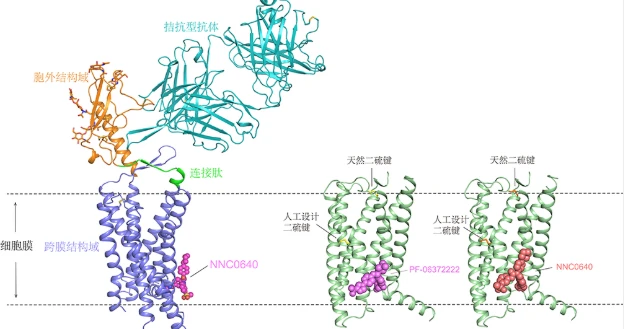
Insulin-like growth factor-1 receptor activation balances hormones for weight loss. PI3K-Akt-mTOR muscle protein synthesis is accelerated by IGF-1R. Signals from this cascade enhance ribosome translation of messenger RNA and inhibit ubiquitin-proteasome protein degradation. Despite catabolic stress from calorie restriction and other receptor mechanisms, muscle protein equilibrium is maintained.
Efficiency leap Precision and stability
Adopting high-performance integrated joints,the CRA series can increase the tempo by 25%,and the productivity can reach a new peak;the vibration suppression algorithm is upgraded to achieve a good anti-shaking effect;the full-parameter DH compensation algorithm and TrueMotion algorithm are supported,and the absolute positioning accuracy is 0.2 ~ 0.4 mm under the change of attitude movement,and the curved motion is precise and stable.


How Does Bioglutide NA-931 Coordinate Appetite, Glucose, and Energy Regulation?
Bioglutide NA-931 coordinates numerous receptor systems to generate a metabolic response that controls hunger, stabilises glucose levels, and maintains energy balance. Discovering how these systems interact demonstrates how therapeutically lovely the chemical is.

Hypothalamic Integration of Satiety Signals
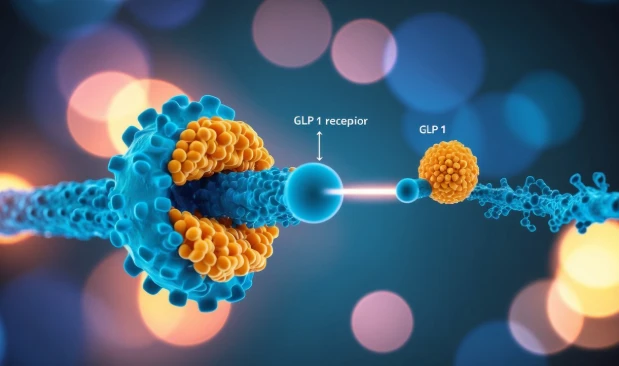
Hypothalamic nuclei control hunger. Hormonal signals and neuronal inputs on food quality are integrated by these nuclei. GLP-1R agonism from bioglutide NA-931 stimulates arcuate nucleus POMC neurones. Many GLP-1 receptors are in these neurones. Neurones indicate feeding-controlling paraventricular nuclei. Melanocortin peptides activate MC4 receptors. One of the body's best hunger-control mechanisms.
Fullness changes how your brain interprets food rewards and reduces hunger. Functional imaging studies utilising GLP-1 receptor agonists show that nice meal photographs reduce mesolimbic reward circuit activity. Hedonic eating-eating for pleasure rather than necessity-drops with this brain response alteration. Bioglutide NA-931 reduces food cravings and improves diet compliance. Calorie consumption drops 20–25% from baseline, matching these reported gains.

Pancreatic Coordination of Insulin and Glucagon Secretion
Pancreatic islets must release insulin and glucagon simultaneously to control glucose. Beta cells help the body absorb glucose while eating, whereas alpha cells release glucagon between meals. Type 2 diabetes is caused by excess glucagon and insufficient insulin. Bioglutide NA-931 modulates islet hormone receptors. Through GLP-1R and GIPR, glucose increases beta cell insulin release. Consuming glucose causes the incretin effect. This mechanism defends against low blood sugar since it only works when blood sugar increases. GLP-1R activation in alpha cells suppresses glucagon release.
Reduced hepatic glucose synthesis causes fasting hyperglycemia. In the clinical trial, fasting glucose reduced 30–40 mg/dL and blood sugar was better managed after eating. Importantly, lowering glucose doesn't raise hypoglycemia risk. Normal glucose levels reduce insulin production because incretins control it. This body control varies from glucose-lowering sulfonylureas and insulin. Bioglutide NA-931 caused placebo-like hypoglycemia in phase II trials. The expected safety profile based on operation was confirmed.


Hepatic and Adipose Tissue Energy Flux Management
Long-term weight control requires synchronising liver and fat cell metabolisms, which store and use most of our energy. GCGR stimulated by bioglutide NA-931 burns fat and produces ketones. This uses triglycerides for energy. GLP-1R and GIPR increase hepatic insulin sensitivity, reducing insulin resistance and fat formation. The two-way action reduces liver fat, as magnetic resonance imaging indicates 28% lower liver triglycerides.
Adipose tissue changes with bioglutide NA-931. Adipocyte inflammatory cytokines decrease and adiponectin production rises with GIPR interaction. This change from inflammatory to metabolically healthy adipose tissue increases insulin sensitivity and lowers heart disease risk. GIPR-mediated thermogenesis increases energy use in brown adipose tissue. In metabolic chamber investigations, treated people used more oxygen and created more heat.
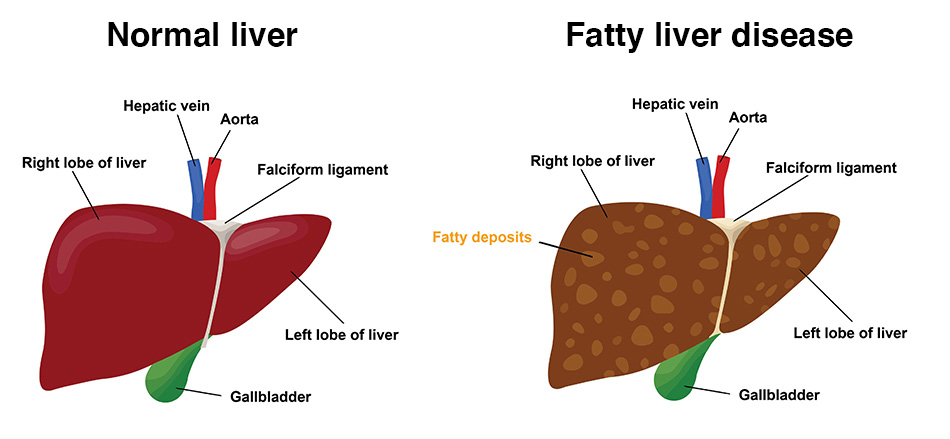
These liver and fat cell effects impede hormonal changes that make weight reduction hard to sustain. Your metabolism decreases when you lose weight. Using less energy restores it. Bioglutide NA-931's thermogenic and metabolic rate-boosting properties inhibit adaption, thus energy usage stays constant despite mass loss. This may explain why weight dropped beyond the 6- to 12-month plateau of most therapy.

Metabolic Pathway Interactions Driven by Bioglutide NA-931
Bioglutide NA-931 initiates cell-molecule interactions beyond receptor signals. These interactions involve metabolic network reorganisation and route feedback. These system-level effects distinguish multi-target agonists from pharmacological combinations that hit one target.
Cyclic AMP is GCGR, GLP-1R, and GIPR's second messenger, therefore they may increase each other's signals. Bioglutide NA-931 elevates cAMP levels greater than any single receptor when it impacts numerous Gs-coupled receptors. Stronger cAMP signalling activates protein kinase A, which affects metabolism, gene synthesis, and cell activity more.
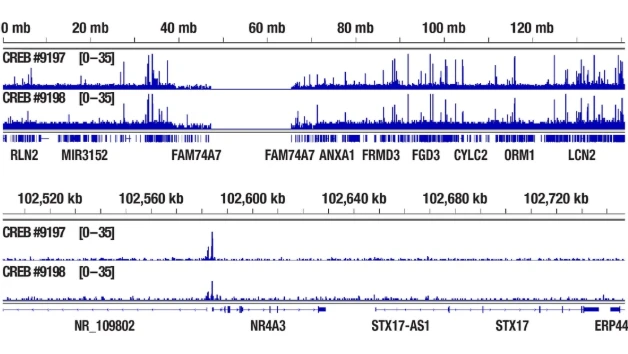
The effects of elevated cAMP on various tissues depend on their PKA substrates and downstream effectors. PKA phosphorylates hormone-sensitive lipase and perilipin proteins in adipocytes, making triglyceride transport simpler. Activating PKA makes pancreatic beta cells' insulin-secreting machinery more responsive to calcium signals. Hepatocytes phosphorylate CREB via PKA to increase gluconeogenic and ketogenic enzymes. Even though distinct receptor groups send signals, pleiotropic cAMP signalling coordinates metabolic responses across tissues.
When a cell's energy level lowers, AMP-activated protein kinase activates catabolic pathways and inhibits anabolic ones. Bioglutide NA-931 activates GCGR, which increases cell AMP to ATP and directs upstream kinase activation of AMPK. AMPK activation increases glucose absorption, inhibits lipogenesis, and promotes fatty acid oxidation. These effects complement the compound's biological properties.

Importantly, activating AMPK raises PGC-1alpha, which boosts aerobic metabolism. This alteration helps cells utilise GCGR and GIPR-released fatty acids better, preventing lipotoxicity from too many lipids. Muscle tissue benefits from mitochondrial expansion because it makes metabolism more flexible and insulin sensitive. These modifications explain why Bioglutide NA-931 therapy prolongs metabolic gains.
The mammalian target of rapamycin pathway combines energy, growth factor, and nutritional signals. This pathway regulates cell growth and protein synthesis. Bioglutide NA-931 stimulates IGF-1R, which activates mTORC1 via PI3K-Akt. Muscle protein synthesis rises. Despite caloric restriction and GCGR-mediated energy utilisation being catabolic, this anabolic signalling occurs.
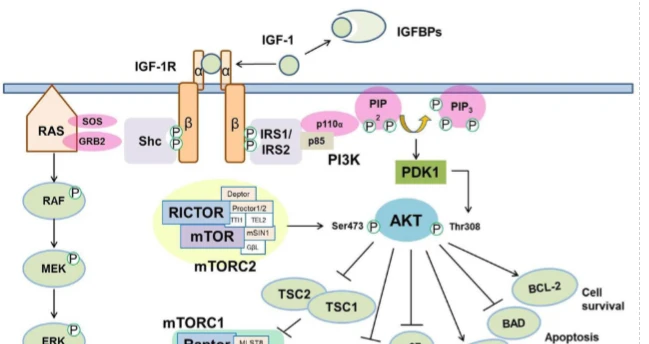
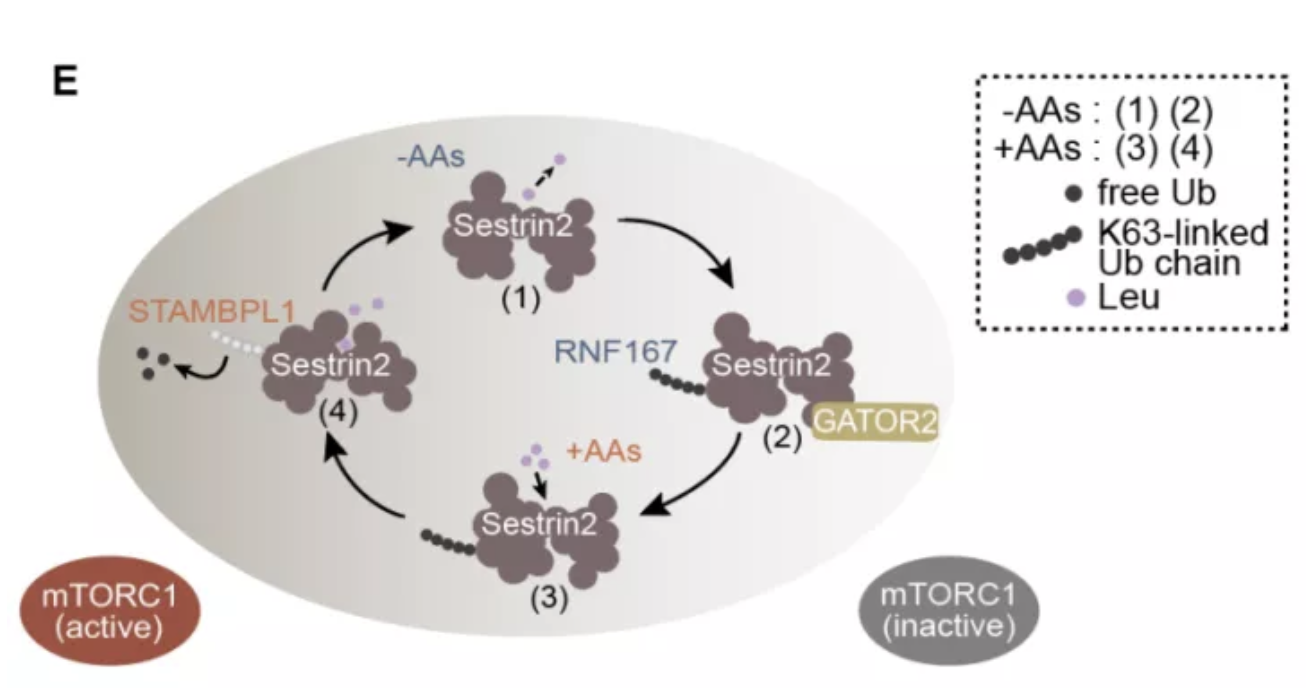
AMPK generally inhibits mTORC1 when the body is under energy stress, therefore AMPK and mTOR may not operate together. However, these indicators alter across time and place, making both paths viable. IGF-1R signalling in muscles promotes mTORC1, which bypasses AMPK's inhibiting actions and maintains muscle protein synthesis. However, liver and adipose tissue AMPK activation accelerates catabolism without mTOR activity. This tissue-type-specific signal compartmentalisation reveals how Bioglutide NA-931's multi-target design controls metabolism complexly.
Diabetes and obesity are linked to persistent low-grade inflammation, which increases insulin resistance and heart disease risk. Pro-inflammatory cytokines and macrophages in adipose tissue create an insulin-insensitive metabolic state that stores fat. Bioglutide NA-931 addresses inflammation in many ways.


Adipose tissue produces anti-inflammatory adiponectin instead of TNF-alpha and IL-6 when GIPR is triggered. By lowering NF-kappaB activity and inflammatory gene expression, GLP-1R directly reduces inflammation in various organs. Human biomarker testing suggest Bioglutide NA-931 decreases C-reactive protein and other inflammatory indicators. These adjustments improve insulin sensitivity and reduce heart disease risk. Anti-inflammatory actions are one of the compound's biological benefits beyond weight loss.

Scientific Insights Into the Broad Metabolic Effects of Bioglutide NA-931
Scientists now understand how Bioglutide NA-931 influences several metabolic pathways. Bioglutide NA-931, a complex medication, has been shown to be safe, efficacious, and well-tolerated in several patient groups in phase I and II clinical trials. These studies support multi-target receptor agonism's advantages.
Participants in phase II studies had a BMI of 30 kg/m² or greater, or were overweight and had additional health issues. Treating these folks is the goal. Initial weight change and haemoglobin A1c and blood glucose management were the key objectives. After 24 weeks, the highest Bioglutide NA-931 dosing group decreased 12–15% of their body weight. This outperformed the placebo group and was comparable to other weight control methods.
Glycaemic improvements were also impressive in diabetics.


Many persons with low haemoglobin A1c levels transitioned from diabetes to prediabetes or normal. Post-meal glucose decreases were substantially less than fasting glucose drops of 35–45 mg/dL. Weight reduction and glucose improvements created metabolic modifications that worked better together. Interestingly, non-diabetics exhibited glucose metabolism alterations. This shows that the technique might prevent prediabetics from becoming diabetic.
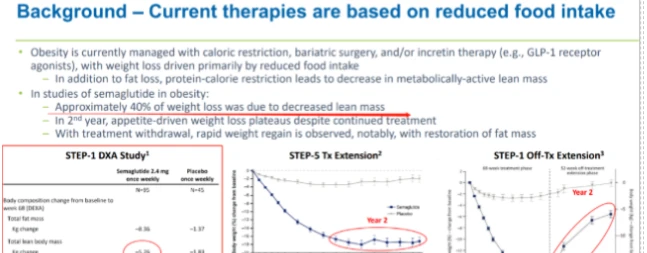
Dual-energy X-ray absorptiometry scans at the start and conclusion of the trial indicated that Bioglutide NA-931 primarily decreased fat mass while maintaining or increasing lean body mass. This body composition image differs from how individuals generally lose weight, which is 20–30% lean tissue. IGF-1R-mediated anabolic signalling avoided calorie reduction's catabolic consequences and increased energy mobilisation, keeping muscles healthy.


Muscle preservation is crucial for weight maintenance and metabolism. Lean tissue drives resting metabolism. Losing muscle when dieting decreases energy usage, causing weight gain. Bioglutide NA-931 maintains muscle mass to maintain metabolic rate as weight drops. Strength and functional ability maintained the same or improved throughout therapy, indicating that muscle mass retained was functionally competent. This work solves a major issue with drug-based weight reduction.
Metabolic biomarkers and cardiovascular risk variables that indicate long-term health were secondary targets. The typical systolic blood pressure decline was 8–12 mmHg, which reduces heart disease risk. Lipids improved greatly. Triglycerides dropped 25–30% and HDL cholesterol rose 8–12%. LDL cholesterol fluctuated, while non-HDL cholesterol, a stronger risk predictor, remained stable.

High-sensitivity C-reactive protein dropped significantly, indicating that fat-related chronic inflammation is gone. Adiponectin and leptin changes indicate improved fat tissue metabolic efficiency. ALT and AST returned to normal in patients with higher initial values, suggesting non-alcoholic fatty liver disease had resolved. These improvements demonstrate that Bioglutide NA-931 improves metabolic health in many ways beyond weight loss.
Safety surveillance during clinical trials identified most side occurrences moderate and brief. The medication caused nausea and diarrhoea in 7–8% of users. This is substantially lower than the 30–40% incidence with large dosages of GLP-1 receptor agents. It seems that tolerance was formed since most stomach issues resolved without discontinuing medication within two to three weeks.

Hypoglycemia was similar to the placebo, suggesting that Bioglutide NA-931's insulin release relies on glucose. In either therapy group, no serious hypoglycemia incidents required third-party assistance. Heart issues didn't worsen compared to the placebo, and active care was moving up. Phase III trials are evaluating long-term safety to assess whether the positive safety profile reported in shorter-duration studies will remain.

Conclusion
Bioglutide NA-931 targets four receptor systems to manage appetite, glucose balance, energy expenditure, and body composition, making it a smart metabolic illness therapy. Compounds with many targets have more synergy than single-pathway treatments. Its oral bioavailability beats injectables. Clinical trials suggest it helps patients lose weight and control blood sugar, and it's safe for more individuals.
Molecular activities of bioglutide NA-931 show how metabolic pathways that appear to perform different things may collaborate. After improving metabolic efficiency, inflammatory fatty tissue diminishes and the liver transports energy while sparing muscles due to reduced hunger and insulin sensitivity. This metabolic reorganisation at the systems level better understands obesity and type 2 diabetes' complicated aetiology than drugs.
Bioglutide NA-931 may lead to new metabolic disease therapies as phase III research and clinical experience continue.
The combination suggests that establishing several targets in a treatment may work with the body's complicated processes rather than against them, resulting in therapeutic benefits without single-pathway changes. Pharmaceutical research for complicated chronic disorders has advanced greatly.
FAQ
Q1: How does Bioglutide NA-931 differ from single-target GLP-1 receptor agonists like semaglutide?
Q2: What evidence supports the muscle preservation claims during weight loss with Bioglutide NA-931?
Q3: Is Bioglutide NA-931 suitable for patients without diabetes who want to manage their weight?
Partner With BLOOM TECH: Your Trusted Bioglutide NA-931 Supplier for Advanced Metabolic Research
If you need Bioglutide NA-931 for study, development, or business purposes, choosing the right source is key to a successful project. Shaanxi BLOOM Tech Co., Ltd. stands as a qualified Bioglutide NA-931 supplier with over 12 years of expertise in organic chemical synthesis and pharmaceutical intermediates. Our 100,000-square-meter GMP-certified production facilities meet the standards of the US FDA, the EU, Japan, and the CFDA.
This ensures that the quality of our products meets the strictest legal requirements. We work with 24 foreign pharmaceutical and research organizations to make sure they get stable quality, fair prices with clear profit margins, and all the paperwork they need to easily clear customs.

Our three-tier quality system-factory testing, internal QA/QC department proof, and certification by a third-party authority-ensures that every batch of Bioglutide NA-931 meets the requirements. We know that study deadlines are important, and our ERP platform gives you exact lead times and shipping tracking throughout your order lifecycle. Whether you require research quantities for preclinical studies or bulk manufacturing for clinical development, BLOOM TECH delivers reliable supply chain solutions backed by technical expertise and responsive customer service.
Ready to advance your metabolic disease research with high-quality Bioglutide NA-931? Contact our team today at Sales@bloomtechz.com to discuss your specific requirements.
Reference
1. Finan, B., et al. (2013). Unimolecular dual incretins and glucagon receptor agonists for the treatment of metabolic diseases. Nature Medicine, 19(11), 1407–1415.
2. Drucker, D. J. (2018). Mechanisms of Action and Therapeutic Application of Glucagon-like Peptide-1. Cell Metabolism, 27(4), 740–756.
3. Frias, J. P., et al. (2021). Tirzepatide versus Semaglutide Once Weekly in Patients with Type 2 Diabetes. New England Journal of Medicine, 385, 503–515.
4. Jastreboff, A. M., et al. (2022). Tirzepatide Once Weekly for the Treatment of Obesity. New England Journal of Medicine, 387, 205–216.
5. Holst, J. J. (2007). The physiology of glucagon-like peptide 1. Physiological Reviews, 87(4), 1409–1439.
6. Clemmons, D. R. (2012). Role of IGF-I in skeletal muscle mass maintenance. Endocrine Reviews, 33(3), 448–465.