


Metabolic health has become very important for millions of people who are trying to lose weight in a healthy way. Traditional methods often involve tight diets and tiring exercise plans. However, a new study has found an interesting molecular pathway that 5 amino 1mq peptide naturally helps the body burn fat. 5-amino-1mq peptide is a new way to speed up your metabolism. It works by changing the way cells work to fix the real reasons why your body isn't burning fat as quickly as it should. Knowing how our bodies store and use energy can help you understand why some people have weight problems that won't go away despite their best efforts. The biochemical routes that control fat metabolism are very complicated, and some molecular substances can have a good effect on these processes.Researchers who are looking for natural ways to speed up the metabolism that work with the way our bodies are built have paid a lot of attention to this peptide compound. Recent studies on metabolic control have shown that certain enzyme inhibitors can change the way cells work so that they use fat better and burn more energy. Based on scientific evidence, this peptide's method of action provides a way to support healthy body makeup without interfering with normal physiological function. As we learn more about this compound's many benefits, the link between making energy in cells and real-world metabolic results becomes surprisingly clear.
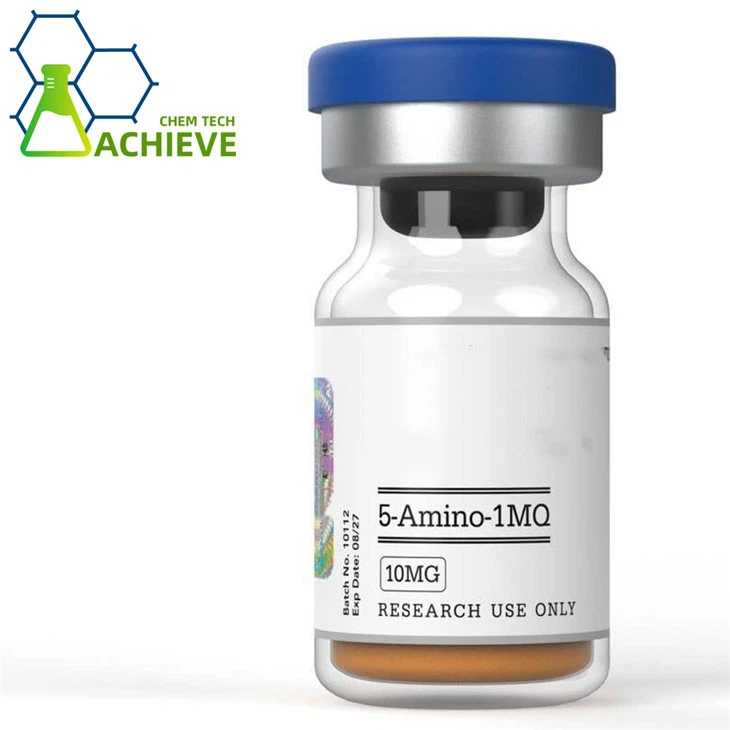
5-amino-1MQ Injection
1.General Specification(in stock)
(1)API(Pure powder)
(2)Tablets
(3)Injection
(4)Capsules
(5)Oral Drops
2.Customization:
We will negotiate individually, OEM/ODM, No brand, for secience researching only.
Internal Code: BM-3-113
5-amino-1MQ\NNMTi\5-amino-1-methylquinolinium\5-Amino-1-methylquinolinium chloride CAS 42464-96-0
Manufacturer: BLOOM TECH Xi'an Factory
Main market: USA, Australia, Brazil, Japan, Germany, Indonesia, UK, New Zealand , Canada etc.
We provide 5 amino 1mq peptide, please refer to the following website for detailed specifications and product information.
Product:https://www.bloomtechz.com/oem-odm/injection/5-amino-1mq-injection.html

How Does 5 amino 1mq peptide Improve Natural Fat Metabolism?
Understanding the NNMT Inhibition Mechanism
NNMT, which stands for nicotinamide N-methyltransferase, is the enzyme that the 5-amino-1mq peptide interacts with to support biochemical activity. This enzyme is very important for cell metabolism because it speeds up the methylation of nicotinamide, which changes the energy level of cells immediately. When NNMT activity gets too high, it can reduce important cofactors needed for metabolism to work at its best. This makes it easier for fat storage to happen than for fat burning. This peptide molecule helps keep nicotinamide available in cells by specifically blocking NNMT activity.

This makes sure that metabolic pathways have enough resources to work well. This inhibition doesn't stop important processes.Instead, it changes the activity of enzymes to get the metabolism back in balance.Because this interaction is very specific, it is very useful because it tackles a key bottleneck in cellular metabolism without generally messing up other biochemical processes. Clinical studies have shown that tissues with high levels of NNMT, especially fatty tissue, often have less metabolic flexibility. This enzymatic imbalance can be fixed by 5-amino-1mq peptide, which is a tailored solution that works with the body's natural regulatory systems instead of against them.
Cellular Energy Restoration Through NAD⁺ Preservation
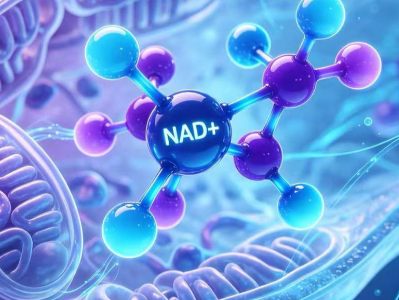
Another important way that this peptide supports metabolic health is by keeping cellular NAD+ levels stable. NAD⁺ is an important coenzyme that is involved in a huge number of biochemical processes, mostly those that make energy and burn fat. When too much nicotinamide is used up by NNMT activity through methylation, cells lose the ability to make new NAD⁺. This leads to an energy shortage that shows up as a slower metabolism and more fat storage.

Findings from research show that keeping NAD+ levels high in cells is highly linked to metabolic health and proper nutrient 5 amino 1mq peptide absorption.
The peptide's ability to change NNMT activity helps protect the substrates needed for NAD+ biosynthesis. This makes sure that mitochondria have enough cofactors to keep making energy. This action spreads through cellular metabolism and changes everything from how glucose is used to how fast lipids are burned.

5 amino 1mq peptide and NAD⁺-Driven Energy Regulation
The Central Role of NAD⁺ in Cellular Metabolism
NAD⁺ is one of the most important chemicals in the bioenergetics of cells. It takes part in oxidation-reduction processes that get energy from food. From glycolysis to the citric acid cycle to fatty acid oxidation, all of the body's major biochemical pathways depend on having enough 5-amino-1mq peptide to work properly. When the amount of NAD⁺ in cells drops, the rate at which metabolism works also drops. This leads to a chain of problems that go beyond just making energy. The connection between NNMT activity and NAD+ balance has become an important part of controlling metabolism.
Too much NNMT production causes a metabolic loss that takes nicotinamide away from pathways that repair NAD⁺, making it seem like there isn't enough of this important coenzyme. 5-amino-1mq peptide's therapeutic promise comes mainly from its ability to stop this wasted cycle, which lets cells keep the NAD+ levels they need to work at their best.
Mitochondrial Function and Energy Production
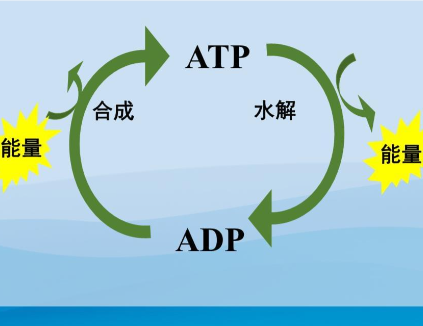
Oxidative phosphorylation is the main process that makes ATP in mitochondria, which are the powerhouses of cells. NAD⁺ is needed for this process because it moves high-energy electrons through the respiratory chain to power ATP production.
When NAD⁺ levels drop, mitochondrial activity goes down a lot, making it harder for the cell to use stored fats and other food sources to make energy. Research on metabolic interventions has shown over and over that methods that increase mitochondrial NAD+ levels are linked to faster fat burning and higher energy usage. The mechanism by which 5-amino-1mq peptide protects NAD+ pools directly leads to better mitochondrial function, making it easier for stored lipids to be released and turned into energy. This result is especially important in adipose tissue because mitochondrial activity has a big impact on whether fat is stored or burned.

How 5 amino 1mq peptide Enhances Fat Oxidation in Adipose Tissue

Adipocyte Metabolic Reprogramming
Adipose tissue is not just a place to store fat; it is also a metabolically active organ that changes based on signals from other parts of the body and the factors in its own area. Depending on how their metabolism works, different adipocytes either store fats or break them down to release energy. Researchers have found that NNMT is a sign of fatty tissue that isn't working right. High levels of NNMT are linked to less fat being burned and slower metabolism. When the 5-amino-1mq peptide changes the activity of NNMT in adipocytes, it sets off a chain of metabolic changes that make it more likely for fat to be used instead of stored.
A more oxidative trait starts to show up in gene expression patterns, with more proteins being made that help with fatty acid transport, beta-oxidation, and mitochondrial activity.This rewiring doesn't change cells into abnormal states; instead, it gets rid of metabolic brakes that were stopping fat from being burned normally.
Mitochondrial Density and Oxidative Capacity
The power of adipocytes to burn stored fat is directly related to the amount and functionality 5 amino 1mq peptide of mitochondria within them.
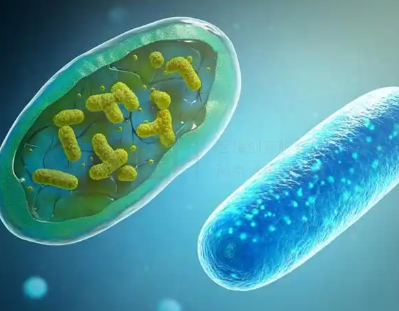
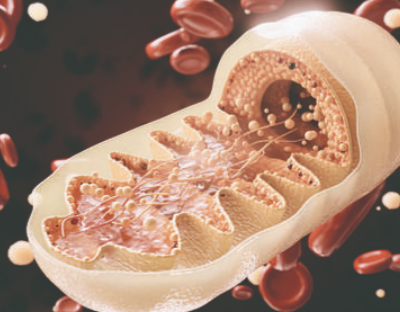
No matter how much energy the body needs, adipose tissue with low mitochondrial density can't break down fats very well.Helping mitochondria grow and work properly in fat tissue can greatly change the tissue's metabolism, changing it from an organ that mostly stores fat to one that can make a useful energy input. There is evidence that the NAD⁺-protecting benefits of the 5-amino-1mq peptide make it easier for mitochondria to grow and work at their best in adipocytes. Signaling pathways that help mitochondria grow are turned on when the energy charge of cells improves, and sirtuin activity goes up. Basically, this means that adipose tissue has more oxidation capacity, which means it can better respond to metabolic needs by burning stored fatty acids.

5 amino 1mq peptide for Balancing Lipogenesis and Lipolysis
Understanding the Lipid Balance Equation
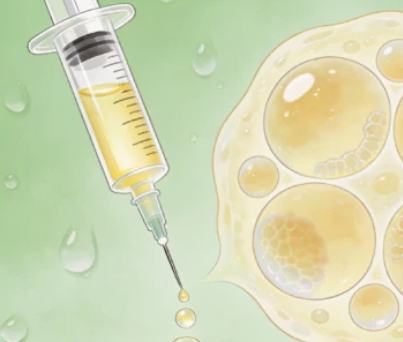
Keeping the right balance between lipogenesis (making and storing fat) and lipolysis (breaking down and releasing fat) is important for a healthy body makeup. When this balance leans too far toward lipogenesis, weight gain continues, no matter what else is done. On the other hand, when lipolysis happens at the right time in reaction to metabolic needs, the body uses stored energy efficiently, which helps with weight control and metabolic function. This fragile balance is affected by many things, such as hormonal signals, the supply of nutrients, and the metabolic state of cells. The way these outside messages change fat storage or release is based on the activity of enzymes.

Hormone Sensitivity and Metabolic Signaling
Adipose tissue reacts to different hormone messages that tell cells whether to store fat or release it. Hormones like adrenaline and glucagon speed up the breakdown of fat, while insulin encourages lipogenesis and blocks lipolysis. How cells react to these signals depends a lot on how sensitive the receptors are and how well the signals are sent downstream. Both of these can be slowed down in tissues that aren't working properly. Researchers have found that the metabolic state, which includes the abundance of NAD+ and the function of mitochondria, has a big effect on how sensitive adipocytes are to hormones. When cells have a strong energy metabolism, they tend to react better to regulatory signals.
Natural Metabolic Support With 5 amino 1mq peptide
Working With Physiological Pathways
The good thing about metabolic treatments that use natural biochemical routes is that 5 amino 1mq peptide they don't mess up normal body functions. Compounds that change the way current regulatory systems work tend to have more long-lasting effects with fewer problems than those that force metabolism into false states or stop natural processes. This principle is shown by the way that 5-amino-1mq peptide works: it fixes metabolic failure by getting rid of things that get in the way of normal function instead of ignoring what the cells know is best.

Integration With Lifestyle Factors
Molecular interventions don't work on their own, and the way metabolic support chemicals work depends a lot on the person's overall diet, exercise level, and way of life. The benefits of 5-amino-1mq peptide are most clear when it is part of a complete plan that includes getting enough protein, being active regularly, dealing with stress, and getting enough sleep.
These aspects of your lifestyle work together with the peptide's metabolic effects to make it possible for cellular changes to have real-world effects.Many of the same pathways are naturally activated by physical exercise, especially strength training and high-intensity interval training. Exercise raises the need for NAD+, helps mitochondria grow, and makes the metabolism more flexible. When these processes are supported at the molecular level along with exercise, the adaptive reactions are increased, speeding up changes in body composition and metabolic performance.


When this imbalance is fixed, cells' natural ability to handle fats efficiently is restored. This leads to gains in metabolic health that go beyond simple weight changes.
Long-Term Metabolic Optimization
For metabolic health to last, treatments must be able to be kept up for long periods of time without losing their effectiveness or having negative effects. Because changing NNMT activity is safe for the body, it could be used for a long time without causing resistance, which happens with many metabolic interventions. Over time, as long as cells keep their higher levels of NAD+ and reactive ability, the benefits keep adding up instead of stopping. Researchers are still looking into the best ways to use metabolic peptides.
Conclusion
Scientists have learned a lot about fat metabolism. They have found complex cellular processes that control whether our bodies burn stored energy efficiently or stubbornly hold on to it. The 5 amino 1mq peptide is a focused way to improve metabolism. It works through the NNMT pathway to solve basic issues in how cells control their energy. This substance keeps NAD⁺ available and improves mitochondrial function, which makes it possible for fat to be burned more efficiently and the metabolism to become more flexible. There are many benefits, not just losing weight. They include metabolic health in a wider sense. Better energy production, better hormone sensitivity, and better adipose tissue function all work together to make body balance and metabolic health better in the long term. As more study is done to fully understand this peptide's potential, its part in overall metabolic health plans becomes clearer. Those considering metabolic optimization approaches should recognize that molecular interventions work best within the context of supportive lifestyle practices. Adequate nutrition, regular physical activity, stress management, and quality sleep create the foundation upon which compounds like 5-amino-1mq peptide can deliver their full potential. This integrated approach offers the most promising path toward lasting metabolic transformation and improved quality of life.

FAQ
5-amino-1mq peptide specifically targets NNMT enzyme activity, unlike other stimulants that temporarily reduce hunger or speed up metabolism. This approach improves mitochondrial function and NAD+ availability, making fat burning simpler. The drug removes obstacles to normal fat metabolism, not alters it. This causes long-term metabolic health marker modifications beyond weight reduction. This accuracy and tolerance make it superior than broad-spectrum metabolic stimulants.
Metabolic alterations vary by parameter and period. Cells show NAD+ and mitochondrial activity alterations within days of treatment. These molecular improvements may take time to appear in the body. Most research investigations are examined over weeks to months. Body composition, energy, and metabolic indicators vary as cellular function increases. Individual responses depend on metabolic condition, lifestyle variables, and dosing. Regular usage appears better than heavy use for brief periods of time since metabolic function recovers to baseline over time.
The chemical's mechanism complements various metabolic optimization approaches. With the peptide's impact on cells, diets that emphasize protein, calorie restriction, and timing may improve things. Physical activity, particularly interval and strength training that naturally promotes mitochondrial adaptability, improves metabolic outcomes with NNMT inhibition. You may receive extra advantages by properly mixing it with other energy-using items like NAD+ precursors or mitochondrial cofactors. Early data suggest integrative strategies perform better than solo therapies as researchers investigate how to integrate methods.
Source High-Purity 5 amino 1mq peptide From BLOOM TECH – Your Trusted Supplier
BLOOM TECH stands as your reliable 5-amino-1mq peptide supplier, delivering pharmaceutical-grade peptide compounds that meet the stringent quality standards demanded by research organizations, pharmaceutical companies, 5 amino 1mq peptide and biotechnology firms worldwide. With over 12 years of specialized experience in organic synthesis and pharmaceutical intermediates, our GMP-certified production facilities (spanning 100,000 square meters with US, EU, JP, and CFDA certifications) ensure every batch meets exceptional purity standards exceeding 98%.
Our comprehensive quality assurance system implements triple-layer testing protocols-factory analysis, internal QA/QC department verification, and third-party certification through recognized Chinese regulatory authorities-guaranteeing complete confidence in product integrity. We provide detailed analytical documentation, including HPLC, MS data, and CMC files supporting regulatory submissions, backed by our complete refund guarantee for any contracted specifications not met. Our transparent pricing model, stable supply chain, and professional technical support team deliver one-stop service from initial inquiry through customs clearance, making BLOOM TECH your ideal partner for peptide research and development needs.
Contact our specialized peptide team today at Sales@bloomtechz.com to discuss your 5-amino-1mq peptide requirements, request certificates of analysis, or explore our extensive catalog of over 250,000 chemical compounds available for immediate shipment.
References
1. Kraus D, Yang Q, Kong D, et al. Nicotinamide N-methyltransferase knockdown protects against diet-induced obesity. Nature. 2014;508(7495):258-262.
2. Komatsu M, Kanda T, Urai H, et al. NNMT activation can contribute to the development of fatty liver disease by modulating the NAD+ metabolism. Scientific Reports. 2018;8:8637.
3. Hong S, Moreno-Navarrete JM, Wei X, et al. Nicotinamide N-methyltransferase regulates hepatic nutrient metabolism through Sirt1 protein stabilization. Nature Medicine. 2015;21(8):887-894.
4. Ulanovskaya OA, Zuhl AM, Cravatt BF. NNMT promotes epigenetic remodeling in cancer by creating a metabolic methylation sink. Nature Chemical Biology. 2013;9(5):300-306.
5. Cantó C, Menzies KJ, Auwerx J. NAD+ metabolism and the control of energy homeostasis: a balancing act between mitochondria and the nucleus. Cell Metabolism. 2015;22(1):31-53.
6. Gardell SJ, Hopf M, Khan A, et al. Boosting NAD+ with a small molecule that activates NAMPT. Nature Communications. 2019;10:3241.