


Fleas are more than just a nuisance. A single flea can lay up to 50 eggs per day, turning a minor infestation into a serious problem within weeks. Pet owners and veterinary professionals alike have long relied on topical treatments to break this cycle - and fipronil spot-on has earned its place as one of the most dependable options available.
But what makes this treatment so effective? Understanding how it works at the biological level helps explain why it remains a trusted choice across the global pet care market.
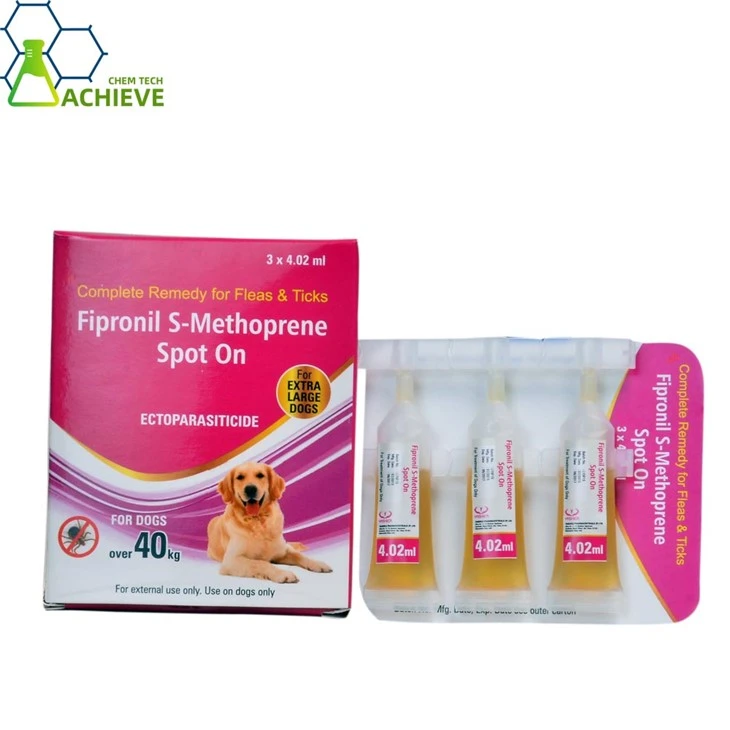
Fipronil Spot-On
1.General Specification(in stock)
(1)API(Pure powder)
PE/Al foil bag/ paper box for Pure powder
(2)Spot-On
cat:0.5ml
dog:0.67ml:2-10kg/1.34ml:10-20kg/2.68ml:20-40kg/4.02ml:40-60kg
(3)Solution
(4)Drops
2.Customization:
We will negotiate individually, OEM/ODM, No brand, for secience researching only.
Product Code:BM-9-018
Fipronil CAS 120068-37-3
Analysis: HPLC, LC-MS, HNMR
Technology support: R&D Dept.-3
How Does Fipronil Spot-On Kill Fleas Through Contact?
The Role of Skin-Resident Drug Distribution
Fipronil spot-on does not require a flea to bite the pet in order to work. Instead, it acts through direct contact. Once applied to the skin, fipronil diffuses through the sebaceous glands and spreads across the body surface, creating a continuous layer of active ingredient within the skin and fur. When a flea moves through the coat or settles on the skin, it absorbs fipronil through its cuticle - the outer covering of the insect's body.
This contact-kill process is a big part of the reason why topical treatments based on fipronil work even before fleas get close enough to feed.A study in the Journal of Veterinary Parasitology shows that fipronil reaches concentrations that can be measured across the hair within 24 hours of application and stays effective for up to four weeks under normal conditions.

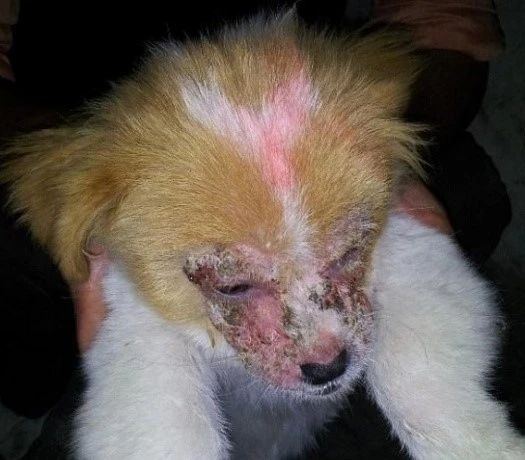
Speed of Action Against Adult Fleas
When it comes into contact with a flea, fipronil quickly moves through its shell and into its nervous system. Studies have shown that within hours of contact, adult fleas that are exposed to fipronil start to show neurological signs such as hyperactivity and loss of coordination. Most people die within 24 to 48 hours of being exposed. This quick knockdown effect stops adult fleas from having babies, which is very important because a female flea can start laying eggs 24 to 36 hours after feeding.Because it works by contact-killing fleas at all stages of their lives, including eggs that come into contact with treated fur or clothing, fipronil spot-on is a useful part of a larger plan to get rid of fleas.
Fipronil Spot-On and GABA Channel Disruption in Flea Nervous Systems
What Happens Inside the Flea's Nervous System
Fipronil is an insecticide in the phenylpyrazole group. The main way it works is by blocking the gamma-aminobutyric acid (GABA)-gated chloride channels in insect nerve cells. In healthy situations, GABA works as a calming neurotransmitter. It attaches to receptors on nerve cells, letting chloride ions flow in and making neurons less excitable.
Fipronil binds very strongly to these chloride channels and blocks them. When the channels are blocked, the flow of chloride ions stops, and the nerves of the insect stay excited all the time. The flea's neurons fire without control, which makes it overexcited, paralyzes it, and kills it. The neural reaction starts almost as soon as fipronil gets to the nervous system, so this is not a slow process.
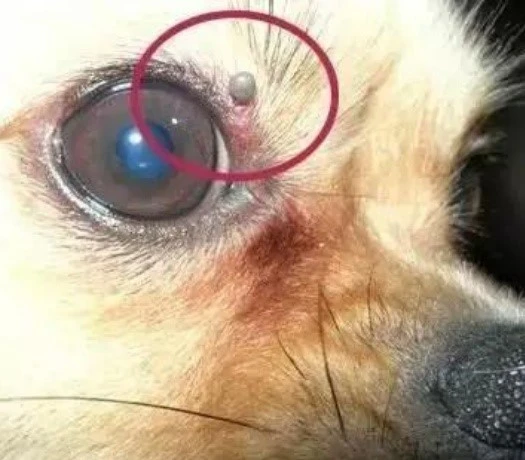
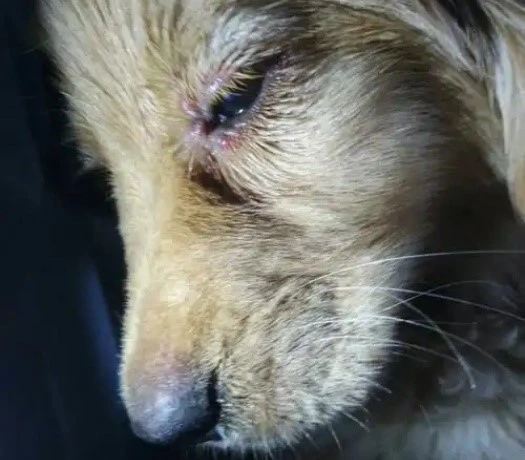
Selectivity Between Insects and Mammals
The difference in structure between bug GABA receptors and human GABA receptors is a key point that supports the safety profile of fipronil spot-on. It is much easier for fipronil to bind to GABA-gated chloride channels in insects than it is to bind to the same receptors in mammals. The wide safety range seen in pets when the product is used as recommended is due to this selectivity in biochemistry.
Regulatory reviews from groups like the US EPA and EMEA have looked at fipronil's neurotoxic selectivity and confirmed that it is safe for animals to use topically at the concentrations that are recommended. Veterinarians and pet owners all over the world trust medicines based on fipronil because of this scientific basis.
Why Does Fipronil Spot-On Remain on the Pet's Skin After Application?
Sebum Binding and Follicular Reservoir Formation
One of the best things about fipronil spot-on is that it stays on the skin for a long time. It is very easy for fipronil to bind to fats and oils because it is a highly lipophilic product. After being applied, it goes into the sebaceous glands and links to the grease that the skin naturally makes. In this way, what experts call a "follicular reservoir" is created. This is a storehouse of the active ingredient fipronil that is located in the hair follicles and slowly releases it onto the skin to coat it over time.
For example, cat skin has about 50 to 80 hair cells per square centimeter, which makes it a very thick reservoir network.
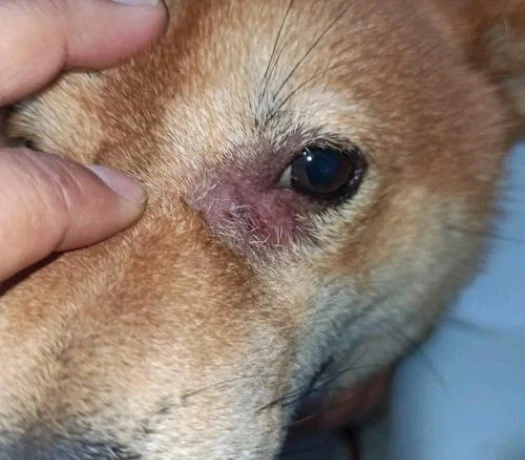
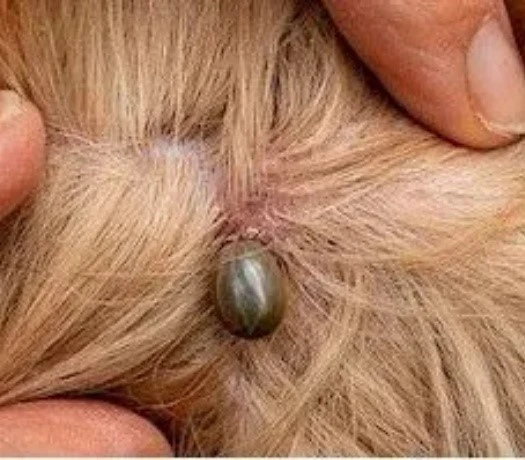
This is one reason why drug residues in cat skin are 20–30% higher than in dog skin after the same doses, suggesting that the protection lasts longer in cats.
Resistance to Washing and Environmental Loss
Given that fipronil is located within the sebaceous gland system and not just on the fur's surface, it is very difficult to remove by water exposure. Studies have shown that the amount of fipronil on the coat stays within the effective range even after moderate water exposure. However, using shampoos with detergents over and over can make the fipronil less persistent. Because of this, fipronil spot-on is a good choice for pets that are busy or people who live in hot places where flea pressure is higher.
How Fipronil Spot-On Exposure Disrupts Flea Movement and Feeding
Behavioral Changes Before Mortality
Fipronil makes it very hard for fleas to do their job before it actually kills them. Fleas that are subjected to amounts below the lethal level have problems with their jumping response, which is controlled by synchronized neural signals. As the GABA channel blockade gets worse, the flea loses its ability to find a host, a place to eat, or to stick to fur. These changes in behavior make it less likely that the animal will be able to eat, even if it hasn't died yet.
Interruption of the Flea Life Cycle
Fipronil spot-on stops the flea life cycle at its most important point by killing adult fleas before they can feed and have babies.Fleas need to eat blood in order to make eggs that will hatch.When fipronil stops adults from eating and kills them, egg production stops.
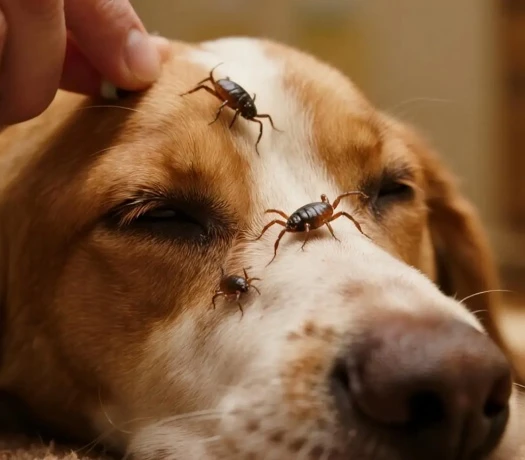
With residual activity against larvae that touch treated fur, the treatment puts pressure on multiple life stages at the same time, lowering the number of fleas in the environment over the course of several weeks of use.
From Surface Contact to Neural Failure: How Fipronil Spot-On Controls Fleas
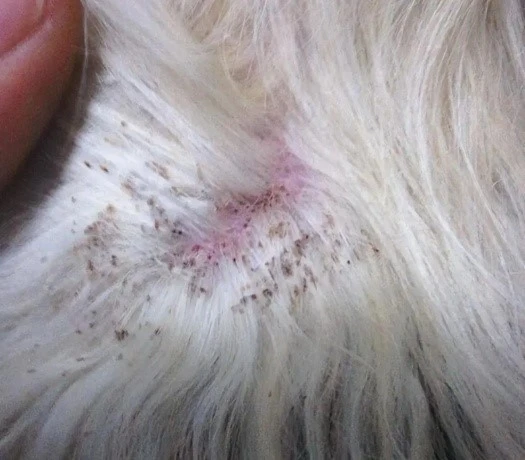
The Integrated Mechanism from Skin to Synapse
Fipronil spot-on has three stages that work together to control the whole process: it is absorbed through the insect's cuticle, it is transported to the nervous system, and it blocks GABA channels permanently. Each step makes the one before it louder. Fipronil is quickly absorbed by the cuticle because it is lipophilic, which means it reacts with the waxy outer layer of the flea. Because the compound moves through the insect's hemolymph, neural transport happens quickly afterward. Then, blocking channels has effects that can't be undone because fipronil binds strongly and doesn't easily come loose from its receptor site.
Why This Mechanism Outperforms Older Insecticides
Organophosphates and pyrethroids are two older types of poisons that also work on the nervous systems of insects,
but they do so through different receptors. It has been shown that flea populations become resistant to some of these older combination groups. Fipronil only affects GABA-gated chloride channels, which is a biochemically unique target site. Its high binding affinity makes sublethal exposure less likely, which is what usually leads to resistance selection. This difference in how it works is one reason why skin treatments based on fipronil keep working reliably in situations where older chemicals have been shown to not work.
Conclusion
Fipronil spot-on is a precise, multi-stage product that works by diffusing through the skin and disrupting nerve cells. This makes it a reliable way to keep fleas away from pets. It's better at getting rid of fleas in real life because it can build up a long-lasting reserve in the skin, kill fleas on contact before they feed, and mess up the flea life cycle. Knowing how it works helps people who work with pets and sell products make smart choices about which products to use and how to apply them.
Frequently Asked Questions
1. What makes fipronil spot-on effective against fleas compared to oral treatments?
+
-
Fipronil spot-on works by direct contact with the skin surface therefore fleas do not need to bite the pet for the treatment to be effective. It builds a stable reservoir in the sebaceous glands that continuously supplies the active ingredient, offering sustained surface-level protection in addition to systemic therapies.
2. How long does fipronil spot-on stay effective after a single application?
+
-
Under normal conditions, one treatment of fipronil spot-on normally lasts for around four weeks against adult fleas . Some refined formulations have prolonged this window to as much as eight weeks using modifications in solvent systems and carrier design. The length of time to use this product may vary, depending on your pet's coat quality, how often you bathe your pet and the level of flea pressure in the environment.
3. Is fipronil spot-on safe for both cats and dogs?
+
-
Yes, when used as directed on the label. However, the compositions of the products and quantities of dosing vary between species. All cat products have a volume of 0.5 ml while dog formulas are weight-stratified into four grades of volume. Never use a product meant for dogs on a cat; the dosages and formulas are different for each species.
Partner with Bloomtechz for Reliable Fipronil Spot-On Supply
We at Bloomtechz know that businesses in the veterinary and specialty chemical industries can't do without reliable supply lines and uniform quality. Bloomtechz is a reliable provider of fipronil spot-on that has been making organic compounds and fine chemicals for over 12 years. They work out of a 100,000-square-meter GMP-certified production center that meets the standards of the US FDA, the EU, Japan, and the CFDA. There are three checks in our quality assurance process: research in the plant, review by internal QA/QC, and testing by a third-party authority. To help you reach your business goals, we offer OEM/ODM customization, a range of flexible packing choices, clear pricing, and set profit margins. Our team is ready to meet your needs quickly and accurately, whether you are looking for supplies for wholesale distribution, making veterinary products, or doing research on specialty chemicals. Get in touch with us right away, and we'll show you why 24 of the biggest companies in the world trust Bloomtechz as their provider.
Please get in touch with us at Sales@bloomtechz.com.
References
1. Hainzl, D., Cole, L. M., & Casida, J. E. (1998). Mechanisms for selective toxicity of fipronil insecticide and its sulfone metabolite and desulfinyl photoproduct. Chemical Research in Toxicology, 11(12), 1529–1535.
2. Schroeder, M. E., & Flattum, R. F. (1984). The mode of action and neurotoxic properties of the nitromethylene heterocycle insecticides. Pesticide Biochemistry and Physiology, 22(2), 148–160.
3. Gupta, R. C. (Ed.). (2012). Veterinary Toxicology: Basic and Clinical Principles (2nd ed.). Academic Press.
4. Rust, M. K., & Dryden, M. W. (1997). The biology, ecology, and management of the cat flea. Annual Review of Entomology, 42, 451–473.
5. Cochet, P., Birckel, P., Bromet-Petit, M., Bromet, N., & Weil, A. (1997). Skin distribution of fipronil by microautoradiography following topical administration to the beagle dog. European Journal of Drug Metabolism and Pharmacokinetics, 22(3), 211–216.
6. Jennings, K. A., Canerdy, T. D., Keller, R. J., Eberle, W. J., Holladay, S. D., & Pegram, R. A. (2002). Human exposure to fipronil from dogs treated with Frontline. Veterinary and Human Toxicology, 44(6), 301–303.