


Metabolic efficiency is a measure of how well your body turns food into energy. Researchers and people who make drugs are always looking for chemicals that can help cells make more energy without interfering with how the body normally works. Metabolic study is interested in 5 amino 1mq peptide injection because it shows how certain molecular interactions can be used to make energy routes in cells better.
We need to look at how this peptide works with certain cell factors to figure out how it changes the way energy is made. There are key enzymes in cells that change how they make, store, and use energy. While broad-spectrum metabolic medicines work on many molecules, this peptide seems to focus on just a few that control the body's energy balance.Pharmaceutical companies and research groups that want to find high-purity metabolic chemicals need to know how energy is turned on and off. The science behind how a 5-amino-1-mq peptide injection changes the energy systems of cells is looked at in this piece. It's useful knowledge for people who are studying metabolic treatments and ways to control energy.
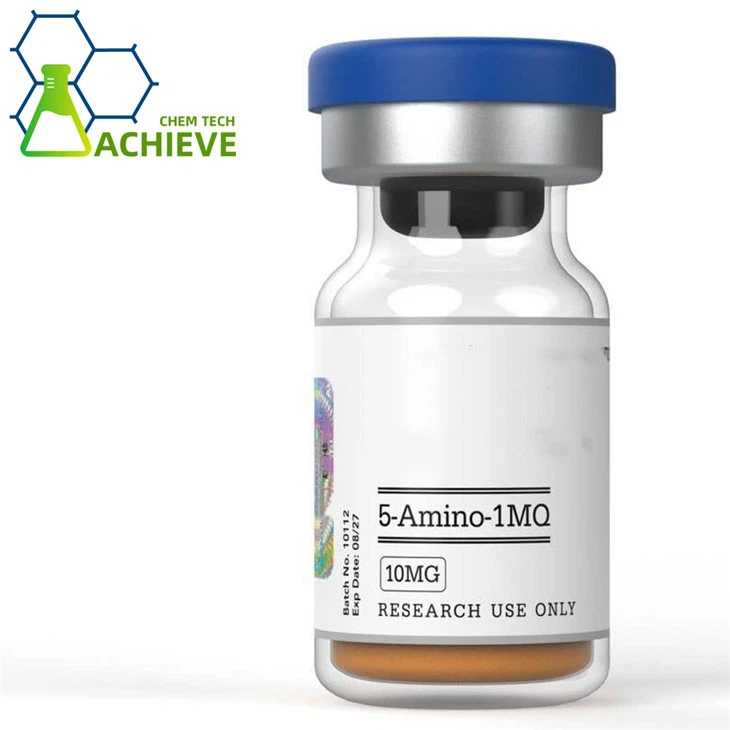
5-amino-1mq Injection
1.General Specification(in stock)
(1)API(Pure powder)
(2)Tablets
(3)Injection
(4)Capsules
(5)Oral Drops
2.Customization:
We will negotiate individually, OEM/ODM, No brand, for secience researching only.
Internal Code: BM-3-113
5-amino-1MQ\NNMTi\5-amino-1-methylquinolinium\5-Amino-1-methylquinolinium chloride CAS 42464-96-0
Manufacturer: BLOOM TECH Xi'an Factory
Main market: USA, Australia, Brazil, Japan, Germany, Indonesia, UK, New Zealand , Canada etc.
We provide 5 amino 1mq peptide, please refer to the following website for detailed specifications and product information.
Product:https://www.bloomtechz.com/oem-odm/injection/5-amino-1mq-injection.html

How Does 5 amino 1mq peptide Injection Increase Cellular Energy Activity?
The Molecular Target: NNMT Enzyme Inhibition
Nicotinamide N-methyltransferase (NNMT) is mainly blocked by 5-amino-1-methylquinoline peptide injection, which changes the energy of cells. Nicotinamide is made from vitamin B3 and helps make NAD+. The methylation process goes faster with this enzyme. Nicotinamide and methyl groups are used up by NNMT when its activity goes up. This makes it harder for substrates that are needed to make NAD+ to be found. By stopping NNMT, the peptide saves the stores of nicotinamide. This helps cells keep high amounts of NAD+, which helps systems that make energy.


An important coenzyme called NAD+ is used in a lot of biological reactions, mostly those that have to do with glycolysis, the citric acid cycle, and oxidative phosphorylation.These steps work better when there is more NAD+ available, which helps mitochondria make ATP more quickly. Researchers have found that stopping NNMT is linked to more metabolic flexibility. This means that cells can use different food sources more efficiently based on what they need and what is available.
Cellular Bioenergetics and Mitochondrial Function
The energy source for the cell is ATP, which is made by mitochondria through oxidative phosphorylation. The 5 amino 1mq peptide injection helps the mitochondria do their job by maintaining a steady NAD+/NADH ratio.
This makes the electron transport chain work better. When this number changes in a good way, mitochondria can burn more glucose or fatty acids and make more ATP for each one.Higher amounts of NAD+ turn on sirtuins, a group of proteins that control mitochondrial growth and quality control. They also help make more ATP. No matter how much NAD+ is in the body, sirtuins will not work properly if it is not present. Through a process called mitophagy, these proteins make it easier for broken organelles to be taken out of the cell. They also help make new mitochondria that work well.

5 amino 1mq peptide Injection and AMPK/PGC-1α Metabolic Pathways

AMPK Activation as an Energy Sensor
The main energy sensor in a cell is AMP-activated protein kinase (AMPK). It responds to changes in the amount of AMP to ATP. If there is not enough energy, AMPK stops pathways that use energy and starts pathways that make ATP. The 5-amino-1-mq peptide injection lowers the amount of AMPK activity by increasing the supply of NAD+. This gives cells more energy.When NAD+ levels stay high, cells are better able to keep their energy levels steady. At times, this can make AMPK work even when it usually wouldn't. When AMPK is turned on, it starts a chain of events that makes the body make more energy.
Taking in more glucose, burning fat more effectively, and making mitochondria work better are some of these. In turn, this creates a positive feedback loop where more energy makes the body work even better.
PGC-1α and Mitochondrial Biogenesis
The gene name PGC-1α, which means peroxisome proliferator-activated receptor gamma coactivator 1, is a key player in the formation of mitochondria and aerobic metabolism. Many signals, like sirtuin activity and AMPK activation, can make this transcriptional coactivator do something.


How 5 amino 1mq peptide Injection Enhances Fatty Acid Oxidation
β-Oxidation Pathway Optimization
In mitochondria, β-oxidation is the main way that fatty acids are broken down. This process removes two-carbon units from fatty acid chains one at a time. A lot of the enzyme steps in this process need NAD+ as a cofactor. The 5-amino-1-methylquinoline peptide injection makes sure there is enough NAD+, which helps β-oxidation. This lets the route do its best job when fatty acids are the main source of fuel.Having more β-oxidation ability is very helpful for cells that need to get energy from fats, like when they are hungry, working out for a long time, or on a ketogenic diet.


CPT1 Regulation and Mitochondrial Fatty Acid Transport
A protein known as CPT1 controls the step that makes it take longer for fatty acids to enter mitochondria. This enzyme links long-chain fatty acids to carnitine molecules, which lets them to pass through the mitochondrial membrane and undergo β-oxidation.
This system controls the transport system and makes sure it works well when cells need to use fatty acids as fuel. It helps this process in a roundabout way by keeping the conditions inside cells that make AMPK and CPT1 work well. There is a steady flow of fatty acids into mitochondria, which meets the need for fuel and oxygenation.


5 amino 1mq peptide Injection for ATP Production and Energy Conversion

Glycolytic Efficiency and NAD+ Regeneration
NAD+ is needed to change glyceraldehyde-3-phosphate to 1,3-bisphosphoglycerate. This is the first step in the process of making glucose. This process makes NADH, which needs to be turned back into NAD+ so that glycolysis can keep going. The 5-amino-1-methylquinolinium peptide injection keeps the amount of the NAD+ pool the same. This means that cofactors don't get in the way of glycolytic flow.When there is oxygen around, mitochondria use the electron transport chain to reoxidize NADH. It makes both NAD+ and ATP at the same time.
Citric Acid Cycle Enhancement
Inside the mitochondria, the citric acid cycle, which is also called the Krebs cycle, burns acetyl-CoA that comes from carbs, fats, and amino acids. An important part of the cycle is NAD+, which helps isocitrate dehydrogenase, α-ketoglutarate dehydrogenase, and malate dehydrogenase do their jobs. Adding the 5-amino-1-mq peptide injection changes the amount of NAD+, which changes the direction of the cycle. Cells can then use more acetyl-CoA and make more reducing equivalents, which helps them make ATP.More NADH, FADH2, and GTP are made when the citric acid cycle works better. These chemicals help cells keep their energy levels steady. Biosynthetic intermediates are also made by the cycle.

Energy Metabolism Optimization With 5 amino 1mq peptide Injection

Metabolic Adaptation to Physiological Demands
The metabolic activity of tissues changes all the time based on what they need to do their job. When you work out, your skeletal muscles make more energy, your heart tissue always makes a lot of ATP, and your liver keeps saving fuel and using it quickly. The 5 amino 1mq peptide injection helps these adapted reactions because it keeps the biochemical flexibility that is needed for metabolism to change quickly.
This 5 amino 1mq peptide injection peptide protects NAD+ stores and helps the AMPK/PGC-1α pathways so that cells can increase their oxidative ability when they need to.
Circadian Rhythm and Metabolic Synchronization
Nicotinamide phosphoribosyltransferase (NAD+) activity and NAD+ levels change throughout the day. This helps keep the metabolism steady. The amount of NNMT changes throughout the day, which means that the amount of NAD+ may change at different times.


The 5-amino-1-methylquinolinium peptide injection could help keep NAD+ levels steady throughout the day. This would reduce changes in metabolism and make energy more accessible all the time.Metabolism that works with circadian rhythms makes better use of energy by timing when fuel is burned with exercise and when rest is taken to speed up the mending process. It's possible that the 5-amino-1-mq peptide injection helps keep NAD+ stores steady, which could lead to better circadian metabolic processes. This is especially true when a change in pace could hurt digestive health.

Conclusion
That being said, the 5 amino 1mq peptide injection blocks NNMT, which changes how cells use energy. This keeps the NAD+ stores that help many energy-making routes from breaking down. AMPK and PGC-1α are key metabolism controllers that are turned on by the peptide. It also makes the best use of cofactors to improve the oxidation of both glucose and fatty acids. These effects work together to improve the efficiency of making ATP and make the metabolism more flexible to different states of the body.
Scientists who study metabolism and drug companies that make metabolic treatments can both learn a lot from these chemical bases. The peptide can improve energy metabolism through biochemical optimization instead of drug control. This means that it could be used in studies on metabolism, the making of new compounds, and some types of treatments.
More study into how the peptide affects energy use will help figure out what it can be used for and how to do it most effectively. As research continues, scientists will learn more about how stopping NNMT changes the bioenergetics of cells. This will help them come up with better ways to do tests and make new medicines.
FAQ
The 5-amino-1-mq peptide injection stops the NNMT enzyme from doing its job. This keeps the stores of nicotinamide safe, which is needed to make NAD+. Sirtuins are turned on when there is more NAD+ in the cell. This helps many energy-making processes, like glycolysis, fatty acid oxidation, and oxidative phosphorylation. This complicated method gives cells more energy without messing up the way they normally control themselves.
The 5-amino-1-mq peptide injection gets rid of a metabolic block (high NNMT activity) that stops NAD+ from being available. This is better than using drugs to turn on certain pathways. This method keeps the body's feedback systems running. This lets cells keep their metabolism in check by using more cofactors and taking into account what each tissue needs and what the rest of the body is telling them.
It is very important to learn about the genetics of NAD+, how mitochondria work, metabolic flexibility, and energy balance. The 5-amino-1-mq peptide injection is a good way to study how NNMT activity impacts the bioenergetics of cells, test ideas about processes that depend on NAD+, and come up with metabolic modification methods that improve energy production through molecular mechanisms.
Partner With BLOOM TECH as Your Trusted 5 amino 1mq peptide Injection Supplier

Shaanxi BLOOM TECH Co., Ltd. sells metabolic chemicals that are good enough to study and come with a quality promise and technical know-how. The FDA, the EU, and the CFDA all agree with the GMP standards that our sites meet. This makes sure that the level of clarity needed for drug research and development is at the level needed for drugs. We provide ultra-pure 5 amino 1mq peptide injections that come with full analytical proof, including HPLC and MS profiles and records of analysis that are unique to each batch. These can be used for very strict scientific studies.
We know how important it is to be constant, keep records, and follow all rules because we work with research centers, biotechnology companies, and pharmaceutical companies all over the world. Our team of experts is here to help you with every part of your project, from picking the right mix to making it bigger. We have fair prices, clear cost structures, and dependable cold-chain services that make sure the product stays in good shape from our warehouse to your lab.
BLOOM TECH is a trustworthy 5-amino-1mq peptide injection supplier with the quality systems, stable supply chains, and scientific know-how that your projects need. They can help you with both small-scale metabolic studies and large-scale uses in business. Send us an email at Sales@bloomtechz.com to tell us about your specific needs and learn how our all-in-one service platform can help you get your research done faster and for the same low prices you can find in China.
References
1. Komatsu M, Kanda T, Urai H, et al. NNMT activation can contribute to the development of fatty liver disease by modulating the NAD+ metabolism. Scientific Reports. 2018;8:8637.
2. Kraus D, Yang Q, Kong D, et al. Nicotinamide N-methyltransferase knockdown protects against diet-induced obesity. Nature. 2014;508(7495):258-262.
3. Cantó C, Menzies KJ, Auwerx J. NAD+ metabolism and the control of energy homeostasis: a balancing act between mitochondria and the nucleus. Cell Metabolism. 2015;22(1):31-53.
4. Ullman JC, Aja S, Mottillo EP, et al. Nicotinamide N-methyltransferase: a promising target for metabolic disease treatment. Current Opinion in Endocrine and Metabolic Research. 2020;12:27-33.
5. Ruderman NB, Xu XJ, Nelson L, et al. AMPK and SIRT1: a long-standing partnership? American Journal of Physiology-Endocrinology and Metabolism. 2010;298(4):E751-E760.
6. Scarpulla RC, Vega RB, Kelly DP. Transcriptional integration of mitochondrial biogenesis. Trends in Endocrinology & Metabolism. 2012;23(9):459-466.