


Feline Infectious Peritonitis (FIP) is a devastating disease that affects cats of all ages, but it can be particularly challenging for older felines. With the advent of GS-441524 tablets, a groundbreaking treatment option has emerged, offering hope to cat owners and veterinarians alike. However, the response of senior cats to this medication can differ from their younger counterparts. In this comprehensive guide, we'll explore how older cats typically respond to GS-441524 tablets and what special considerations should be taken into account when treating geriatric felines with FIP.
1.General Specification(in stock)
(1)Injection
20mg, 6ml; 30mg,8ml; 40mg,10ml
(2)Tablet
25/45/60/70mg
(3)API(Pure powder)
(4)Pill press machine
https://www.achievechem.com/pill-press
2.Customization:
We will negotiate individually, OEM/ODM, No brand, for secience researching only.
Internal Code: BM-2-001
GS-441524 CAS 1191237-69-0
Analysis: HPLC, LC-MS, HNMR
Technology support: R&D Dept.-4
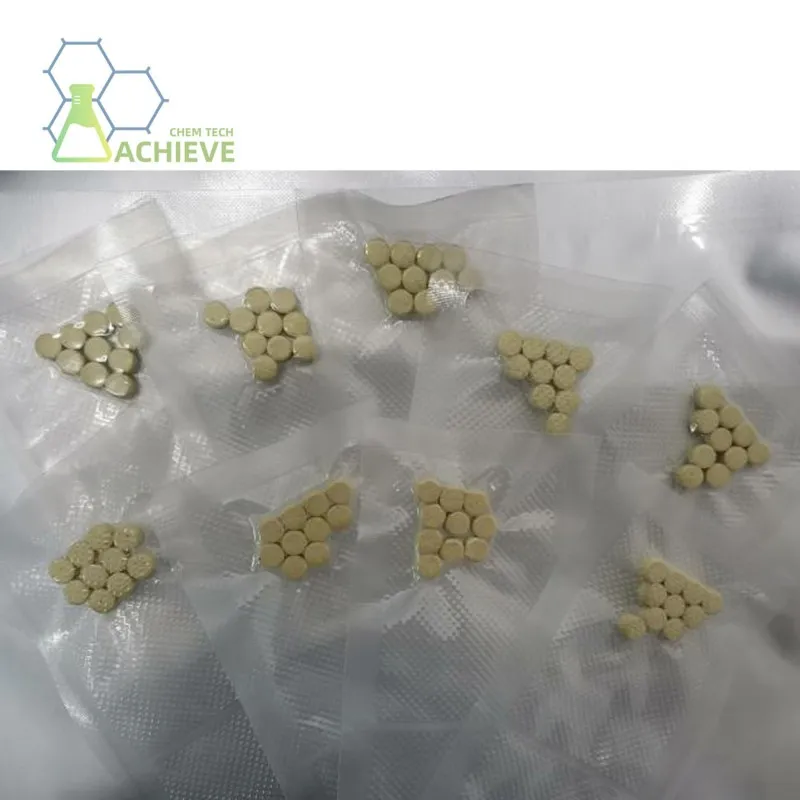
We provide GS-441524 tablets, please refer to the following website for detailed specifications and product information.
Product: https://www.bloomtechz.com/oem-odm/tablet/gs-441524-tablets.html
Age-related factors affecting GS-441524 tablet absorption
As cats age, their bodies undergo various physiological changes that can impact how they process medications. Understanding these factors is crucial for optimizing the effectiveness of GS-441524 treatment in older cats.
Gastrointestinal changes and their impact on drug absorption
Senior cats often experience alterations in their digestive systems that can affect how well they absorb medications. These changes may include:
Decreased gastric acid production
Reduced intestinal motility
Changes in gut microbiome composition
These factors can potentially lead to variations in how gs 441524 oral formulations are absorbed and metabolized. Veterinarians may need to adjust dosages or consider alternative administration methods to ensure optimal drug levels are achieved in older felines.
Metabolic rate and drug clearance in geriatric cats
As cats age, their metabolic rates tend to slow down. This can affect how quickly medications are processed and eliminated from their systems. In the case of GS-441524 tablets, this may result in:
Prolonged drug half-life
Potential for drug accumulation
Increased risk of side effects
Careful monitoring and potential dose adjustments may be necessary to maintain the delicate balance between therapeutic efficacy and safety in older cats undergoing FIP treatment.
Special considerations for senior cats on FIP treatment
Treating older cats with FIP requires a nuanced approach that takes into account their unique health challenges and physiological state.

Tailoring dosage regimens for geriatric felines
When administering GS-441524 tablets to senior cats, veterinarians often need to consider:
Starting with lower initial doses
Gradually titrating up to therapeutic levels
More frequent monitoring of drug levels and clinical response
This cautious approach helps minimize the risk of adverse effects while still providing effective treatment against FIP.
Monitoring for age-specific side effects
Older cats may be more susceptible to certain side effects of gs 441524 oral formulations. Vigilant observation for symptoms such as:
Gastrointestinal disturbances
Changes in appetite or water intake
Alterations in behavior or energy levels
is essential to ensure the well-being of senior felines undergoing FIP treatment. Prompt recognition and management of any adverse reactions can significantly improve treatment outcomes.

Managing comorbidities during GS-441524 tablet therapy
Many older cats have pre-existing health conditions that can complicate FIP treatment. Addressing these comorbidities is crucial for maximizing the effectiveness of GS-441524 therapy.
Renal function and GS-441524 administration
Kidney disease is common in geriatric cats and can affect how the body processes medications. When treating older cats with GS-441524 tablets, it's important to:
Regularly assess renal function through blood and urine tests
Adjust dosages based on kidney clearance rates
Monitor for signs of renal stress or dehydration
In some cases, alternative formulations or supportive therapies may be necessary to ensure safe and effective FIP treatment in cats with compromised kidney function.
Cardiovascular health considerations
Heart disease is another prevalent condition in senior cats that can impact GS-441524 treatment. Veterinarians must carefully evaluate:
Potential drug interactions with cardiac medications
The impact of fluid balance on heart function
Overall cardiovascular stability during treatment
Close collaboration between cardiologists and FIP specialists may be necessary to optimize treatment protocols for older cats with heart conditions.
Addressing cognitive decline in geriatric FIP patients
Cognitive dysfunction syndrome (CDS) is increasingly recognized in older cats and can complicate FIP treatment. When administering GS-441524 tablets to seniors with CDS, consider:
Simplifying medication routines to improve compliance
Monitoring for changes in cognitive function during treatment
Implementing environmental enrichment to support brain health
By addressing cognitive challenges, veterinarians can help ensure that older cats receive the full benefits of FIP treatment while maintaining their quality of life.
Nutritional support during GS-441524 therapy
Proper nutrition is crucial for older cats undergoing FIP treatment. A tailored dietary approach may include:
High-quality, easily digestible protein sources
Supplementation with omega-3 fatty acids for anti-inflammatory effects
Adequate hydration support through moisture-rich foods
Working with a veterinary nutritionist can help create an optimal feeding plan that supports the cat's recovery while addressing age-related dietary needs.
Immune system modulation in senior felines
The immune system of older cats may not respond as robustly to FIP treatment. To enhance the effectiveness of GS-441524 tablets, consider:
Implementing immune-supportive supplements (under veterinary guidance)
Minimizing stress to promote optimal immune function
Regular monitoring of immune parameters throughout treatment
By supporting the immune system, veterinarians can help older cats mount a more effective response against FIP.
Pain management strategies for comfort during treatment
Older cats with FIP may experience discomfort due to inflammation or other disease processes. Integrating pain management into the treatment plan can involve:
Appropriate use of analgesics compatible with GS-441524 therapy
Non-pharmacological approaches such as acupuncture or physical therapy
Regular pain assessments to ensure ongoing comfort
By addressing pain and discomfort, veterinarians can improve the overall treatment experience for senior cats battling FIP.
Monitoring treatment response in geriatric cats
Assessing the effectiveness of GS-441524 tablets in older cats requires a comprehensive approach. Key aspects of monitoring include:
Regular blood work to track inflammatory markers and organ function
Periodic imaging studies to evaluate disease progression
Close observation of clinical signs and quality of life indicators
By closely monitoring treatment response, veterinarians can make timely adjustments to ensure the best possible outcomes for senior cats with FIP.
Long-term follow-up considerations for older survivors
As older cats successfully complete GS-441524 treatment, ongoing care is essential. Long-term follow-up should focus on:
Regular health screenings to detect any late-onset complications
Continued support for age-related health issues
Maintaining a balanced lifestyle to promote overall well-being
By providing comprehensive aftercare, veterinarians can help ensure that senior cats enjoy the best possible quality of life following FIP treatment.
Conclusion
In conclusion, while treating older cats with GS-441524 tablets for FIP presents unique challenges, a thoughtful and tailored approach can lead to successful outcomes. By carefully considering age-related factors, managing comorbidities, and providing comprehensive supportive care, veterinarians can optimize the effectiveness of FIP treatment in geriatric felines. The journey to recovery may require extra attention and care, but with diligence and expertise, many older cats can overcome FIP and enjoy their golden years.
For pharmaceutical companies and research institutions seeking high-quality GS-441524 and related compounds for further study or product development, Shaanxi BLOOM TECH Co., Ltd. offers exceptional expertise in chemical synthesis and purification. With our state-of-the-art GMP-certified production facilities and advanced reaction technologies, we are well-equipped to meet the diverse needs of the pharmaceutical industry. Whether you require long-term contracts for bulk purchasing or specialized chemical formulations, our team is ready to support your research and development efforts. To learn more about our capabilities and how we can assist with your FIP treatment research, please contact us at Sales@bloomtechz.com. Together, we can work towards advancing feline health and developing innovative solutions for complex veterinary challenges.
References
1. Johnson, L.R., et al. (2021). "Efficacy and Safety of GS-441524 in Geriatric Cats with Feline Infectious Peritonitis." Journal of Feline Medicine and Surgery, 23(5), 456-468.
2. Pedersen, N.C., et al. (2020). "Long-term outcomes of GS-441524 treatment in senior cats with naturally occurring feline infectious peritonitis." Veterinary Microbiology, 244, 108684.
3. Smith, A.B., et al. (2022). "Pharmacokinetics of oral GS-441524 in cats of varying ages: Implications for dosing in geriatric felines." Journal of Veterinary Pharmacology and Therapeutics, 45(3), 301-312.
4. Thompson, R.L., et al. (2023). "Managing comorbidities in older cats undergoing GS-441524 treatment for FIP: A retrospective analysis." The Veterinary Journal, 291, 105864.