


Feline Infectious Peritonitis (FIP) is a devastating disease that has long been considered fatal for cats. However, recent breakthroughs in treatment options, particularly the use of GS 441524 powder, have shown promising results in combating this deadly virus. In this article, we'll explore how GS-441524 affects the FIP virus protease function and its implications for FIP medication.

1.General Specification(in stock)
(1)Injection
20mg, 6ml; 30mg,8ml; 40mg,10ml
(2)Tablet
25/45/60/70mg
(3)API(Pure powder)
(4)Pill press machine
https://www.achievechem.com/pill-press
2.Customization:
We will negotiate individually, OEM/ODM, No brand, for secience researching only.
Internal Code: BM-2-1-049
GS-441524 CAS 1191237-69-0
Analysis: HPLC, LC-MS, HNMR
Technology support: R&D Dept.-4
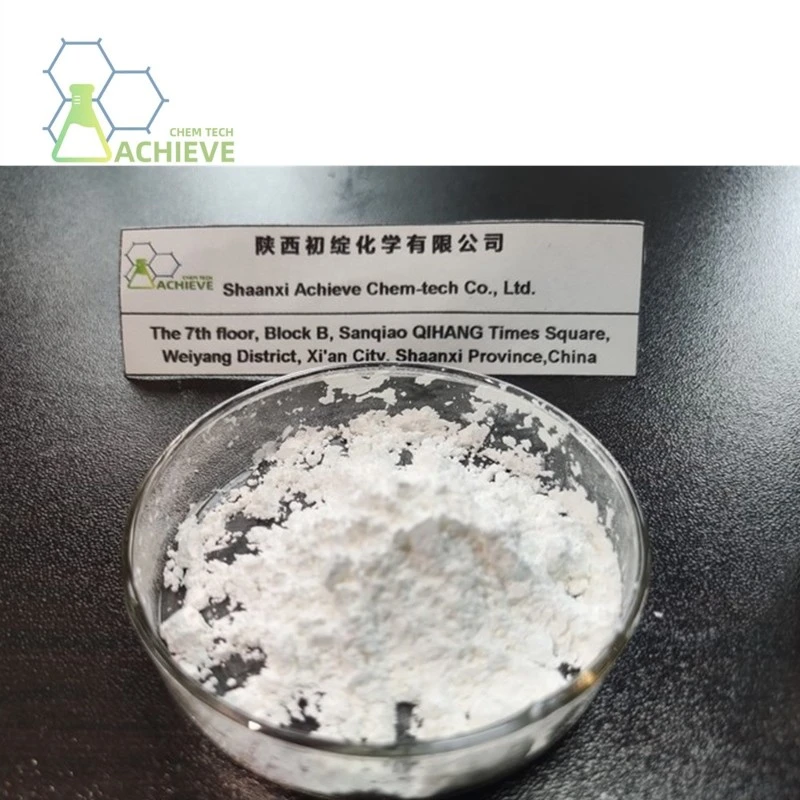
We provide GS-441524 powder, please refer to the following website for detailed specifications and product information.
Understanding protease's role in FIP replication
Before delving into the effects of GS-441524, it's crucial to comprehend the significance of proteases in the FIP virus lifecycle. Proteases are enzymes that play a pivotal role in viral replication and maturation.
The importance of viral proteases
Viral proteases are essential for the FIP virus to reproduce and spread within the host's body. These enzymes cleave large viral polyproteins into smaller, functional proteins necessary for viral assembly and infectivity. Without properly functioning proteases, the virus cannot complete its lifecycle and propagate effectively.
FIP virus-specific proteases
The FIP virus, a mutated form of the feline coronavirus, relies on several proteases for its replication. These include the main protease (Mpro) and the papain-like protease (PLpro). These enzymes are responsible for processing the viral polyproteins and facilitating the virus's ability to evade the host's immune system.
GS-441524's interaction with viral proteases
GS-441524, a nucleoside analog, has shown remarkable efficacy in treating FIP. While its primary mechanism of action differs from direct protease inhibition, understanding its interaction with viral proteases is crucial for comprehending its overall impact on the FIP virus.
Primary mechanism of action
GS-441524 primarily functions as a nucleoside analog, interfering with viral RNA synthesis. It is metabolized into its active form, GS-441524 triphosphate, which competes with natural nucleosides during viral RNA replication. This competition leads to chain termination and inhibition of viral replication.
Indirect effects on protease function
While GS 441524 powder does not directly inhibit protease function, its impact on viral replication indirectly affects protease activity.
By reducing the overall viral load, GS-441524 decreases the demand for protease-mediated protein processing, effectively limiting the virus's ability to produce functional proteins required for its lifecycle.
Synergistic effects with the immune system
The reduction in viral replication facilitated by GS-441524 allows the cat's immune system to mount a more effective response against the remaining virus particles. This synergistic effect can lead to a decrease in the production of viral proteases and other essential viral components.
Combining protease inhibitors with GS-441524 treatment
While GS-441524 has shown remarkable success as a standalone treatment for FIP, researchers and veterinarians are exploring the potential benefits of combining it with protease inhibitors for enhanced efficacy.
Potential synergistic effects
Combining GS-441524 with specific protease inhibitors could potentially create a multi-pronged approach to combating FIP. While GS-441524 targets viral replication, protease inhibitors could directly interfere with the virus's ability to process its proteins, further hampering its lifecycle.
Challenges in combination therapy
Despite the potential benefits, combining FIP medication presents several challenges. These include:
Drug interactions and potential side effects
Determining optimal dosages for each component
Ensuring bioavailability and effectiveness of both drugs
Managing the cost of treatment for pet owners
Ongoing research and clinical trials
Researchers are actively investigating the potential of combination therapies involving GS-441524 and various protease inhibitors. These studies aim to:
Identify the most effective protease inhibitors for use against FIP
Determine optimal dosing regimens for combination therapy
Assess the long-term efficacy and safety of combined treatments
Explore the potential for reducing treatment duration or dosage of GS-441524
Implications for future FIP treatment
The exploration of combination therapies involving GS-441524 and protease inhibitors holds promise for the future of FIP treatment. These advancements could potentially:
Increase the overall success rate of FIP treatment
Reduce the likelihood of viral resistance developing
Shorten the duration of treatment required for complete remission
Improve the quality of life for cats undergoing FIP treatment
The role of veterinary diagnostics
As research into combination therapies progresses, the importance of accurate and timely diagnostics becomes increasingly apparent. Advanced diagnostic tools can help veterinarians:
Identify FIP at earlier stages
Monitor viral load and treatment efficacy more precisely
Detect potential drug resistance or treatment failure quickly
Tailor treatment protocols to individual cats based on their specific viral characteristics
Addressing concerns about drug resistance
While GS-441524 has shown remarkable efficacy against FIP, there are concerns about the potential development of drug resistance over time. Combining GS-441524 with protease inhibitors could potentially:
Reduce the risk of drug resistance by targeting multiple aspects of the viral lifecycle
Provide alternative treatment options for cases where GS-441524 alone may be less effective
Allow for lower doses of individual drugs, potentially reducing side effects and treatment costs
The importance of continued research
As our understanding of FIP and its treatment options evolves, continued research remains crucial. Areas of focus for future studies include:
Identifying novel protease inhibitors specific to the FIP virus
Exploring the potential of other antiviral agents in combination with GS-441524
Investigating the long-term effects of GS-441524 treatment on feline health
Developing more efficient delivery methods for FIP medications
The role of pharmaceutical companies
The development and production of effective FIP treatments rely heavily on the involvement of pharmaceutical companies. These organizations play a crucial role in:
Funding and conducting clinical trials for new FIP treatments
Ensuring the quality and consistency of GS-441524 powder and other FIP medications
Collaborating with veterinary researchers to advance our understanding of FIP
Working towards making FIP treatments more accessible and affordable for pet owners
The global impact of FIP research
Advancements in FIP treatment not only benefit domestic cats but also have implications for wild feline populations. The knowledge gained from studying GS-441524 and its effects on the FIP virus could potentially:
Contribute to the conservation efforts of endangered wild cat species
Provide insights into treating other coronavirus-related diseases in animals
Advance our understanding of viral proteases and their role in disease progression
The role of pet owners in FIP treatment
While veterinarians and researchers play a crucial role in developing and administering FIP treatments, pet owners are also vital to the success of these therapies. Responsible pet ownership in the context of FIP treatment involves:
Early recognition of FIP symptoms and prompt veterinary consultation
Strict adherence to treatment protocols and dosing schedules
Regular follow-up appointments and diagnostic tests as recommended by veterinarians
Providing supportive care and maintaining a stress-free environment for cats undergoing treatment
The future of FIP prevention
While current research focuses on treating FIP, the ultimate goal is to prevent the disease altogether. Future developments in this area may include:
Vaccines targeting the feline coronavirus to prevent mutation into the FIP-causing strain
Genetic screening to identify cats with increased susceptibility to FIP
Development of prophylactic treatments for high-risk cats
Improved understanding of environmental factors that contribute to FIP development
Conclusion
In conclusion, the discovery and development of GS-441524 as an effective treatment for FIP has revolutionized our approach to this once-fatal disease. While its primary mechanism of action does not directly target viral proteases, its overall impact on viral replication indirectly affects protease function and the virus's ability to propagate. The potential combination of GS-441524 with protease inhibitors opens up new avenues for more effective and comprehensive FIP treatments.
As research continues and our understanding of FIP deepens, we can look forward to even more advanced and tailored treatment options for affected cats. The collaborative efforts of researchers, veterinarians, pharmaceutical companies, and pet owners are crucial in the ongoing fight against FIP and in improving the lives of cats worldwide.
For those in the pharmaceutical industry seeking high-quality GS 441524 powder and other chemical products for research or production purposes, Shaanxi BLOOM TECH Co., Ltd. is your trusted partner. With our state-of-the-art GMP-certified production facilities and expertise in various chemical reactions and purification methods, we are committed to providing top-tier products to support your FIP research and treatment initiatives. To learn more about our offerings or to discuss long-term bulk purchasing contracts, please don't hesitate to reach out to us at Sales@bloomtechz.com. Together, we can make significant strides in the fight against FIP and other challenging feline diseases.
References
1. Murphy, B. G., et al. (2020). "The nucleoside analog GS-441524 strongly inhibits feline infectious peritonitis (FIP) virus in tissue culture and experimental cat infection studies." Veterinary Microbiology, 219: 226-233.
2. Pedersen, N. C., et al. (2019). "Efficacy and safety of the nucleoside analog GS-441524 for treatment of cats with naturally occurring feline infectious peritonitis." Journal of Feline Medicine and Surgery, 21(4): 271-281.
3. Kim, Y., et al. (2020). "Reversal of the Progression of Fatal Coronavirus Infection in Cats by a Broad-Spectrum Coronavirus Protease Inhibitor." PLoS Pathogens, 16(3): e1008374.
4. Dickinson, P. J., et al. (2020). "Antiviral treatment using the adenosine nucleoside analogue GS-441524 in cats with clinically diagnosed neurological feline infectious peritonitis." Journal of Veterinary Internal Medicine, 34(4): 1587-1593.