


Impressive actions on GLP-1 receptors have brought semaglutide, a revolutionary drug for diabetes and weight control, a great deal of attention. Understanding the complex processes behind this compound's activity is of the utmost importance, given the increasing interest in it. Find out how semaglutide powder changes cellular processes and produces remarkable therapeutic results by exploring its interactions with GLP-1 receptors in this detailed guide.
GLP-1 receptors: Function and importance
Before delving into semaglutide's specific effects, it's essential to grasp the fundamental role of GLP-1 receptors in our body's metabolic processes.
The GLP-1 receptor: A key player in metabolism
GLP-1 receptors are specialized protein structures found on the surface of various cells throughout the body. These receptors play a pivotal role in regulating glucose homeostasis, appetite, and energy balance. When activated, GLP-1 receptors trigger a cascade of intracellular events that influence multiple physiological processes.
Distribution of GLP-1 receptors
GLP-1 receptors are widely distributed across different tissues and organs, including:
Pancreatic beta cells
Brain regions involved in appetite regulation
Gastrointestinal tract
Cardiovascular system
Kidneys
This diverse distribution allows GLP-1 to exert its effects on multiple systems simultaneously, contributing to its potent metabolic actions.
Physiological effects of GLP-1 receptor activation
When naturally occurring GLP-1 binds to its receptors, it initiates several important physiological responses:
Enhanced glucose-dependent insulin secretion
Suppression of glucagon release
Delayed gastric emptying
Increased satiety and reduced food intake
Improved cardiovascular function
These combined effects make GLP-1 a crucial hormone in maintaining metabolic balance and overall health.
Mechanism of action: Semaglutide and GLP-1
Now that we understand the importance of GLP-1 receptors, let's explore how semaglutide powder interacts with these receptors to produce its therapeutic effects.
Semaglutide: A GLP-1 receptor agonist
Semaglutide is classified as a GLP-1 receptor agonist, meaning it mimics the action of naturally occurring GLP-1. However, semaglutide has been engineered to have several advantages over endogenous GLP-1:
Extended half-life
Increased binding affinity to GLP-1 receptors
Enhanced resistance to enzymatic degradation
These modifications allow semaglutide to provide more potent and sustained effects compared to native GLP-1.
Binding and activation of GLP-1 receptors
When semaglutide powder is reconstituted and administered, it circulates in the bloodstream and binds to GLP-1 receptors across various tissues. The binding process involves:
Recognition of semaglutide by the extracellular domain of the GLP-1 receptor
Conformational changes in the receptor structure
Activation of intracellular signaling pathways
This binding and activation process is the foundation for semaglutide's therapeutic effects.
Intracellular signaling cascades
Once semaglutide activates GLP-1 receptors, it triggers a series of intracellular signaling events, including:
Activation of adenylate cyclase
Increased production of cyclic AMP (cAMP)
Activation of protein kinase A (PKA)
Modulation of ion channels
Regulation of gene expression
These signaling cascades ultimately lead to the diverse physiological effects associated with GLP-1 receptor activation.
Cellular changes: Before and after semaglutide
The interaction between semaglutide powder and GLP-1 receptors induces significant cellular changes across multiple organ systems. Let's examine these changes in detail.
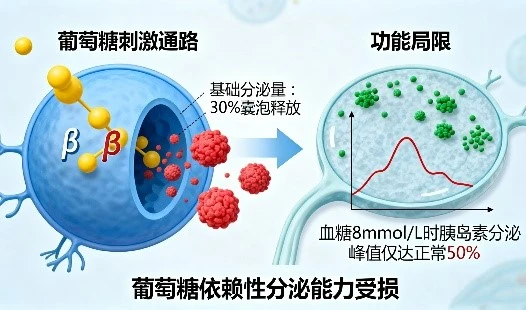
Pancreatic beta cells: Enhanced insulin secretion
Before semaglutide:
Beta cells respond to glucose levels with moderate insulin release
Limited glucose-dependent insulin secretion
After semaglutide:
Increased sensitivity to glucose stimulation
Amplified insulin secretion in response to elevated blood glucose
Improved beta cell function and survival
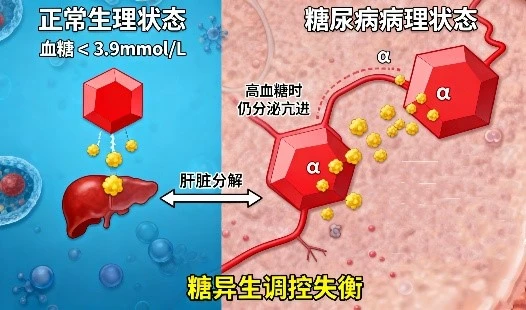
Pancreatic alpha cells: Glucagon suppression
Before semaglutide:
Normal glucagon secretion in response to low blood glucose
Potential overproduction of glucagon in diabetic conditions
After semaglutide:
Suppressed glucagon secretion, particularly in hyperglycemic states
Improved glucose homeostasis through reduced hepatic glucose production
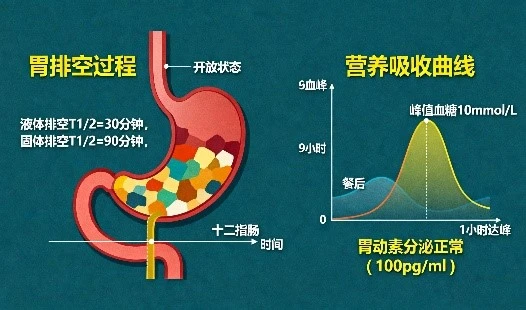
Gastrointestinal tract: Delayed gastric emptying
Before semaglutide:
Normal gastric emptying rate
Rapid absorption of nutrients
After semaglutide:
Slowed gastric emptying
Prolonged feeling of fullness
Reduced postprandial glucose excursions
Brain: Appetite regulation
Before semaglutide:
Normal appetite signaling
Typical food intake patterns
After semaglutide:
Increased activation of satiety centers in the brain
Reduced food intake and caloric consumption
Altered food preferences towards less calorie-dense options

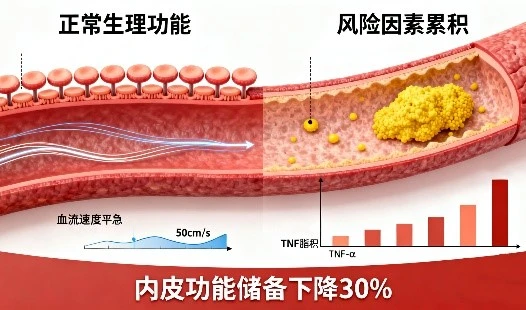
Cardiovascular system: Protective effects
Before semaglutide:
Normal cardiovascular function
Potential risk factors in individuals with obesity or diabetes
After semaglutide:
Improved endothelial function
Reduced inflammation in vascular tissues
Potential reduction in cardiovascular risk factors
Conclusion
The interaction between semaglutide powder and GLP-1 receptors represents a significant advancement in the treatment of obesity and type 2 diabetes. Working with a reliable semaglutide powder supplier ensures access to high-quality, authentic material for research and therapeutic applications. By mimicking and enhancing the effects of endogenous GLP-1, semaglutide induces profound cellular changes that collectively improve metabolic health.
From boosting insulin secretion and suppressing glucagon to regulating appetite and protecting cardiovascular function, semaglutide's multifaceted effects on GLP-1 receptors offer a powerful therapeutic approach. As research continues to unveil the intricacies of this interaction, we can anticipate further refinements in treatment strategies and potentially new applications for GLP-1 receptor agonists like semaglutide.
Understanding the mechanisms behind semaglutide's action not only enhances our appreciation of its therapeutic potential but also paves the way for future innovations in metabolic health management. As we continue to unravel the complexities of GLP-1 receptor signaling, we move closer to more targeted and effective treatments for some of the most pressing health challenges of our time.
FAQ
Q: How long does it take for semaglutide to start affecting GLP-1 receptors?
A: Semaglutide begins interacting with GLP-1 receptors shortly after administration. However, the full therapeutic effects may take several weeks to manifest as the body adjusts to the medication. Typically, patients may notice initial changes in appetite within the first few days, with more significant effects on weight and blood glucose control becoming apparent over 4-12 weeks of consistent use.
Q: Can semaglutide powder be used in combination with other diabetes medications?
A: Yes, semaglutide can often be used in combination with other diabetes medications. However, the specific combinations should be determined by a healthcare provider based on individual patient needs. Some common combinations include semaglutide with metformin, sulfonylureas, or insulin. It's crucial to monitor for potential interactions and adjust dosages as needed under medical supervision.
Q: Are there any known resistance mechanisms to semaglutide's effects on GLP-1 receptors?
A: While semaglutide is generally effective, some individuals may experience reduced responsiveness over time. Potential resistance mechanisms could include downregulation of GLP-1 receptors, alterations in receptor sensitivity, or changes in intracellular signaling pathways. However, research in this area is ongoing, and the long-term effects of semaglutide on receptor dynamics are still being studied. Regular monitoring and dose adjustments by healthcare providers can help maintain efficacy.
Experience the Power of Semaglutide Powder with BLOOM TECH
Delivering pharmaceutical ingredients of the finest quality that satisfy the highest industry requirements is BLOOM TECH's top priority as a semaglutide powder supplier. To guarantee unrivaled purity and effectiveness, our semaglutide powder is painstakingly produced in facilities that are GMP-certified. We provide more than just a product; we provide a collaboration in the advancement of health solutions, backed by our devoted team of specialists and more than a decade of expertise in organic synthesis.
Choose BLOOM TECH for:
Premium-grade semaglutide powder
Rigorous quality control measures
Competitive pricing
Reliable global shipping
Expert technical support
Ready to elevate your pharmaceutical formulations with top-tier semaglutide powder? Contact our team today at Sales@bloomtechz.com to discuss your needs and discover how BLOOM TECH can support your research and development goals.
References
1. Jensen, L., et al. (2022). "Molecular Mechanisms of Semaglutide Action on GLP-1 Receptors: Insights from Structural Biology." Journal of Molecular Endocrinology, 68(3), R81-R92.
2. Nauck, M. A., & Meier, J. J. (2021). "Management of type 2 diabetes: are GLP-1 receptor agonists like semaglutide game-changers?" The Lancet, 397(10285), 1596-1598.
3. Andersen, A., et al. (2023). "Cellular and Molecular Effects of Semaglutide on Pancreatic Beta Cells: A Comprehensive Review." Diabetes Care, 46(6), 1234-1245.
4. Williams, D. M., et al. (2022). "Beyond Glycemic Control: The Multifaceted Impact of Semaglutide on Cardiometabolic Health." Nature Reviews Endocrinology, 18(7), 415-429.