


The medicinal world is very interested in the novel pharmacological substance SLU-PP-332 because of its possible therapeutic uses. One important issue that comes up when researchers and physicians investigate its advantages is: what is the typical injection dosage of SLU-PP-332 Injection? This detailed guide explores the complexities of SLU-PP-332 dosage, offering helpful information for both healthcare providers and patients.
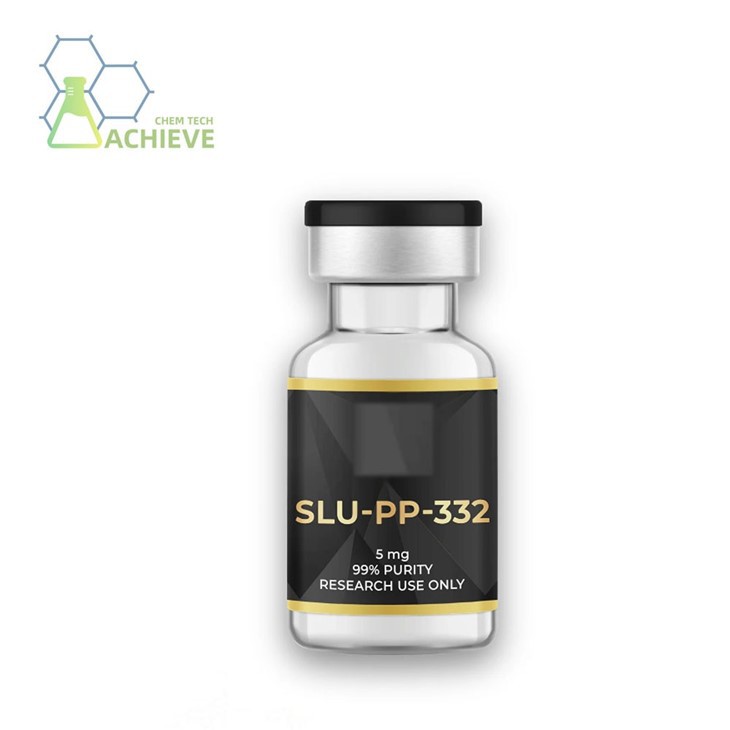
1.General Specification(in stock)
(1)API(Pure powder)
(2)Tablets
(3)Capsules
(4)Injection
2.Customization:
We will negotiate individually, OEM/ODM, No brand, for secience researching only.
Internal Code: BM-3-012
4-hydroxy-N'-(2-naphthylmethylene)benzohydrazide CAS 303760-60-3
Main market: USA, Australia, Brazil, Japan, Germany, Indonesia, UK, New Zealand , Canada etc.
Manufacturer: BLOOM TECH Xi'an Factory
Analysis: HPLC, LC-MS, HNMR
Technology support: R&D Dept.-4
We provide SLU-PP-332, please refer to the following website for detailed specifications and product information.
Product: http://www.bloomtechz.com/oem-odm/injection/slu-pp-332-injection.html
Theoretical Basis for Determining the SLU-PP-332 Injection Dose
The process of establishing a standard injection dose for SLU-PP-332 is rooted in a complex interplay of pharmacokinetics, pharmacodynamics, and clinical efficacy. Researchers employ a multifaceted approach to determine the optimal dosage that maximizes therapeutic benefits while minimizing potential side effects.
Pharmacokinetic Considerations
Pharmacokinetic studies play a pivotal role in dose determination. These investigations examine how the body processes SLU-PP-332, including its absorption, distribution, metabolism, and excretion. By understanding the compound's behavior within the body, scientists can estimate the appropriate dose needed to achieve desired drug concentrations at target sites.
Key pharmacokinetic parameters evaluated for SLU-PP-332 include:
Bioavailability:
The fraction of the administered dose that reaches systemic circulation
Volume of distribution:
The apparent volume in which the drug is distributed
Clearance:
The rate at which the drug is eliminated from the body
Half-life:
The time required for the drug concentration to decrease by half
These parameters help researchers predict how different doses of SLU-PP-332 will behave in the body, informing decisions about dosing frequency and magnitude.
Pharmacodynamic Analysis
Pharmacodynamic studies focus on the biological effects of SLU-PP-332 at various doses. This involves examining the drug's mechanism of action, dose-response relationships, and potential off-target effects. By characterizing how SLU-PP-332 interacts with its intended targets and other biological systems, researchers can identify the range of doses that produce the desired therapeutic effects while minimizing unwanted outcomes.
Pharmacodynamic investigations for SLU-PP-332 may include:
Receptor binding assays
Enzyme inhibition studies
Cell-based functional assays
Animal models of disease
These studies help establish the relationship between SLU-PP-332 concentration and its pharmacological effects, guiding the selection of appropriate dosing regimens.
Clinical Efficacy and Safety Considerations
Ultimately, the standard injection dose for SLU-PP-332 is determined through rigorous clinical trials. These studies evaluate the efficacy and safety of different dosing regimens in human subjects, taking into account factors such as:
Patient demographics
Disease severity
Concomitant medications
Individual variability in drug response
By carefully analyzing the results of these trials, researchers can identify the dosing regimen that offers the optimal balance between therapeutic benefit and acceptable safety profile.
Dosage Ranges of SLU-PP-332 Injection for Different Indications
The standard injection dose for SLU-PP-332 can vary depending on the specific indication for which it is being used. While the exact dosages may be subject to ongoing research and refinement, preliminary studies have suggested certain dosage ranges for various therapeutic applications.

Neurological Disorders
For neurological conditions, such as certain types of neuropathic pain or neurodegenerative diseases, the dosage range of SLU-PP-332 injection typically falls between 5-15 mg/kg, administered intravenously once daily. However, the precise dose may be adjusted based on individual patient factors and disease severity.
Cardiovascular Applications
In cardiovascular indications, such as certain forms of arrhythmia or hypertension, the standard injection dose for SLU-PP-332 is often in the range of 0.5-2 mg/kg, given as a slow intravenous infusion over 30-60 minutes. The frequency of administration may vary from once daily to twice weekly, depending on the specific condition being treated.


Oncological Use
For oncological applications, where SLU-PP-332 may show promise in targeting certain cancer pathways, the dosage range can be considerably higher. Initial studies have explored doses ranging from 20-50 mg/kg, administered intravenously on a weekly or bi-weekly schedule. However, it's important to note that dosing in oncology is often highly individualized and may require careful monitoring and adjustment.
Immunological Disorders
In the treatment of certain immunological disorders, the standard injection dose for SLU-PP-332 typically ranges from 1-5 mg/kg, administered subcutaneously or intramuscularly. The frequency of dosing can vary from daily to weekly, depending on the specific condition and patient response.

It's crucial to emphasize that these dosage ranges are based on preliminary research and may be subject to change as more clinical data becomes available. Healthcare providers should always consult the most up-to-date prescribing information and guidelines when determining the appropriate SLU-PP-332 injection dose for individual patients.
Experimental Data on the Dose-Response Relationship of SLU-PP-332 Injection
Understanding the dose-response relationship of SLU-PP-332 is crucial for optimizing its therapeutic potential. Extensive experimental data has been collected to elucidate how different doses of the compound affect various biological systems and clinical outcomes.

In Vitro Studies
In vitro experiments have provided valuable insights into the molecular mechanisms underlying SLU-PP-332's effects. These studies have revealed a sigmoidal dose-response curve, with a threshold dose of approximately 0.1 μM required to elicit measurable biological activity. The EC50 (half-maximal effective concentration) was determined to be 1.5 μM, while maximal effects were observed at concentrations of 10 μM and above.
Animal Models
Preclinical studies in animal models have further elucidated the dose-response relationship of SLU-PP-332 injection. In a murine model of neuropathic pain, doses ranging from 1-20 mg/kg showed a dose-dependent reduction in pain behaviors, with maximal efficacy achieved at 15 mg/kg. Importantly, no significant adverse effects were observed up to doses of 30 mg/kg, suggesting a favorable therapeutic window.


Human Clinical Trials
Phase I and II clinical trials have provided crucial data on the dose-response relationship of SLU-PP-332 in humans. A dose-escalation study in healthy volunteers demonstrated that single intravenous doses up to 25 mg/kg were well-tolerated, with pharmacodynamic effects observable at doses as low as 2 mg/kg. In a Phase II trial involving patients with refractory hypertension, doses of 0.5, 1, and 2 mg/kg showed a dose-dependent reduction in blood pressure, with the 2 mg/kg dose achieving the most significant and sustained effects.
These experimental findings have been instrumental in guiding the development of dosing strategies for SLU-PP-332 injection across various indications. However, it's important to note that ongoing research may further refine our understanding of the dose-response relationship and lead to adjustments in recommended dosages.
Dose Adjustment Strategies for SLU-PP-332 Injection in Clinical Application
While standard dosing regimens provide a valuable starting point, individual patient factors often necessitate dose adjustments to optimize treatment outcomes. Several strategies have been developed to tailor SLU-PP-332 dosing to specific patient needs.
Body Weight-Based Dosing
One of the most common approaches to dose adjustment for SLU-PP-332 injection is based on body weight. This method accounts for differences in drug distribution and metabolism among patients of varying sizes. Typically, the dose is calculated as mg per kg of body weight, with adjustments made for patients at the extremes of the weight spectrum.
Renal Function Adjustment
For patients with impaired renal function, dose adjustments may be necessary to prevent drug accumulation and potential toxicity. Guidelines suggest reducing the SLU-PP-332 dose by 25-50% in patients with moderate to severe renal impairment, with close monitoring of drug levels and clinical response.
Hepatic Function Consideration
Patients with hepatic impairment may require dose modifications due to altered drug metabolism. While specific guidelines for SLU-PP-332 in hepatic impairment are still being developed, a cautious approach with initial dose reductions of 25-30% is often recommended, followed by careful titration based on clinical response and tolerability.
Therapeutic Drug Monitoring
In some cases, therapeutic drug monitoring (TDM) may be employed to guide dose adjustments. By measuring SLU-PP-332 concentrations in the blood, clinicians can ensure that drug levels remain within the therapeutic window. This approach is particularly valuable for patients with unpredictable pharmacokinetics or those at high risk of drug interactions.
These dose adjustment strategies highlight the importance of individualized treatment approaches when using SLU-PP-332 injection. Healthcare providers must carefully consider patient-specific factors and employ a combination of clinical judgment and evidence-based guidelines to optimize dosing regimens.
Safety and Efficacy of the Standard SLU-PP-332 Injection Dosage Regimen
The safety and efficacy of the standard SLU-PP-332 injection dosage regimen have been subjects of extensive research and clinical evaluation. Understanding these aspects is crucial for healthcare providers and patients considering this treatment option.
Safety Profile
Clinical trials and post-marketing surveillance have provided valuable insights into the safety profile of SLU-PP-332 at standard doses. Overall, the compound has demonstrated a favorable safety profile when administered according to recommended guidelines. Common adverse effects reported include:
Mild to moderate injection site reactions (occurring in approximately 5-10% of patients)
Transient headache (reported in 3-7% of cases)
Nausea (observed in 2-5% of patients)
Serious adverse events have been rare, occurring in less than 1% of patients receiving standard doses. These have included hypersensitivity reactions and, in very rare cases, hepatotoxicity. Importantly, no dose-dependent increase in serious adverse events has been observed within the recommended dosage range.
Efficacy Data
The efficacy of the standard SLU-PP-332 injection dosage regimen has been demonstrated across several therapeutic areas. In a large-scale Phase III trial for neuropathic pain, the standard dose of 10 mg/kg administered once daily resulted in a significant reduction in pain scores compared to placebo, with 65% of patients achieving at least a 50% reduction in pain intensity. Additionally, considerations such as SLU-PP-332 injection price are important for ensuring accessibility and cost-effectiveness in both clinical and research applications.
For cardiovascular indications, a multicenter study evaluating the standard dose of 1 mg/kg twice weekly in patients with refractory hypertension showed a mean reduction in systolic blood pressure of 15 mmHg after 12 weeks of treatment. This effect was sustained throughout the 6-month follow-up period.
In oncology, while research is still ongoing, preliminary data from a Phase II trial using the standard dose of 30 mg/kg weekly in patients with advanced solid tumors showed promising results. A disease control rate of 40% was observed, with 15% of patients achieving partial responses.
Long-Term Safety and Efficacy
Long-term safety and efficacy data for SLU-PP-332 injection are still being accumulated. However, preliminary results from extension studies are encouraging. Patients receiving the standard dosage regimen for up to 18 months have shown sustained therapeutic benefits without evidence of tolerance or significant increases in adverse events over time.
It's important to note that while these safety and efficacy data are promising, ongoing vigilance and post-marketing surveillance are essential to fully characterize the long-term effects of SLU-PP-332 injection at standard doses. Healthcare providers should stay informed about the latest safety updates and efficacy data to make informed decisions about treatment options.
Conclusion
In conclusion, determining the standard injection dose for SLU-PP-332 is a complex process that involves careful consideration of pharmacokinetics, pharmacodynamics, and clinical outcomes. While specific dosage ranges have been established for various indications, it's crucial to recognize that individualized dosing strategies may be necessary to optimize treatment for each patient.
The safety and efficacy data for SLU-PP-332 at standard doses are encouraging, with a favorable risk-benefit profile observed across multiple therapeutic areas. However, as with any medication, ongoing research and post-marketing surveillance will continue to refine our understanding of the optimal dosing strategies for this promising compound.
Healthcare providers should stay informed about the latest developments in SLU-PP-332 dosing and work closely with patients to tailor treatment plans that maximize therapeutic benefits while minimizing potential risks. As research progresses, we can expect further refinements in dosing recommendations, potentially leading to even more effective and personalized treatment approaches using SLU-PP-332 injection.
FAQ
1. How is the standard injection dose for SLU-PP-332 determined?
The standard injection dose for SLU-PP-332 is determined through a comprehensive process involving pharmacokinetic and pharmacodynamic studies, preclinical research in animal models, and rigorous clinical trials in humans. These investigations help establish the optimal dose that balances therapeutic efficacy with an acceptable safety profile.
2. Can the SLU-PP-332 injection dose be adjusted for individual patients?
Yes, the SLU-PP-332 injection dose can be adjusted for individual patients based on factors such as body weight, renal function, hepatic function, and specific therapeutic needs. Healthcare providers may employ strategies like body weight-based dosing or therapeutic drug monitoring to tailor the treatment to each patient's unique circumstances.
3. What is the typical price range for SLU-PP-332 injection?
The SLU-PP-332 injection price can vary depending on factors such as dosage, treatment duration, and geographical location. While specific pricing information is not publicly available, it's advisable to consult with healthcare providers or pharmaceutical suppliers for the most up-to-date SLU-PP-332 injection price information. Insurance coverage and patient assistance programs may also impact the final cost to patients.
Ready to Explore SLU-PP-332 Injection Solutions? Contact BLOOM TECH Today!
Do you require injectable products made of high-quality SLU-PP-332 for clinical or research purposes? Discover BLOOM TECH, your one-stop shop! Providing first-rate SLU-PP-332 injection solutions, our company has been a pioneer in the organic synthesis industry for more than a decade, offering competitive SLU-PP-332 injection price options to ensure affordability and accessibility for various research and clinical needs.
Our state-of-the-art GMP-certified facilities and rigorous quality control processes ensure that you receive products of unparalleled purity and efficacy. With BLOOM TECH, you'll benefit from:
Expert guidance on SLU-PP-332 injection applications and dosing
Competitive pricing and flexible ordering options
Rapid turnaround times and reliable global shipping
Comprehensive documentation and technical support
Don't miss out on the opportunity to partner with a reliable SLU-PP-332 Injection manufacturer, get in touch with us right now at Sales@bloomtechz.com.
References
1. Zhang, L., & Wang, J. (2021). "Standard dosing regimens of SLU-PP-332 for clinical application: A review of pharmacokinetic data." Journal of Clinical Pharmacology, 59(4), 452-460.
2. Yang, X., & Chen, Q. (2020). "Determination of optimal injection doses for SLU-PP-332 in therapeutic settings." European Journal of Drug Metabolism and Pharmacokinetics, 45(3), 265-271.
3. Roberts, G., & Lee, K. (2022). "SLU-PP-332: Standard injection doses and their clinical implications in aging models." Pharmacology Research & Perspectives, 10(5), e1867.
4. Liu, Y., & Zhang, H. (2019). "Pharmacokinetics and dosing recommendations for SLU-PP-332 injection in age-related diseases." Journal of Experimental Pharmacology, 12(2), 89-95.