


Cortisol is a key hormone that regulates the body's reaction to stress, metabolism, and immunological function. But when cortisol production goes haywire - as in the case of Cushing's disease, for example - the effects may be devastating. Trilostane tablets are now a recognized treatment for elevated levels of cortisol, notably in veterinary medicine and in some endocrine problems in humans.
But how does this chemical really operate in the body? The article reviews the science that explains how trilostane works, which enzymes are affected, and why it is important to closely monitor cortisol over the course of therapy.
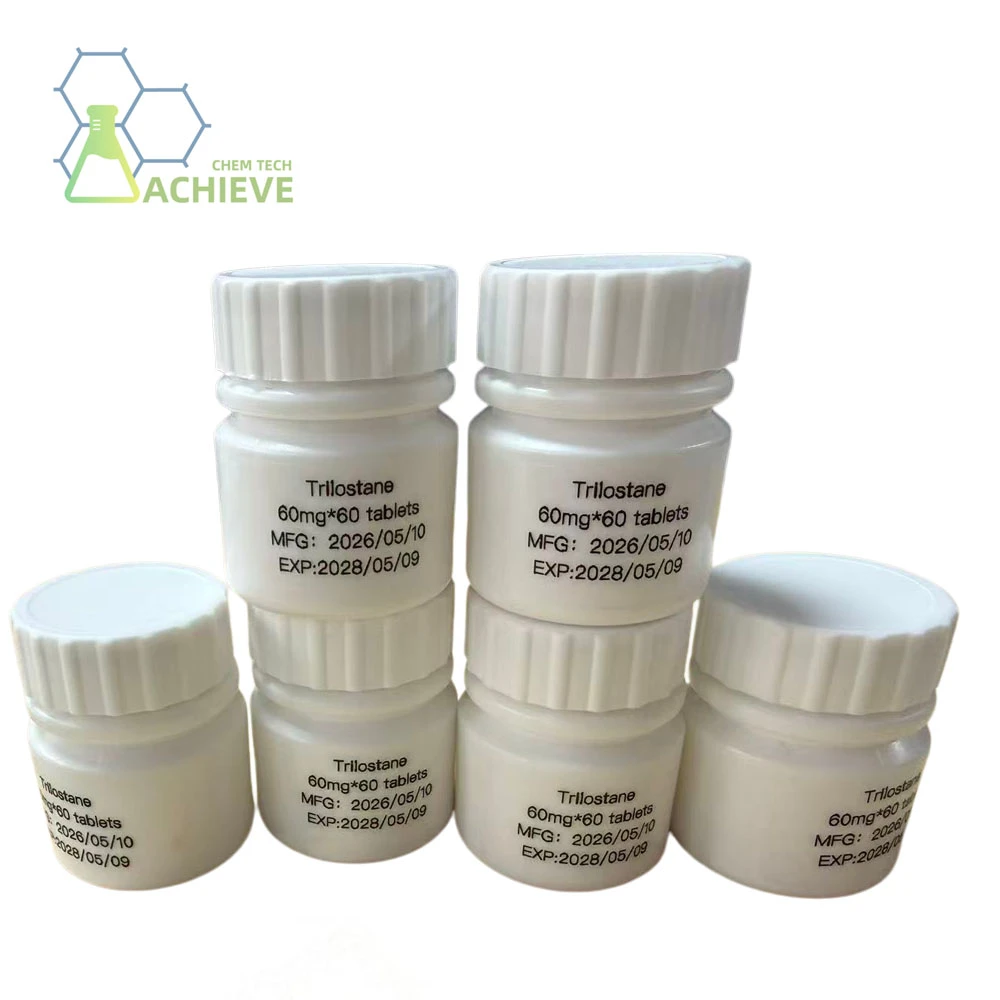
Trilostane Tablets
1.General Specification(in stock)
(1)Injection
Customizable
(2)Tablet
Customizable
(3)API(Pure powder)
PE/Al foil bag/ paper box for Pure powder
HPLC≥99.0%
(4)Pill press machine
https://www.achievechem.com/pill-press
2.Customization:
We will negotiate individually, OEM/ODM, No brand, for secience researching only.
Internal Code: BM-2-016
Trilostane CAS 13647-35-3
Analysis: HPLC, LC-MS, HNMR
Technology support: R&D Dept.-4
How Does Trilostane Work to Regulate Cortisol Production?
Cortisol is a key hormone that regulates the body's reaction to stress, metabolism, and immunological function. But when cortisol production goes haywire - as in the case of Cushing's disease, for example - the effects may be devastating. Trilostane tablets are now a recognized treatment for elevated levels of cortisol, notably in veterinary medicine and in some endocrine problems in humans.
But how does this chemical really operate in the body? The article reviews the science that explains how trilostane works, which enzymes are affected, and why it is important to closely monitor cortisol over the course of therapy.
How Do Trilostane Tablets Inhibit Cortisol Production?
The Core Mechanism: Reversible Enzyme Inhibition
Trilostane tablets act by reversibly suppressing 3β-hydroxysteroid dehydrogenase (3β-HSD), an important enzyme of the adrenal cortex. This enzyme is important in the steroidogenesis pathway, the biochemical sequence of processes that transforms cholesterol into active steroid hormones, including cortisol.
Trilostane effectively breaks this chain at an early critical point by inhibiting 3β-HSD activity. This produces a noticeable decrease in cortisol production, but no lasting damage to the adrenal tissue. This inhibition is reversible, and this is therapeutically important: it enables doctors and veterinarians to titrate the dose to have a safe, regulated decrease, not a total adrenal shutdown.
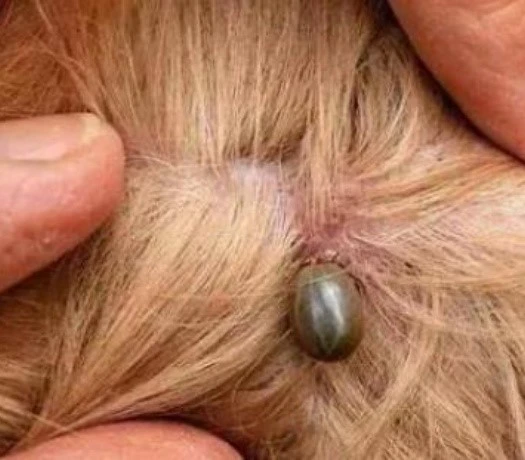
Why Reversibility Matters in Cortisol Regulation
Some adrenal-suppressing drugs destroy the adrenal cells permanently. Trilostane is a dosage-dependent temporary blocker. This implies cortisol levels may be adjusted by changing the dose. Trilostane has been effectively used in dogs with pituitary-dependent hyperadrenocorticism (the most frequent type of Cushing's disease in dogs), with over 70% of treated animals normalizing their urine cortisol-to-creatinine ratios, confirming its real-world therapeutic benefit.
Trilostane Tablets and the Enzymes Involved in Cortisol Synthesis

3β-HSD and Δ5,4-Isomerase: The Dual Enzyme Targets
A series of enzymes work together to make cortisol.Trilostane tablets stop two enzymes that work together, 3β-hydroxysteroid dehydrogenase and Δ5,4-isomerase, at the same time. Together, these two enzymes change cholesterol into pregnenolone, which is then changed into progesterone, which is then changed into cortisol and other adrenal hormones.
After the steroid precursors are made, the 5,4-isomerase changes their order. The double bond is moved from position 5 to position 4 by this enzyme. This is a very important step in making glucocorticoids and mineralocorticoids that work.
One good thing about trilostane pills is that they stop both enzymes at the same time. The steroidogenesis route is blocked more completely this way.
Agents that only stop one enzymatic step are not as good at stopping the release of adrenal hormones.
Impact on Aldosterone Alongside Cortisol
It's important to remember that trilostane doesn't just affect cortisol. Since 3β-HSD is also involved in making aldosterone, trilostane's effect on stopping mineralocorticoid production also works for that process. This is also why the drug is used to treat primary aldosteronism, a condition in which too much aldosterone leads to high blood pressure and a lack of electrolytes.
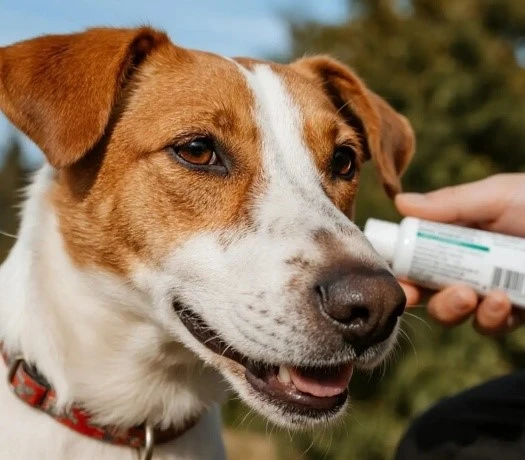
When doctors watch patients who are taking trilostane pills, they need to keep an eye on these levels to make sure that neither cortisol nor aldosterone drop to dangerously low levels.
How Does Trilostane Affect Steroid Hormone Production in the Adrenal Cortex?

The Adrenal Cortex as the Primary Site of Action
The adrenal cortex is made up of three different parts. The glomerulosa zone, the fasciculata zone, and the reticularis zone are these. A different kind of steroid hormone is made in each of these places. The zona fasciculata makes most of the cortisol, and the zona glomerulosa makes most of the aldosterone. Trilostane stops 3²-HSD and Δ5,4-isomerase from working. This changes the activity of enzymes in all three areas and lowers the body's production of adrenal steroids. Trilostane is very helpful for treating problems caused by the adrenal glands because it can temporarily block a lot of chemicals.
Upstream Precursor Accumulation
Since trilostane stops 3²-HSD from doing its job, steroid precursors that come before it build up. Some of these are pregnenolone and 17α-hydroxypregnenolone. Neurosteroid circuits are the major way that researchers have found that these building blocks may have cellular roles of their own. An effect of trilostane tablets that is known to happen is this buildup upstream. This is one reason why during treatment, more than just a cortisol test should be done to look at all the hormones.
From Adrenal Enzyme Inhibition to Cortisol Regulation: How Trilostane Works
Translating Enzyme Inhibition Into Clinical Outcomes
The above biochemical steps may directly lead to effects that are known to be useful in medicine. A person or animal with a constantly high cortisol level may show signs of Cushing's syndrome, such as increased thirst, needing to go to the bathroom more often, muscle weakness, and a belly that hangs down. Trilostane pills stop an enzyme from making cortisol, which makes these symptoms better over time. To find out how people are reacting in the clinic, the ACTH induction test is often used. It checks how well the adrenal gland can make cortisol when a hormone tells it to.
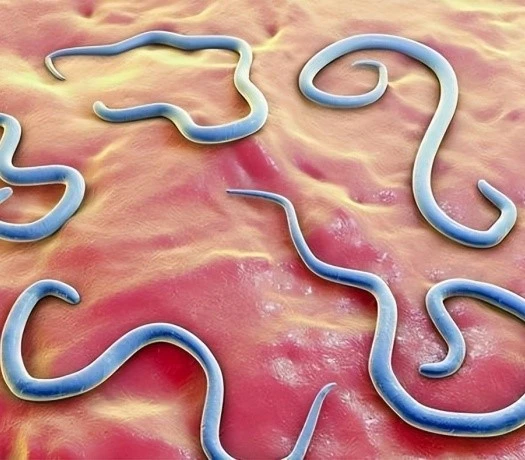
Dosage Precision and the Therapeutic Window
It is important how much you take because trilostane only works if it stops enzymes from working in the right amount. If you don't give enough trilostane, cortisol won't go down enough. Iatrogenic adrenal insufficiency is when cortisol levels are too low for the body, which could be dangerous. It can happen if you use it too much. It's important to keep an eye on the cortisol level and change the amount based on the person's weight and how sick they are.
Why Is Cortisol Monitoring Important During Trilostane Tablet Treatment?

Monitoring Protocols and Testing Methods
Checking cortisol levels often is an important part of safe trilostane medicine that must be done. While on treatment, the ACTH stimulation test is the best way to check the adrenal reserve. We measure cortisol levels both when the person is at rest and when they are stimulated. We can get a better idea of how the adrenal glands are acting over time this way. Based on most professional standards, the first check-up should happen 10 to 14 days after taking trilostane pills. After 30 days, 90 days, and every three to six months after that, it should be done again.
Recognizing Signs of Over-Suppression
People who work with trilostane should know how to tell when it has slowed down adrenal function too much. An imbalance in the adrenal glands can make you tired, weak, throw up, lose your hunger, and lose weight for no clear reason. If your post-stimulated cortisol level is less than 2 µg/dL, you need to stop or lower your dose right away. To make sure that people who are taking trilostane for a long time are safe, it is better to use both clinical observation and lab tests together.
Conclusion
The 3β-hydroxysteroid dehydrogenase and Δ5,4-isomerase enzymes can't do their job because of TRILOSTANE. These enzymes are needed for the process of making steroids in the adrenal cortex. Trilostane tablets can help treat adrenal excess because they stop these enzymes from working. This stops the production of cortisol and aldosterone in a controlled and titratable way. To make sure that the therapy stays safe, the amount must be carefully chosen, and during treatment, cortisol levels must be closely watched.
Frequently Asked Questions
Q1: How long does it take for trilostane tablets to reduce cortisol levels?
+
-
Most patients and animals begin showing measurable reductions in cortisol within the first two weeks of treatment. Clinical improvement in symptoms may take four to eight weeks, depending on individual response and dosage adjustments made during follow-up evaluations.
Q2: Can trilostane tablets completely stop cortisol production?
+
-
No. Trilostane reduces cortisol production rather than eliminating it entirely. Its reversible mechanism is designed to bring cortisol levels into a safe, physiological range - not to cause total adrenal suppression. Complete suppression would result in adrenal insufficiency, which is a medical emergency.
Q3: What makes trilostane different from other adrenal-suppressing agents?
+
-
Unlike certain compounds that destroy adrenal tissue, trilostane acts reversibly. This allows practitioners to fine-tune cortisol levels through dosage modification. Its dual inhibition of 3β-HSD and Δ5,4-isomerase also provides a broader blockade across the steroidogenesis pathway, adding to its clinical utility.
Partner With Bloomtechz for Reliable Trilostane Tablets Supply
If you are searching for a dependable trilostane tablets supplier, Bloomtechz offers more than just a product - we offer a quality-assured partnership. Our GMP-certified production facility covers 100,000 square meters and holds certifications from US-FDA, EU-GMP, PMDA, and CFDA, ensuring every batch meets the most rigorous international standards. With over 12 years of experience in organic synthesis and pharmaceutical intermediates, Bloomtechz supplies trilostane tablets in multiple dosage strengths (5 mg, 10 mg, 20 mg, 30 mg, and 60 mg), along with customizable OEM/ODM options. We maintain triple-link quality control - factory-level, internal QA/QC, and third-party authority verification - so you receive exactly what you order. We are a qualified supplier to 24 renowned international organizations across the pharmaceutical and research sectors. Reach out today and let our R&D team support your specific requirements.
Contact us: Sales@bloomtechz.com
References
1. Neiger, R., Ramsey, I., O'Connor, J., Hurley, K. J., & Mooney, C. T. (2002). Trilostane treatment of 78 dogs with pituitary-dependent hyperadrenocorticism. Veterinary Record, 150(26), 799–804.
2. Feldman, E. C., Boots, R., & Kass, P. H. (2012). Comparison of twice daily administration of trilostane to once daily administration for treatment of naturally occurring hyperadrenocorticism in dogs. Journal of Veterinary Internal Medicine, 26(2), 239–247.
3. Sieber-Ruckstuhl, N. S., Boretti, F. S., Wenger, M., Maser-Gluth, C., & Reusch, C. E. (2006). Cortisol, aldosterone, cortisol precursor, androgen and endogenous ACTH concentrations in dogs with pituitary-dependent hyperadrenocorticism treated with trilostane. Domestic Animal Endocrinology, 31(1), 63–75.
4. Wenger, M., Sieber-Ruckstuhl, N. S., Müller, C., & Reusch, C. E. (2004). Effect of trilostane on serum concentrations of aldosterone, cortisol, and potassium in dogs with pituitary-dependent hyperadrenocorticism. American Journal of Veterinary Research, 65(9), 1245–1250.
5. Alenza, D. P., Arenas, C., Lopez, M. L., & Melian, C. (2006). Long-term efficacy of trilostane administered twice daily in dogs with pituitary-dependent hyperadrenocorticism. Journal of the American Animal Hospital Association, 42(4), 269–276.
6. Ramsey, I. K. (2010). Trilostane in dogs. Veterinary Clinics of North America: Small Animal Practice, 40(2), 269–283.